Washington's Most Charming Beach Towns
Washington's saltwater edge refuses to settle on a single mood, and that is the fun of it. Port Townsend stacks Victorian storefronts over a working boat harbor. Moclips swaps the crowds for fog and miles of empty sand. Sequim sits in a rain shadow where the drizzle quits and the lavender takes over. Seabrook is barely twenty years old and looks like it went up overnight. Some of these towns run on festivals and arcade noise, while others have gone dark by dinnertime. Here are eight of them, strung along the open coast and the inland water of Washington, each one fully committed to the personality it picked.
Port Angeles

Port Angeles is the working town most people blow straight through on the way into the Olympic Peninsula, which is their loss. It sits right on the Strait of Juan de Fuca with old-growth forest piling up behind it, and the move is to walk out Ediz Hook, the long sandspit that curls around the harbor. From the end of it you get open water in every direction and Vancouver Island parked right there across the strait.

It is also the launch pad for the big stuff. Olympic National Park starts just up the hill, the Sol Duc Hot Springs are about an hour out, and the Coho ferry slips across to Victoria, British Columbia, in roughly ninety minutes. For a town this size, it punches well above its weight.
Port Townsend

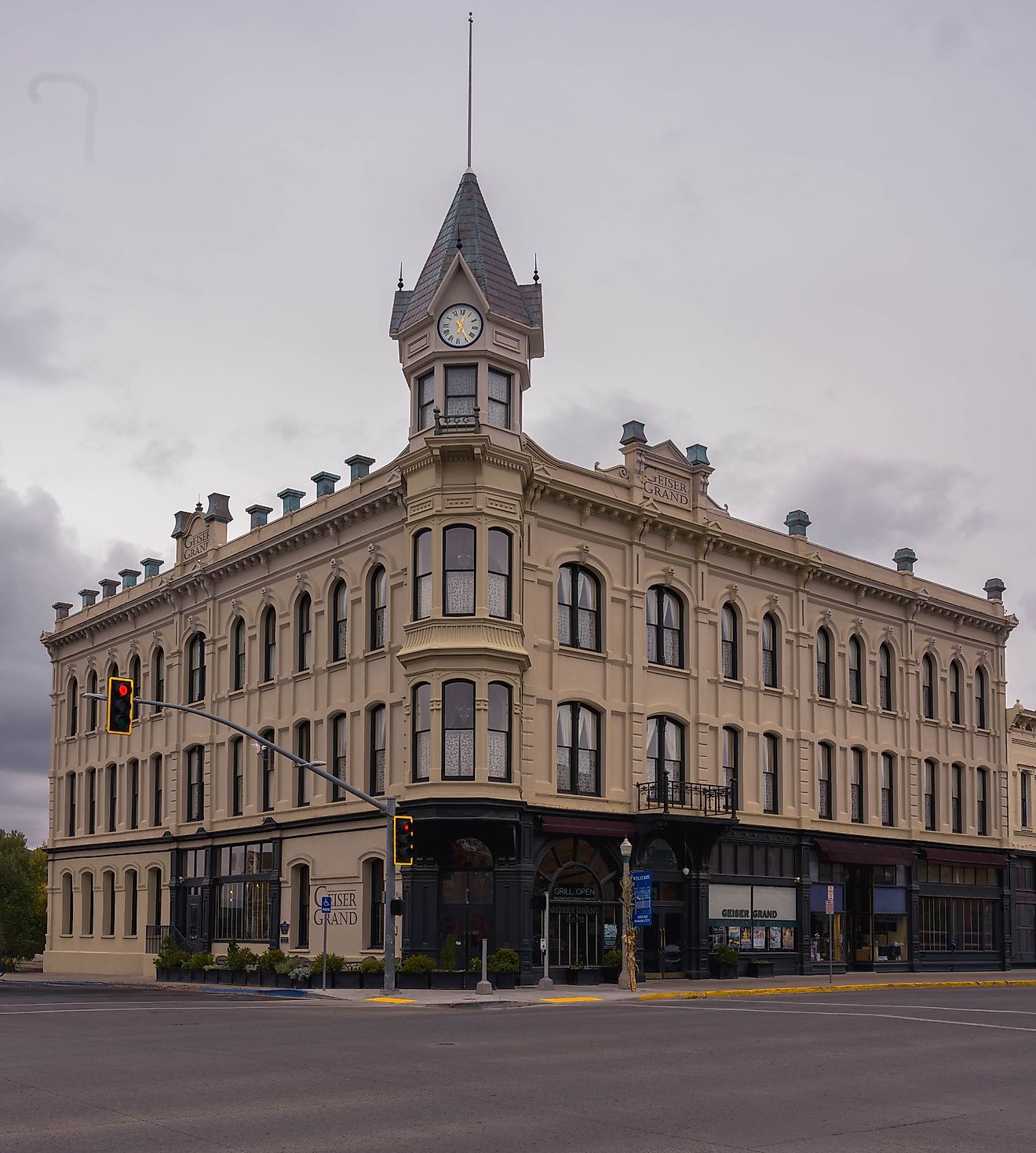
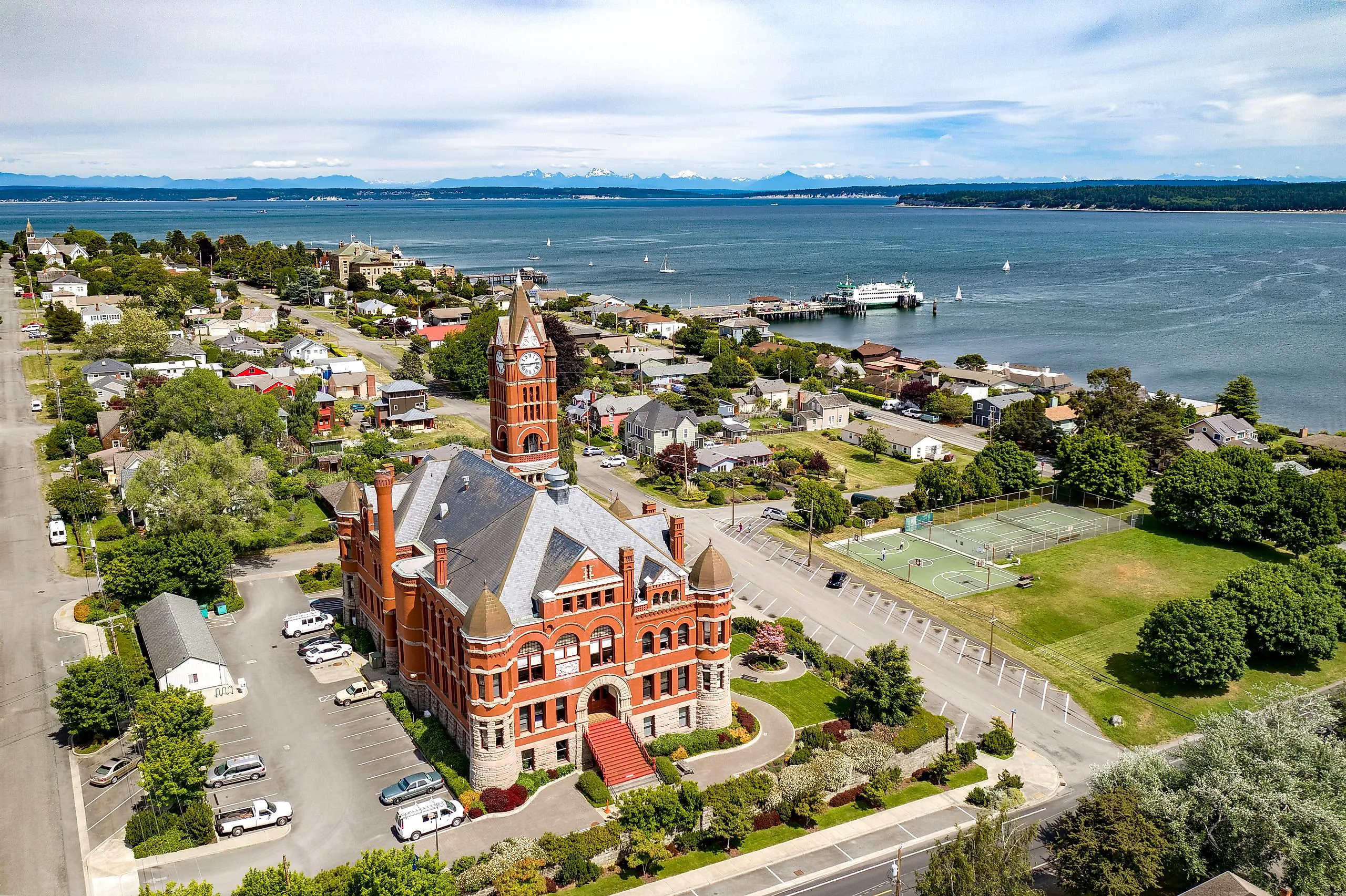
Port Townsend is what happens when a town bets big and loses. In the 1880s, boosters were certain it would become Puget Sound's great seaport, and they built a downtown of brick and gingerbread to match the ambition. Then the railroad went to Seattle instead, the boom collapsed, and the bust accidentally preserved the place in amber.

Up on the northeast corner of the Olympic Peninsula, that downtown still looks like the 1880s, only now it answers to art galleries and wooden-boat builders instead of shipping magnates. About 10,000 people live in the Key City today. Fort Worden, the old military post turned state park, keeps the calendar full with a beach, campsites, and a near-constant run of festivals and gallery walks, while Chetzemoka Park and North Beach handle the tide-pooling and sea-glass hunting.
Moclips

Moclips is quiet, and it fully intends to stay that way. The town is tiny, just a handful of businesses and a couple of B&Bs strung along the northern stretch of the coast, with fog-softened sand running on for miles. Nobody comes here to do much, which is the whole point. You walk the beach for shells and the occasional sand dollar, wander the pines back behind the dunes, and build a driftwood fire when the light starts to drop. Bring the dog and the right company, and let the surf cover the gaps in the conversation.
Ocean Shores

Ocean Shores is the coast's designated family circus, in the best possible way. The sand is flat and hard-packed enough to drive your car straight onto the beach, stake out a bonfire, and turn the kids loose in the surf. When they have had their fill of the water, the go-kart tracks and arcades downtown pick up the slack.

The steady wind has made the town a kite-flying staple, so pack one. Climb the North Jetty for the tide pools, rent a bike for the loop along Grays Harbor, and keep an eye out for the deer, which wander the residential streets like they pay property taxes. Live music turns up all year, lurching happily between Celtic flutes and country.
Poulsbo

Poulsbo leans all the way into being Norwegian, and it has earned the right. A Norwegian immigrant named Jorgen Eliason settled here on Liberty Bay in the 1880s, the fjord-like inlet reminding him of home, and a steady stream of Scandinavians followed him over. The smallest of Kitsap County's four cities now greets you with a Viking statue and bakeries still turning out lefse and lutefisk for anyone brave enough to order it.

The waterfront opens onto the Kitsap Peninsula water trails, so you can kayak, paddleboard, or just cast a line off the boardwalk at Fish Park. After that it is an easy afternoon: the Poulsbo Heritage Museum for the backstory, the Naval Undersea Museum over in Keyport for submarines and the Navy's deep-water work, the SEA Discovery Center for the marine science, and the Sawdust Hill Alpaca Farm for, well, the alpacas.
Seabrook

Seabrook is the new kid, and it knows it. The planned village only dates to 2004, built fresh on a bluff over the Pacific, which means it gets to look like an old-fashioned beach town without any of the actual wear and tear. Tight rows of cottages, many of them facing the water, ring a walkable town square, and people mostly get around on foot or by bike. The payoff is a slow, neighborly pace: order dinner from one of the town's restaurants, carry it back to a porch for the sunset, and fall asleep to the waves. Stick around a few days and the regulars will have your name down.
Sequim

Sequim runs on lavender and dry skies. The Olympic Mountains throw a rain shadow right over the town, so while the rest of the peninsula gets soaked, Sequim stays sunny, and come midsummer the farm fields go full purple. You can wander the rows, photograph them, picnic beside them, and load up on lavender soap and honey on the way out, and the Sequim Lavender Weekend turns the whole business into a July festival.
The shoreline here is calmer than the open beaches, a pebbly walk between the John Wayne Marina and Washington Harbor. And yes, that John Wayne: his family donated the land for the marina after the actor spent years cruising Sequim Bay aboard his yacht, the Wild Goose. Sequim Bay State Park rounds it out with waterfront trails and docks.
Long Beach Peninsula

Long Beach put its boldest claim right on the welcome sign: World's Longest Beach. It is not actually the world's longest, but the sand runs far enough to lose an afternoon on, and the town behind it is a real main street rather than a resort strip. The signature move is digging razor clams out of that sand at dawn alongside the locals, though you can also walk the boardwalk, stand under the giant beach arch, or duck into the World Kite Museum.

Time a trip for the international kite festival in August if you want the place at full tilt. Just south, Cape Disappointment State Park holds the point where the Columbia River finally meets the Pacific, along with a lighthouse and the Lewis and Clark Interpretive Center. And the food earns its keep here: a giant cone from Scoopers, a bowl at Captain Bob's Chowder Sisters, a pastry from Dylan's Cottage Bakery.
A Coast With Range
The thread running through all of this is contrast. Stand on Ediz Hook and Canada stares back across the strait; drive the hard sand at Ocean Shores and you are dodging deer on the way to the cabin. Poulsbo serves lefse a few minutes from a submarine museum, and Long Beach picked a beach so long it bragged about it on a sign. None of these towns tries to be everything at once. Each one picked a lane and committed, and that is exactly what makes the coast fun to take one town at a time.