This South Carolina Downtown Is Made For Strolling
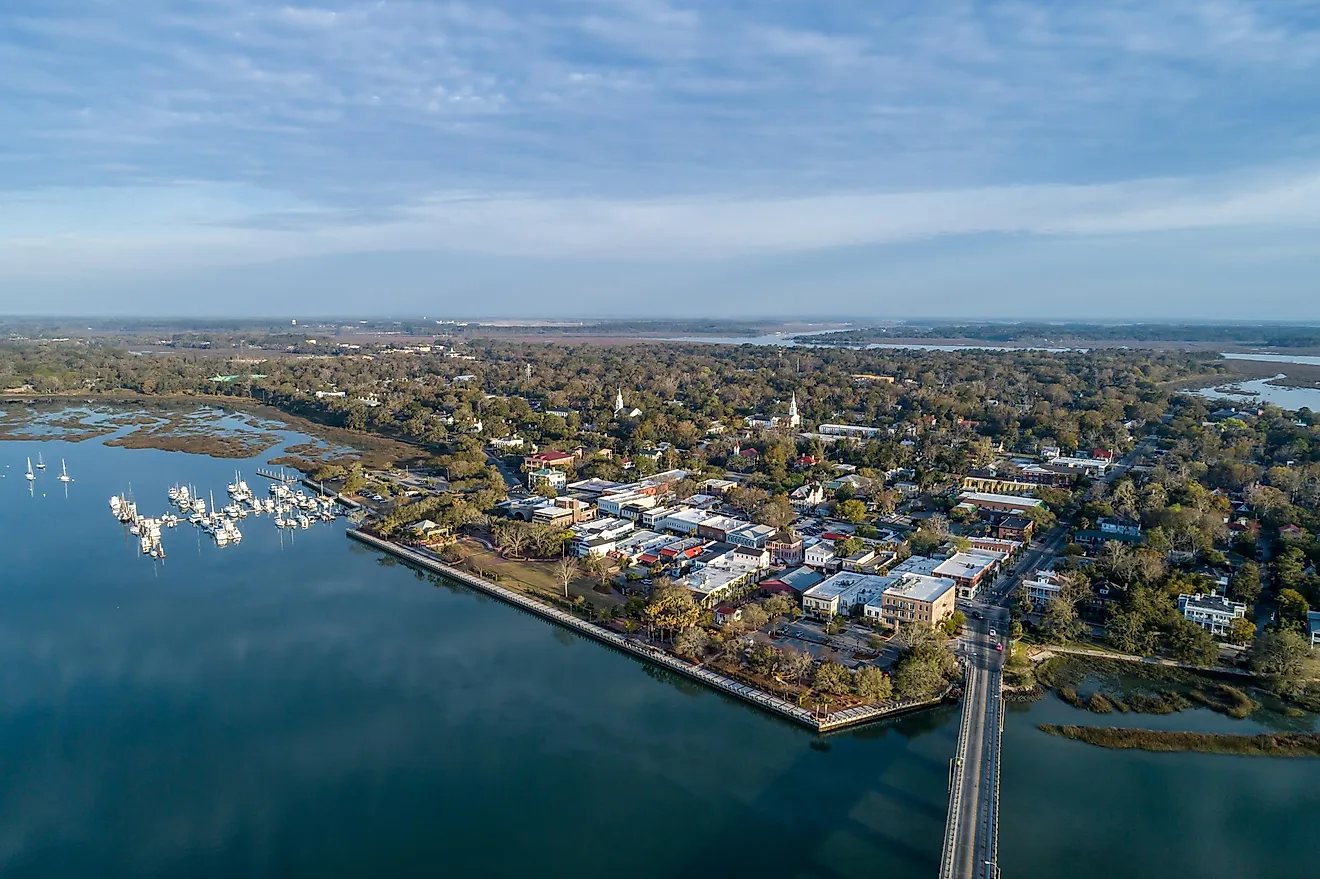
Situated on one of the Sea Islands of coastal South Carolina and framed by a bend in the Beaufort River, the city of Beaufort a small town of about 14,000 residents. Spanish moss drapes over live oaks, historic homes face narrow streets, and waterfront breezes slow the pace of everyday life. Beaufort’s downtown is compact, flat, and visually rich, encouraging visitors to explore on foot. Brick sidewalks connect museums, galleries, restaurants, and parks, while water views appear unexpectedly at the end of shaded streets. For travelers who enjoy discovering history and culture step by step, Beaufort’s downtown delivers an experience that feels relaxed, immersive, and deeply rooted.
Location and History

Beaufort is located on Port Royal Island along South Carolina’s southern coast, positioned between Charleston and Savannah. Founded in 1711, it is the second-oldest city in the state and has long served as a center for maritime trade, military activity, and coastal agriculture. During the antebellum era, Beaufort prospered through rice and cotton production, resulting in a concentration of elegant homes and civic buildings that still define the town today. Unlike many Southern communities, Beaufort sustained relatively little physical damage during the Civil War, allowing its historic core to remain largely intact.

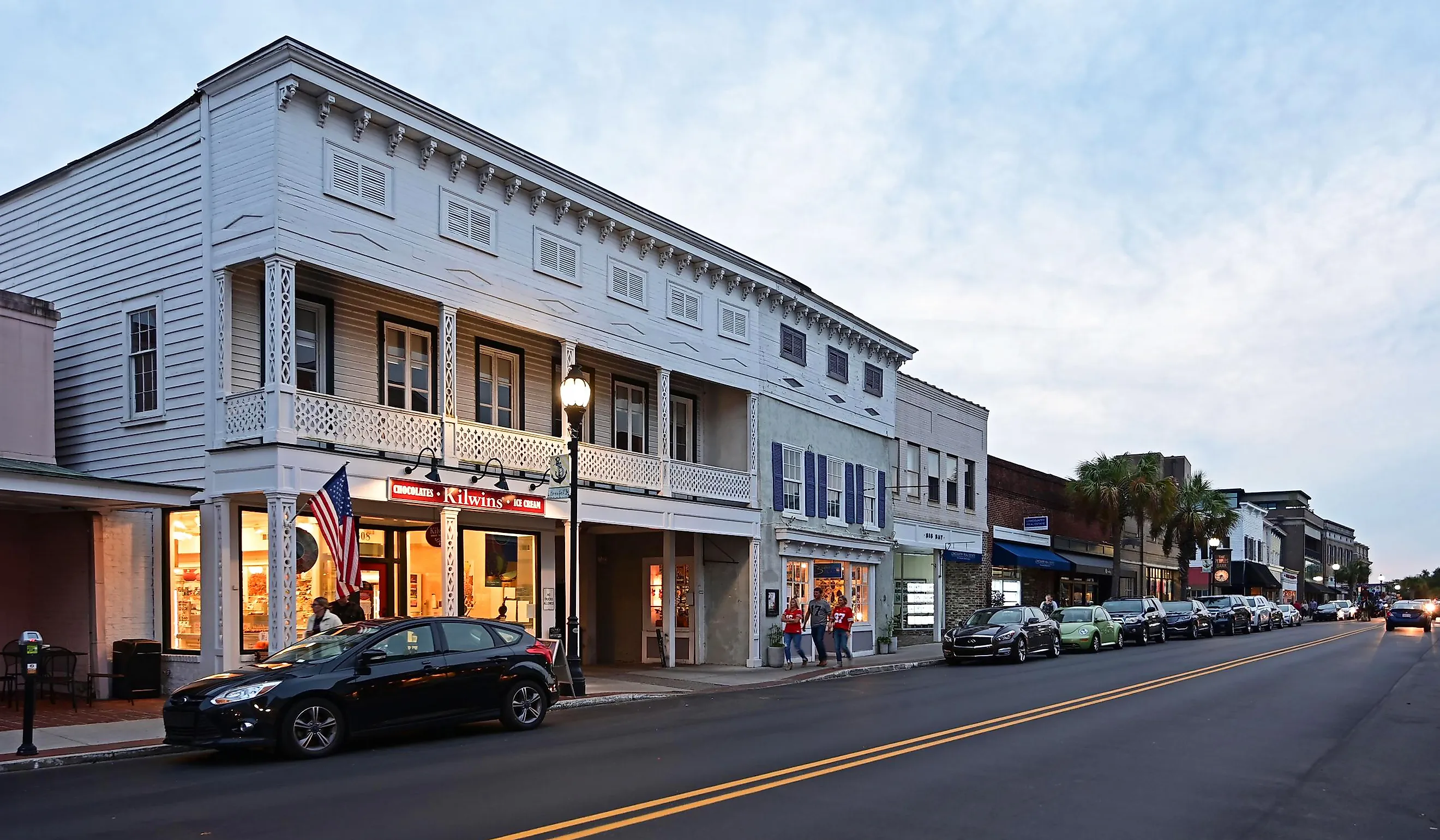
In the Beaufort Historic District, streets form a grid that adjusts to the curves of the river, and landmarks cluster in a compact yet beautiful area. This layout creates an ideal environment for walking, as historic and notable cultural, residential, and commercial spaces naturally sit side by side. This recommended downtown stroll helps visitors move seamlessly from welcoming accommodations to historic institutions, refined homes, and lively streets, and finally to the riverfront that has shaped Beaufort’s identity for more than three centuries.
Beaufort Inn
Our walking tour of downtown Beaufort will start at a 1897 site known as The Beaufort Inn. Besides the 1897 main inn house, this locale features a collection of historic homes transformed into a gracious inn within the historic district. As a result of its location, less than two blocks from the main business district, the inn is surrounded by shaded sidewalks, mature oak trees, and quiet residences that immediately set the tone for a relaxed walking experience.

Stepping out from the inn places you within easy walking distance of downtown’s main attractions. The flat terrain and quiet streets make navigation effortless, even for first-time visitors. From The Beaufort Inn, it is only a short walk toward the civic heart of the town and the next stop on your route, the Beaufort History Museum at The Arsenal.
Beaufort History Museum

The Beaufort History Museum is housed in The Arsenal, a former military structure built more than 200 years ago. This location speaks to a history spanning multiple conflicts, including the Revolutionary War and the Civil War, as it played a role in both of these profoundly historic events. The Museum is an informative introduction to Beaufort’s layered past. Inside, captivating exhibits guide visitors through Indigenous history, colonial settlement, plantation life, military events, and Reconstruction.
After leaving the museum, turn the corner to walk down Carteret Street, a stretch that offers a lively glimpse into everyday downtown life. You will pass local shops and eateries such as City Java & News, a popular stop for coffee and conversation, as well as Breakwater Restaurant & Bar, known for its coastal cuisine and relaxed atmosphere. Specialty shops such as Blue Heron Boutique, known for its women’s fashions in colorful patterns, add variety and vitality to the downtown core. From Carteret Street, a right turn onto Bay Street leads to the next historic stop, the John Mark Verdier House.
Verdier House

The John Mark Verdier House stands as one of Beaufort’s finest examples of Federal-style architecture. Built in 1804, the home belonged to a successful merchant whose wealth reflected the town’s importance as a trading center. Today, the house is carefully preserved and furnished to reflect early nineteenth-century life along the South Carolina coast.
Guided tours of the house explore domestic routines, social customs, and economic connections that shaped Beaufort before the Civil War. The surrounding streets are shaded and tranquil, offering a contrast to the activity along Carteret Street. After visiting the Verdier House, a short walk of less than half a block on Bay Street leads to the next destination, the Thibault Gallery.
Thibault Gallery
Thibault Gallery is found along Bay Street, which features a collection of other art galleries and local shops as well. This standout gallery showcases works by regional artists, painters, and sculptors, whose work is often inspired by the beauty of coastal landscapes, wildlife, and Southern life. Its exhibitions offer a contemporary perspective that complements Beaufort’s historic surroundings.
Thibault gallery’s spacious layout encourages visitors to linger, while large windows up front enhance the bright and airy feel. Bay Street itself is well suited to strolling, with benches, vintage streetlamps, and shade from awnings and the occasional palm tree. From Thibault Gallery, an easy 4-minute walk along Bay Street and West Street leads you directly to the final stop, Henry C. Chambers Waterfront Park.
Waterfront Park

Henry C. Chambers Waterfront Park will not disappoint as a location, thanks to its scenic, restful atmosphere, which is perfect for the conclusion of our downtown stroll. Stretching along the Beaufort River, the serene park showcases wide promenades, open lawns, and shaded seating beneath live oaks. Boats move steadily along the water, reinforcing the town’s enduring connection to maritime life.

With its ideal location and beautiful setting, it is no surprise that Waterfront Park regularly hosts community events like the Beaufort Water Festival in July and the Beaufort Shrimp Festival in October. Its close proximity to downtown restaurants and shops makes it easy to extend your daytime stroll into the evening. Waterfront Park captures the essence of Beaufort’s walkability by blending natural beauty, historic context, and everyday community life into a single, accessible space.
More Downtowns to Visit

Beaufort is an exceptional example of the great tradition of walkable and character-rich downtowns found across South Carolina. Georgetown and Aiken are two of the towns that share similarities with Beaufort’s charm. Georgetown, located along Winyah Bay, features a downtown shaped by maritime history and colonial-era architecture. Visitors can stroll Front Street, where historic buildings house boutiques, cafes, and museums. The Rice Museum offers insight into the agricultural systems that once dominated the region, while the Harborwalk provides scenic waterfront paths that showcase Beaufort’s aesthetic appeal.

Aiken, situated in the western part of the state, offers a different but equally engaging downtown experience. Known for its equestrian heritage, Aiken features wide streets, shaded sidewalks, and a strong sense of community. Downtown highlights include the Aiken County Historical Museum and nearby Hopelands Gardens, a landscaped public space within walking distance of shops and restaurants along Laurens Street. Like Beaufort, both towns emphasize preservation, accessibility, and a strong connection between history and daily life.
Leisurely Lowcountry Strolling
By preserving its historic core and embracing its coastal setting, Beaufort offers a downtown that feels both timeless and approachable. Its compact layout, historic architecture, cultural institutions, and riverfront setting create an environment where walking feels natural and rewarding. Each stop adds another layer to the experience, from welcoming inns and informative museums to refined homes, lively streets, and stunning waterfront views. For travelers seeking a South Carolina community designed for strolling, reflection, and discovery, Beaufort stands out as a must-visit small town.