This Quiet California's Sierra Nevada City Is Hiding In Plain Sight
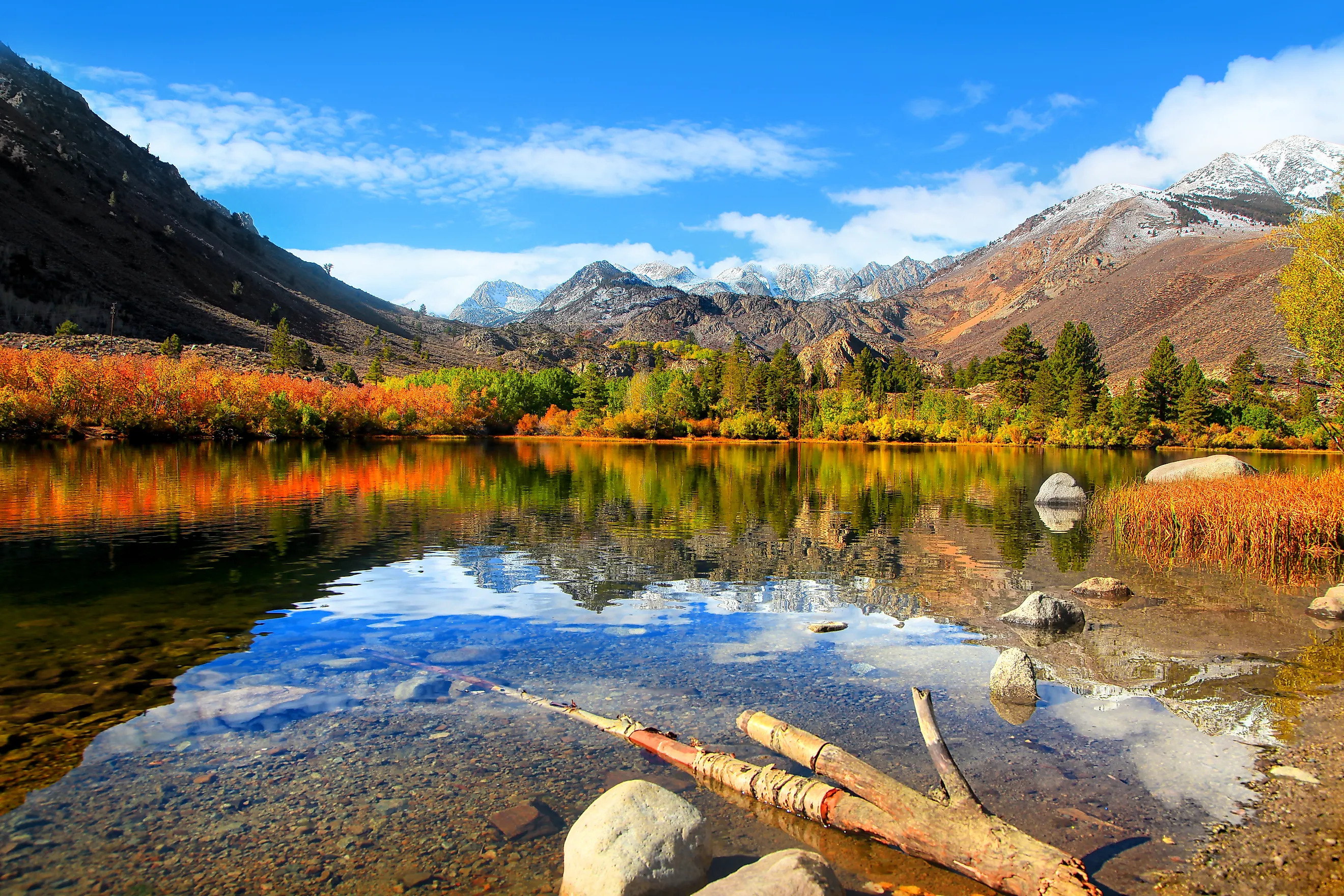
The western side of the Sierra Nevada Mountains is home to nearly all of California's most notable attractions, from major metropolitan areas like Los Angeles and San Francisco to the lush scenery along the Big Sur coast and the Central Valley. The much more arid, much less populated eastern half, however, is ideal for those who seek solitude and rugged beauty. With few large settlements, places like Bishop offer the bulk of the essential amenities you'll need while travelling through the area.
As one of the state's oldest cities, this almost hidden gem of a road trip destination also boasts many of its own worthwhile attractions, whether it's its collection of museums, interesting old-timey landmarks, or awe-inspiring parks located near its borders.
The History of this Wild West City

Bishop began as a supply stop in the Owens Valley during the early 1860s, serving miners working nearby silver and gold claims. The town was initially called Bishop Creek, named after Bishop Creek itself, and later shortened to Bishop. Like a lot of California's earliest settlements, ranching and agriculture quickly followed the mining, supported by the valley’s fertile soils and irrigation from nearby mountain streams. By 1903, it was officially incorporated as a city.
A major turning point came in the early 20th century when Los Angeles acquired water rights in the Owens Valley and constructed the Los Angeles Aqueduct. This project reshaped the local economy by reducing farming activity, tying Bishop’s future to water politics and state-wide growth pressures far beyond its own small scope.
Despite these changes, Bishop remained a regional hub for Inyo County, supporting smaller ranching operations, vital government services, and amenities for a growing tourism industry. Over time, tourism has largely replaced resource extraction as the dominant local industry, with activities such as climbing, fishing, and various other forms of outdoor recreation available in nearby state and national parks becoming central to the city’s identity.
Geography of Bishop

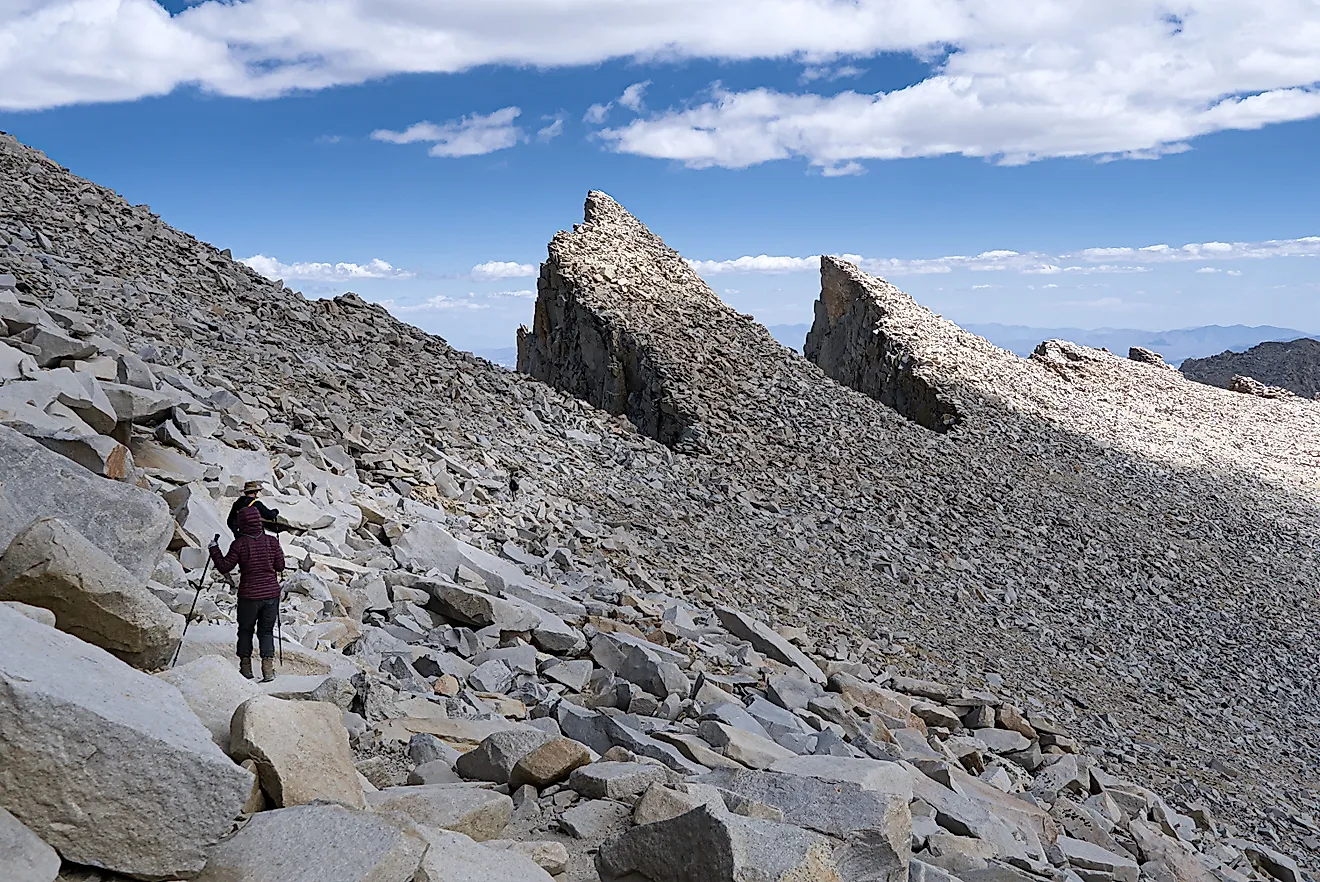
As mentioned, the Owens Valley is integral to Bishop's physical and geographical presence, positioned between two dramatically different mountain ranges. To the west rise the Sierra Nevada, including the highest peaks in the contiguous United States, Mount Whitney, while the White Mountains dominate the eastern skyline.
The city lies at an elevation of roughly 4,100 feet, resulting in a high desert climate characterized by hot summers, cold winters, and low annual rainfall. With that, Bishop Creek, the Owens River, and even Owens Lakes provide limited surface water, supporting a few riparian corridors amid otherwise arid terrain. Moreover, substantial volcanic tablelands stretch north of town, shaped by ancient lava flows and eons of erosion.
The surrounding landscape transitions quickly from sagebrush flats to alpine environments, making elevation change a defining geographic feature, one that is highly sought after by hikers and landscape photographers for its picturesque scenery.
Laws Railroad Museum & Historical Site

Located northeast of Bishop, the Laws Railroad Museum & Historical Site is an excellent first stop for any history buffs new to the area. It maintains the remains of a once-important rail hub in the Owens Valley, with the site centered on the Carson and Colorado Railway. This locale reached the neighboring community of Laws in 1883 and connected the region to wider markets.
Restored depots, maintenance buildings, and preserved rail equipment show how freight and passengers alike once moved through this remote valley. Better yet, surrounding the rail yard is a recreated historic town with homes, a schoolhouse, and various commercial structures furnished with period artifacts. Together, these buildings document daily life in eastern California from the late 19th to the early 20th century, and the open layout allows you to conveniently explore at your own pace.
Owens Valley Paiute-Shoshone Cultural Center

The Owens Valley Paiute-Shoshone Cultural Center in downtown Bishop will send you even further back in time, as it preserves and presents the culture of the Paiute and Shoshone peoples of the eastern Sierra region dating back thousands of years. Exhibits cover traditional ways of life, seasonal migration patterns, and the use of local plants and animals for food, tools, and shelter. The center also documents the unfortunate impacts of colonization, forced relocation, and water diversion in the Owens Valley.
Outdoor spaces at this location include a village area and a native plant garden that places the exhibits in a relevant geographic context. Programs, demonstrations, and events led by tribal members also provide direct insight into traditions that continue to this day, making the center an essential stop for understanding the region’s deeper history.
Ancient Bristlecone Pine Forest Visitor Center

For a dive into Bishop's fascinating natural history, the Ancient Bristlecone Pine Forest Visitor Center, located in the White Mountains east of Bishop, serves as an introduction to one of the oldest living ecosystems on Earth.
Exhibits here explain how the endemic bristlecone pines have survived (sometimes for thousands of years) the extreme cold, wind, and poor soils at elevations above 10,000 feet. Closed from October to April, the center also provides digestible info about the greater White Mountains and outlines the scientific importance of bristlecone pines in climate research.
From the main building, you are free to access trails leading into the Ancient Bristlecone Pine Forest, including routes to some of the oldest known individual trees. Notably, somewhere in the nearby hills sits "Methuselah," a bristlecone specimen thought to be over 4,850 years old! That's about as old as the Pyramids of Giza.
Kings Canyon National Park

Perhaps the most famous park within close reach, Kings Canyon National Park, lies west of Bishop within the southern Sierra Nevadas and protects some of the deepest canyon terrain in North America. This magnificent green space centers around the Kings River, which carved its steep, glacier-shaped canyons lined with sheer granite walls.
Local elevations range from low foothills to high alpine basins, creating sharp climate and vegetation shifts over short distances, a perfect place for several challenging yet beautiful hiking areas. Giant sequoia groves also occupy the park’s higher elevations, while pine forests, meadows, and exposed rock dominate the interior.
Note that roads connecting to Bishop provide access to the canyon floor during warmer months, but much of the park's wilderness remains reachable only on foot.
Inyo National Forest

The Inyo National Forest almost completely surrounds Bishop and spans a vast expanse of both the Sierra Nevada and White Mountains. Like many outdoor attractions in this region, the forest spans countless dramatic changes in biomes, from desert valley floors to snowy alpine terrain above 13,000 feet. It provides access to well-known areas such as Mount Whitney, along with numerous lakes, canyons, and high mountain passes. Pine forests, sagebrush flats, and glacial basins blanket the landscape as well, with this protected woodland supporting tons of idyllic spots for hiking, fishing, climbing, and backcountry travel while also playing a critical role in watershed protection for the Owens Valley.
Uncover Bishop Today
At about a 4-hour drive from Los Angeles and a 6-hour drive from San Francisco, Bishop is an ideal road trip destination for anyone looking to escape big city life for a weekend or longer. Whether you want some good old outdoor adventure in what might be one of the most spectacular landscapes in the United States, or simply want to newly discover a small, welcoming, and historic city for yourself, definitely consider this location if you truly aim to get off the beaten path on your next outing.