This Illinois Town Has The Most Walkable Downtown
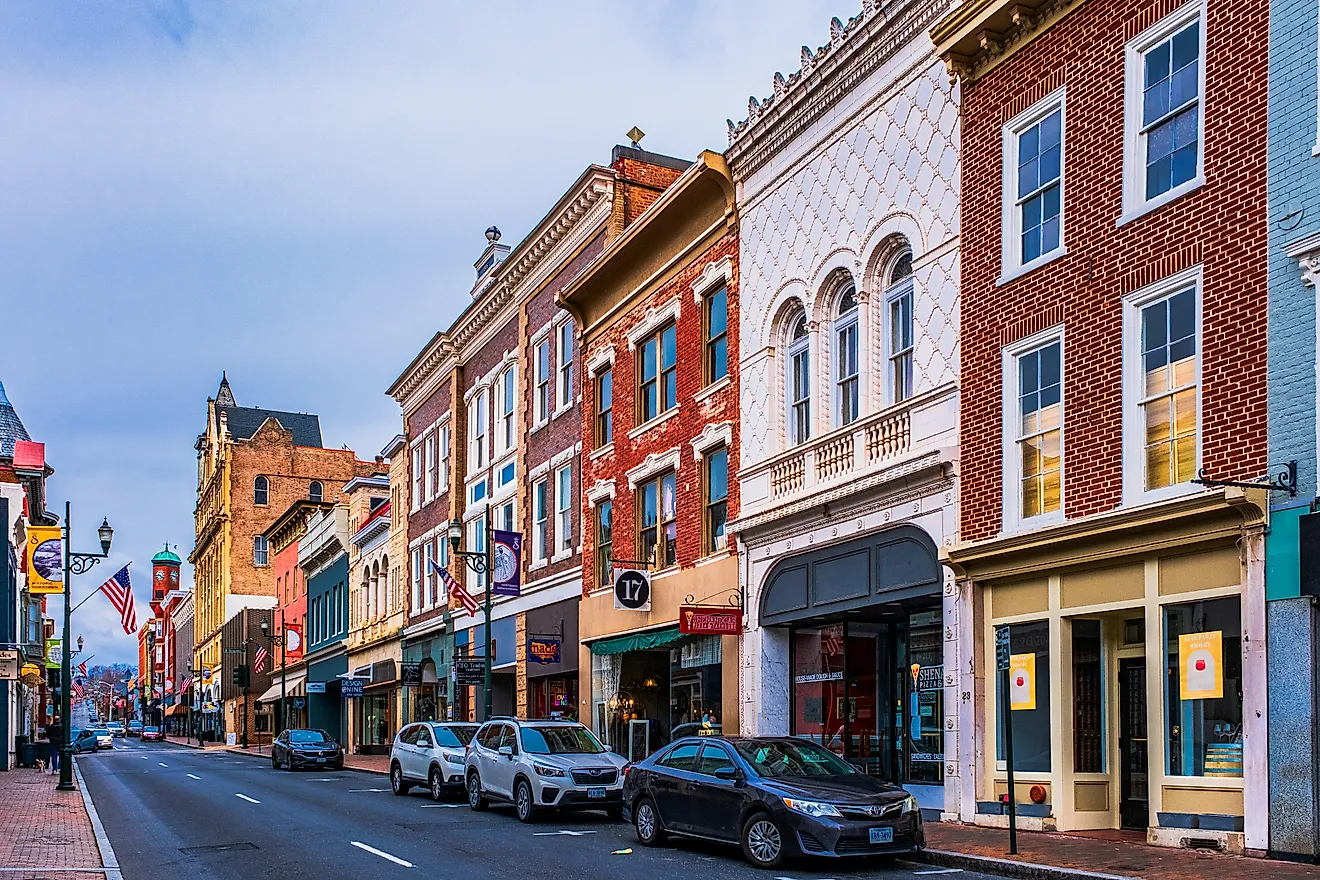
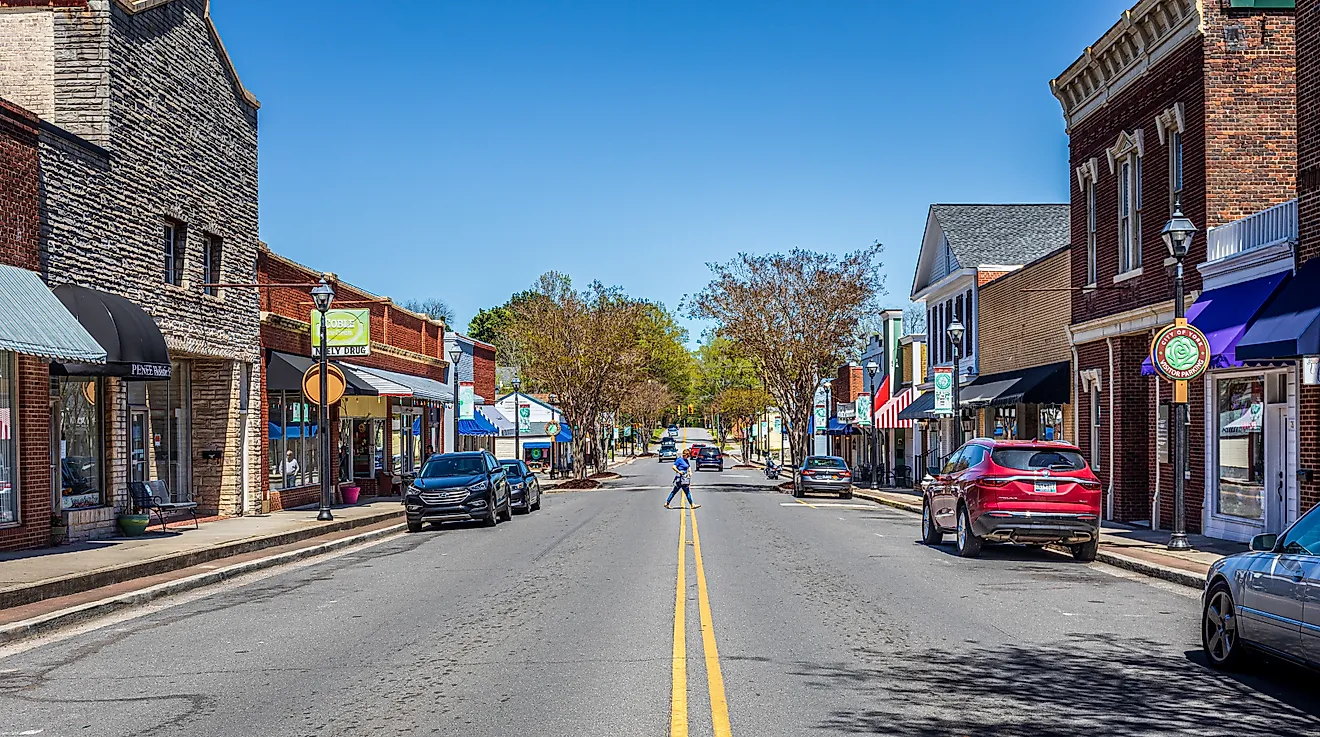
Around 85 miles from Chicago and the gateway to multiple state parks, Ottawa, Illinois, gets its fair share of visitors. Many come for the beautiful green spaces, rivers, and trails around the town, but savvy travellers know there’s just as much to explore in its walkable, vibrant, and historic downtown.
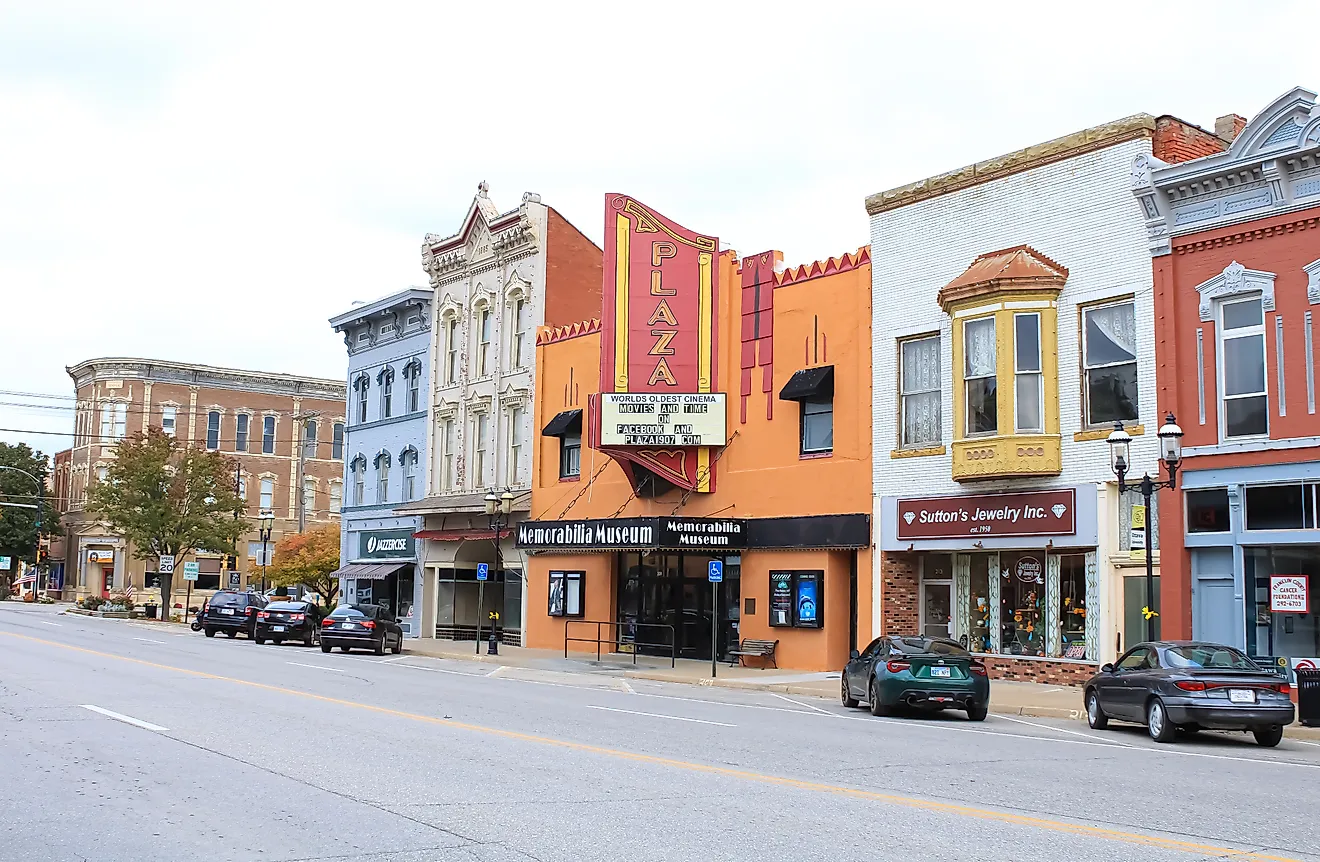
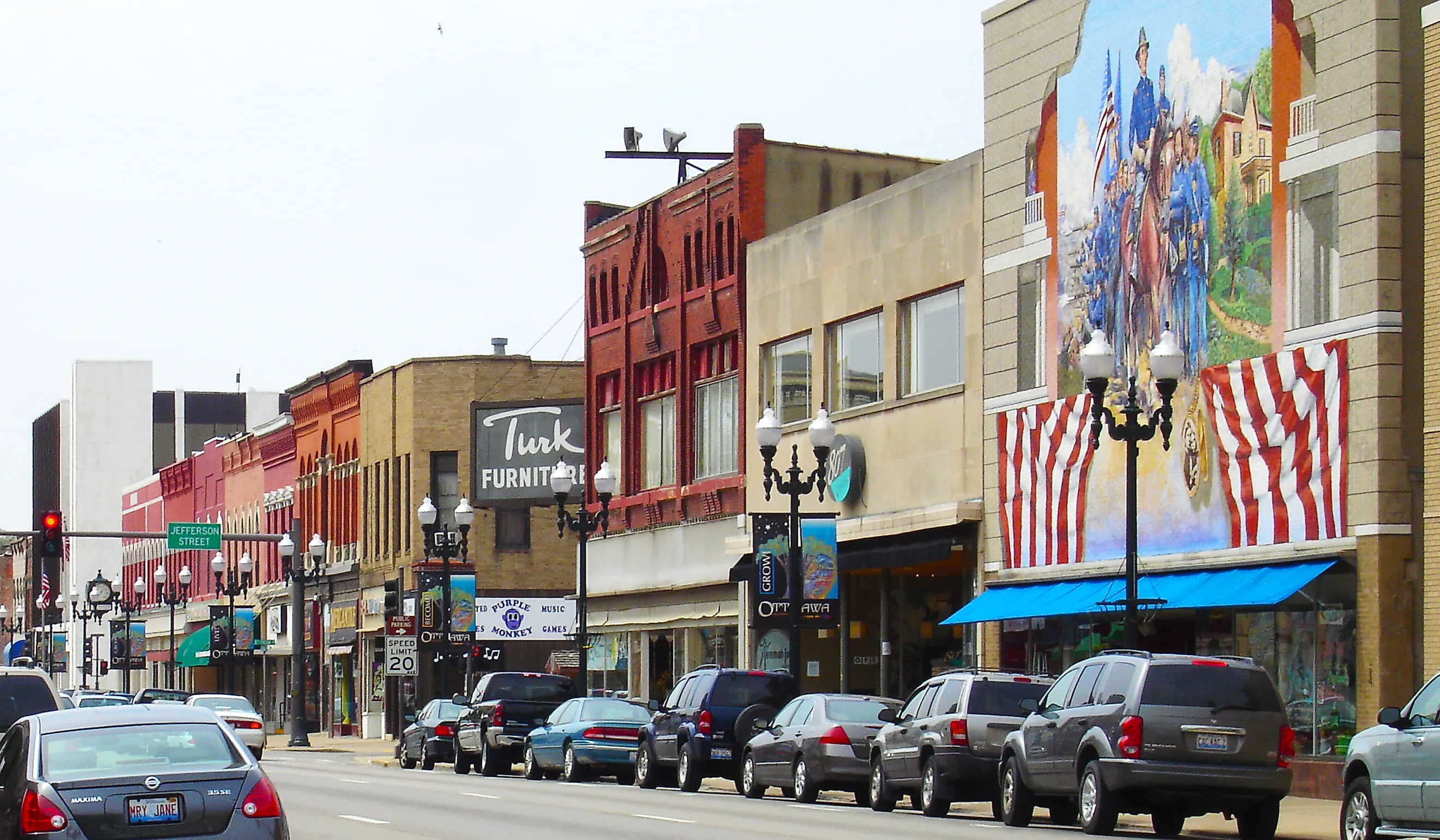
Ottawa’s downtown district has been in continuous use since the 19th century. In 2009, the town began an extensive beautification project, transforming downtown into a pedestrian-friendly area with attractive streetscaping, outdoor art, and revitalised storefronts. These efforts earned it several America in Bloom awards, including ‘Most Dynamic Transformation of a Downtown Streetscape’ and ‘National Championship for Heritage Preservation’.
Take a wander through downtown Ottawa today, and you’ll be walking in the footsteps of 19th-century canal workers, leaders of the Underground Railroad, and even a former President. This is the kind of town where historic homes and legendary landmarks share the streets with family-owned boutiques, cozy cafes, and pleasant parks. Whether you’ve a few hours to spare or a weekend away, Ottawa’s downtown blends old and new to provide the perfect day out. And if you’ve extra time in your schedule, our guide to downtown Ottawa includes a few neighbouring towns that are also worth a visit while you’re in the area.
A Brief History of Ottawa

Ottawa wasn’t always a sleepy river town popular with daytrippers. Located where the Fox and Illinois Rivers meet, the area was populated by Native Americans, including the Cahokia and Kaskaskia people, when it was first visited by European explorers in 1673. The French laid claim to its strategic location by building a fort in 1682, but the town itself wasn’t formally laid out until 1830, when it was given the name Ottawa from a Native American term meaning ‘to trade’.

The completion of the Illinois & Michigan Canal in 1848 was a huge driver of the town’s early growth, bringing industry, employment, and immigrant workers to the new settlement. Ottawa became more prominent in 1858 when the town hosted the famous Lincoln-Douglas debates that would help propel Abraham Lincoln into the White House. A few years later, Ottawa drew more national attention when one of its residents, John Hossack, was convicted for helping a fugitive enslaved person escape via the Underground Railroad.
Today, Ottawa is a popular destination along Illinois’ Heritage Corridor, with many centuries-old landmarks located in the downtown core. There are many historic structures within the town’s downtown historic district, which is listed on the National Register of Historic Places.
Navigating Downtown

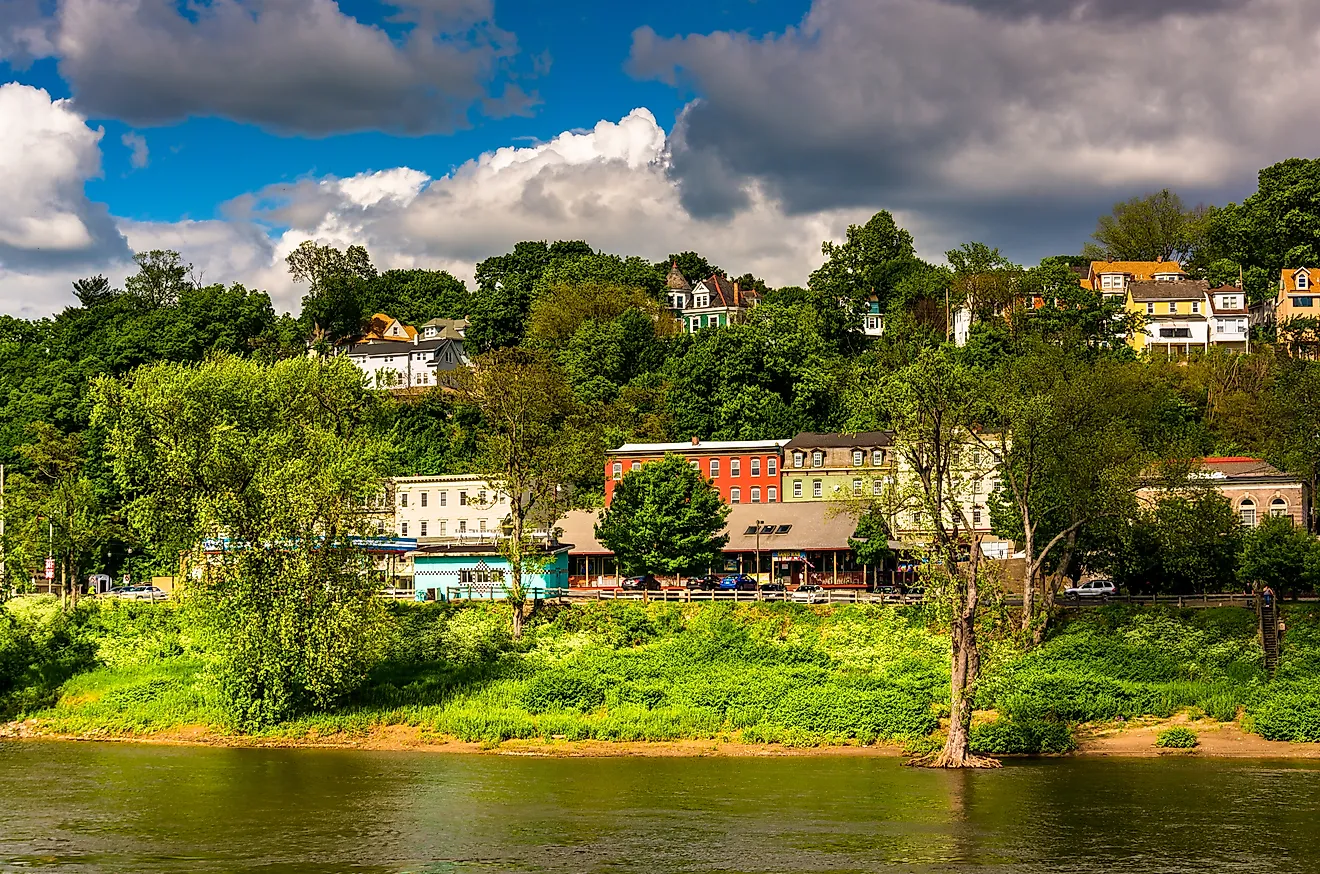
Ottawa straddles the north and south banks of the Illinois River. Covering just a few blocks, the main roads are LaSalle Street and Columbus Street, which run north-south, and Jackson, Madison, and Main Streets, which run east-west.
If you’re new to town, a great place to start is the Ottawa Visitors Center on LaSalle Street. Here you can pick up a copy of Ottawa’s Historic Walking Tour Brochure for a self-guided tour through the streets.
Things to Do Downtown

Take a stroll south of the Visitors Center, onto West Lafayette Street, and you’ll see a grandiose, red mansion overlooking Washington Park. It's hard to miss the Reddick Mansion, a 22-room Italianate home built in the 1850s. Formerly the home of the Reddick family, then Ottawa’s public library, the house is now beautifully restored and open to the public for guided tours.
Continue your wander into the past with a visit to the I&M Canal Toll House on Columbus Street. The only remaining I&M Canal toll house in existence, this quaint structure was built in 1849 and is now a museum that charts the history of the influential waterway.

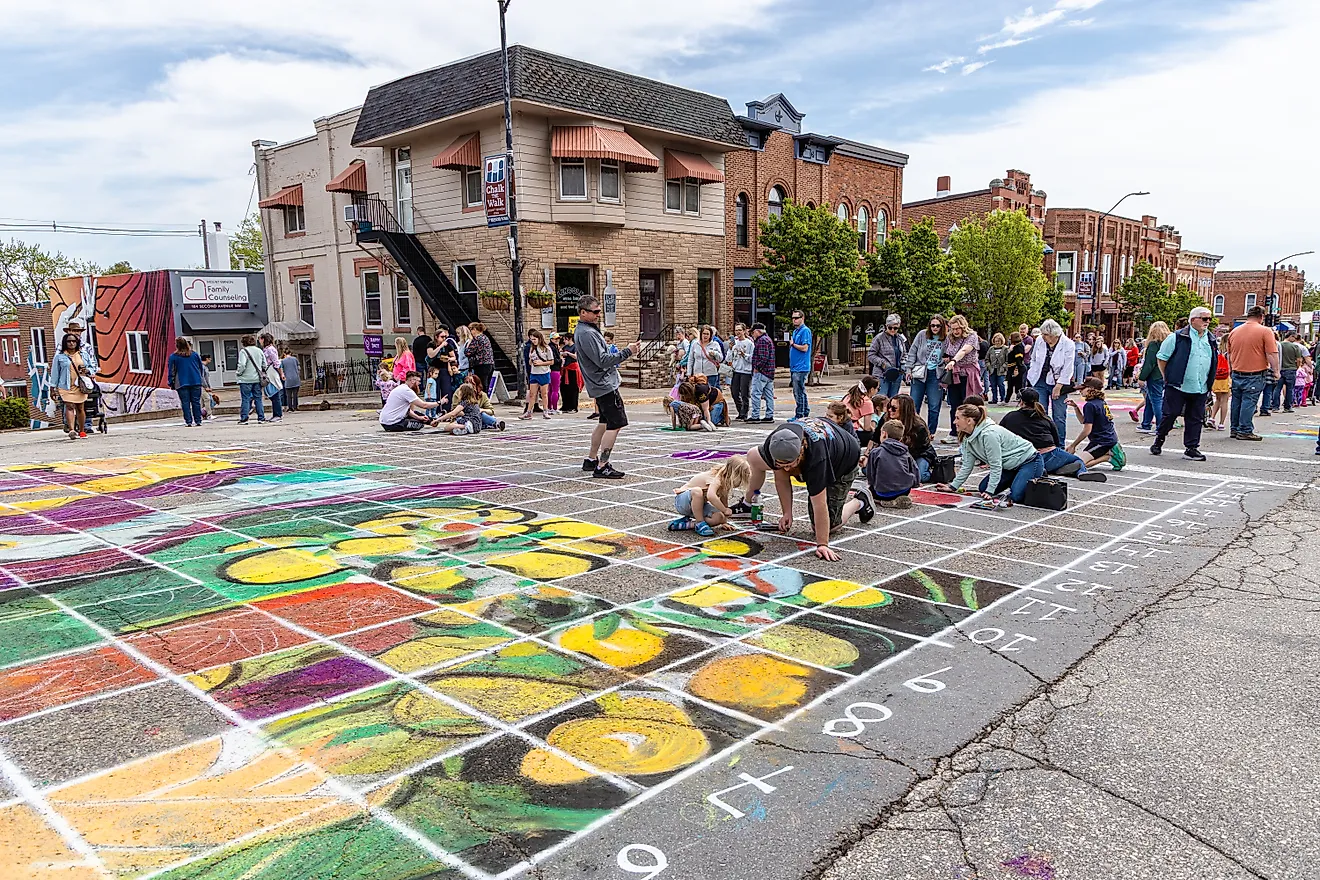
While you’re walking around downtown, you’ll notice some colorful murals. These depict various eras in the town’s history with scenes such as the last Lincoln-Douglas debate, the lives of Ottawa’s early Native American inhabitants, and a tribute to major 19th-century employer Peltier Glass Factory, all enshrined on the town’s walls.
Get more local art at Open Space Art Gallery on Madison Street. Featuring new exhibitions monthly, this contemporary arts space is both a gallery and a community center where local creatives can share their skills and works. Visitors can pick up a souvenir or get crafty themselves with drop-in art classes and workshops.
If you’re still in the mood to shop, drop in to A Mess of Things on LaSalle Street. A scavenger’s paradise, this eclectic store sells pretty much everything from antique homeware to recycled decor and from vintage clothing to one-of-a-kind accessories.
After strolling the sidewalks, fuel up with a delicious treat from The Ottawa Bakery, a small-batch bakery on Court Street that serves freshly-made pastries, cakes, rolls, pies, and buns. For heartier fare, the Beach House is a popular stop with locals and visitors. Seafood is the specialty at this centrally located restaurant on LaSalle Street, where you can munch on the catch of the day or indulge in some oysters.
Downtown Recreation and Green Spaces

The most well-known park in central Ottawa is the historic Washington Park. Wander through its leafy pathways, and you’re keeping company with the country’s 16th president. This historic green space hosted the first Lincoln-Douglas debate in 1858 and commemorates that event with two bronze statues of the debaters. Elsewhere in the park, you’ll find a beautiful fountain, shady trees, and benches perfect for taking a peaceful pause. On Saturdays during the summer, the south side of the park hosts a bustling farmer’s market.

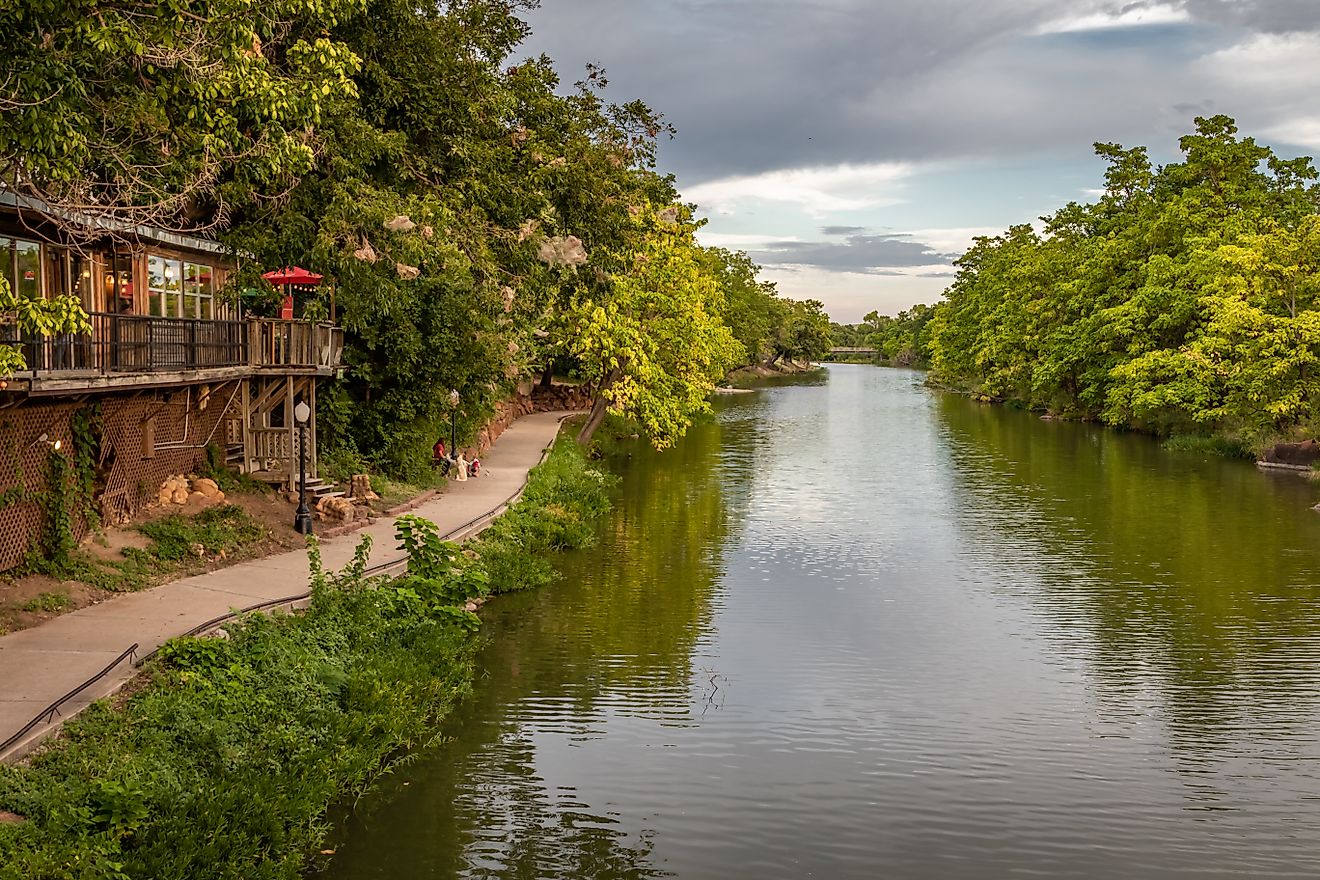
For those wanting a longer walk and some scenic views of the river, you can pick up the trailhead for the Ottawa Riverwalk downtown at the end of E. Jefferson Street. The 0.9-mile walkway follows the Fox River, staying close to the riverbank as it travels northeast and ends where it joins the Illinois & Michigan Canal State Trail. Highlights along the way include views of the Fox River Aqueduct, built in the 1840s to transport canal traffic over the river.
Meeting Ottawa's Neighbors

Why not turn your day in Ottawa into an Illinois road trip and take the time to explore more of Illinois' Heritage Corridor? A short, 20-minute drive west of town is Oglesby. The drive there will take you past Starved Rock State Park, while the town itself offers plenty of attractions, including rafting on the Vermillion River and antiques shopping in boutiques such as Empty Nest Resale.

Head south of Ottawa to visit Pontiac, about an hour’s drive away. Pontiac is home to the Illinois Route 66 Hall of Fame & Museum as well as the Pontiac Oakland Automobile Museum. History-lovers will also enjoy the Livingston County War Museum & Education Center and the unique gold leaf décor exhibits of the Museum of the Gilding Arts.
Go north to stop by Braidwood, 50 minutes east of Ottawa. A popular stop on the Illinois Route 66 Scenic Byway, the town’s iconic attractions include the 50s-themed Polka-Dot-Drive-In and the Braidwood “Zoo,” where visitors are greeted with an array of quirky metal folk art animal sculptures.
Some towns are tough to get to know. Ottawa isn’t. Enjoying a day out in this historic community is easy. There’s no rushing from stop to stop, stressing over transportation, or fighting traffic. Instead, visitors can take their time exploring the sights on foot. Imagine a day spent strolling quiet and inviting streets, relaxing by the river, and visiting historic markers that point to momentous events in the nation’s history. The town’s slogan - ‘the Middle of Everywhere’ - sums it up. Ottawa is a place that’s at the intersection of history and modern-day amenities, with its top attractions in the heart of its walkable downtown.