The Cheapest Beautiful Towns To Live In Florida
Cheap Florida and beautiful Florida usually feel like two separate maps. Beach markets around Naples and down through the Keys carry prices that many buyers cannot reach. However, inland and along the quieter Gulf are towns with historic architecture, freshwater lakes, and busy local storefronts at a fraction of the cost. Florida's typical home value sat around $378,000 in 2026, while several towns here stayed close to or below $200,000. These are not interchangeable bargain suburbs. One developed around a famous endurance racetrack, another around a mural-covered downtown, and another around cattle country and antique dealers. The useful question is not simply where homes cost the least, but where a lower price still comes with real character and plenty to do close by.
Quincy

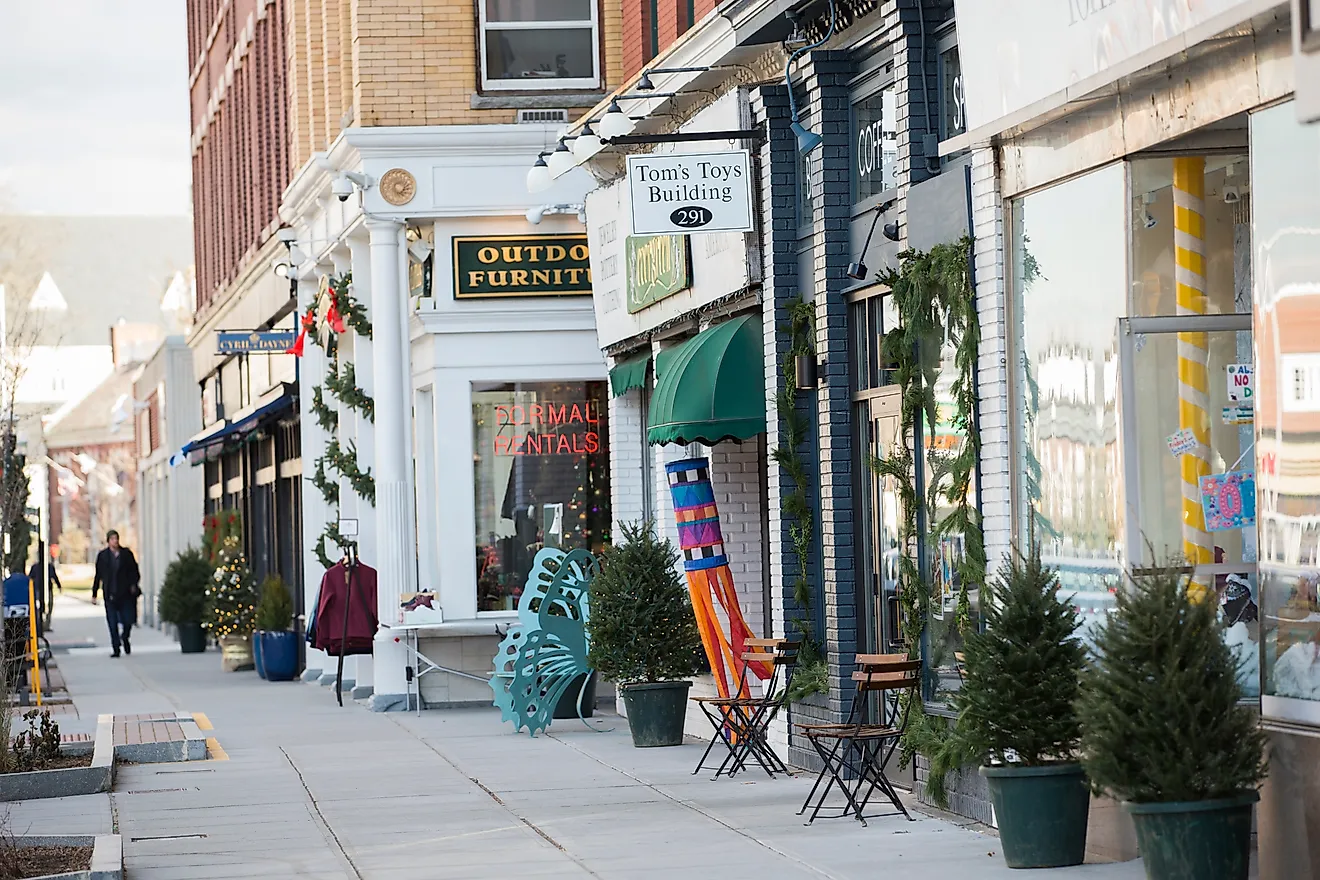
The courthouse square, framed by old brick storefronts, anchors a downtown that looks far more established than local prices suggest. Typical home values ran only about $156,000 in mid-2026, the lowest figure among the towns here. The surrounding Quincy Historic District covers dozens of blocks of early-20th-century commercial buildings, churches, and large shaded homes. On North Madison Street, the Gadsden Arts Center & Museum has a rotating slate of exhibitions inside a restored building, and the owners of Bantam Bay & Company draw a breakfast and lunch crowd near the center. Tallahassee lies roughly 25 miles east, which leaves Florida State University, major hospitals, government offices, and the capital's larger job market within commuting range without the Tallahassee-area price tag.
Marianna

Just outside Marianna, under wooded hills, sits something almost nowhere else in the state can claim: a walk-through limestone cave. At Florida Caverns State Park, visitors walk past stalactites, stalagmites, columns, and flowstone, and trails above ground cross hardwood forest near the Chipola River. Paddlers favor the river for kayaking, especially around the clear springs that feed it. Marianna's typical home value stayed below $200,000 in 2026, even though the town serves as the main commercial center for Jackson County. That means grocery stores, medical care, schools, and everyday services are already close by. Penny's Sweet Beans Coffee is the local stop for coffee, breakfast, sandwiches, and baked goods, and the older residential streets have a layer of character that many similarly priced Florida towns lack.
Palatka

Stand at Riverfront Park in Palatka and the St. Johns looks more like a lake than a river, spreading wide past downtown, lined with docks, fishing spots, and boat ramps. A few minutes inland, Ravine Gardens State Park sits atop steephead ravines that reach roughly 120 feet deep, threaded with trails, footbridges, and large seasonal displays of azaleas. That terrain is unlike much of flat northern Florida. Homes stay inexpensive, with a typical value around $210,000 in mid-2026. The Magnolia, a downtown cafe and brunch spot on St. Johns Avenue, stands among the older commercial buildings near the river. Amtrak service, public river access, and nearby state forests are practical benefits unusual at this price.
Lake Placid

A walk through downtown Lake Placid passes dozens of enormous paintings without entering a single gallery. More than 40 murals cover buildings around town, depicting citrus farming, wildlife, aviation, and local history, and several include small hidden objects, which make the walk into a scavenger hunt. Morty and Edna's Craft Kitchen sits right among the artwork, with one of the town's murals painted across its own wall. More than two dozen freshwater lakes surround the town, so fishing and boating are part of ordinary life rather than a once-a-year outing. Even so, typical home values ran about $239,000 in 2026. Each year residents hold the Caladium Festival, tied to the surrounding farms that grow the vividly colored plants the area is nationally known for.
Sebring

Race week changes the pace of Sebring. Each spring the 12 Hours of Sebring draws international teams and motorsports fans to Sebring International Raceway, giving this small Central Florida city an event with a global following. The rest of the year runs much calmer. Downtown radiates outward from Circle Park, where older storefronts stand a short walk from Lake Jackson. Faded Bistro & Beer Garden sits in a leafy outdoor space off North Ridgewood Drive, and Sebring Soda & Ice Cream Works is another familiar stop around the circle. None of that has pushed housing near Florida's resort-market levels. Typical home values ran around $239,000 in mid-2026. Residents swim, boat, and fish at public access points around Lake Jackson close to the center, and HGTV's Home Town Takeover brought a wave of restoration work to several downtown properties.
Lake Wales

Lake Wales has a landmark visible long before downtown. Bok Tower Gardens rises on one of the highest points of the Lake Wales Ridge, its 205-foot Singing Tower surrounded by landscaped grounds, trails, ponds, and preserved native habitat. A carillonneur plays daily concerts on the tower's 60 bells, and the grounds also include El Retiro, a 1930s Mediterranean-style mansion. Blue Palmetto Cafe, inside the gardens, is the stop for lunches, desserts, coffee, beer, and wine. Housing around Lake Wales has stayed modest by Central Florida standards, with a typical home value near $242,000 in 2026. The town lies between the Orlando and Tampa regions without being pulled into either expensive metro core. Downtown also has the Lake Wales Arts Center, and nearby Spook Hill is the town's famously odd gravity-hill roadside attraction.
Inverness

In Inverness a bicycle covers more ground than a drive across town. The Withlacoochee State Trail runs straight through the community, with more than 40 paved miles of riding through forests, wetlands, and neighboring towns. Near the old depot, Liberty Park and Wallace Brooks Park stretch along Lake Henderson with lawns, waterfront paths, docks, and boardwalks. The restored Valerie Theatre downtown lists films, comedy, concerts, and live performances, and Mama's Kuntry Kafe has long been the local name for big breakfasts and country-style lunches. Inverness stayed relatively inexpensive in 2026, with typical home values around $242,000. Just east of downtown, Lake Henderson connects to the much larger Tsala Apopka lake system, and the Withlacoochee State Forest begins past the developed edge of town.
Arcadia

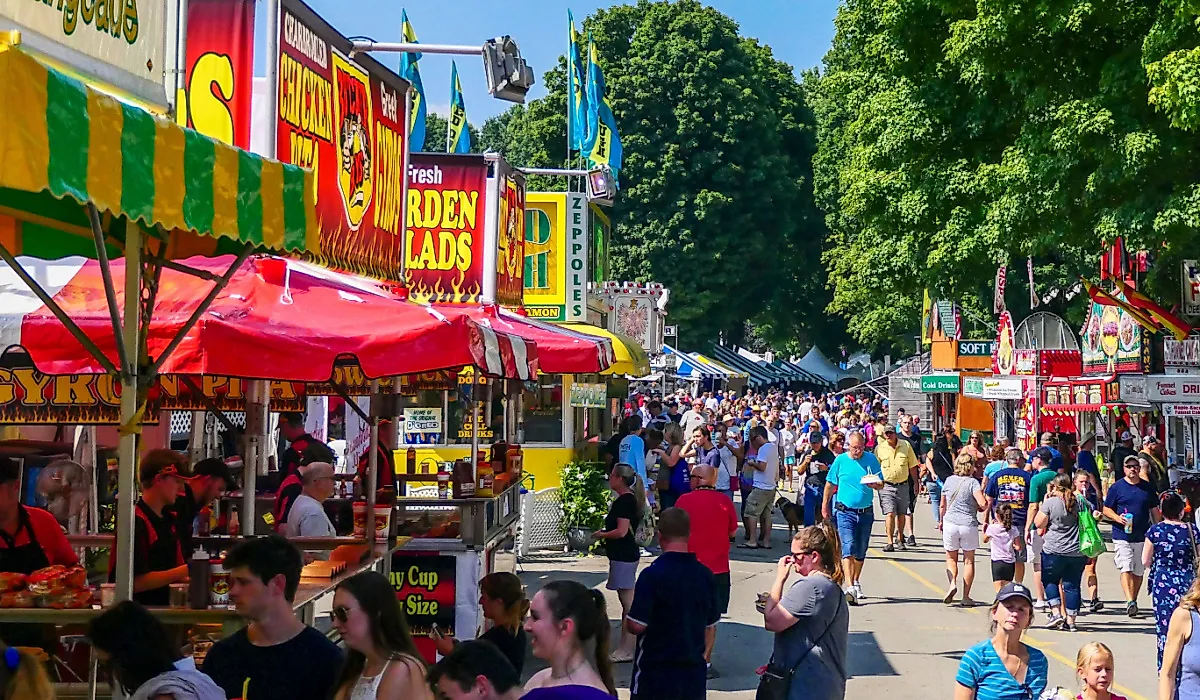
Antique shopping here reaches well past any single store or tidy shopping center. Dealers fill historic storefronts across downtown Arcadia, and the fourth-Saturday antiques fair fills the sidewalks with street vendors selling furniture, glassware, signs, records, jewelry, and old Florida memorabilia. Rose Cafe and Bakery is a breakfast and brunch stop nearby. Come March, the antiques give way to livestock and rodeo culture when the All-Florida Championship Rodeo draws professional competitors to town. Arcadia's inland setting has also kept prices far below towns closer to the Southwest Florida coast, with typical homes valued around $246,000 in 2026. The Peace River runs just outside town, where outfitters put paddlers onto slow, wooded stretches known for fossil hunting; gravel bars along this reach regularly yield fossilized shark teeth and other prehistoric remains.
New Port Richey

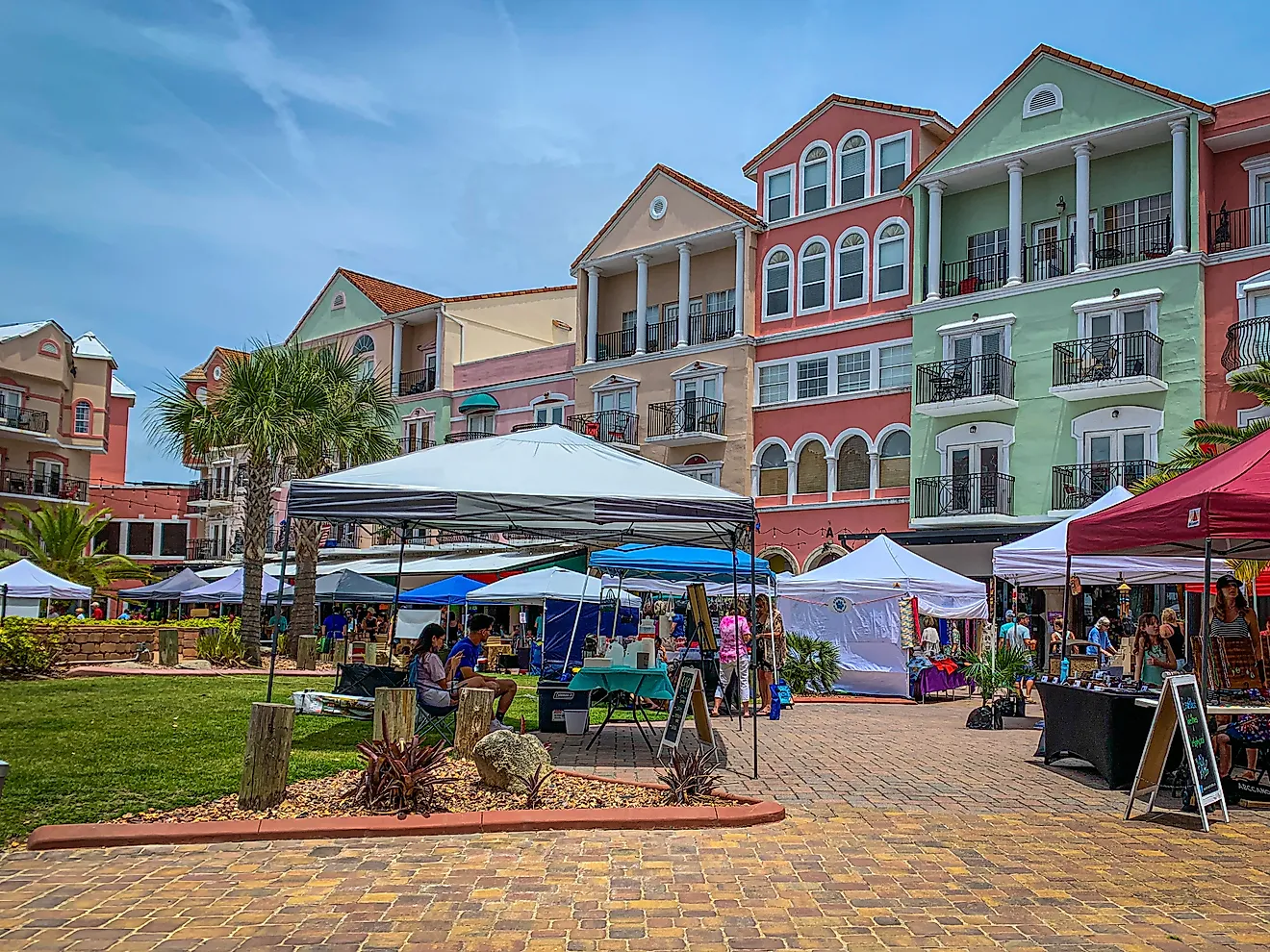
New Port Richey is one of the few places on this list where inexpensive housing still comes with real Gulf Coast access. Typical citywide home values ran around $290,000 in 2026, with some older neighborhoods lower still. Downtown curves along the Cotee River beside Sims Park, where residents use the kayak launch, amphitheater, playground, splash pad, and waterfront paths without leaving the commercial center. The most conspicuous building is The Hacienda, a pink Mediterranean Revival hotel from 1927 that reopened after restoration with guest rooms, a restaurant, and a bar. The historic Richey Suncoast Theatre stands nearby. Drive west to Robert K. Rees Memorial Park for a small Gulf beach and coastal boardwalk; head inland instead to Jay B. Starkey Wilderness Park and its extensive pine-flatwoods trails for hiking and cycling.
Apalachicola

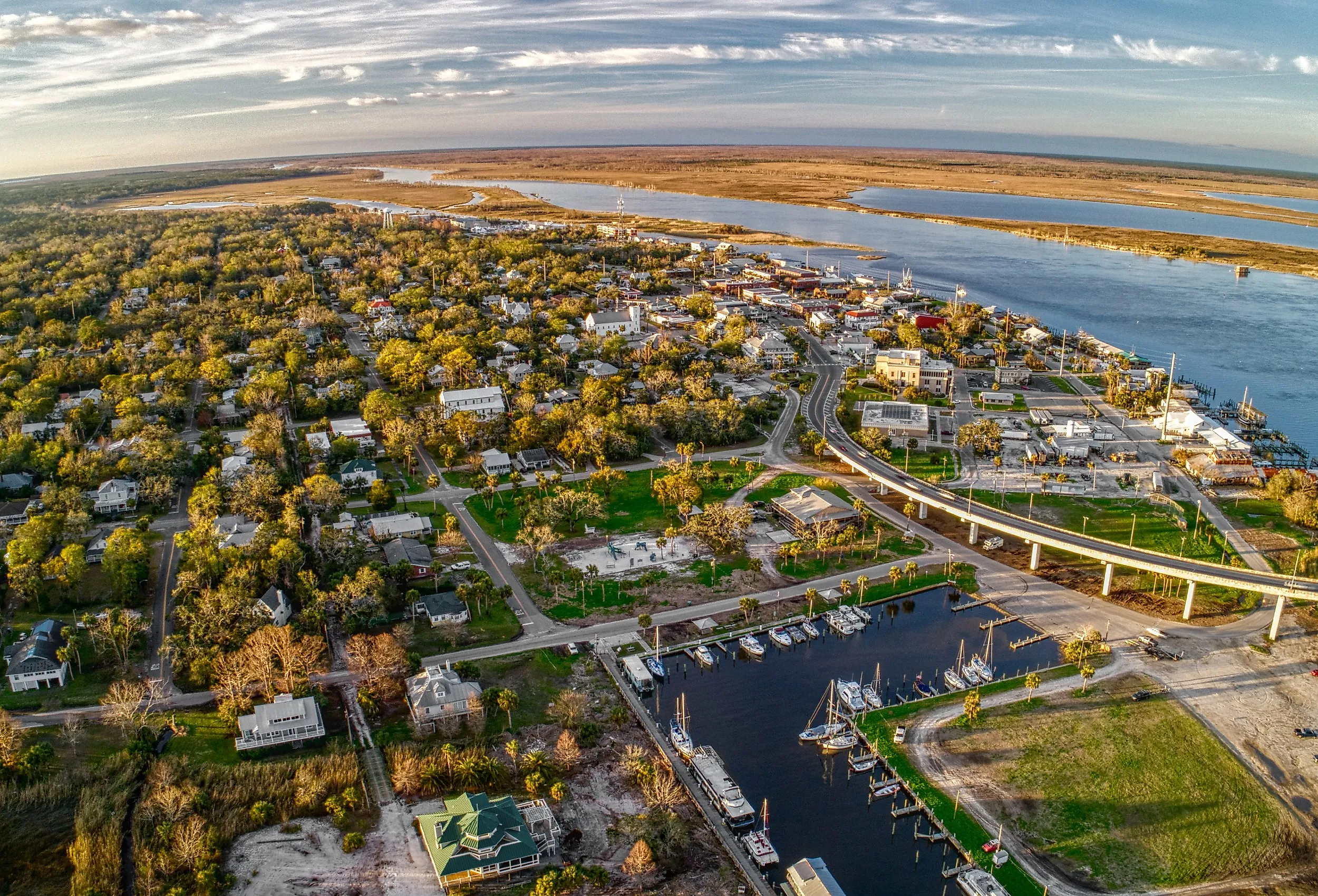
Fishing boats and old warehouses still line parts of Apalachicola's waterfront, which sets it apart at a glance from Florida coastal towns built mainly around condominium towers and marinas. Downtown streets are lined with restored 19th-century buildings, galleries, seafood businesses, and homes shaded by live oaks. Owl Cafe is the spot for seafood, steaks, pasta, and desserts near the river, and the 1907 Gibson Inn remains one of the town's signature landmarks, its broad verandas looking over a central green. Apalachicola is the costliest place here, yet its typical home value of roughly $302,000 still ran well below the statewide figure in 2026. Across Apalachicola Bay, St. George Island has more than 20 miles of sandy shoreline. Back in town, the Florida Seafood Festival draws crowds to the waterfront each November for vendors, music, maritime events, and competitions tied to the region's long fishing history.
Where The Money Actually Goes Further
What ties these towns together is not just a low number on a listing. Quincy and Marianna trade coastal access for county-seat services and Panhandle history; Palatka, Lake Placid, Inverness, and Lake Wales put fresh water and inland recreation at the center of daily life; Sebring and Arcadia lean on events with genuine reach, from endurance racing to championship rodeo; and Apalachicola and New Port Richey prove that a working Gulf shoreline does not have to mean a resort budget. In each case the lower price buys a place with a distinct identity and something specific to do, which is a harder combination to find than cheap square footage alone.