The 7 Friendliest Little Towns In Mississippi
Strike up a conversation with a stranger in Mississippi and you will likely walk away with a dinner recommendation and half a life story. That easy warmth is the through line in the small towns below. In Water Valley, residents describe the downtown as a place where newcomers get folded in fast. In New Albany, locals point visitors toward the riverfront trail and the bakery in the same breath. In Flora, people trade tips on where to eat before you have finished parking. These seven towns are where Mississippi's reputation for hospitality stops being a slogan and turns into a face across a counter.
Water Valley

Water Valley wears its friendliness in its storefronts. Longtime residents talk about a downtown where regulars know each other by name and newcomers get pulled into the conversation within a visit or two. Home to about 3,400 people, this Yalobusha County town grew up around the railroad and now leans into an arts-and-crafts identity that draws makers and shopkeepers who like a slower pace.
The railroad history runs deep here. Casey Jones, the Illinois Central engineer who became an American folk hero after his fatal 1900 run near Vaughan, lived and worked out of Water Valley for much of his career. The Casey Jones Railroad Museum sits in the old depot on Railroad Avenue, a building believed to date to the 1850s, and its collection of artifacts and memorabilia traces both his story and the town's railroad past.

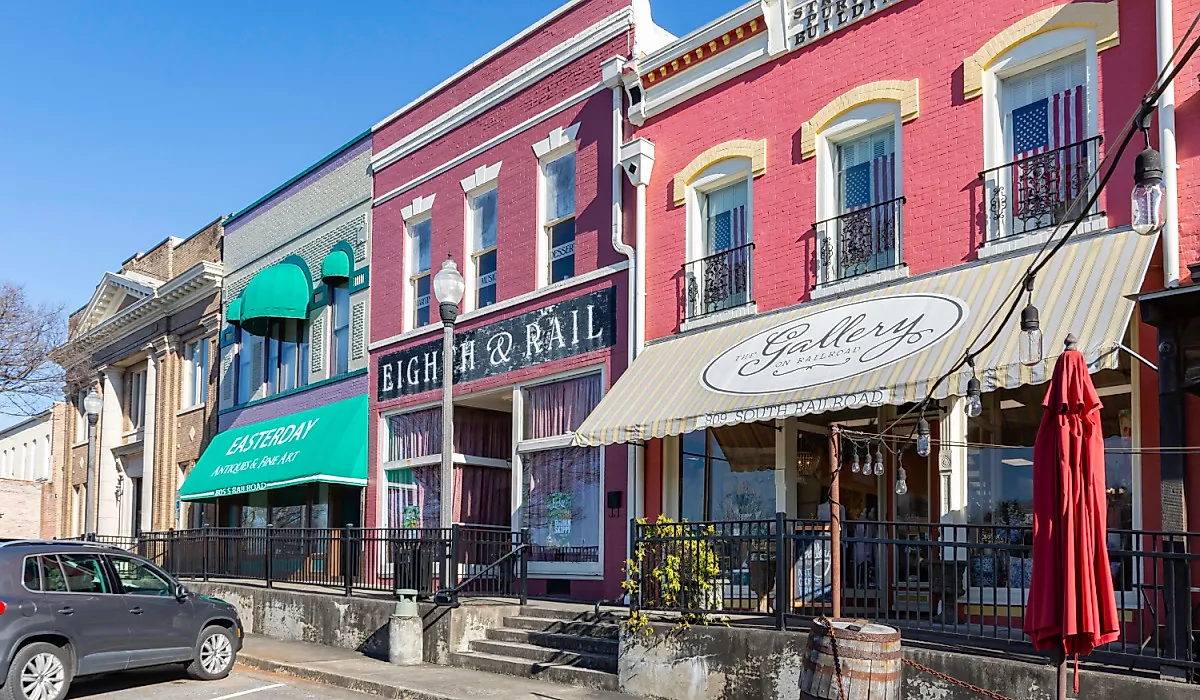
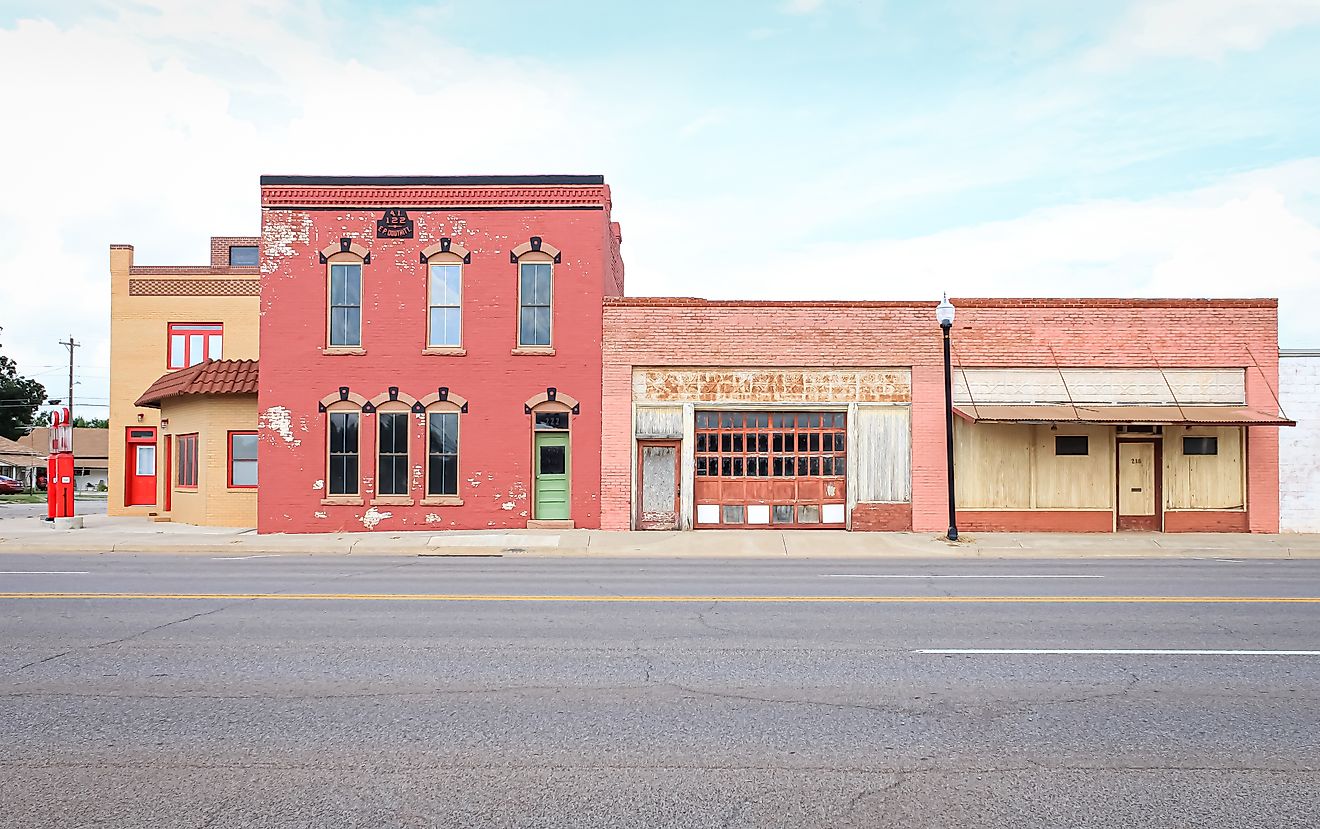
Main Street is lined with 19th-century brick storefronts, street murals, and the kind of businesses that double as gathering spots. B.T.C. Old-Fashioned Grocery is part market, part diner, and part living room, known for Southern comfort plates and homemade desserts. A few doors down, the family-run Hummingbird Bakery turns out fresh pastries and sourdough. Browsers can dig through Mulberry Lane Antiques or stop at Violet Valley Bookstore, which its founder bills as Mississippi's only queer, feminist bookstore.
The creative streak comes out at the town's Art Crawl, when downtown fills with local artists, gallery openings, live music, and pop-up exhibits. It is an easy afternoon for meeting the people who make the town what it is, and the kind of low-key event where a visitor ends up talking with the person who painted the piece on the wall.
Summer brings the Watermelon Carnival, first held in 1931 as a Depression-era morale booster and revived in 1980 after a wartime pause. One of the state's oldest festivals, it packs the calendar with fresh watermelon, seed-spitting contests, live music, and a street dance that turns the whole town out.
New Albany

"The Fair and Friendly City" is a nickname New Albany earns at the ground level, where downtown regulars greet visitors and steer them toward the trail or the bakery without being asked. About 7,700 people live in this Union County seat in northeast Mississippi, best known as the birthplace of William Faulkner, who was born here on September 25, 1897, before his family moved to Oxford.
The Union County Heritage Museum is the place to get your bearings, with exhibits running from local Native American history and early settlers through agriculture, music, and Faulkner himself. A William Faulkner literary garden on the grounds plants the flowers named in his writing alongside the passages that mention them.
Downtown, listed on the National Register of Historic Places, keeps its 19th-century buildings in use. Bankhead Flower Shop and the Calico Mushroom, which sells home goods, art, and antiques, share the street with Sugaree's Bakery, a scratch bakery with a regional following for its cakes and pies. The event calendar is worth a look before a visit, since downtown occasionally hosts live Southern soul and blues shows.

New Albany also sits on the Mississippi Blues Trail, the statewide set of more than 200 markers that trace the people and places behind the music. The marker next to the Union County Heritage Museum honors the songwriting and performing duo Sam Mosley and Bob Johnson.
For time outdoors, the Tallahatchie River runs right through town, and the Tallahatchie Trails follow it for nearly three miles of paved paths along the riverbank. New Albany also anchors the Tanglefoot Trail, a rail-trail that starts here and stretches south across the region.
Port Gibson

Neighbors in Port Gibson tend to look out for one another, which is a large part of what lands this Claiborne County seat on a friendliness list. About 1,300 people live in this quiet town in the state's southwest corner, near the Mississippi River, and the unhurried pace is exactly the appeal.
Mississippi's third-oldest town keeps much of its antebellum fabric intact. Local legend holds that Union General Ulysses S. Grant called it "too beautiful to burn" as he pushed toward Vicksburg in 1863, and whether or not he said it, the phrase became the town motto and the reason so many historic churches and homes still stand.

History anchors most of a visit here. Windsor Ruins is one of Mississippi's most recognizable landmarks, and the massive Greek Revival columns are all that survived after a fire destroyed the Windsor mansion in 1890. A short drive away, the ghost town of Grand Gulf is preserved as the 450-acre Grand Gulf Military State Park, which holds two Civil War forts, a museum, and the A.K. Shaifer House, where the opening shots of the Battle of Port Gibson were fired on May 1, 1863.
Holly Springs

A neighborly ease is the first thing most visitors notice in Holly Springs. This Marshall County town of about 7,000 residents pairs that warmth with a dense stock of antebellum buildings, a strong blues lineage, and Civil War history on nearly every block.
Holly Springs is the birthplace of Ida B. Wells, the journalist and anti-lynching activist who became an early leader in the civil rights movement. The Ida B. Wells-Barnett Museum occupies the home tied to her early life and tells the story of her reporting and activism. It is a sobering, essential stop.
Hillcrest Cemetery, established in 1837, is another landmark, sometimes called the "Little Arlington of the South." The park-like grounds hold the graves of notable local figures, military veterans, and victims of the yellow fever epidemics that swept the region in the 19th century.
The town is a center of Hill Country blues, a style that leans on rhythm and the groove rather than the slide-guitar approach of the Delta. R.L. Burnside and Junior Kimbrough came out of this tradition, playing juke joints and house parties across the surrounding hills, and their families still carry the music forward locally.
Visitors work up an appetite on all that history, and Annie's Home Cooking answers with Southern staples like fried chicken and meatloaf. For time outside, Strawberry Plains Audubon Center covers roughly 3,000 acres of woodland, grassland, and wetland, with hiking trails and year-round birding.
Each spring, the Holly Springs Pilgrimage opens the doors of antebellum mansions, historic churches, and local museums, with brunches served at the historic Montrose estate. It is a friendly, low-pressure way to meet the people who keep the town's history alive.
Beechwood
Not every friendly community shows up on a road map. Beechwood is an unincorporated community just outside Vicksburg in Warren County, home to about 3,500 residents who like its mix of rural quiet and easy access to town. Daily life runs through a handful of local gathering spots, and that small scale is what gives the place its familiar, everybody-knows-everybody feel.
Beechwood Restaurant & Lounge is one of those anchors, a comfort-food spot where familiar faces and a relaxed neighborhood atmosphere do most of the work. For more range, Vicksburg's kitchens a few minutes away turn out the barbecue, catfish, and Southern plates you would expect from a Mississippi river town.
The big draw nearby is Vicksburg National Military Park, which preserves the site of the 47-day Siege of Vicksburg, one of the pivotal campaigns of the Civil War. Established in 1899 and covering about 1,800 acres, the park rewards even non-history buffs with a scenic 16-mile tour road, rolling terrain, monuments, and quiet walking areas.
Downtown Vicksburg is a short drive off, and its historic homes show off the region's antebellum architecture. Anchuca Historic Mansion & Inn, an 1830s Greek Revival mansion whose name comes from a Choctaw word meaning "happy home," survived the Civil War and now runs as a bed-and-breakfast and restaurant.
Along the city's floodwall overlooking the Mississippi River, the Vicksburg Riverfront Murals paint the city's past across the concrete. Walking the mural trail is an easy stroll, and a good spot to watch barges work their way down the river.
Aberdeen

In Aberdeen, a good many neighbors still know each other, and the local businesses along the Tombigbee River double as gathering places. About 4,800 people live in this Monroe County town, which takes visible pride in preserving its history and greets visitors with the slower pace and easy conversation that put it on this list.
The historic district is the best introduction, where preserved homes with antebellum architecture reflect the town's past as a busy 19th-century trading center. The Magnolias of Aberdeen, a Greek Revival mansion built in 1850, offers guided tours through original furnishings and period rooms, with stories about the families who lived there.
Downtown, the Elkin Theatre has been part of Aberdeen since 1937, when it opened as one of the region's finest movie houses. The restored landmark still screens a film on Friday and Saturday nights and hosts the occasional art exhibit, dance recital, or live performance.

Seasonal festivals bring residents and visitors together over live music and Southern food. Each October, the Bukka White Blues Festival honors the town's blues heritage with live performances and a barbecue cook-off named for the Delta bluesman who grew up in the area.
Water shapes the recreation around here. The Tennessee-Tombigbee Waterway and Aberdeen Lake draw anglers after bass and catfish, along with boaters, kayakers, and swimmers. The Blue Bluff Recreation Area adds picnic spots and campsites for anyone wanting to stay the night.
Flora

People in Flora will hand you a restaurant recommendation before you have finished parking. A town of around 2,000 in Madison County, it has a reputation for welcoming, helpful residents who strike up conversation easily, and it is the kind of place travelers stumble into and end up staying longer than planned.
The Mississippi Petrified Forest is Flora's signature stop and one of only two petrified-wood sites east of the Mississippi River. The fossilized logs here are estimated at around 36 million years old, and a short nature trail winds past the massive stone trunks to an on-site museum of geology and fossils.
The area's deeper history sits nearby at the Pocahontas Mounds, between Flora and Pocahontas and listed on the National Register of Historic Places. Built and used between 1000 and 1300 AD by the Plaquemine culture, the earthen platform mound marked a ceremonial and political center, likely topped by a chief's residence, while a second mound served as a burial site.
Downtown Flora has the feel of a classic Main Street finding a second wind. Historic buildings near the railroad tracks now house shops and small eateries where the community turns out. When it comes to where to eat, locals send visitors to Railroad Pizza Company for homemade pizza, Parlor 18 Eighty Six for cocktails, and the Blue Rooster for smash burgers and chicken strips.
Part of the appeal is simply getting there. The roads around Flora wind through pine forests, farmland, and rolling central Mississippi countryside, well suited to an unhurried drive with a few stops for photos. Come fall, the region's farming roots take center stage at the annual Harvest Fest, held at the Mississippi Agriculture and Forestry Museum down the road in Jackson, with hands-on demonstrations and historic exhibits.
Meet the People Behind Mississippi's Welcome
What ties these seven towns together is not a single landmark or festival but the way residents treat a stranger. Water Valley and Holly Springs share a blues lineage and a downtown built for lingering; Port Gibson and Aberdeen trade on antebellum history and river frontage; Flora and New Albany run on the kind of unprompted directions that make a visitor feel expected. The buildings and battlefields give each town its shape, but the conversations are what bring people back.