5 Wild Animal Hotspots in Oklahoma
In Oklahoma, you can stand on a tallgrass prairie with more than 2,000 free-roaming bison, then drive a few hours to salt flats that host hundreds of thousands of migrating shorebirds. That range is accessible via marked trails, scenic driving loops, and federally managed public refuges. The five wildlife hotspots below were selected for habitat scale, species concentration, and consistent viewing conditions across seasons, from elk in the Wichita Mountains to cranes in the Salt Plains.
Beavers Bend State Park (Broken Bow)

The state park hosts rich birdlife and critters of all sizes, from white-tailed deer to trout, along hiking trails and the waterside. It is a lush habitat to encounter wildlife at the junction of the Mountain Fork River and Broken Bow Lake, forming Beavers Bend in the state's southeast corner. Along the forested trails, visitors may encounter red-shouldered hawks, owls, chipmunks, and raccoons. These trails wind through hardwoods and tall pines with ridge views.

Accessible via 259A, the Skyline Trail starts roadside. Along the challenging 9-mile out-and-back, travelers can spy on scurrying squirrels, elusive woodpeckers, and the vivid plumage of the cardinals, one of North America's most prized songbirds, present year-round. The sounds and colors of nature, with the fresh pine scent, create an all-sensory experience. The scenic shores offer opportunities to observe beavers, river otters, and bald eagles, often seen soaring over the lake and river in winter.
Salt Plains National Wildlife Refuge (Jet)

The refuge (est. 1930) on over 32,000 acres along the Great Salt Plains Lake is on the migratory path for up to 400,000 shorebirds during peak spring and fall migrations, with a record number of geese, averaging almost 50,000, annually. As nesting sites for the endangered interior least tern, threatened western snowy plover, and American avocet, many species build nests of twigs, grasses, and other materials directly on the 12,000-acre salt flats. In June through August, the young forage the flats within hours of hatching.

Free to enter and explore with your pup on leash, falltime visitors can observe the endangered whooping cranes foraging in the wheat fields alone or among sandhill cranes. This major rest area for geese, ducks, and cranes is also the only place in the world where you can dig for hourglass selenite crystals. The confluence of rivers and streams is critical for the diverse wildlife in the adjacent wetlands and prairies, including white-tailed deer, eastern fox squirrels, American badgers, muskrats, and porcupines.
Joseph H. Williams Tallgrass Prairie Preserve (Pawhuska)

Tallgrass Prairie Preserve encompasses one of North America's largest remaining tallgrass prairies on nearly 40,000 acres in northern Oklahoma. Established to protect and restore this fragile ecosystem, the preserve hosts rich wildlife across wide-open prairie and patches of cross-timbers, featuring over 2,200 bison, white-tailed deer, beavers, armadillos, and the greater prairie chicken. Travelers can encounter 80 different mammals, such as badgers, coyotes, bobcats, and woodchucks.

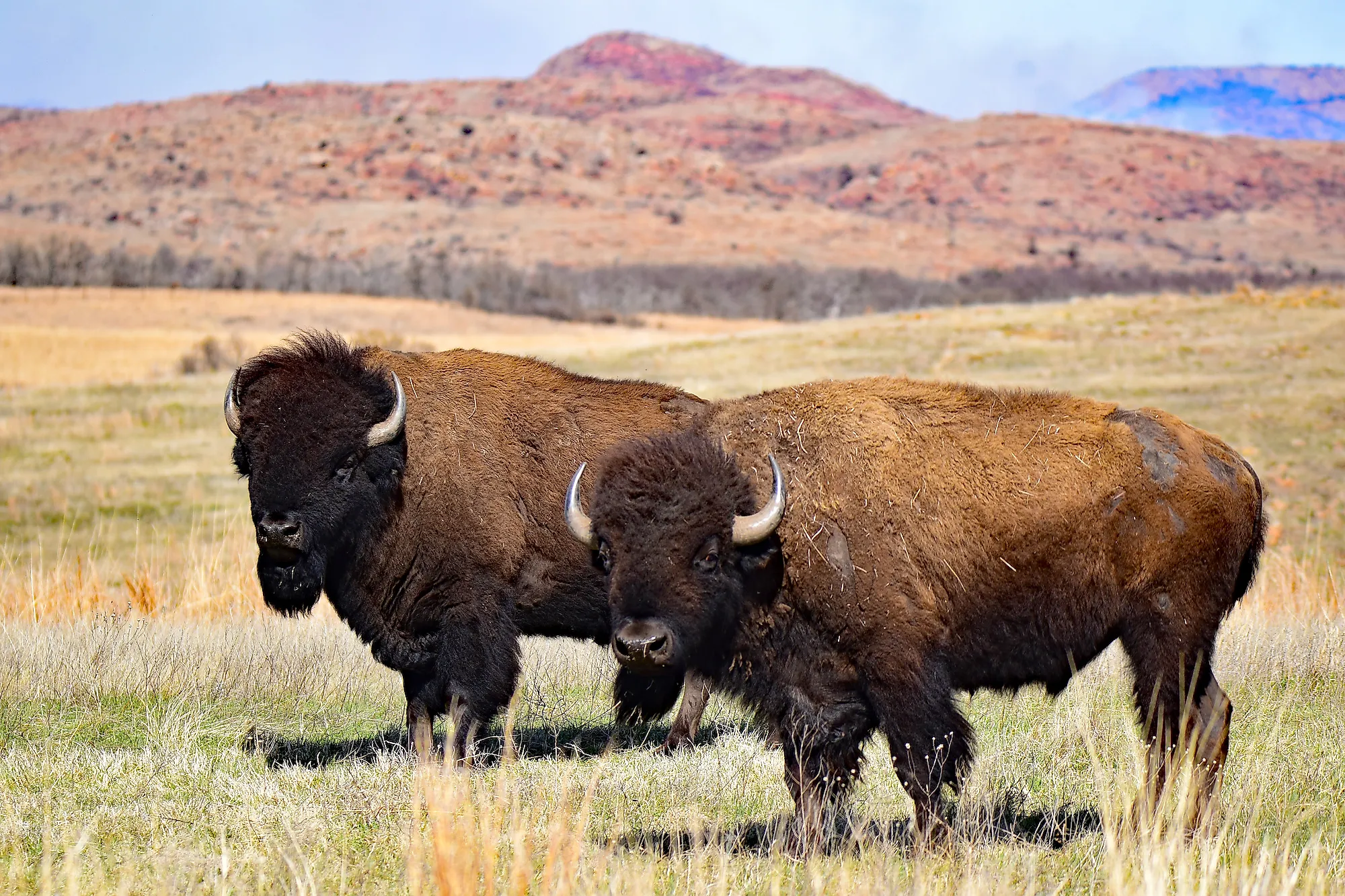
The preserve conducts an annual roundup of one of the nation's largest bison populations. The herd adapts seasonally to changes in climate and forage conditions. The 15-mile bison driving loop offers scenic turnouts to see them roaming against the vast expanse, including frolicking calves in late May through early June. There are over 300 birds and over 700 plant species, with lush green grasses and blooming wildflowers. Falltime pairs fiery foliage with wildlife actively enjoying the cooler days.
Wichita Mountains Wildlife Refuge (Cache)

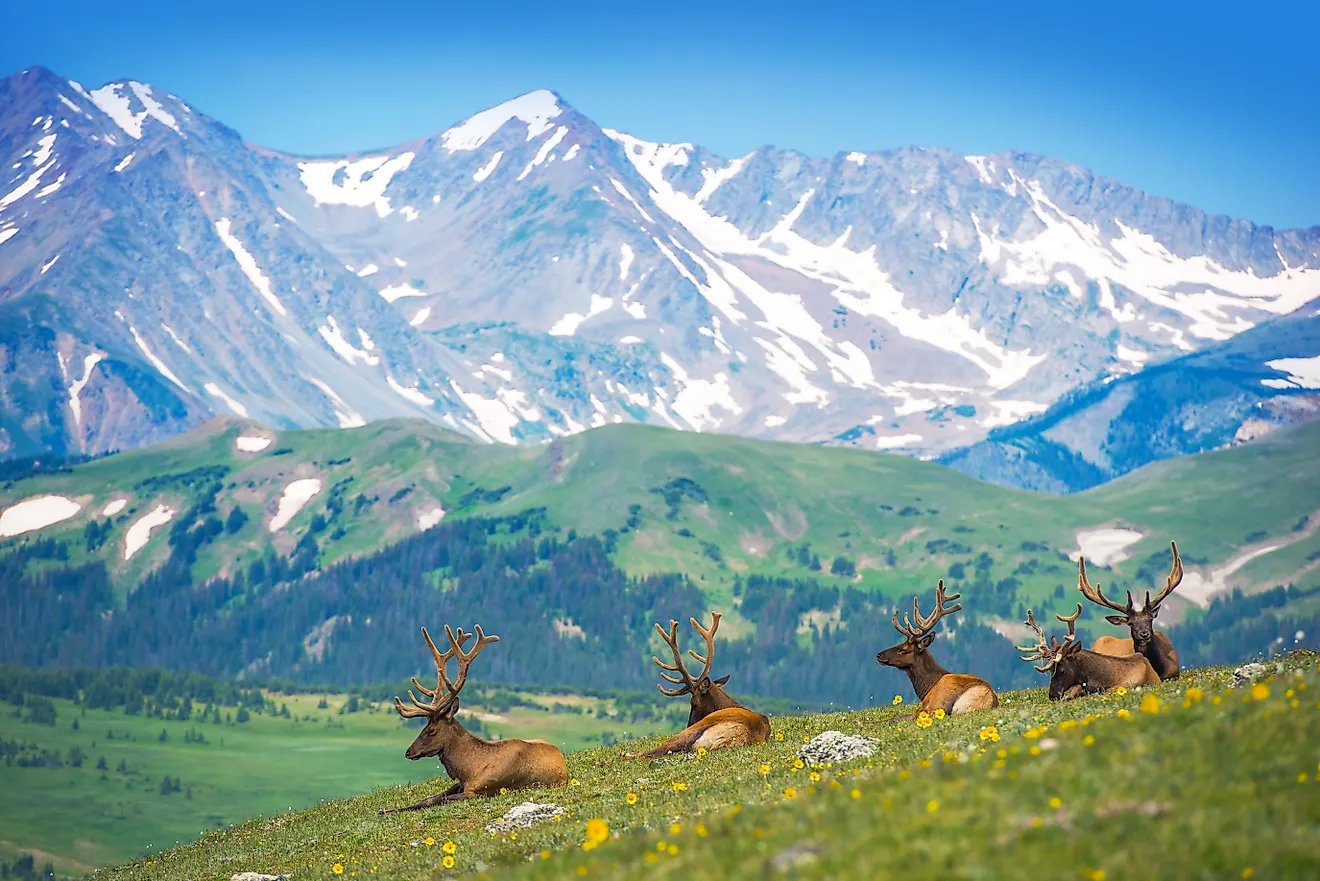
Established in 1901, the Wichita Mountains Wildlife Refuge features free-range American bison, a 650-head herd, alongside Texas longhorn cattle, Rocky Mountain elk, and white-tailed deer. The Holy City area and Mount Scott are prime for viewing elk at dawn and dusk, the most active times for all wildlife. Other animals along the road to the Holy City include river otters, burrowing owls, armadillos, and prairie dogs. There is no entry fee for recreation and bookable camping online.

Surrounded by granite peaks, the refuge supports birdwatching, fishing, and nature photography across some 60,000 acres of mixed-grass prairie, freshwater lakes, and streams. Shaped by elements and time, the ancient granite peaks frame the scenic Mount Scott Road with grazing bison along the panoramic drive and roaming the fields near the entrance. Collared lizards with bright breeding colors can be spotted along Little Baldy Trail sunning on the rocky terrain in May and June.
Woolaroc Museum & Wildlife Preserve (Bartlesville)

Comprising 3,700 acres in the Osage Hills, this more intimate refuge for the 125 bison features a variety of native and exotic animals alongside Woolaroc's descendants of the once-endangered American buffalo. Under an hour north of Tulsa, visitors can experience a combination of regional history and more than 30 wildlife species, with free-roaming bison, elk, and longhorn cattle often visible from the vehicle. The 30-45-minute open-air drive winds through open pastures and wooded areas.
Open to all general admission payers ($19 for adults; kids 12 & under are free), it is best taken at sunrise or sunset, the best light for capturing wildlife. Exotic encounters include zebras, water buffalo, llamas, and ostriches, cautiously watching from afar. In addition to Woolaroc's wildlife, there is a rustic lodge, a petting zoo, and two main scenic moderate hiking trails. The museum dives into the significance of these species with Western art, artifacts, and exhibits.
Planning a Wildlife-Focused Visit
The state, spanning the Great Plains and home to over 200 lakes, four mountain ranges, and 38 state parks, offers a variety of ecosystems. Once you're ready to step into the wild, some tips and seasonal guidance can help make your journey more rewarding. Spring and fall, Woolaroc's calving seasons, are generally the most comfortable for both humans and animals. In sync with cooler temperatures, wildlife is also most active at dusk and dawn.
For colorful foliage, visit Wichita during the autumn rut when the elk call out into the evening to attract cows and challenge rivals. The crystal-digging season in the Salt Plains runs from April to mid-October, featuring unique, chocolate-colored hourglass selenite crystals. Summer temperatures in Oklahoma’s prairies can be intense, particularly at midday. Plan to visit Tallgrass in mid-to-late spring or early fall for the greatest scope of wildlife, wildflowers, or foliage.