9 Best Places To Live In Oregon In 2026
Oregon's reputation as an attractive place to live in the Pacific Northwest has grown steadily in recent years, resulting in a stable, diverse economy and a robust housing market. The state draws skilled workers from the technology and healthcare sectors, thanks to major employers like Nike and Intel, and it fosters a thriving hospitality and tourism industry. In addition to the economic perks, it boasts an average home value just shy of $500,000, well below that of its neighboring states. In Bend, Mount Bachelor puts one of the largest ski areas in the country at your doorstep, while Hillsboro earns its nickname, Silicon Forest, with several top-tier tech companies and employers choosing the city for their west-coast home base. Corvallis, meanwhile, has a focus on academics, led by Oregon State University and one of the highest-performing school districts in the state. Our list of the best places to live in Oregon for 2026 features nine communities across a wide range of price points, lifestyles, and economic profiles, so you can make the most informed decision possible about where to put down roots.
Portland

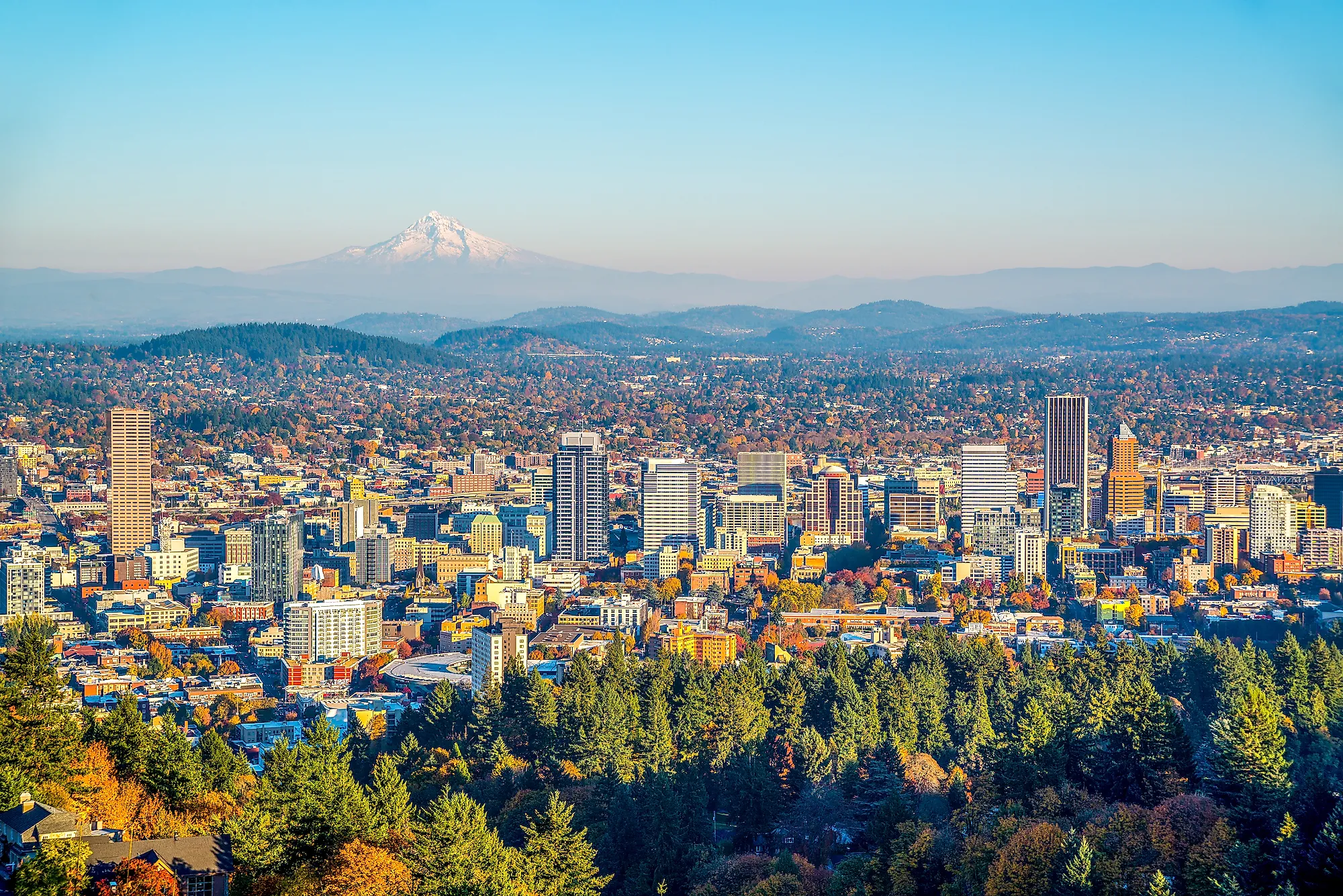
The greater Portland metro area is home to nearly 2.5 million people and is Oregon's largest city. Its major employers include Nike and Intel, which maintain significant operations in the metro area, and Oregon's technology sector draws investment and skilled workers with a dense startup ecosystem and large corporations setting up offices. The lack of sales tax in the state further sweetens the pot, making everyday spending a breeze and allowing residents to stretch their earnings further.
Portland is highly connected, with the MAX light rail service spanning the metro area and nearly 400 miles of dedicated bikeways throughout the city. It consistently ranks among the most bike-friendly cities in the US, so driving a car is largely optional if you live downtown. For entertainment and culture, the Pearl District's density of restaurants, galleries, and performing arts venues is unmatched elsewhere in Oregon and continues to be a huge draw for both tourists and residents alike.
Salem

Salem is the capital of Oregon and, with a population of about 170,000, it is the state's second-largest city. Located in the Willamette Valley along the Willamette River, it sits approximately 50 miles south of Portland. Salem has historically been overlooked relative to its neighbors, but its combination of government-sector employment stability, relatively affordable housing, and proximity to Willamette Valley wine country has driven consistent population growth.
Bush's Pasture Park, a 90-acre urban park, is Salem's crown jewel. It includes the Bush House Museum, a rose garden, and extensive nature trails. The Willamette Valley wine country, meanwhile, begins just outside the city and is a world-renowned destination for Pinot Noir lovers. Families will appreciate up-and-coming neighborhoods like Northgate and Highland, which offer strong real-estate value, good schools, and friendly communities.
The state government is Salem's largest and most stable employer. Willamette University and Chemeketa Community College anchor the education sector, while the Salem Health network provides quality care and jobs that are in high demand. Salem's well-rounded economy has shown resilience and stability through the years due to the variety of public-sector employment across healthcare, education, and administration, and this makes it an excellent choice for those looking to settle down in Oregon.
Corvallis

Home to Oregon State University, Corvallis is defined by the school's 420-acre main campus, and its college-town vibes could appeal to many young professionals or remote workers looking for a vibrant community to call home. While Corvallis has a median home value that falls slightly above the city of Portland and the state on average, it remains highly livable. The city's walkability and extensive bike infrastructure, including dedicated lanes and a network of multi-use paths, make no-car living practical.
For young families, the Corvallis public school system is ranked among the best in the state and includes 9 schools ranging from traditional public models to charter options. Corvallis's largest employers include Samaritan Health Services, Hewlett-Packard, and, of course, Oregon State University. For outdoor recreation, the Adair Village trail system and the McDonald-Dunn Research Forest offer hiking just a short drive out of town.
Eugene

With the University of Oregon right in town, more than 250 miles of bike paths, and a highly affordable cost of living, Eugene and its 180,000 residents have got a lot going for them. The University of Oregon employs thousands of people in administration, research, and education, which in turn drives the city's substantial hospitality and retail industries. Eugene also has a growing outdoor recreation economy anchored by companies like Nike, whose origins at the university resonate to this very day.
The city's daily life is shaped by its cycling culture and commitment to sustainability. The Saturday Market is the longest-running weekly open-air crafts market in the United States, and it fills the Park Blocks every weekend from April through November with locally-sourced vendors offering a rich array of food, drinks, and crafts. The world-renowned Hult Center for the Performing Arts gives the city a rich cultural flair, hosting the Eugene Symphony, the Eugene Opera, and a full Broadway touring series each season. For outdoorsy types, the nearby McKenzie River is one of Oregon's most celebrated fly fishing rivers, drawing anglers from across the country.
Hillsboro

Hillsboro is a small but mighty city roughly 20 miles west of Portland. Dubbed "Silicon Forest," it has become one of the primary technology and manufacturing centers in the Pacific Northwest, which has shaped its real estate market, school system, and community character. Intel is Hillsboro's dominant employer, operating its largest North American campus in the city. Other major technology employers, including Genentech, Thermo Fisher Scientific, Oracle, and Salesforce, provide meaningful employment diversification.
But Hillsboro isn't just about its booming technology sector. Nature lovers will appreciate the Jackson Bottom Wetlands Preserve, a protected marshland on the Tualatin River. Known as one of the best birdwatching sites in the state, enthusiasts could find bald eagles, great blue herons, and more than 150 species along its trails. Rood Bridge Park, where Rock Creek meets the river, offers even more opportunities for adventure with a kayak launch and a large community garden.
Lake Oswego

Lake Oswego is built around its namesake lake and the Willamette River, which forms the city's northern boundary. It's an affluent suburb of roughly 40,000 people, located just south of Portland. Living in Lake Oswego, you'll find a tight-knit community with a lot of residential stability. The town's housing market skews toward the luxurious, with the average home value in the high six-figures. This premium price is reflected in the community, which is home to one of the state's highest concentrations of high-income earners. For families where the quality of education is a top priority, Lake Oswego's school districts are among the best-performing in Oregon.
The famous Gallery Without Walls, a permanent, self-guided outdoor sculpture walk through downtown, is one of its main attractions. There's also the annual Festival of the Arts, renowned across the Pacific Northwest, bringing together artists from around the region for a weekend of live music and outdoor exhibits. The Oswego Hills Vineyard, meanwhile, offers weekend tastings and sweeping views of the surrounding valley, making it the perfect date-night spot. And you can expect tons of water-based recreation as well, with Oswego Lake itself attracting thousands of visitors in the summer months for boating, swimming, and sunbathing.
Silverton

Known as "The Garden City," Silverton has maintained a tight-knit, walkable downtown character while experiencing steady population growth in recent years. Here, daily strolls might include the dozens of murals that decorate the town and share pieces of its history, and the Oregon Garden, a botanical garden next to Gordon House, the only Frank Lloyd Wright-designed house in the Pacific Northwest.
The town also hosts the Homer Davenport Days Festival each summer, which combines a parade, a classic car show, food trucks, live music, and the Davenport Races, a derby where participants build and race cars made from couches through downtown. The Silverton housing market reflects its desirability among those seeking proximity to nature, good schools, and a genuine community character, with a cost of living that falls slightly above the state average. The Silver Falls school district, meanwhile, is one of the top-performing districts in the state.
Bend

Bend sits on the eastern edge of the Cascades in Deschutes County, bordered by the Deschutes National Forest. What began as a timber town has evolved into a city of over 100,000 people with lots of curb appeal. As one of the sunnier spots in a state known for its grey, rainy days, Bend also attracts nature lovers who appreciate spots like Phil's Trail, which offers a mountain biking destination that will challenge even the most experienced rider. For hikers, the Deschutes River Trail runs through the city itself and is perfect for a quiet afternoon stroll or a picnic on the banks.
The lifestyle-to-cost tradeoff is another plus that keeps Bend in the top tier of Oregon destinations. The St. Charles Medical Center is the city's largest employer, with the tourism sector doing a lot of heavy lifting as well. Mount Bachelor, the biggest ski area in the state and one of the largest in the country, draws thousands of visitors a year and also supports significant year-round hospitality employment. The craft brewing industry, which gave Bend a national reputation with over 30 breweries in or near the city, sustains both restaurant and retail jobs.
Medford

Medford is the heart of the Rogue Valley and one of the sunniest cities in Oregon. Summers are warm and dry, while mild winters attract those who have grown weary of the Willamette Valley's cloudy skies. With approximately 85,000 residents and a cost of living below the state average, Medford is an intriguing proposition for many who are looking for small-town living with plenty of access to amenities.
Downtown Medford champions the arts with the Craterian Theatre at the Collier Center for the Performing Arts and the Rogue Gallery and Art Center within a short walk of each other. If you're a fan of blue cheese, you'll become a regular at the Rogue Creamery, home to several award-winning cheeses waiting for you to sample. The Rogue Valley Growers and Crafters Market runs on Thursdays from May through November and is one of the largest producer-only farmers' markets in the state.
At Home in Oregon
These 9 Oregon communities represent some of the best places to live in 2026. With a little something for everyone, Oregon rewards those who seek stability, gainful employment, and outdoor adventure. With towns like Medford and Salem providing accessible entry points for first-time homeowners, Eugene and Corvallis known for their education and culture, Hillsboro featuring a rich job market, and Portland delivering everything you’d expect from a major metropolis, Oregon living is diverse and exciting. Whatever your priorities, Oregon welcomes you with open arms.