9 Best Lakeside Towns in The Ozarks
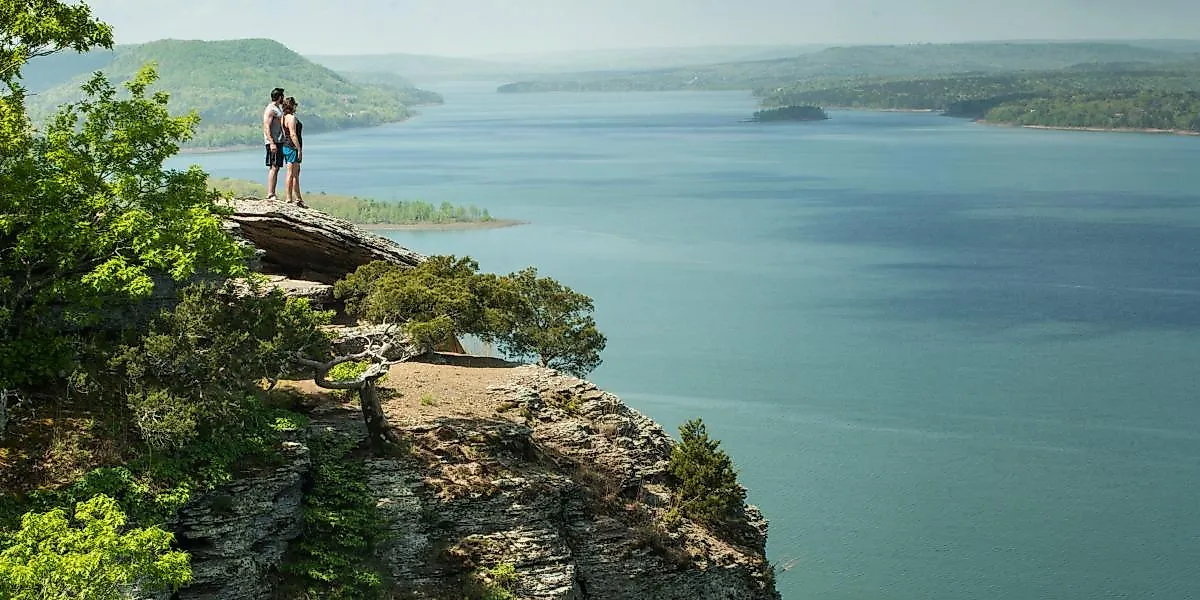
Across the Ozarks, reservoirs such as Table Rock Lake and Lake of the Ozarks reshaped valleys along the White and Osage rivers, and towns formed directly along their edges. Instead of spreading inland, many developed around marinas, dam sites, and public shoreline access. In places like Branson and Lake Ozark, waterfront districts follow the lake itself, while in smaller towns such as Heber Springs and Bull Shoals, parks and access points anchor daily activities. This list of the nine best lakeside towns in the Ozarks highlights communities where the lake remains central to both everyday life and tourism.
Heber Springs, Arkansas

Heber Springs sits on the edge of Greers Ferry Lake, where direct public access is built into the town through Sandy Beach Park and the Dam Site Recreation Area. Both provide open shoreline, swimming areas, boat access, and space to walk near the water without leaving the immediate area. Just below the dam, the Little Red River adds another layer of activity, especially from trout fishing that brings steady tourism.
In town, places like Cafe Klaser and Peggy Sue’s Place stay active with both residents and visitors looking to grab breakfast or lunch with wonderful service that highlights southern hospitality. Grocery stores, clinics, and small businesses support a permanent population, while marinas, fishing guides, and lake rentals keep the town tied closely to the water throughout the year.
Branson, Missouri

Branson is built along Lake Taneycomo, and its strongest lakeside feature is the boardwalk at Branson Landing, where the shoreline is lined with shops, restaurants, docks, and public seating. Restaurants such as Cantina Laredo and LandShark Bar and Grill face the water, while the paved walkway continues toward Lake Taneycomo Landing Park. People use this stretch throughout the day, from early morning walks to evening meals and events. The waterfront is not separate from town life but part of its central layout. Branson also has a large permanent population, and nearby Table Rock Lake expands the tourism economy through marinas and boating, giving the town both livability and strong recreational utilization.
Bull Shoals, Arkansas

Bull Shoals sits between Bull Shoals Lake and the White River, and that dual access shapes how the town works. Bull Shoals White River State Park provides direct entry to the lake through marinas, fishing docks, boat launches, and maintained shoreline areas, while the river below the dam is known for trout fishing throughout the year. The town has a permanent population supported by basic services, lodging, and local restaurants such as the 178 Club, often noted by visitors as one of the best dining spots in the Ozarks. Visitors come for both boating and fishing, but the town is not built only for tourism. Because the park, dam, river, and town center sit so close together, most activity remains concentrated within a short distance of the water.
Kimberling City, Missouri

Kimberling City sits directly on Table Rock Lake, with much of its activity centered around Port of Kimberling Marina. The marina provides public access through docks, rentals, slips, and shoreline areas that can be reached without leaving town. Boats move in and out all day, and nearby spots such as Pier 28 Pizza and Grill make the water part of the dining experience as well. The town has a stable residential base, with groceries, lodging, and other services close to the lake. Tourism comes mainly from boating and fishing, but Kimberling City functions all year rather than as a seasonal resort strip. Because the shoreline remains active and accessible, the lake is part of daily life through the town.
Fairfield Bay, Arkansas

Fairfield Bay lies on the northern shore of Greers Ferry Lake, with direct public access centered on Fairfield Bay Marina. The marina includes docks, launches, and shoreline areas that can be reached on foot, while Dock of the Bay Restaurant keeps the water tied to regular daily use serving family friendly comfort food such as pizzas.
The town has a permanent residential base supported by grocery stores, medical services, and neighborhood infrastructure, so it functions beyond seasonal tourism. Trails along the Indian Hills Peninsula add another layer by linking wooded areas back to the lake. Boating, fishing, and short term rentals bring in visitors, but the town still feels organized around local routines, with the shoreline remaining a constant part of its structure.
Greers Ferry, Arkansas

Greers Ferry sits near the dam on Greers Ferry Lake, and the lake is central to how the town is laid out. Public access comes through areas such as Dam Site Park, where shoreline entry, picnic areas, and boat ramps sit close to town. The park opens to broad views of the lake and serves as one of the main gathering points for both residents and visitors. Small cafés and diners nearby support regular local use as well as seasonal boating traffic. The town maintains a permanent population and essential services, so they are available for the population all year. Because distances remain short and tied to the center, most people can stay close to the shoreline to enjoy the lakeside scenery.
Lake Ozark, Missouri

Lake Ozark is one of the clearest examples of a town built directly around an Ozarks reservoir. Along the Lake of the Ozarks, the Bagnell Dam Strip forms a walkable waterfront corridor lined with restaurants, shops, arcades, and overlooks. Places such as Tucker’s Shuckers sit along a stretch where people can move on foot beside the water without leaving the commercial district. The shoreline is visible throughout, and docks and viewing areas keep the lake physically connected to the town. For instance, nearby, there is the Shawnee Bluff Winery, the perfect spot for enjoying lake life with family members with views of the Ozarks while sipping on local wine.
Hollister, Missouri

Hollister lies along Lake Taneycomo, just south of Branson, but its relationship to the water is quieter and less commercial. Public access comes through areas such as Downing Street river access and nearby shoreline parks that connect the water back to the historic downtown. The lake can be reached easily from the center, and local places like Vintage Paris Coffee give the town a more regular, lived in rhythm than a purely tourist driven one. Since fishing remains a steady part of daily use, with quiet coves and dock access along the shoreline, it offers a more relaxed pace. Even with its proximity to Branson, the area avoids constant crowding, allowing the lake to function as a calmer, more accessible setting.
Shell Knob, Missouri

Shell Knob sits along a narrow arm of Table Rock Lake, and the water stays in view through much of the town. Direct public access comes through Campbell Point Marina, with many docks, launches, and shoreline areas that are great for strolls along the lake. The marina acts as the main connection point, with boating activity building through the warmer months and quieter use continuing outside the busiest periods.
Nearby restaurants such as the Steak Inn serve both residents and visitors, often within sight of the lake itself. The Shell Knob Bridge adds another strong visual link by crossing directly over the water. With a small but permanent population, the town remains tied to boating, fishing, and everyday developments near the shoreline.
Across the Ozarks, lakes shape how towns are built and used rather than simply surrounding them. In Branson and Lake Ozark, waterfront districts allow continuous movement along the shoreline, while in places like Heber Springs and Fairfield Bay, parks and marinas connect directly to residential areas. Smaller towns such as Greers Ferry and Shell Knob rely on fewer access points, but those locations still define daily routines. In each case, the lake remains part of the town itself, supporting both tourism and long term living.