8 Stunning Small Towns In California
California's strongest small towns aren't the ones trying hardest to be small towns. They're the ones with specific histories: a Danish religious community that bought 9,000 acres in the Santa Ynez Valley in 1911, a Gold Rush mining camp that survived by turning its mine into a museum, a coastal town that declared itself a city specifically to preserve the Carmel Mission's grounds. These eight towns each carry that kind of specific identity, and each works as a self-contained weekend or long-weekend trip.
Carmel-by-the-Sea

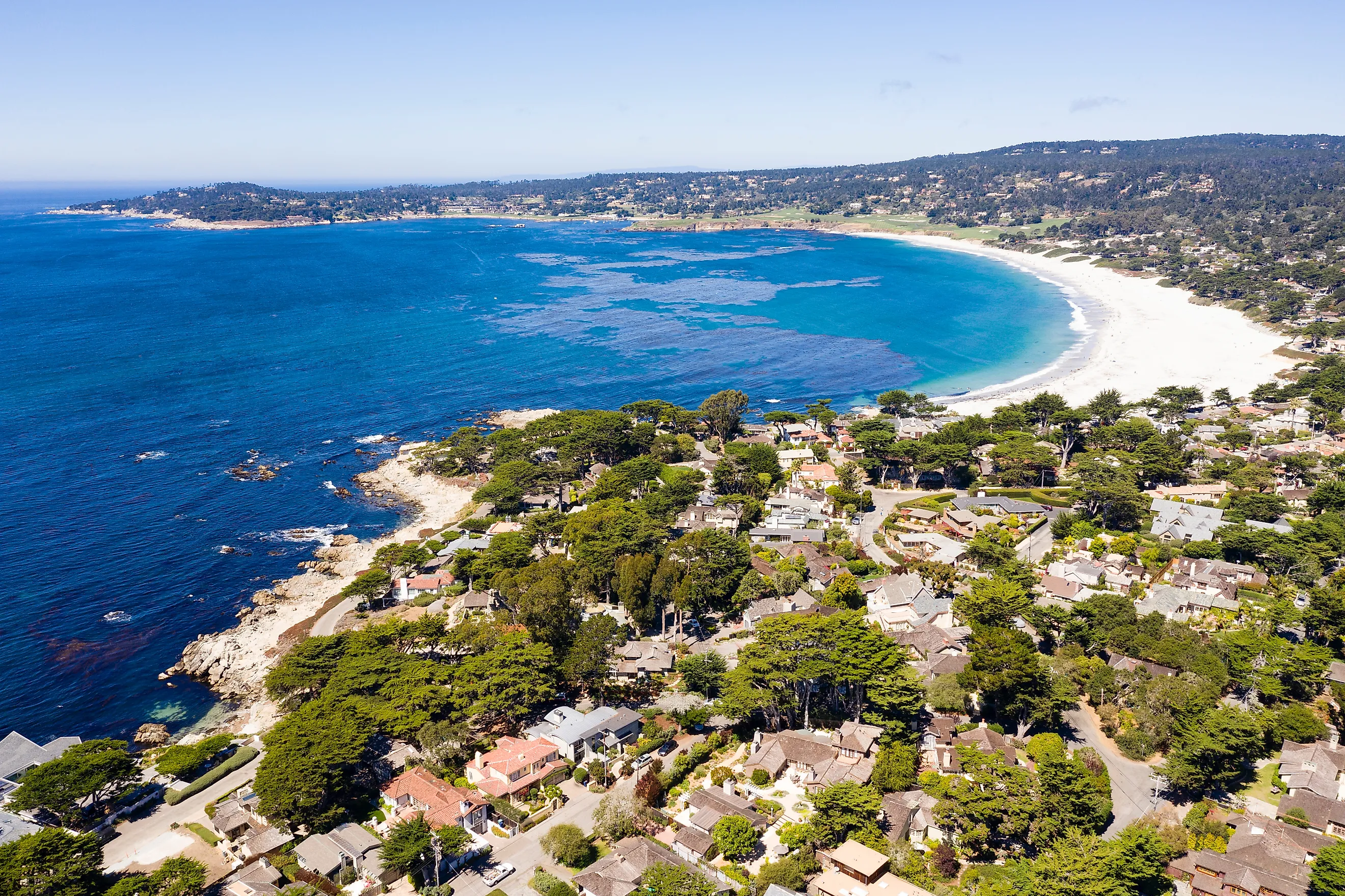
Carmel-by-the-Sea covers one square mile on the Monterey Peninsula and holds a set of unusually strict civic rules: no street addresses, no streetlights, no neon, and a local ordinance that has long required a special permit to wear heels over two inches on city sidewalks. The Hugh Comstock fairytale cottages built in the 1920s still stand around town, about 20 of which are designated historic resources. Tuck Box, in a 1926 Comstock cottage on Dolores Street, is the best-known of the survivors and still serves scones and English breakfasts.
Carmel also holds one of the densest concentrations of art galleries in the country, with more than 100 within the one-square-mile limit. The Weston Gallery on Sixth Avenue shows work by the Weston family and the Group f/64 photographers who helped define the town's artistic reputation in the mid-20th century. Clint Eastwood served as mayor from 1986 to 1988 and still owns Mission Ranch on the southern edge of town.
Sierra City

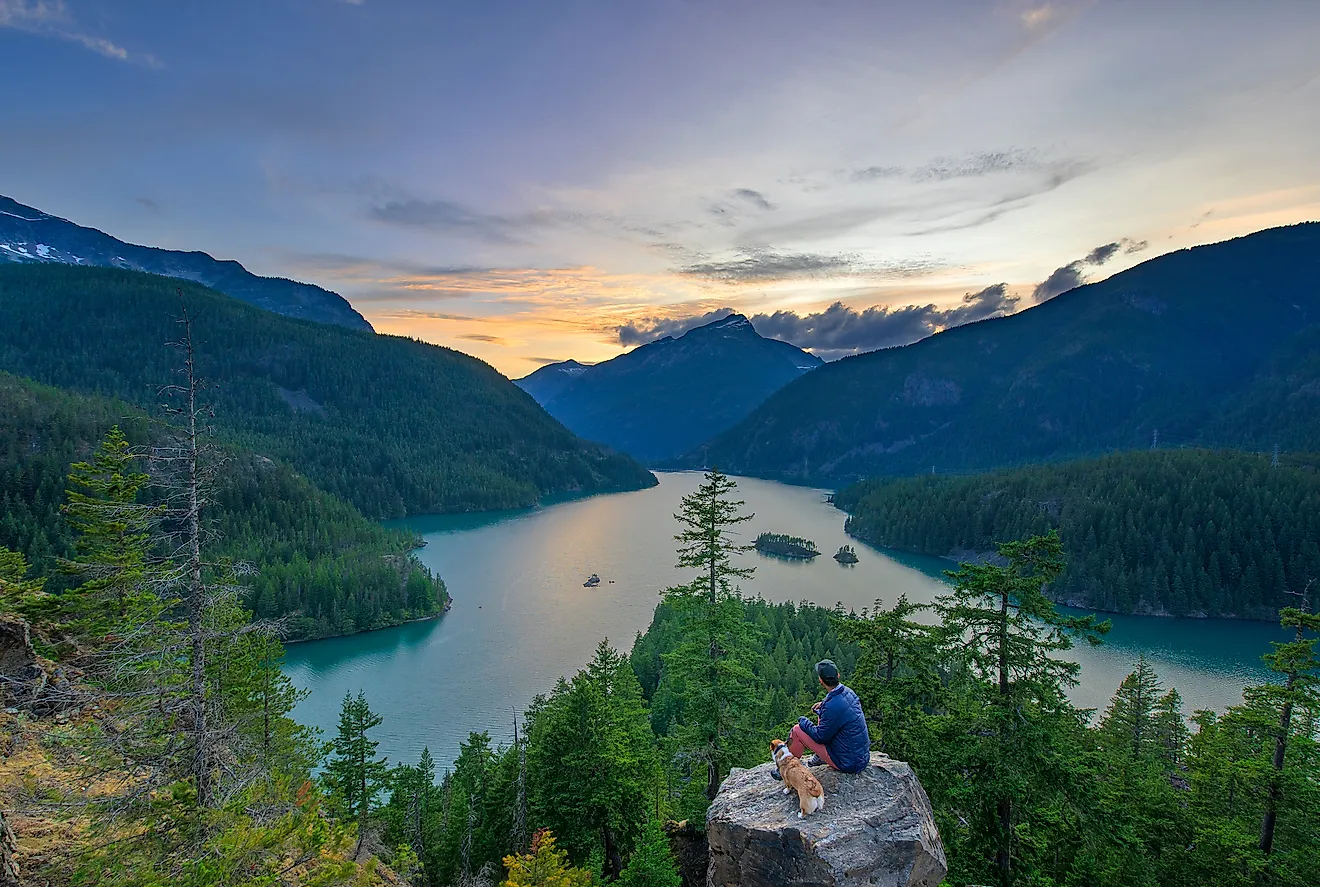
Sierra City is a former Gold Rush mining camp in Sierra County at the base of the Sierra Buttes, a granite ridge that rises to 8,591 feet directly above town. The Lakes Basin Recreation Area just north of town holds several high-alpine lakes, including Gold Lake, Sardine Lake, and Salmon Lake, with established trailheads and cabin rentals at Sardine Lake Resort and Packer Lake Lodge.
The Kentucky Mine Historic Park and Museum, on Highway 49 a mile east of town, preserves a working stamp mill and mine tour that operates on weekends from late spring through early fall. The mill is one of the few in California that still runs, and the tour walks through the ore-crushing sequence as it actually worked. The Old Sierra City Hotel, originally the Busch Building from 1870, is still in operation with rooms above the restaurant.
Healdsburg

Healdsburg sits at the intersection of the Russian River, Dry Creek, and Alexander Valley wine regions in northern Sonoma County, which gives it an unusually deep bench of wineries for a town of about 11,000 people. Jordan Vineyard & Winery, founded in 1972 on a 1,200-acre estate north of town, specializes in Cabernet Sauvignon and Chardonnay in a French-inspired style and runs estate tours by reservation. Ridge Vineyards' Lytton Springs tasting room, just outside town, pours its Zinfandel-based field blends from the original 1901-vintage vineyard.
The restaurant scene has tightened around the downtown plaza. SingleThread, a three-Michelin-starred property on North Street opened by Kyle and Katina Connaughton, runs an eleven-course tasting menu built around the farm they operate nearby. Valette, opened by Dustin Valette in a converted downtown storefront, is a more accessible choice with California-Mediterranean cooking and a serious local wine list.
Solvang

Solvang was founded in 1911 by Danish-Americans who bought about 9,000 acres in the Santa Ynez Valley to establish a folk school and a Danish-American community away from the Midwest winters. The half-timbered Nordic architecture most of the town is known for didn't arrive until the 1940s, when a visiting Saturday Evening Post article about the community triggered a tourism boom that the town leaned into with windmills and timber-framed storefronts.
The Elverhøj Museum of History and Art, housed in a 1950 Danish-style farmhouse, covers the town's founding and Danish-American heritage alongside rotating art exhibits. Olsen's Danish Village Bakery, opened in 1970 by a Copenhagen-trained baker, still turns out aebleskiver and kringle every morning. Birkholm's Bakery, run by the same family since 1951, is the older of the two and handles the Sunday morning crowd.
Mendocino

Mendocino is a small coastal town on the Mendocino Headlands, settled in 1852 as a lumber port and now a state historic landmark district. The entire village is a California Historical Landmark, and most of the surviving 19th-century wooden buildings still front Main and Lansing Streets. The town has stood in for coastal Maine in dozens of films, including East of Eden, The Majestic, and every episode of Murder, She Wrote.
Russian Gulch State Park, three miles north, holds a collapsed sea cave known as the Devil's Punchbowl where waves still surge through underground passages at high tide. The park's 15 miles of trails run through coastal headland, redwood canyon, and a 36-foot waterfall on the Russian Gulch Creek. In town, Mendocino Jams & Preserves and Harvest at Mendosa's handle the specialty-food shopping, and the 1878 MacCallum House Restaurant on Albion Street is the best-known fine-dining option.
Laguna Beach

Laguna Beach holds seven miles of Orange County coastline and about 30 individual coves, most of them accessed by staircases and short trails from Pacific Coast Highway. Treasure Island Beach, below the Montage resort, is the most snorkel-friendly of the set and sits inside a designated marine protected area. Rockpile Beach, just north of Main Beach, is the longtime experienced-surfer spot when a south swell hits.

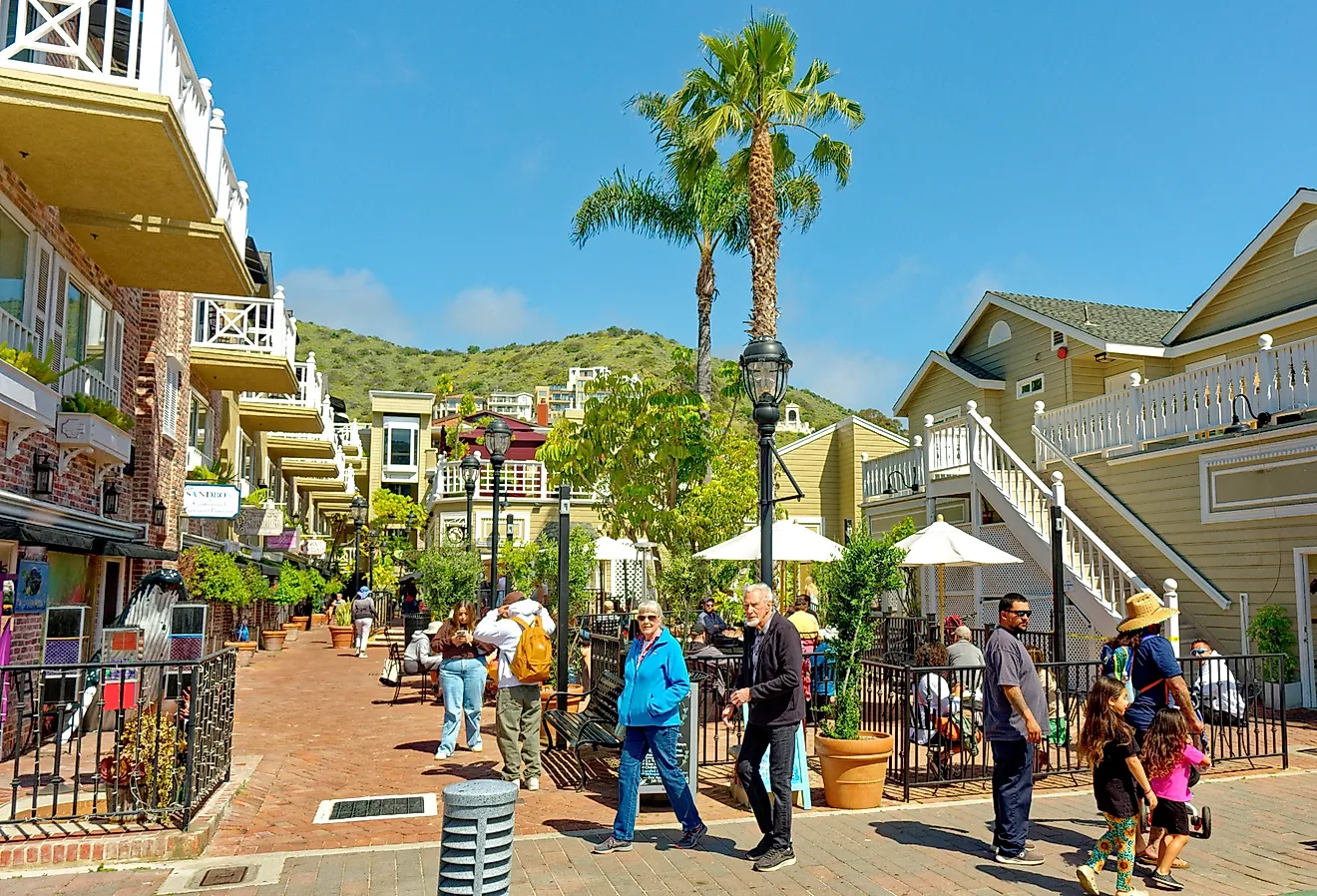
The town has built its identity around plein-air painting since the early 1900s, when the Laguna Beach Art Association was founded in 1918. The Laguna Art Museum, which grew out of that association, holds one of the strongest California-only collections in the state. The Festival of Arts and its Pageant of the Masters, held every summer since 1932, use living actors to recreate famous paintings on a stage and remain one of Laguna's signature events. Montage Laguna Beach and Surf & Sand Resort are the two oceanfront hotels with the strongest reputations for full-service stays.
Ojai

Ojai, an east-west valley in Ventura County surrounded by Los Padres National Forest, has been a wellness destination since the Krishnamurti Foundation set up its retreat center here in the 1920s. The valley's east-west orientation is unusual for Southern California and produces what's locally known as the "pink moment," the brief rose-colored light that washes the Topatopa Mountain bluffs at sunset.
Meditation Mount, on the east end of the valley, runs group meditations and walking trails on its International Garden of Peace grounds. Soul Body Ojai hosts yoga, sound baths, and Reiki on a weekly schedule. The 9.5-mile Ojai Valley Trail, a converted rail corridor, runs from Foster Park up to Ojai with paved lanes for walkers and cyclists and a parallel equestrian path. Los Padres National Forest trailheads including Gridley, Pratt, and Horn Canyon start just outside town for longer backcountry routes.
Julian

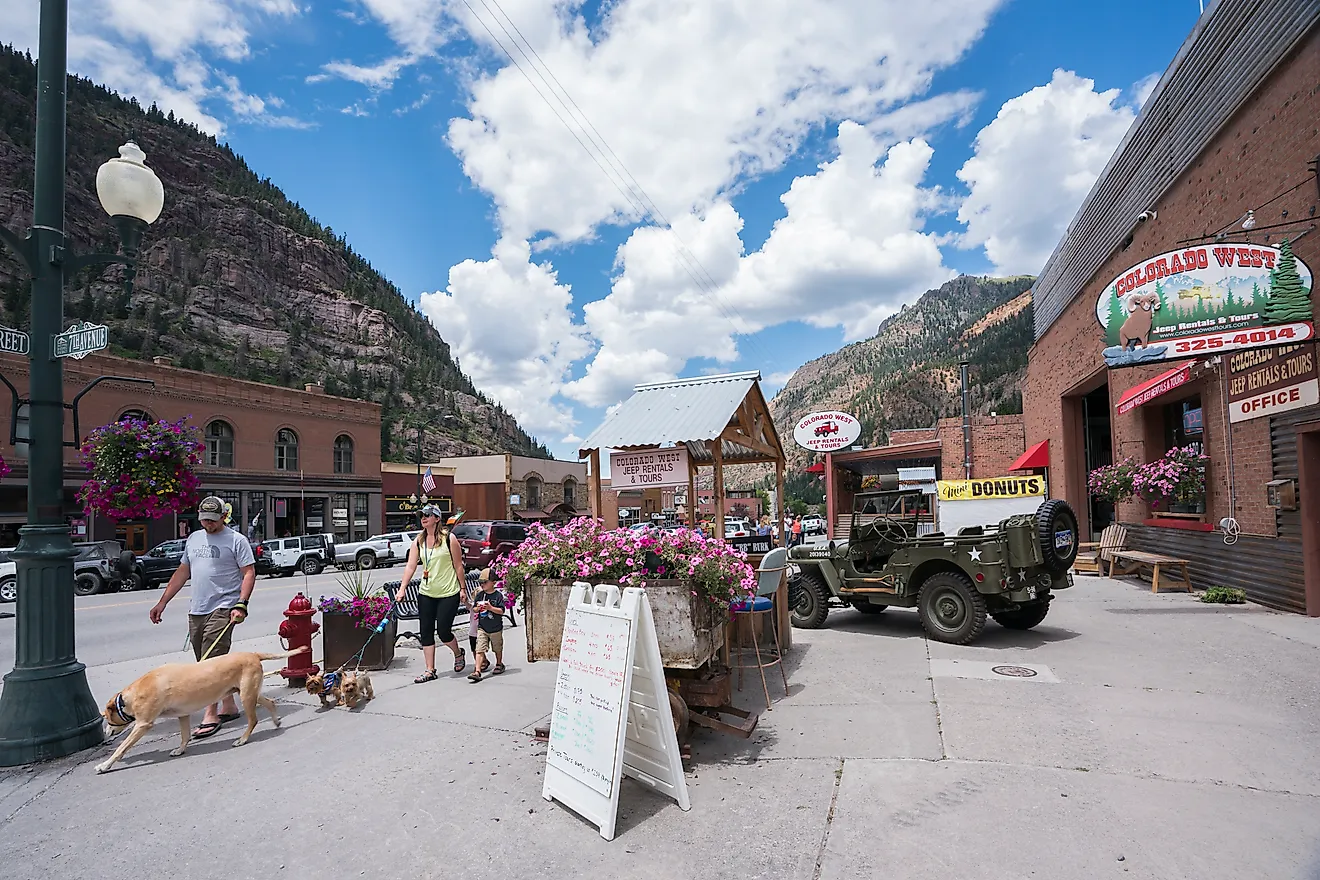
Julian sits at 4,235 feet in the Cuyamaca Mountains of San Diego County's backcountry, about 60 miles northeast of downtown San Diego. Founded in 1869 after a small gold rush, the town survived the mining-era bust by turning its apple harvest into a seasonal industry. The town's apple-pie reputation dates to the 1930s, and Mom's Pie House, opened in 1984, is the longest-running of the handful of bakeries in town still building pies from scratch.

The Eagle and High Peak Mines, active from 1870 into the 1940s, still offer walk-through tours of the original shafts and ore cars. Julian Hard Cider, at the Julian Station four miles west of Main Street, runs a tasting room for its orchard-based ciders. The Julian Pioneer Museum, operated by volunteers and open limited hours, holds mining-era tools, period clothing, and stagecoach pieces from the town's Gold Rush decades.
Eight California Small Towns
Each of these eight towns has a specific backbone: a 1911 Danish folk school in Solvang, a 1918 plein-air art association in Laguna, a Gold Rush stamp mill in Sierra City, a Carmel Mission surrounded by fairytale cottages. What holds them together isn't a shared "small-town feel" but the opposite: each is a specific kind of place that developed around a specific history. Pick the one whose history interests you and go.