8 Storybook Towns In South Australia
When searching for a storybook town in South Australia, travelers can discover a mix of coastal beauty, historic charm, and cultural heritage. From the whale-watching shores of Victor Harbor to the wine-rich streets of Penola, the Germanic character of Hahndorf, and the underground opal town of Coober Pedy, each destination offers a unique glimpse into the region’s history and scenery. These eight towns showcase South Australia’s blend of natural wonders, historic milestones, and small-town character that make the state a captivating destination.
Victor Harbor

Named after explorer Capt. Richard Crozier’s ship, the HMS Victor, the coastal town of Victor Harbor has been recognized as one of South Australia’s most beautiful ports since its discovery in 1837. Early governors hoped that Victor Harbor would be South Australia’s capital, due to its superior port to Adelaide and its proximity to Murray River. That was never the case, however, and Victor Harbor has remained a relatively small town to this day, with a population of 16,136.
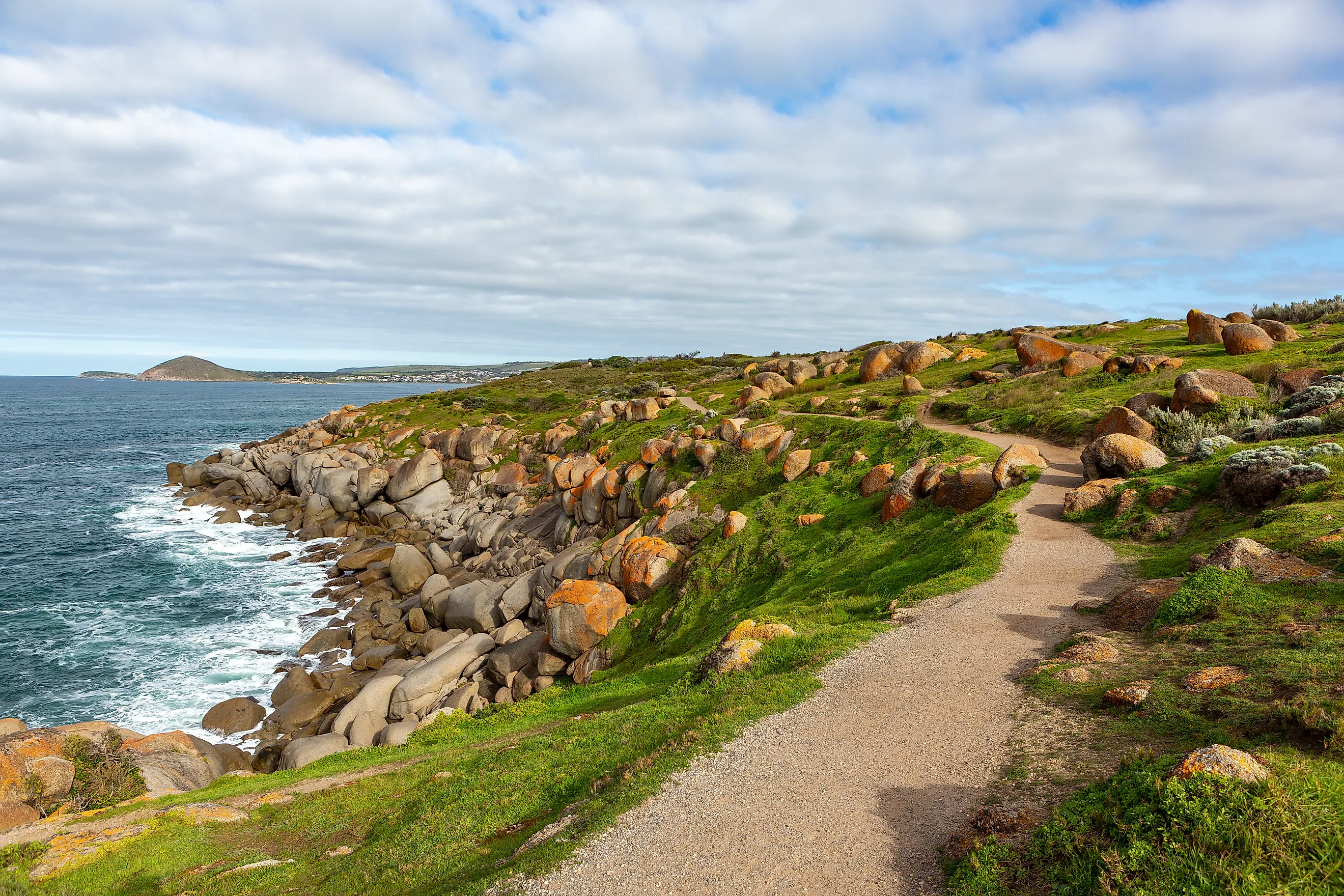
One of the key attractions to Victor Harbor is Granite Island Recreational Park. The Island can be reached via horse-drawn tram that will take tourists across the causeway. The Kaiki Walk offers a brief walk across an island covered in granite boulders. The Australian National Parks and Wildlife Service states that you might spot a southern right whale of the coast between the months of June and October.
Granite Island isn't the only natural attraction in Victor Harbor. Located at the end of Waterfall Road in the town’s northwest is Hinder Marsh Falls. A series of pools can be seen under a cascading waterfall just a short walk from the parking lot and picnic area. Man-made beauty can be observed in Victor Harbor, as well. Located in the heart of downtown is the Victor Harbor Art Trail. Local artists have painted murals honoring their coastal heritage and the culture of the Ngarrindjeri and Ramindjeri tribes.
Penola

Located on the Limestone Coast in southeastern South Australia, Penola has earned a reputation for its wines and its Catholic history. The first Josephite Order of the Catholic Church was founded in 1866 by Mary MacKillop and Father Julian Edmund Tenison-Woods — better known as, simply, Father Woods. Saint Mary MacKillop’s legacy is preserved at the Mary MacKillop Penola Centre, located at the corner of Portland Street and Historic Petticoat Lane, in the building that once housed the Saint MacKillop Schoolhouse. Petticoat Lane is also home to structures composed of timber and stone that were built between 1850 and the start of World War I.
Father Woods has been immortalized in the artwork of Kevin Glider, who used a chainsaw to carve statues out of trees in Father Woods Park, located 21 kilometers north of town. Adelaide Archbishop Philip Wilson unveiled the statues in May of 2010. One of the more popular eateries in Penola is the Royal Oak, which offers wine from many of the region's local wineries. Patrons can enjoy their meal under an old Golden Elm out back. Locals consider Koonara Wines, located on Main Street, a rite of passage. Koonara offers wine produced in the Coonawarra region.
Robe

Robe is one of the Limestone Coast’s small towns. Robe was named for Frederick Holt Robe, who chose the site for the territory's southeast port and commercial hub in 1846. Next to Adelaide, it served as South Australia's second-largest outport for wool. The residents of Robe are proud of their past and have preserved structures, such as the Lodge and Old Cottage, which are over a century old. Many of these sites are found on Robe’s Heritage Trail and Historical Interpretation. A trail can be accessed from the center of town that will help visitors explore local landmarks like the Obelisk, constructed as a navigational guide for passing ships, and the lighthouse located on Blacker Street.
Hahndorf

Hahndorf is located approximately 17 miles (27 kilometers) from Adelaide, South Australia's largest city, in the Adelaide Hills. It was settled by German Lutherans in 1839, and their influence remains a part of the town’s culture. One of the most popular locations in Hahndorf is the FruChoc Shop where German-inspired candy has been sold for four generations, since 1908. The Violet Crumble and the Choc Honeycomb are popular among its patrons, but it was the Menz FruChocs that once garnered the candy shop the title of “Icon of the State” by the National Trust.
Hahndorf’s artistic and architectural history has been preserved in locations like the Cedars at Heysen. Named for its original occupant, Sir Hans Heysen, the former home serves as an art and history museum dedicated to Australia’s oldest purpose-built art studio. Art can also be purchased at Hahndorf Academy on Main Street, which features art detailing the town's Indigenous and German heritages.
Willunga

Located 29 miles (47 kilometers) south of Adelaide, just on the edge of the McLaren Vale valley, is the town of Willunga. The name is derived from the Aboriginal word “willangga,” the meaning of which is uncertain but may mean "the locality of green trees" or “black duck,” among other interpretations. Willunga is known for its almond blossom trees and historical buildings.
The town's historic courthouse and police station, as well as the post office and telegraph station, have been preserved and are available for tours. Willunga is also part of the McLaren Vale wine region, which is home to 65 wineries. One of the draws of Willunga is the self-guided wine tour that starts at the Aphelion Wine Co.
Port Elliot

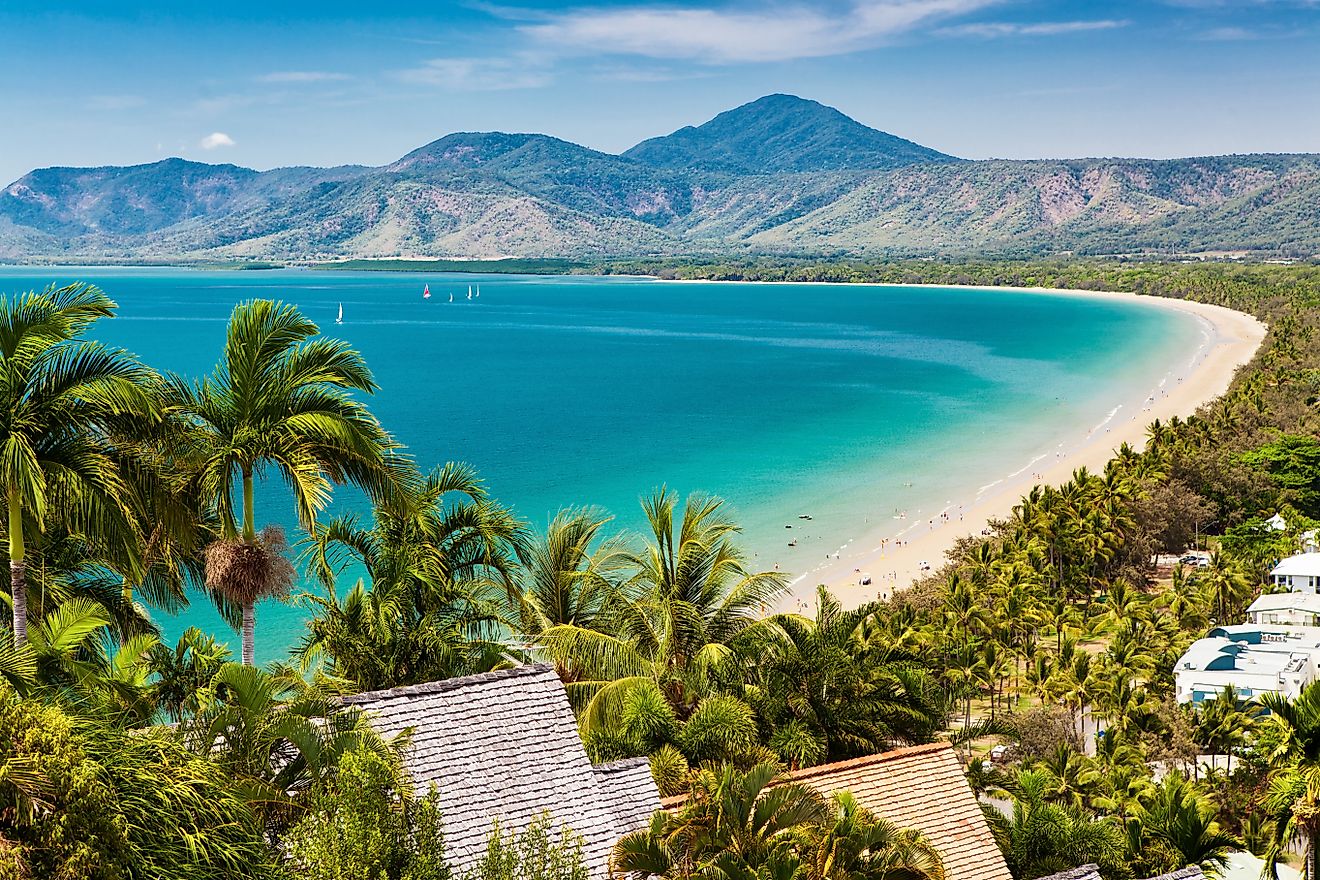
Located 50 miles (81 kilometers) south of Adelaide, overlooking the turquoise waters of Horseshoe Bay, is the town of Port Elliot. This town was briefly considered South Australia’s main port for the Murray River trade until seven shipwrecks took place between 1854 and 1864, leading to trade being diverted to Victor Harbor.
One of the biggest draws in Port Elliot is the Port Elliot Maritime Heritage Trail, which offers views of dolphins and other wildlife off the coast. Freeman Knob is another place where wildlife can be spotted. Locals and tourists can sometimes see whales pass the shore's granite boulders. The Port Elliot Railway Heritage Trail is another local favorite where you can see historic buildings, such as the Hotham Memorial Church or the Royal Family Hotel. One of the more popular eateries is the Port Elliot Bakery, where patrons line up for the donut of the month.
Coober Pedy

One of the more standout towns in South Australia is Coober Pedy, a scorching hot burg 327 miles (526 kilometers) north of Adelaide. A portion of Coober Pedy’s fame is due to its underground structures, including homes, restaurants, and churches. The town’s accumulation of opal deposits is among the highest in the world. The Old Timers Mine Tour details the history of the opal mines, as does the Umoona Mine and Museum.
In the 1970s, Klause Wirries constructed the Big Winch Lookout to commemorate Coober Pedy’s history. The 26-foot (8-meter) winch was once destroyed by gale force winds but was rebuilt in 1986. Another famous landmark is the spaceship from the film "Pitch Black," which is located in the center of town. This prop was given to the town due to the movie being filmed in Coober Pedy. Various underground churches, such as the Serbian Orthodox Church and the Catacomb Church are open to visitors. Residents also enjoy one of the outback’s most-loved pizza parlors, Uncle Jack’s Pizza, an underground eatery well-known for its food and wine.
Strathalbyn

Strathalbyn is a town located 35 miles (56 kilometers) southeast of Adelaide and is known for its rolling hills and green valleys. The town was named by Dr. John Rankine after the Celtic words “Straith” (flat and wide river valley) and “Albyn” (Scotland). The Angas River and the Soldiers Memorial Garden run through the center of town, making it a popular destination for picnics and sightseeing.
This town is known for its architecture, too, with some buildings dating back to the 1800s. A popular historical spot is the Strathalbyn National Trust Museum, which includes the old courthouse and police station. Another favorite spot is Gilbert’s Motoring Museum, which is a draw for car enthusiasts and historians alike.
From the sun-dappled hills of Strathalbyn to the deep structures of Coober Pedy, South Australia is a treasure trove of delightful, intriguing, and historic towns. Whether you’re drawn to coastal vistas, historic architecture, or unique outback experiences, these places showcase the diversity and character that define each storybook town that dots the landscape.