8 Of The Friendliest Towns In Western Australia
In the friendliest Western Australia towns, even the whales come out to say hello. That's certainly the case in Bremer Bay, where visitors can see whales playing with their calves in the winter close to shore. Many of the towns in this piece grew because of their beautiful landmarks and friendly locals, such as Denmark. Once a struggling dairy town, it's now a tourist destination thanks in part to the hospitality shown to the World War II soldiers stationed there. Visitors to these towns can take part in their tight-knit cultures, whether that's celebrating a whale festival in Augusta or purchasing handcrafted goods at a community market with the backdrop of an ancient tingle tree forest in Walpole.
Augusta

Founded in 1830 on the southwestern shores of Western Australia, Augusta is full of scenic spots to view the surrounding Southern Ocean and Flinders Bay. One of its most beautiful places is underground in the Jewel Cave. By booking a tour, guests can see crystal formations and learn the story of the fossilized Tasmanian Tiger that was found in the cave.
Outside of the cave, explorers can hike up to the top of Cape Leeuwin Lighthouse, overlooking the bay, or enjoy a picnic at the Ellis Street Jetty. To dive deeper into Augusta's history, the town has the Augusta Historical Museum, which has information on shipwrecks, timber logging, and the 1986 whale rescue, when 114 false killer whales were rescued by volunteers. The community celebrates its whales at the Augusta Whalesong Festival, held late May to early June.
Albany

Albany is a cooler destination in the hotter climate of Western Australia. It's surrounded by coastal limestone rock formations that provide bountiful walking trails for people of all skills. From the Albany Heritage Park, one can hike up the Mount Clarence Heritage & Granite Trail or go on the boardwalk from Emu Point to Ellen Cove, passing by Binalu/Middleton Beach.
Mount Clarence itself has the National ANZAC Center, which honors the service and sacrifice of the Australians and New Zealanders who served in World War One. From the center, visitors can look down into the harbor where about 30,000 Australian and New Zealand troops departed for World War I. Another historic destination in Albany is the Historic Whaling Station, which has the Cheyne IV, the only Whalechaser ship left in the world. Visitors in July can enjoy a little sailors' jig at the Albany International Folk 'N' Shanty Festival.
Geraldton

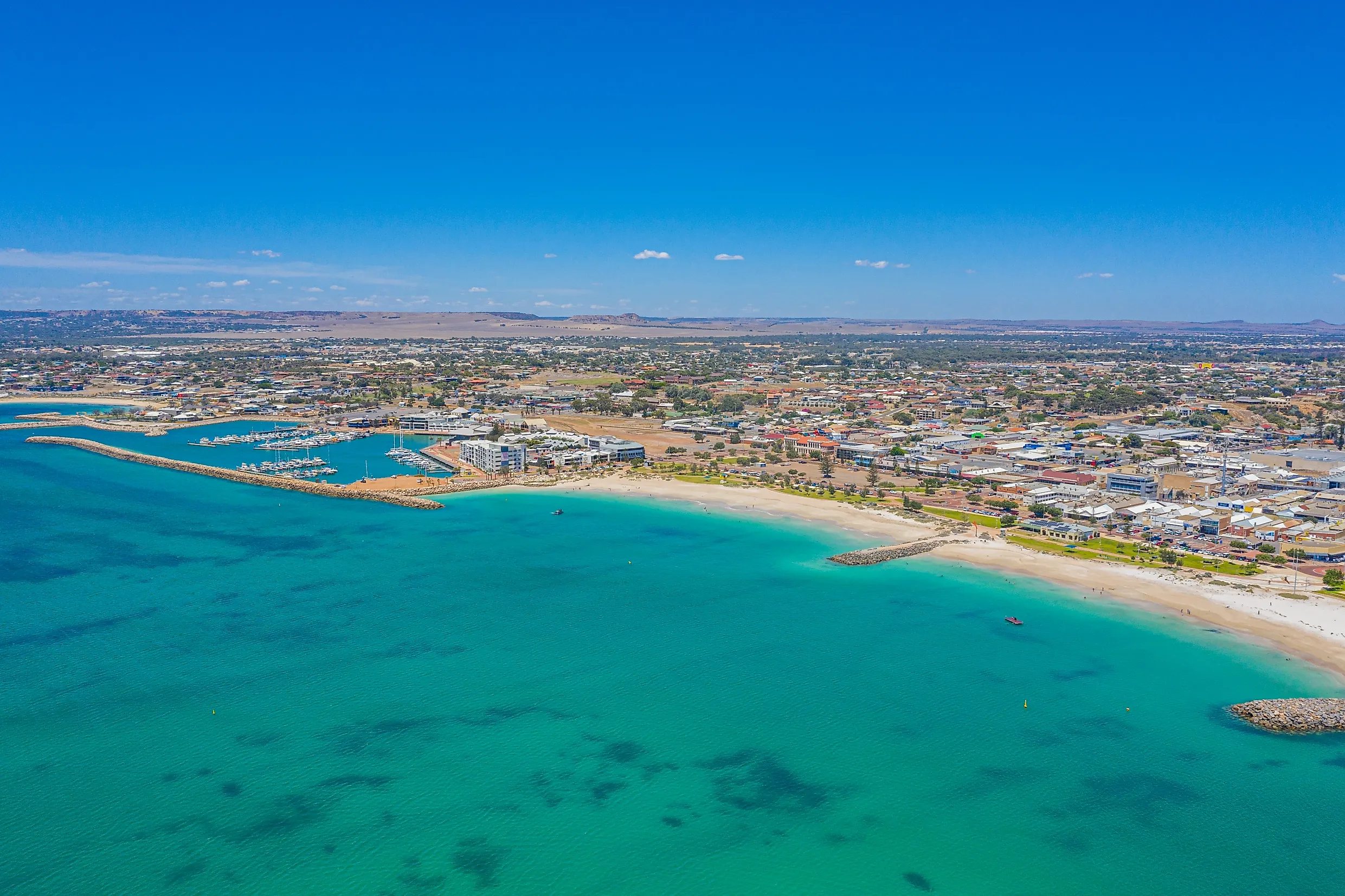
The seaport town of Geraldton has a population of just under 40,000 people, making it one of the more populated settlements in the sparsely populated state of Western Australia. The community prides itself on having open spaces that bring people together, like the Beresford Foreshore, an open walkable space with seating areas, grassy areas, the Horizon sculpture, and restaurants.
The Horizon sculpture itself is often photographed as it is a clear spherical shape that creates an optical illusion that inverts the sky and sea. Visitors to Geraldton will see many quirky landmarks, such as the Yellow Submarine, which was designed in the 1970s to catch crayfish and today is on display at the Esplanade. They also get out and about on the Greenough River Walk Trail, which follows the river through a bush trail.
Walpole

Walpole is named after a Captain W. Walpole who served aboard the HMS Warspite, and is 41 miles (66 kilometers) away from Denmark, Australia. It's a popular day trip for outdoorsy residents of Western Australia due to the giant tingle trees that can be found in the Walpole-Nornalup National Park. Visitors can even get up into the tops of tingle trees via the Valley of the Giants Tree Top Walk or go boating on the Frankland River.
Walpole is ideal for someone exploring the Southern Ocean. The Bibbulmun Track passes through Walpole; this long-distance walking trail runs about 621 miles (1,000 kilometers) from Kalamunda to Albany, with Walpole serving as one of the key forest and coastal sections along the route. For those who want to interact with the community, they can enjoy food, crafts, and lively conversation at the Walpole Community Markets, held on the second Saturday of each month at Pioneer Park in downtown Walpole.
Denmark

Although it shares a name with the Scandinavian country, Denmark actually got its name from a naval surgeon named Alexander Denmark. The town was originally a timber milling town and a butter factory, but the Great Depression hit the area particularly hard. It wasn't until soldiers from World War 2 were stationed here that the town was revitalized, and it became a tourist destination for its beaches and countryside.
This coastal town has one of Australia's best-kept secrets: the William Bay National Park with brilliant turquoise waters in its Greens Pool and elephant-shaped rock formations called the Elephant Rocks. Denmark also has a diverse winery and brewery scene, with craft beer and wine at the Willoughby Park Winery & Boston Brewery and whiskey at the Nullaki Distillery. The town is also known for its storytelling tradition, which comes alive in June for the Denmark Festival of Voice, with poets, storytellers, and spoken word performers.
Bremer Bay

Bremer Bay sits on the far southern coast of Western Australia, with a small population of around just under 250 people. Many people come down to visit in the summer to enjoy its laid-back beaches. It's worth coming in the winter as southern right whales wander close by to the shore with their baby calves. Visitors can bring their children along as well for the Bremer Bay Kidzfest, held every January with circuses, skating, and other activities.
Visitors can also reach several beaches from Bremer Bay, including John Cove Beach and Bremer Beach. One of the most picturesque destinations in Bremer Bay is the Fitzgerald River National Park, which has 1,800 plant species, and is accessible by foot, canoe, or by a Four Wheel Drive vehicle. Another scenic place in town is the Bremer Bay Lookout Tower, which faces the town and the waters of Devil Creek.
Nungarin

This small community sits in the midst of the Wheatbelt region, 173 miles (278 kilometers) to the east of Perth. Toward the end of World War II, Nungarin was a depot for the Australian army. That depot was in operation until 1960, and today it is the only World War Two depot left in Australia. It can be seen at the Nungarin Heritage Machinery and Army Museum, including a variety of armored vehicles and reenactments from Australian cavalrymen.
The community still comes around to support its museum through its variety of community events, such as Sunday Morning Breakfast and Campfire Dinners. In this quiet town, visitors can see colorful rock formations at Eaglestone Rock, located on the shores of Lake Brown, or Danberrin Rock, which is known for its wildflower blooms.
Goomalling

This town's name actually means place of possums in the Noongar language. Today, possums are rare in this tightly knit wheat farming community of Goomalling. The wheat fields here provide a beautiful backdrop for hiking, especially when wildflowers and orchids bloom from July to September, amid its iconic grain storage domes called the Dolly Twins. Hikers can explore the wetlands at Oak Park or have a picnic by the Mortlock River.
Some of the best natural views are at the Slater Homestead, an 1856 pioneer structure that today is open for tours and as a hotel. Another historic spot in town is the Goomalling Schoolhouse Museum, which features a schoolroom from the early 1900s along with old agricultural equipment. Every Tuesday from May to December, the town hosts Drama Readings at the Goomalling Town Hall, allowing both residents and visitors alike to read from world-famous dramas.
Natural Beauty, Friendly People
These communities all have natural beauty, whether that's the wildflowers amid wheatfields in Goomalling, the tingle trees of Walpole, or the green turquoise waters of Denmark. These landmarks also bring these communities together to celebrate everything that makes them great, such as the seaside culture festivals of Albany or the whalesong event in Augusta.
These friendly towns also have a quiet remembrance for those who came before them, such as the many soldiers who lost their lives in World War I who departed from Albany's shores. Visitors to these towns will also have opportunities to appreciate the stories and landscapes that make these friendly Western Australian communities so impactful.