8 North Carolina Towns With A Slower Pace Of Life
North Carolina's smaller towns often settle into their surroundings rather than push against them. In Oriental and Beaufort, daily life follows the movement of water through marinas and harbor fronts where tides quietly set the pace. Even simple routines feel shaped by the shoreline, whether it is sailboats passing Lou Mac Park or dolphins surfacing in Taylor's Creek.
In the mountains, Brevard and Blowing Rock trade water for elevation. Waterfalls, forest trails, and parkway overlooks define how space is experienced, with short distances opening into long views. These are eight towns where the pace of life is in no hurry.
Oriental

The Sailing Capital of North Carolina, Oriental sits along the Neuse River and feels like it was built entirely around the water. With a population of under 1,000, it is one of the smallest towns in the state, but still tied to a slower coastal way of life.
Life in Oriental follows the tides and the sailing calendar. Fishing, kayaking, and boating shape daily life rather than stand apart from it. The town hosts regattas and community events that bring neighbors out to socialize.
Lou Mac Park along the Neuse River is known for its shifting chairs that are said in local lore to dance in the moonlight. Benches and grassy areas face the river, as sailboats drift past in steady movement. Time feels less structured here, shaped more by sunlight than schedules.
Just beyond the shoreline, paddling is one of the best ways to move through the surrounding waters. The shoreline shifts between marsh grass and open water as kayaks and small boats glide into the calm creeks and river channels. Birdwatching is part of the experience here, with herons in the shallows and ospreys overhead. Nothing about Oriental is hurried. Everything is tied to observation and small details that reveal themselves when life slows down.
Brevard

Set in the foothills of the Blue Ridge Mountains, Brevard has become a favorite destination for people seeking mountain scenery without the crowds found in larger tourist towns. It offers easy access to the natural world and a downtown that encourages lingering rather than rushing.
More than 250 waterfalls surround the town. Most are just off short drives or trailheads, requiring little planning. An interactive waterfall map outlines where people can find them. In town, the Sculpture Walk and broader public art installations invite a more unhurried way of moving through the streets. Art pieces appear along sidewalks and open spaces, offering small moments of pause that break up a stroll without demanding attention.
In the surrounding Pisgah National Forest, dense tree cover creates a quiet, shaded landscape. Tall trees filter the light and soften movement beneath the canopy.
Music also plays an important role in the community at the renowned Brevard Music Center, which brings accomplished musicians to a town that otherwise embraces relaxing evenings and weekends. Short drives and quick elevation changes connect downtown streets to forest trails and mountain overlooks.
Beaufort

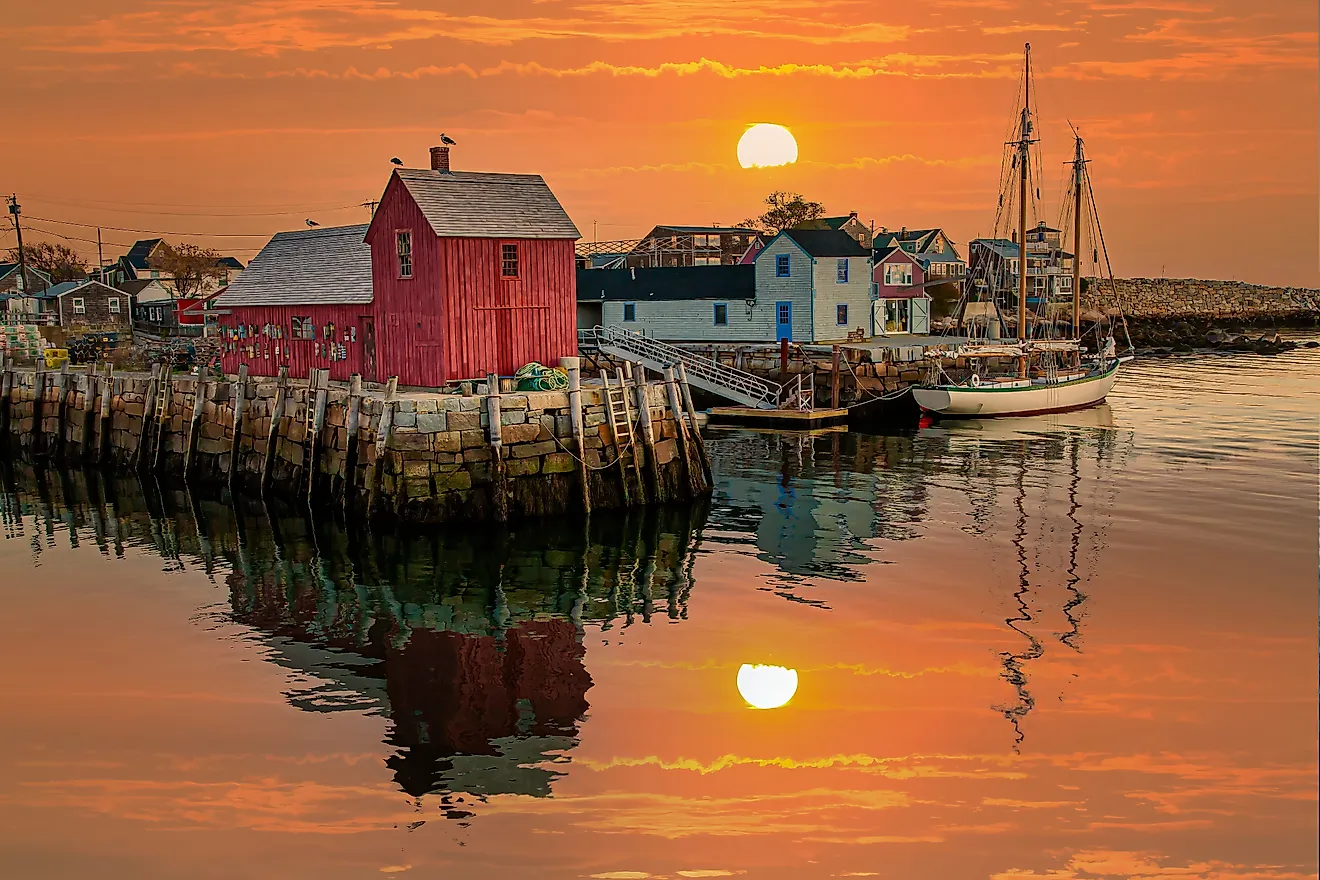
Founded in 1709, Beaufort combines centuries of maritime history with the relaxed feel of a working coastal town. Located along North Carolina's Crystal Coast, it offers waterfront beauty without the fast pace of larger beach destinations.
Life here follows the tide, guided by water and wind. Front Street runs along the harbor and is lined with historic buildings and small shops. Movement slows naturally here, especially when the tide is moving through Taylor's Creek, and dolphins occasionally surface nearby.
A short ferry ride leads to the Rachel Carson Reserve, a 2,315-acre expanse of islands, salt marshes, and surrounding water. Here, wild horses roam the islands, and wide stretches of marshland feel largely untouched. Open space and quiet observation define much of the landscape.
Back in town, the North Carolina Maritime Museum offers a grounded look at the region's coastal heritage, from boat building to Blackbeard lore, without feeling overly formal or busy. Not far away, the Old Burying Ground adds another layer of history, shaded by ancient trees and marked by weathered headstones that reflect centuries of coastal life. Beaufort is a town that measures time by tides, footsteps along the waterfront, and passing boats rather than by the hands on a clock.
Banner Elk

High in North Carolina's Blue Ridge Mountains, Banner Elk offers four distinct seasons and a lifestyle centered on nature rather than deadlines. While winter brings skiers to nearby slopes, much of the year is defined by quiet mountain mornings, cool temperatures, and scenery that stops you in your tracks.
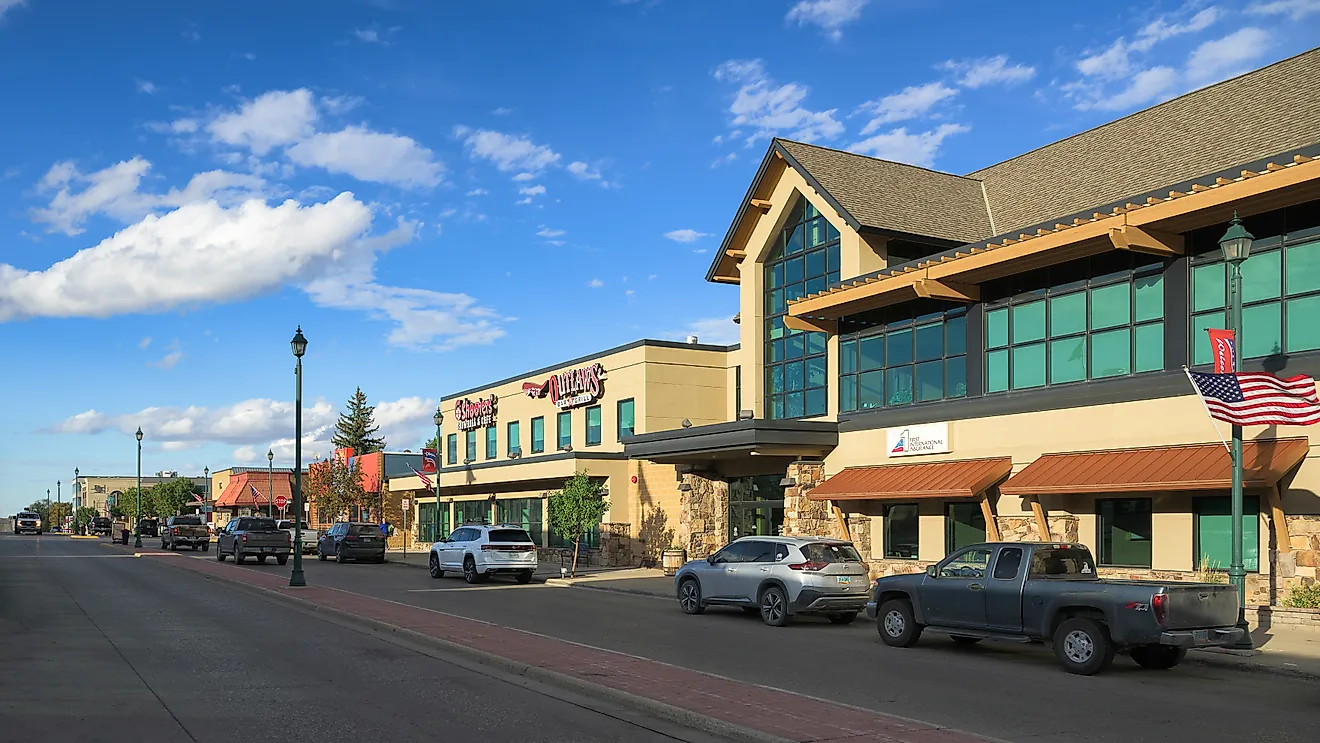
The downtown area remains comfortably small, filled with locally owned cafés, wineries, galleries, and restaurants that encourage visitors to linger. Patios and walkable streets keep activity unhurried.
Outdoor recreation is an important part of everyday life. A short drive from the town center leads to Elk River Falls, a 50-foot cascade dropping over a rock cliff into an oval pool. Along the Blue Ridge Parkway, hiking trails, fishing streams, and mountain overlooks open into the surrounding landscape, while scenic drives reveal long stretches of mountain views. In autumn, the surrounding forests transform into brilliant displays of red, orange, and gold, turning even simple walks into something memorable.
The town also hosts seasonal festivals, farmers markets, and craft fairs that strengthen its close-knit community. Even as tourism has grown, Banner Elk has maintained the welcoming atmosphere that first attracted visitors decades ago. It is an ideal place for those seeking fresh air, slower mornings, and a daily reminder that there is a quiet reward in having nowhere urgent to be.
Southport

Evenings settle slowly in Southport, especially along the Cape Fear River as light lingers over the water and the horizon opens into the Atlantic. The waterfront becomes the natural gathering point, and people turn toward the water as light fades over passing boats.
Downtown, Howe Street and the surrounding historic district reinforce the town's calm atmosphere. Live oaks arch over the sidewalks, and small shops, cafés, and seafood spots sit close enough to wander between without any sense of hurry. The Old Brunswick County Jail and Museum adds a touch of history nearby, while the North Carolina Maritime Museum at Southport connects the town's present to its long coastal past.
Just a short drive away, Oak Island provides wide, less crowded stretches of beach. Southport could not keep its beauty and simple way of life quiet forever. The film industry discovered the town and has filmed A Walk to Remember, Dawson's Creek, The Summer I Turned Pretty, Under the Dome, I Know What You Did Last Summer, and many more. The Fort Johnston Southport Visitors Center and Museum has a self-guided tour brochure to help visitors find their way to the movie locations. Southport proves that coastal living does not have to mean crowded boardwalks and constant activity.
Blowing Rock

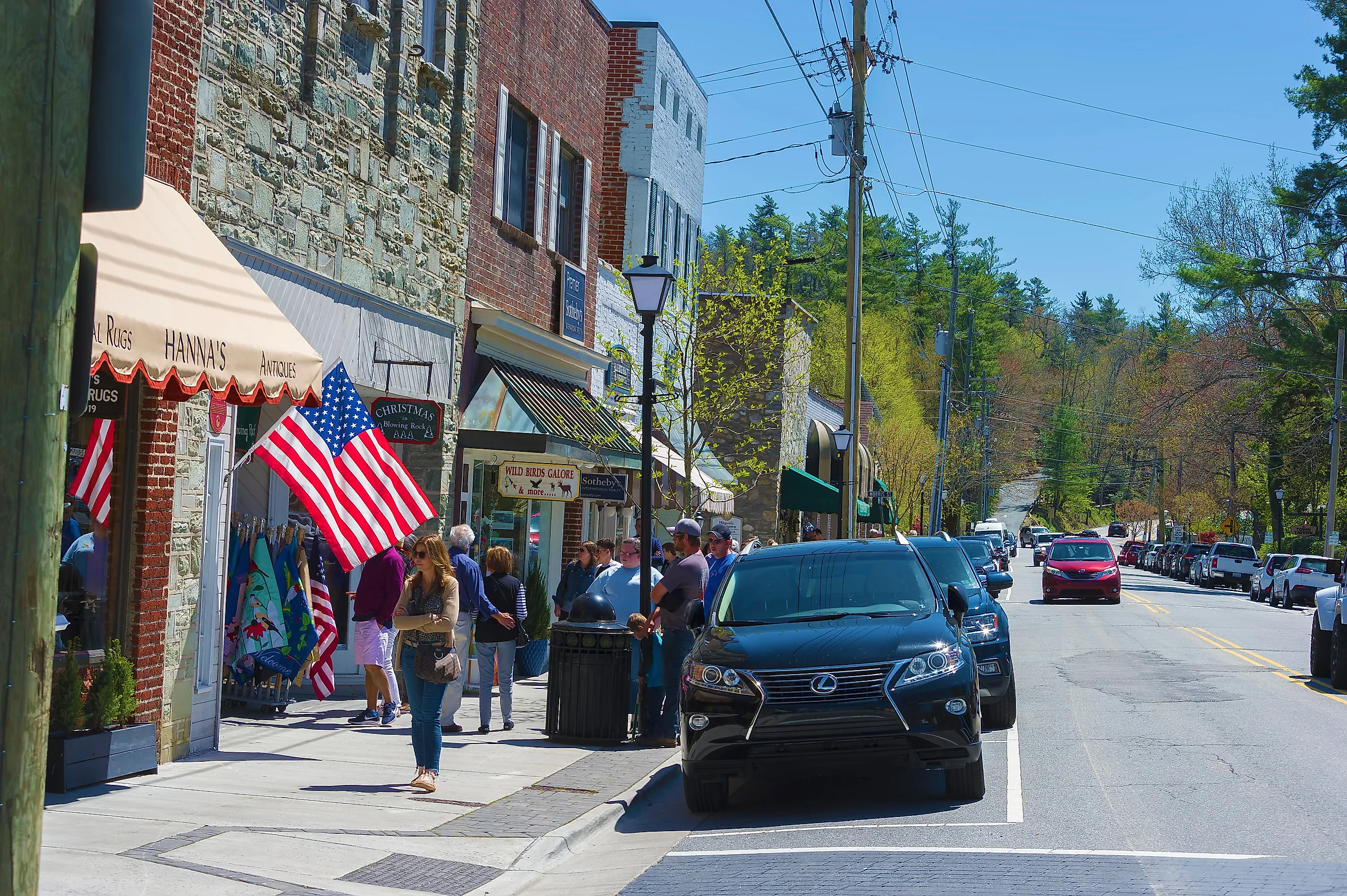
Blowing Rock has long attracted travelers looking to escape summer heat and reconnect with nature. Although it welcomes visitors year-round, the village has managed to preserve its relaxed atmosphere and small-town character.
The town moves with a steady rhythm, as cool mountain air and long views stretch the sense of time. Its walkable main street is lined with independent shops, cafés, and galleries, making it easy to drift from one doorway to the next without any sense of urgency. Just beyond town, the Blue Ridge Parkway offers some of the most accessible overlooks in the region, where long-range mountain views invite reflection.
At the center of it all is the Blowing Rock itself, a dramatic cliffside formation that looks out over Johns River Gorge and the layered peaks beyond. Nearby, Moses H. Cone Memorial Park adds miles of carriage trails, historic estate grounds, and reflective lakes that feel made for slow wandering. In warmer months, still water and forest shade create a calm, almost meditative setting at Bass Lake, which also offers an easy loop trail. These places create a town defined less by activity and more by the space to linger.
Community events, art festivals, and seasonal celebrations bring neighbors together throughout the year without sacrificing the peaceful environment that defines the town. Blowing Rock offers the comforts of a well-developed mountain community while preserving the slower pace that makes mountain living so appealing.
Washington

A calm waterfront defines daily life in Washington, as the Pamlico River moves slowly past a historic downtown and time seems to settle into something softer. Benches along the boardwalk face open water and passing boats, encouraging long pauses that feel more natural than planned.
That sense of ease continues along the water. The riverfront boardwalk becomes a gathering place for leisurely walks, fishing from the docks, or simply watching the sunlight sparkle on the water. Just steps away, Havens Garden offers shaded paths and open green space that overlooks the river, creating a calm pocket at the edge of downtown.
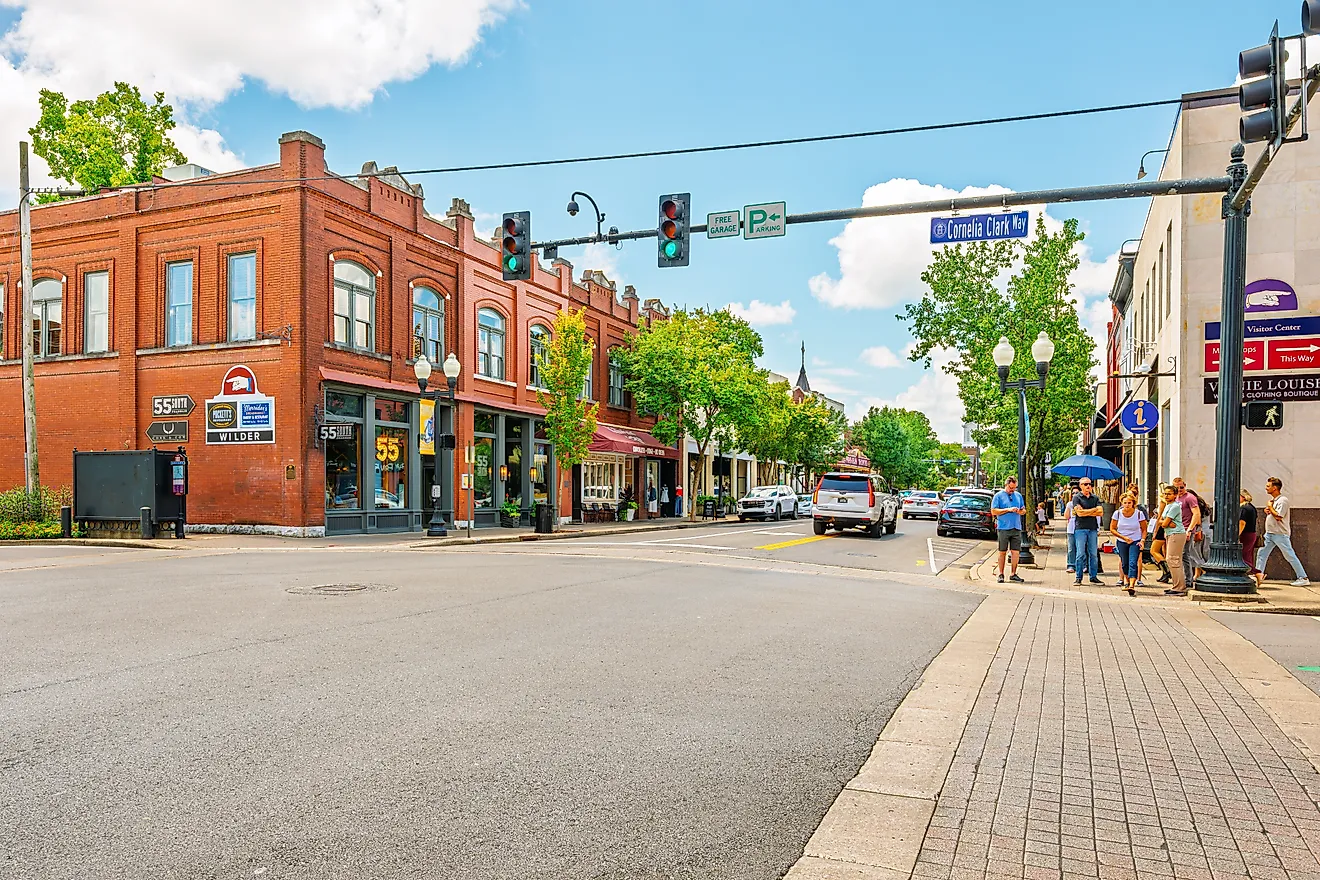
The North Carolina Estuarium adds a deeper connection to the surrounding environment, highlighting the estuarine system that shapes the identity of the town and the wider region. Exhibits and river views blend to show how closely daily activity is tied to the waterways. A short distance away, browsing unfolds at its own pace in the historic downtown, with its backdrop of brick storefronts, small cafés, and locally owned shops. Together, these places create a town experience shaped less by urgency and more by the steady presence of the river itself.
Burnsville

Burnsville is the epitome of a quiet mountain village, where small-town streets, surrounding peaks, and a strong creative community combine for an easygoing rhythm. The pace is steady and grounded, influenced by landscape and craft.
At the center of town, the Burnsville Town Square sets that tone, with locally owned cafés, galleries, and small shops arranged around a walkable core where lingering feels natural. The square often serves as a backdrop for seasonal markets and community gatherings without disrupting its calm structure.
Just beyond town, Mount Mitchell State Park brings the high country into full view, with short trails and overlooks leading to wide mountain horizons and cooler air that naturally slows the pace of a visit. The nearby Blue Ridge landscape reinforces that sense of elevation and stillness, with winding roads and forested slopes defining much of the surrounding experience.
Closer in, the Toe River Arts community highlights Burnsville's strong creative identity, with studios and galleries showcasing pottery, weaving, painting, and woodworking rooted in Appalachian tradition. Along the Cane River, quiet pull-offs and open banks offer space for fishing, reflection, or simply watching the water move through the valley. Life in Burnsville tends to settle into a steady balance of mountain views, local craft, and open space.
Places That Hold Their Own Time
Across Oriental, Beaufort, and Southport, water is the common thread. It moves through marinas, marshes, and open river mouths, shaping how each town expands and contracts with the tide. Even where history and tourism layer in, the waterfront remains the center of gravity. In the mountain towns, elevation replaces tide, but the effect is similar. Roads climb quickly into overlooks, forests fold into quiet trails, and town centers sit only minutes from wide, open views. Together, these places form a map of North Carolina defined less by speed than by space, where distance is not something to rush through, but something that defines the day itself.