8 Main Streets Where Connecticut Comes Alive
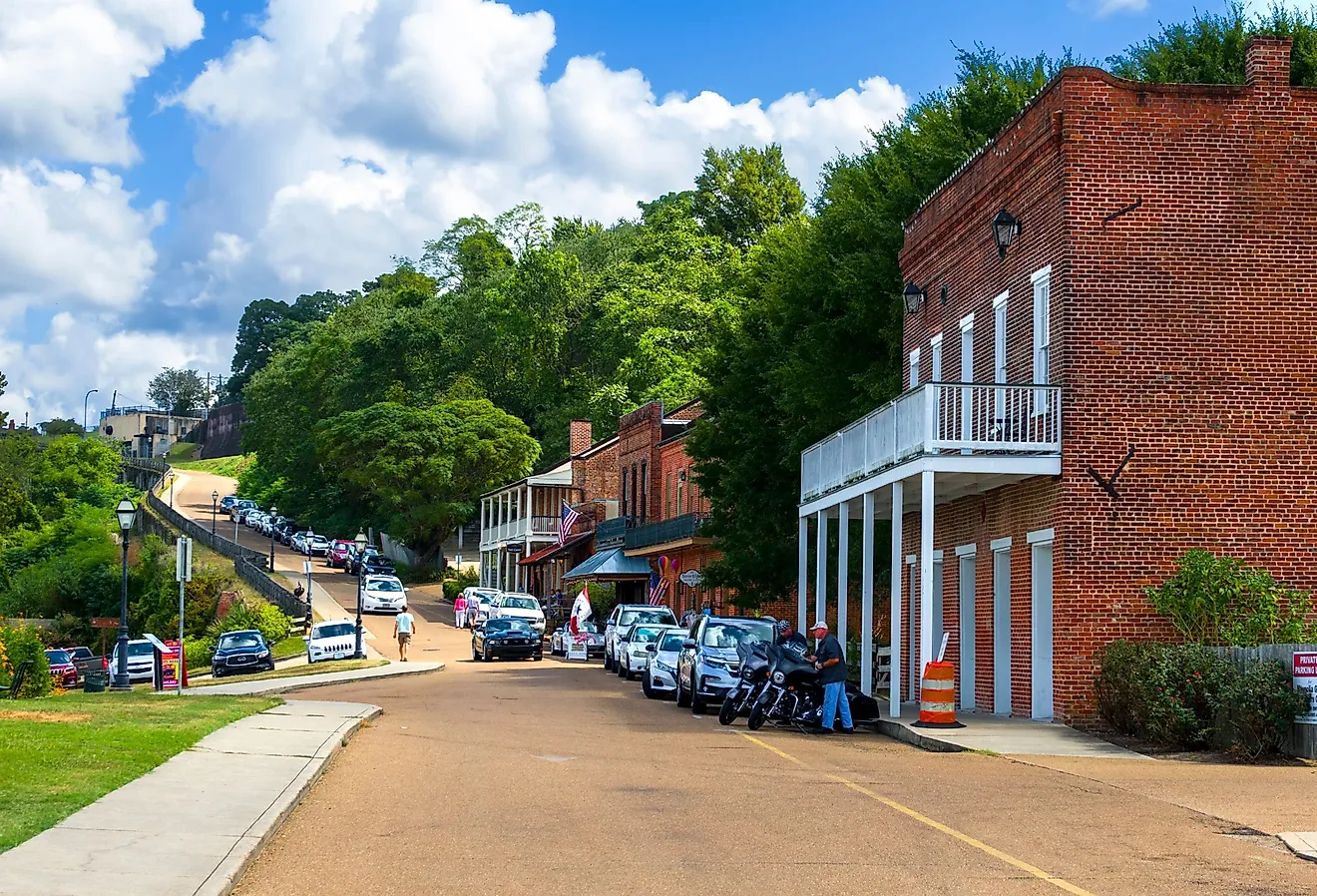
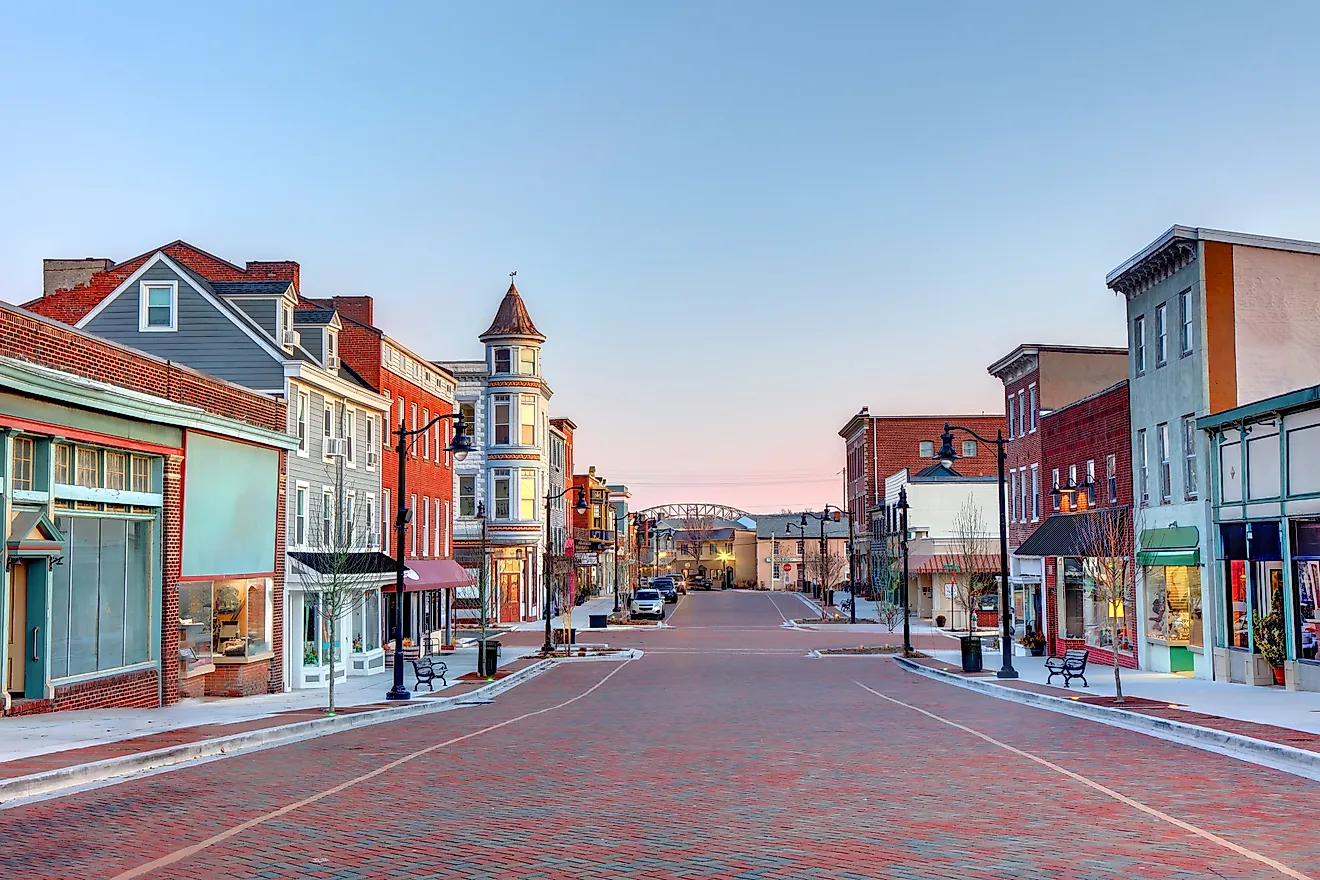
Litchfield's brick storefronts are not the colonial original. Fire cleared West Street twice in the 1880s, and what went back up was brick, with wood-frame construction banned. That second act is the real thread here. Putnam's mills became antique halls, Essex's chandleries became shops, and none of these eight downtowns stayed stuck in the century that built them.
Essex

Shipbuilding, maritime commerce, and river trade shaped Essex, and you can still read that past in the colonial buildings and the waterfront at the foot of Main Street. Start at The Griswold Inn, which opened its doors in 1776 and has poured drinks for travelers ever since, then work through the independent shops and galleries along the street. Emmy's On Main stocks gifts and souvenirs a few doors down. The Connecticut River Museum, an easy stop on a downtown walk, holds galleries on the region's maritime history. Follow the street to its end and the Essex waterfront opens onto the river and the boats moored there.
Chester

Artists set the tone on Chester's Main Street. What began as a farming settlement grew into a small mill town once local families put the area's rivers to work powering their machinery. A walk downtown takes in the Chester Gallery, where the art hangs in a historic village storefront, and Little House Brewing, a contemporary taproom among the old downtown storefronts. Diners head to Grano Arso for Italian-inspired plates, and the surrounding storefronts and side streets are worth a slow look on their own. Chester works for anyone who wants shopping, food, art, and architecture packed into a few walkable blocks.
Litchfield

Litchfield's Main Street runs along West Street beside a historic town green, where the architecture dates to the town's prominence in the colonial and early national years. By the mid-1800s, West Street held the town's commerce, its blocks packed with tradespeople, merchants, shops, hotels, and services. Two major fires in the 1880s leveled much of the street, and builders raised the replacements in brick. That rebuild accounts for much of what a visitor sees on the street today.
The Litchfield Town Green is an easy place to begin, a broad grassy square framed by historic buildings and storefronts. From there the West Street shops and cafes are a short walk, the Civil War Monument stands on the green itself, and the Litchfield Historical Society fills in the deeper story of the town's past.
Old Wethersfield

Nowhere in the state puts colonial Connecticut closer at hand than Old Wethersfield. Settlers arrived in the 1630s and adopted the Wethersfield name in 1637, building their first homesteads along what became Broad Street and Main Street. Farming, trade, and commerce sustained the community through its early centuries, and the historic center holds an unusually dense collection of early buildings. The Wethersfield Historical Society calls it arguably Connecticut's first settlement, and the historic district ranks among the best preserved in the state.
The best approach to Main Street is to walk its length, past the historic homes and storefronts that line the corridor. The Webb-Deane-Stevens Museum, whose houses connect to figures including George Washington, sits along the way, and the Broad Street Green has drawn neighbors together for generations. The Old Wethersfield Country Store rounds out the walk with a shelf of traditional candies, toys, and home goods. Together these stops give Old Wethersfield the feel of a lived-in neighborhood rather than a reconstructed village, with centuries of history still part of daily life.
Putnam

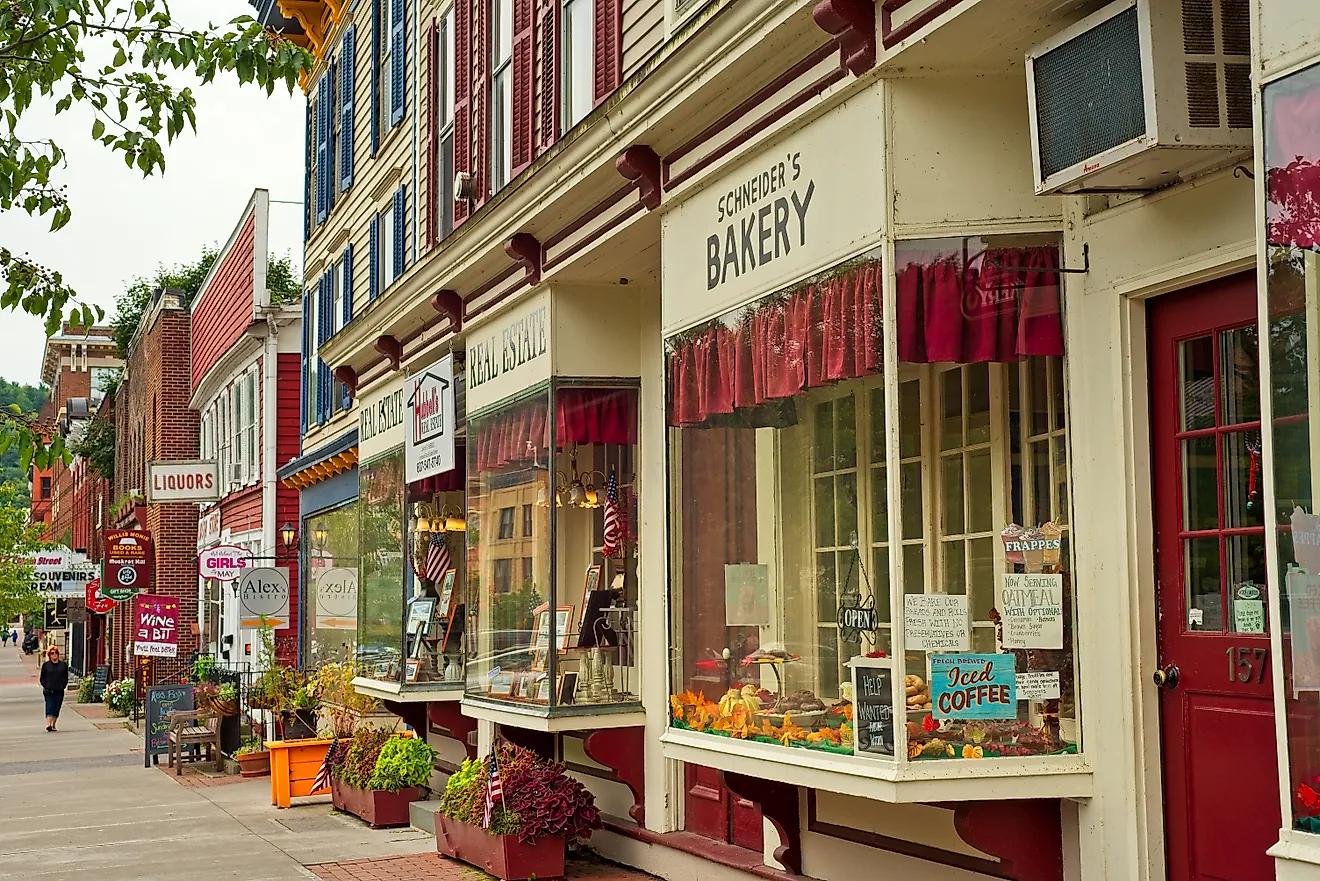
Putnam's Main Street reads differently from the coastal villages. Manufacturing once defined this northeastern mill town, and its downtown is now a district of antiques, restaurants, galleries, and studios. Residents gained a busy commercial core in that shift, with reminders of the industrial years still standing. Antique hunters comb the multi-storied Antiques Marketplace at Bugbee's on Main and the galleries nearby, then pick up the Putnam River Trail along the Quinebaug River. Cargill Falls drops through the heart of downtown a short walk from the shops.
New Milford

One of the state's longest town greens sets the scale for New Milford's Main Street. The General Assembly granted the town its township privileges in 1712, and Main Street and Bridge Street count among its earliest roads. The Housatonic River and the railroad together made New Milford a regional commercial and industrial hub through the 1800s. Through the 19th century, builders concentrated development around the green, fixing the downtown layout a visitor walks today.
The New Milford Town Green sits at the center of downtown, a greensward that runs several blocks beside Main Street with historic buildings and businesses along its edges. The Civil War Veterans Memorial, the Underground Railroad Memorial, and other markers stand around the green, with local shops and restaurants a short walk beyond. The Housatonic River runs close by, and the downtown architecture is a record of New Milford's long run as a commercial center.
Old Saybrook

Settlers founded Old Saybrook in the 17th century near the mouth of the Connecticut River, and its waterfront location later made it a transportation and resort town. A walk down Main Street passes historic storefronts, locally owned shops, and restaurants easy to cover on foot. The Katharine Hepburn Cultural Arts Center takes its name from the actress, who kept lifelong ties to Old Saybrook, and the General William Hart House stands as a relic of the community's colonial years. Keep walking toward the Connecticut River waterfront and an afternoon here folds together shopping, architecture, local history, and scenery.
New Canaan

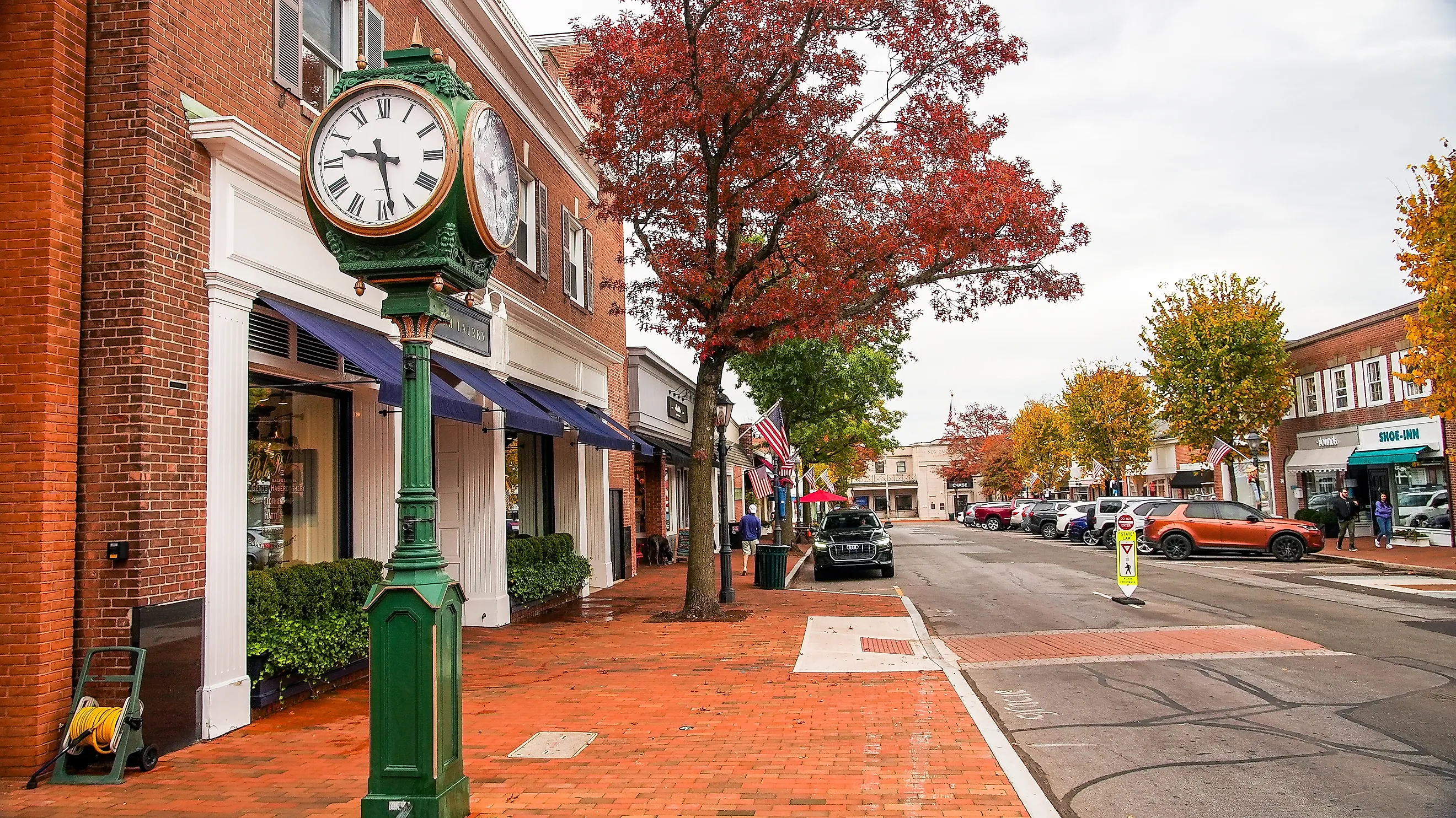
New Canaan brings a more refined take on a Connecticut Main Street. Colonists settled the area in the early 18th century, the town incorporated in 1801, and its central business district filled in as the community grew. New York City sits close by, and New Canaan ranks among Fairfield County's wealthier towns, yet it stays small, with a population near 21,000.
Downtown, boutiques and specialty shops run the length of Main Street for an unhurried browse, with restaurants and cafes between them and the New Canaan Museum & Historical Society and its record of the community's past. The Glass House, which architect Philip Johnson designed as his own weekend retreat, stands nearby as a landmark of modern architecture, and the historic streets themselves make for a long, easy walk.
Eight Streets, One Short Walk Each
Scale is the thread that ties these Main Streets together. None demands a long itinerary or a drive between stops, and most fit into an afternoon on foot, with shops, historic buildings, greens, restaurants, and river views packed into a few blocks. Chester rewards an art-and-food crawl, Old Wethersfield reads like a colonial neighborhood still in use, and New Canaan trades on modern design a train ride from Manhattan. Set beside the crowds and traffic of Hartford or New Haven, each one offers a smaller, slower way to spend a day in Connecticut.