8 Best Places To Live In Alberta In 2026
In Cochrane, the line outside MacKay's Ice Cream wraps past pioneer murals on a summer afternoon. Medicine Hat counts more hours of sunshine than any other Canadian city. Canmore wakes to the Three Sisters peaks standing over Main Street. East of Calgary, Chestermere turns a reservoir into a summer beach. All eight towns here sit well outside Calgary and Edmonton, and each one earns its place in a different way.
St. Albert, Alberta

St. Albert sits just northwest of Edmonton, home to 68,232 residents and built around its own downtown and the winding Sturgeon River. The city grew from a Metis settlement of 1861, and the Father Lacombe Chapel on Mission Hill still stands as the oldest building in Alberta. Red Willow Park threads an extensive trail system along the river. The St. Albert Farmers' Market runs throughout the summer and is one of the largest in the Edmonton area. Families come for the schools, which post graduation rates above the provincial mark, and for the safety that keeps St. Albert on regional best-places-to-live lists. The Sturgeon Community Hospital provides care in town. Homes here generally price a little above the Edmonton benchmark yet stay under the Alberta average of about $533,000 CAD. For families who want city access without city noise, St. Albert is hard to beat.
Canmore, Alberta

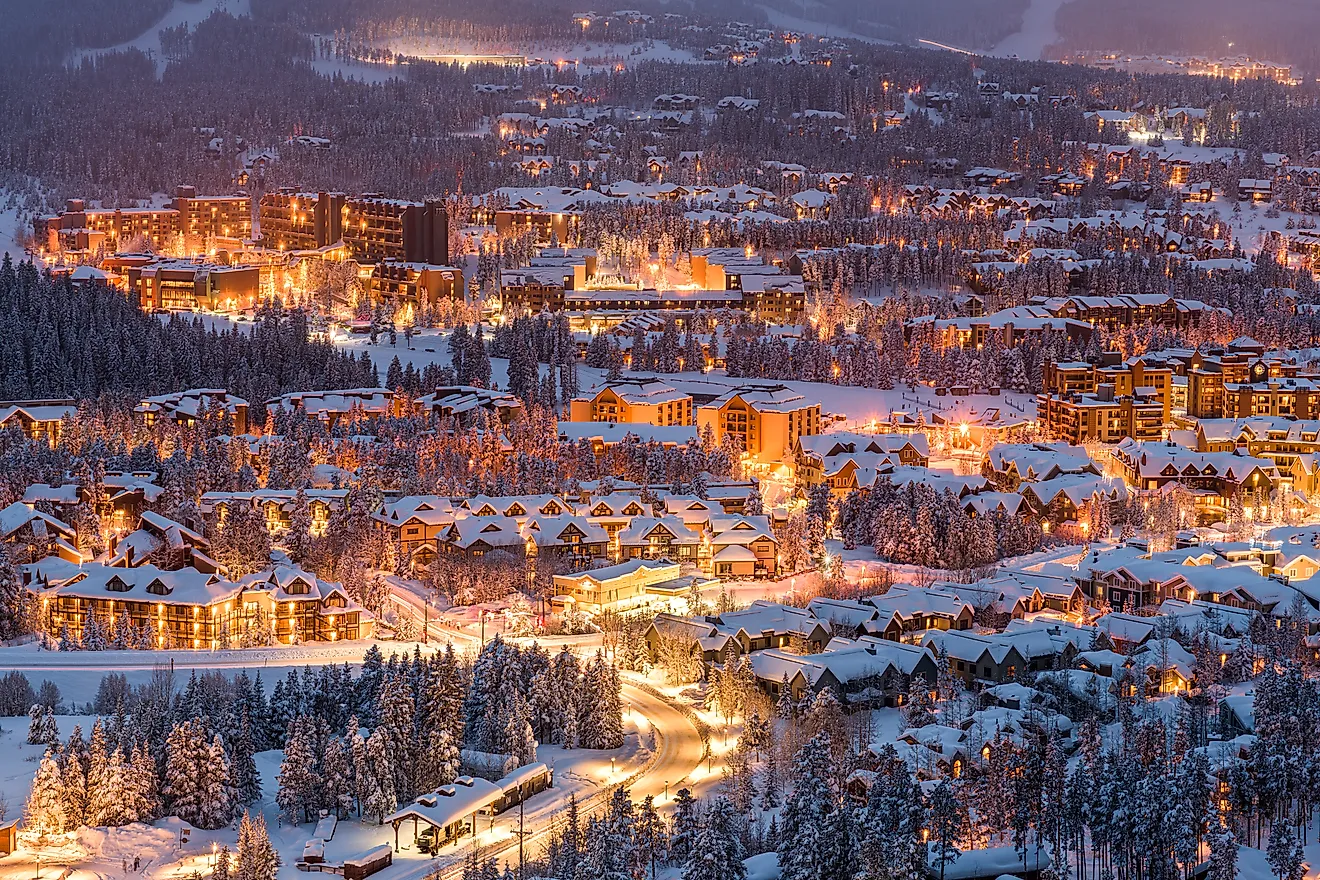
Canmore rises in the Bow Valley about an hour west of Calgary, pressed against Banff National Park and the Three Sisters. The town worked the coal seams until 1979, then remade itself as a Rocky Mountains base for people who would rather ski than commute. The Canmore Nordic Center, a legacy of the 1988 Winter Olympics, holds more than 40 miles of trail for cross-country skiing and mountain biking. Closer to downtown, the boardwalk along Policeman's Creek and the short climb to Grassi Lakes fill weekends without a car. Remote workers have steadily pushed into the valley, drawn by Lake Louise and the wider Canadian Rockies, which are an easy drive away. The Canmore General Hospital handles care for the town of about 15,990. All of this comes at a cost, with detached homes benchmarked near $1.7 million CAD in 2025, far above the roughly $533,000 an average Alberta home costs in early 2026. Canmore fits people who measure a place by the mountains outside the window.
Okotoks, Alberta

Okotoks lies along the Sheep River, about 11 miles south of Calgary, and is named for the Blackfoot word for rock. That rock is the Big Rock, the largest glacial erratic in the Foothills Erratics Train, carried onto the open prairie by ice from near Jasper. The town has grown to 30,214 residents while maintaining its heritage core. The storefronts of Olde Town hold the Okotoks Art Gallery and a row of local shops, and the Sheep River valley runs more than 30 miles of pathway through town. The Foothills School Division and Christ the Redeemer Catholic schools cover families well. The Okotoks Health and Wellness Center handles urgent care, with the High River Hospital a short drive south. Detached homes benchmarked around $716,000 in 2025, above the provincial average of $533,000. Households after a river-valley town within reach of Calgary jobs land naturally in Okotoks.
Medicine Hat, Alberta

Medicine Hat holds a record the rest of the province cannot match, logging about 2,544 hours of sunshine a year, making it the sunniest city in Canada. The city is the commercial hub of Alberta's southeast corner. The Saamis Teepee greets drivers on the Trans-Canada Highway as the world's tallest teepee, a steel landmark built for the 1988 Winter Olympics above the Seven Persons coulee. The South Saskatchewan River runs through the heart of town, with Police Point Park and Kin Coulee Park tracing its banks. The old clay industry survives at the Medalta pottery works and the Esplanade Arts and Heritage Center downtown. Cheap natural gas has built the economy and keeps living costs down. Detached homes sold near $457,000 in 2025, below the $533,000 an average home fetched province-wide. The Medicine Hat Regional Hospital runs a trauma center for the city's 63,271 residents and the surrounding southeast. For buyers chasing sunshine, space, and a lower mortgage well off the corridor, Medicine Hat delivers.
Cochrane, Alberta

Cochrane stands where the Bow River meets Big Hill Creek, 11 miles west of Calgary, at the point where the prairie folds into the foothills. The town grew out of the Cochrane Ranche, the birthplace of Alberta's commercial cattle industry, and the western streak still shows in its rodeos and storefronts. MacKay's Ice Cream has drawn lineups on First Street for three generations, while Riverfront Park opens the Bow River to rafting and the paved pathway network. Big Hill Springs and Glenbow Ranch provincial parks sit minutes away for an after-work hike. Cochrane was among the fastest-growing communities in Alberta at the 2021 census, with a population of 32,199. The Cochrane Community Health Center provides daily care, with Calgary's hospitals about 30 minutes east. Detached homes benchmarked near $686,000 in 2025, above the province-wide average of around $533,000. Growing families who want foothills and cowboy character at the city's edge find it here.
Beaumont, Alberta

Beaumont keeps its French roots in plain view, built around the red-roofed St. Vital Church that has crowned its hill since 1919. French-Canadian settlers founded the town in 1895, and Beaumont remains one of the few officially bilingual municipalities in the province. Its downtown, with its brick walkways, is styled after a French village. Growth has been quick for the town of 20,888, helped by a short drive from the Edmonton International Airport and the Nisku Industrial Park. Four Seasons Park and more than 12 miles of trail give families room to spread out, and household incomes here run among the highest in the Edmonton region. The Leduc Community Hospital is a short drive away, with Edmonton's full network close behind. Detached homes generally sell in the $450,000 to $550,000 range. That lands near the Alberta average of about $533,000. Beaumont rewards families who value character and strong earnings near airport-area work.
Chestermere, Alberta

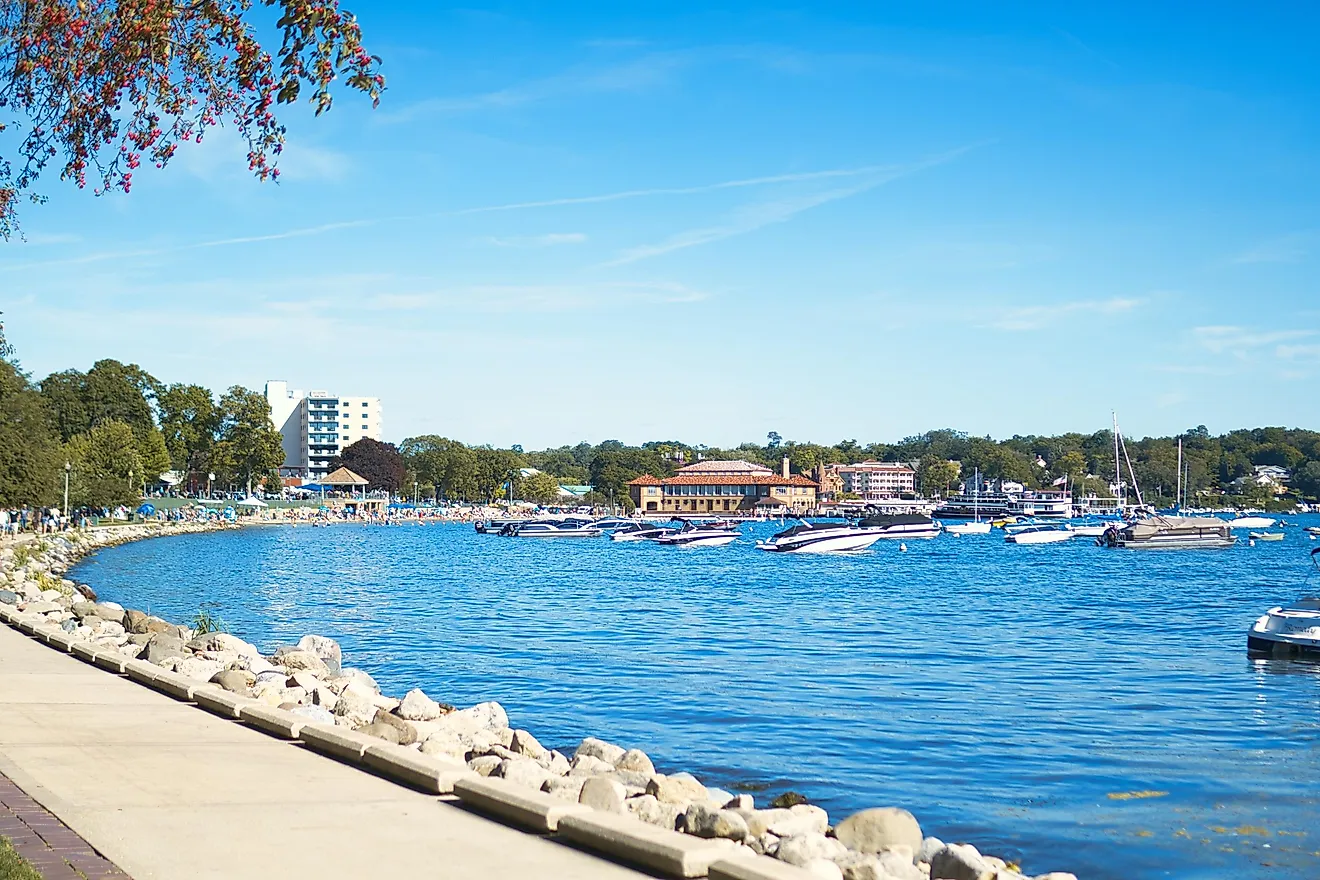
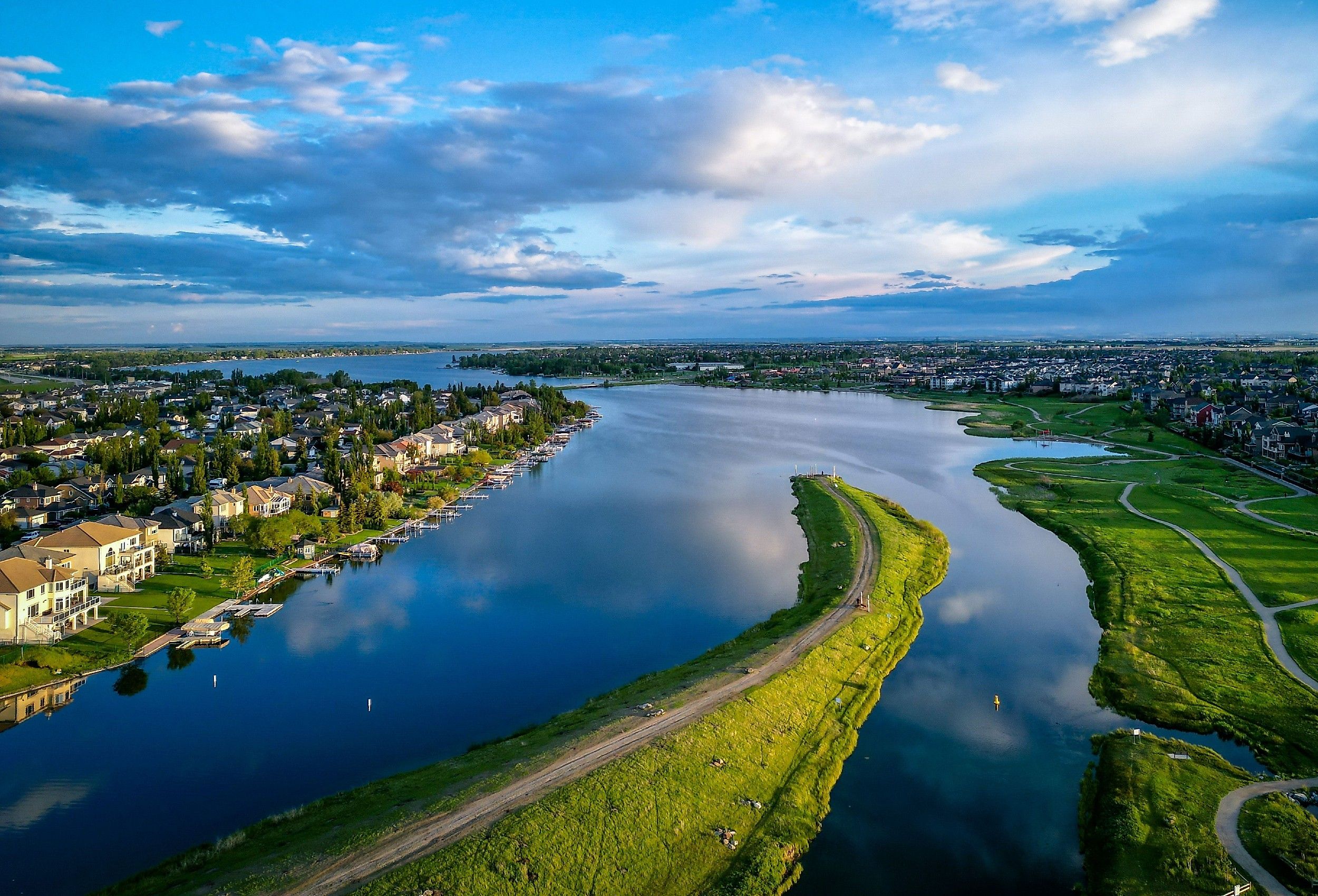
Chestermere is built around its water, a city of 22,163 wrapped along a reservoir that becomes its front yard each summer. Chestermere Lake stretches almost three miles, lined by the Chestermere Landing marina and the beach at Anniversary Park. Boat launches send out kayaks, paddleboards, and wakeboards through the warm months. Winter freezes the lake into a skating surface, long enough to skate nearly six miles out and back. The city lies about 12 miles east of Calgary on the Trans-Canada Highway, with property taxes lower than those in many Calgary suburbs. Growth has ranked among the fastest in Alberta since Chestermere became a city. Calgary's hospitals are about 12 miles west for acute care. Detached homes benchmarked near $814,000 in 2025, well above the $533,000 Alberta average. A lake at the door with Calgary within reach makes Chestermere an easy call for active households.
Spruce Grove, Alberta

Spruce Grove spreads along the Yellowhead Highway about seven miles west of Edmonton, a family town wired for recreation. The city built its name on what families can do without leaving town. The TransAlta Tri Leisure Center packs pools, water slides, and NHL-sized rinks into more than 320,000 square feet. The complex is shared with neighboring Stony Plain and Parkland County. The Heritage Grove trail network winds more than 18 miles through forest and parkland, and the Horizon Stage Performing Arts Centre keeps live music and theater in town. The Grain Elevator Museum marks the railway history that began there. The Westview Health Center in neighboring Stony Plain handles emergencies for its 37,645 residents, with Edmonton's hospitals a short drive east. Detached homes rank among the most affordable in the Edmonton region, holding well under the provincial average of $533,000. Spruce Grove is a natural fit for active families who want amenities without a premium price.
Canmore and Cochrane trade on the Rockies and the foothills, while Chestermere turns its lake into a front yard. St. Albert, Beaumont, and Spruce Grove pair Edmonton access with room for families. Medicine Hat and Okotoks reward anyone chasing sunshine, value, or a river valley. The right fit comes down to what a household wants close at hand.