7 of the Friendliest Towns To Retire In The Maritimes
Canada’s three Maritime provinces, New Brunswick, Nova Scotia, and Prince Edward Island, are known for their East Coast hospitality and friendliness. In St. Andrews, retirees can spend afternoons on Water Street, a handsome historic main street lined with local shops and views of the Bay of Fundy. In Wolfville, the year-round Wolfville Farmers’ Market adds extra warmth and energy, giving the town a welcoming community hub filled with local food and crafts. For the retiree seeking a laid-back small-town lifestyle, these three Maritime provinces have all that to offer you, featuring some of the most beautiful landscapes in Canada.
St. Andrews, New Brunswick

With a relaxed seaside town atmosphere and a low cost of living, St. Andrews makes for a perfect retirement destination. For the active retiree, St. Andrews offers plenty of activities, including hiking, water activities, library programs, waterfront dining, and a thriving downtown core. The historic town center is walkable, and the town’s location on the Bay of Fundy gives it a dramatic backdrop and a nautical culture. The downtown is a National Historic District, built as an 18th-century British colonial settlement. The main street in the downtown is Water Street, which the Canadian Institute of Planners awarded the Great Street designation. In the downtown district, you will find locally owned shops, cafes, and pubs, as well as great restaurants emphasizing local seafood, including the waterfront-located William and Water.
For a truly unique experience, you can drive along the ocean floor to nearby Ministers Island when the tide is completely out. Learn more about marine life at the Huntsman Fundy Discovery Aquarium, or take a tall ship cruise to watch whales and seals in the Bay of Fundy. Water Street also hosts Winter Wonderland, when the street is lit up, and local studios and workshops are open for tours. From May through September, the Farmers’ Market is open on Thursdays for local goods.
Charlottetown, Prince Edward Island

Charlottetown combines the warmth and community spirit of a small town with the amenities and the history of a provincial capital. Prince Edward Island’s capital is the largest in the province, yet it maintains the culture and lifestyle of a smaller town. Known as the Birthplace of Confederation, Charlottetown hosted the 1864 Charlottetown Conference, which helped lay the groundwork for Canadian Confederation in 1867, though Prince Edward Island did not join until 1873. The city is also known as a seaside destination, with a walkable downtown filled with Victorian architecture and a renowned culinary scene. For the retiree seeking East Coast atmosphere, a deep sense of history, and the advantages of living in a provincial capital, Charlottetown is a great choice.
Charlottetown is on the southern shore of PEI, with a deepwater harbor at the confluence of three rivers. Its cultural amenities match its status as a small city, with annual festivals, a thriving brewery scene, and celebrated theater. Downtown’s Victoria Row is a pedestrian-only cobblestone street with Victorian brick buildings, locally-owned shops, outdoor dining, pubs, and cafes, and craft studios and shops. For outdoor activities, Victoria Park is a waterfront green space with a boardwalk and harbor views. During the spring and summer months, Charlottetown is alive with festivals throughout the city and waterfront, including the summer-long Charlottetown Festival, which features Anne of Green Gables-The Musical, and the fall PEI International Shellfish Festival.
Tantramar, New Brunswick

The town of Tantramar was created through the amalgamation of Sackville and several other communities. The region is located on Chignecto Bay, an inlet of the Bay of Fundy. This university town is ideal for retirees seeking a collegiate and cultured atmosphere. The Sackville historic district is known for its social atmosphere and strong community spirit and is famed for its red sandstone architecture. Home to Mount Allison University, Tantramar is located on the beautiful Tantramar Marshes, a 49,500-acre tidal salt marsh on the Chignecto Isthmus, the narrow strip of land connecting New Brunswick and Nova Scotia.
For birdwatchers, Sackville Waterfowl Park is a 55-acre wetland sanctuary with over 2 miles of boardwalks and trails, and is home to more than 160 bird species. Located near Waterfowl Park and Mount Allison University, the town's historic district includes eclectic, locally owned shops and restaurants that reflect the town’s coastal vibe. For culture, Owens Art Gallery, founded in 1895, is the oldest university art gallery in Canada. The area's shipbuilding history is celebrated at the Boultenhouse Heritage Centre, a museum housed in a shipbuilder's home from 1840. Since 2006, SappyFest has been held every August, celebrating independent music and arts.
Wolfville, Nova Scotia

Located in the scenic Annapolis Valley of Nova Scotia, Wolfville is renowned for its wineries and vineyards and its small-town sense of community. The surrounding landscape is known for the world’s highest tides, while the valley is lush with orchards and vineyards. Wolfville and the Annapolis Valley are rich with Mi'kmaq and Acadian history and culture. For active retirees, Wolfville offers a lively university-town spirit, outdoor activities such as hiking and whale watching, and is the hub of the province’s wine industry.
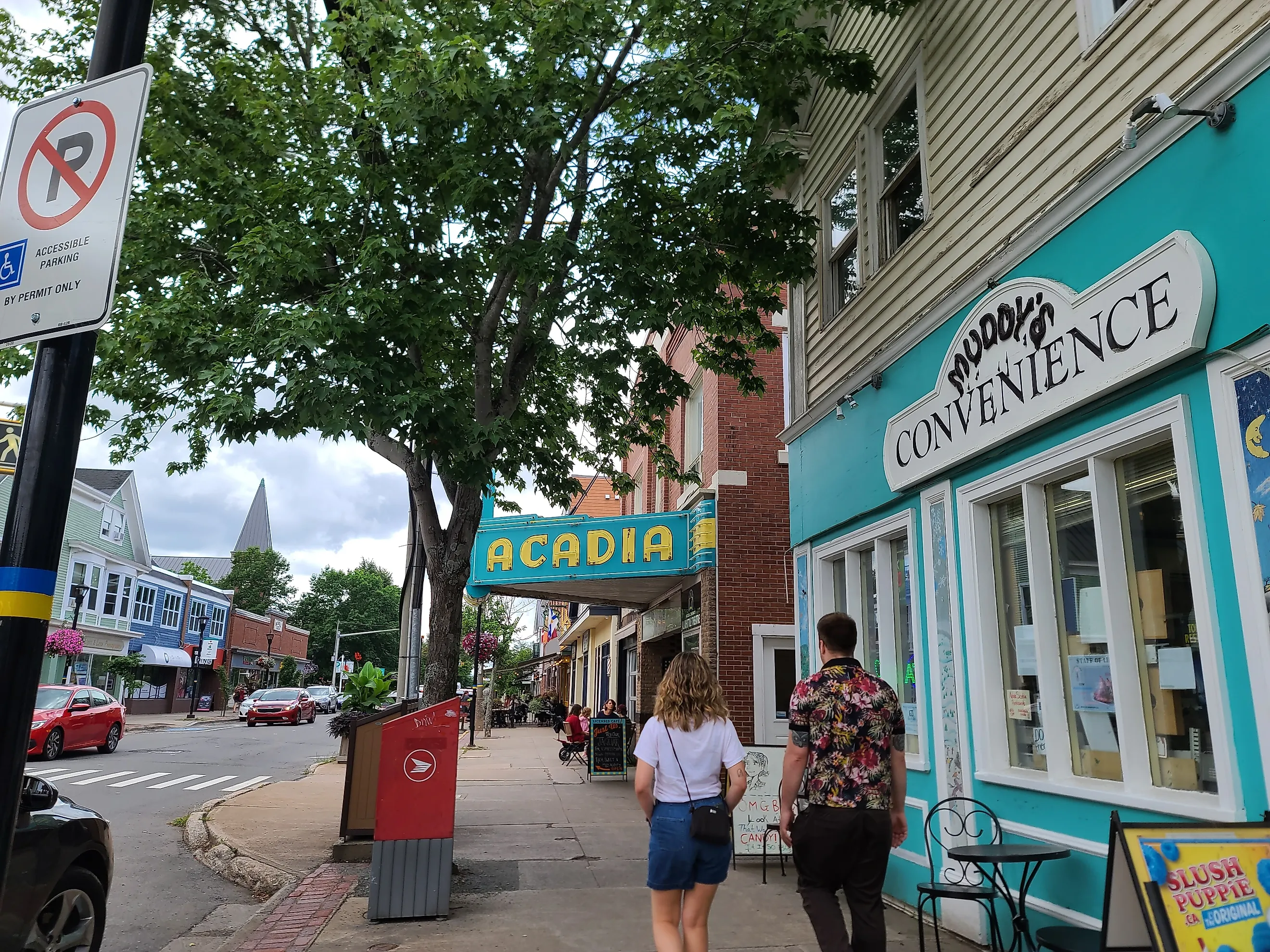
There are 11 wineries within 12 miles of Wolfville. To see them all, check out the Magic Winery Bus, which is a hop-on/hop-off tour of all the wineries in the region. Acadia University houses the Harriet Irving Botanical Gardens on its historic campus. Downtown Wolfville is a thriving, walkable commercial center, with independent shops and restaurants reflecting the area's abundance of wine and seafood. It is also a gateway for the famous and dramatic tide of the Bay of Fundy. The Wolfville Farmers' Market is located in a former apple warehouse and features over 50 vendors year-round. The world's largest food film festival, Devour! The Food Film Fest, takes place here every October. For some outdoor activities, Waterfront Park provides views of the world’s highest tides and the picturesque Cape Blomidon.
Digby, Nova Scotia

A beautiful fishing town in southwestern Nova Scotia, Digby is known as the Scallop Capital of the World. The town is a gateway to the province through its connection to Saint John, New Brunswick, with the MV Fundy Rose ferry. The waterfront is still thriving with the world’s largest inshore scallop fleet. You can watch the boats come and go while enjoying the fresh seafood at many of the seaside patios. Digby is also famous for whale watching, with boat tours available to observe humpback, fin, and minke whales. For the retiree, Digby is a friendly coastal community with a slower pace of life, excellent healthcare, and lots of outdoor activities on the water and on land.
With its coastal lifestyle and access to abundant seafood, it is no surprise that Digby hosts a number of seaside festivals. Scallop Days is the town’s longest-running festival, held every August, with scallop shucking contests, a parade, and of course, lots of scallops to eat. Not to be forgotten, lobster fishing is also a big industry in Digby, and every year in July, the Lobster Bash takes place. Downtown Digby is centered around Water Street, overlooking the Annapolis Basin and a bustling working waterfront. The Admiral's Walk is a promenade along the bay where you can watch the scallop fleets and catch the dramatic Bay of Fundy tides. Along the Admiral’s Walk on Fridays and Sundays from June to September, the Digby Farmers and Artisans Market takes place. Downtown has a thriving culinary scene, and local specialities include scallops and lobster, of course, plus Digby Chicks, which is similar to smoked herring.
Miramichi, New Brunswick

Miramichi is a riverfront town with a strong sense of community and low housing costs. The area is particularly renowned for its salmon fishing, and its regular access to nature should appeal to the retiree who is seeking a small-town vibe and an outdoor lifestyle. Additionally, the area’s history should appeal to anyone seeking a look at the past. Over 3,000 years of Mi'gmaq history can be found at Metepenagiag Heritage Park.
Historically, Miramichi was a location for immigrants from Europe, and Middle Island was a quarantine station. Middle Island Irish Historical Park explores that history, in particular, the Irish immigrants who passed through the area in the 19th century. With its world-class salmon fishing on the Miramichi River and its heritage from Scottish, Irish, and English settlers, Miramichi offers heritage and culture, plus abundant natural areas for hiking and kayaking. In July every year, Canada's Irish Festival on the Miramichi takes place on the waterfront, and in August, the annual Miramichi Folksong Festival celebrates traditional and contemporary folk music with concerts and pub nights.
Lunenburg, Nova Scotia

Lunenburg is known as a historic town that is slower-paced, friendly, and safe. For retirees seeking a strong sense of community, the town offers much. Lunenburg is a UNESCO World Heritage site, famed for its brightly painted 18th-century wooden homes. The town is walkable, and its scenic waterfront is worth exploring. Compared to other Maritime locations, Lunenburg is relatively mild in the winter, with average temperatures between 30 and 40°F. The town’s outdoor life and activities stem from its South Shore coastal setting, with sailing and fishing among the most popular activities.
Access the local fishing village, Blue Rocks, by kayak and take in its famous blue slate rocks. For the adventurous, Ovens Natural Park features sea caves, cliffs, and walking trails along the rugged coast. The LaHave Cable Ferry takes you across the LaHave River for a view of the town and the surrounding waters. In the 18th-century town center, with its famous colorful buildings, you can shop in locally-owned shops and dine at any number of restaurants, most featuring local seafood. A local delicacy is the Lunenburger, a lobster-topped burger, originating at the Grand Banker, a waterfront restaurant.
Settle Down In The Beauty And Friendliness Of The Maritimes
Some of the most welcoming parts of Canada are right on the East Coast. The Maritime provinces offer natural beauty, a laid-back lifestyle, and a welcoming sense of community. New Brunswick, Nova Scotia, and Prince Edward Island offer a friendly small-town life in some of Canada's most beautiful and rugged settings. East Coast life, its institutions, sense of history, and hospitality make for an exceptional retirement destination.