7 Main Streets Where The Ozarks Comes Alive
The small towns of the Ozarks showcase everything from musical collaborations to shops in historic buildings, as is reflected in their vibrant main streets. Mountain View features the Stone County Courthouse Square front and center, which celebrates the town's folk heritage through local jam sessions. In addition to fantastic local musicians, many of these main streets are located close to waterfront parks, like Loberg Park in Hardy, which overlooks the Spring River and sits just steps away from the heart of the town. Speaking of memorable experiences with water, downtown Eureka Springs offers visitors the unique chance to soak in the healing mineral waters of its bathhouses. So, continue on to discover the distinct experiences provided by each of the seven main streets listed below.
Eureka Springs, Arkansas

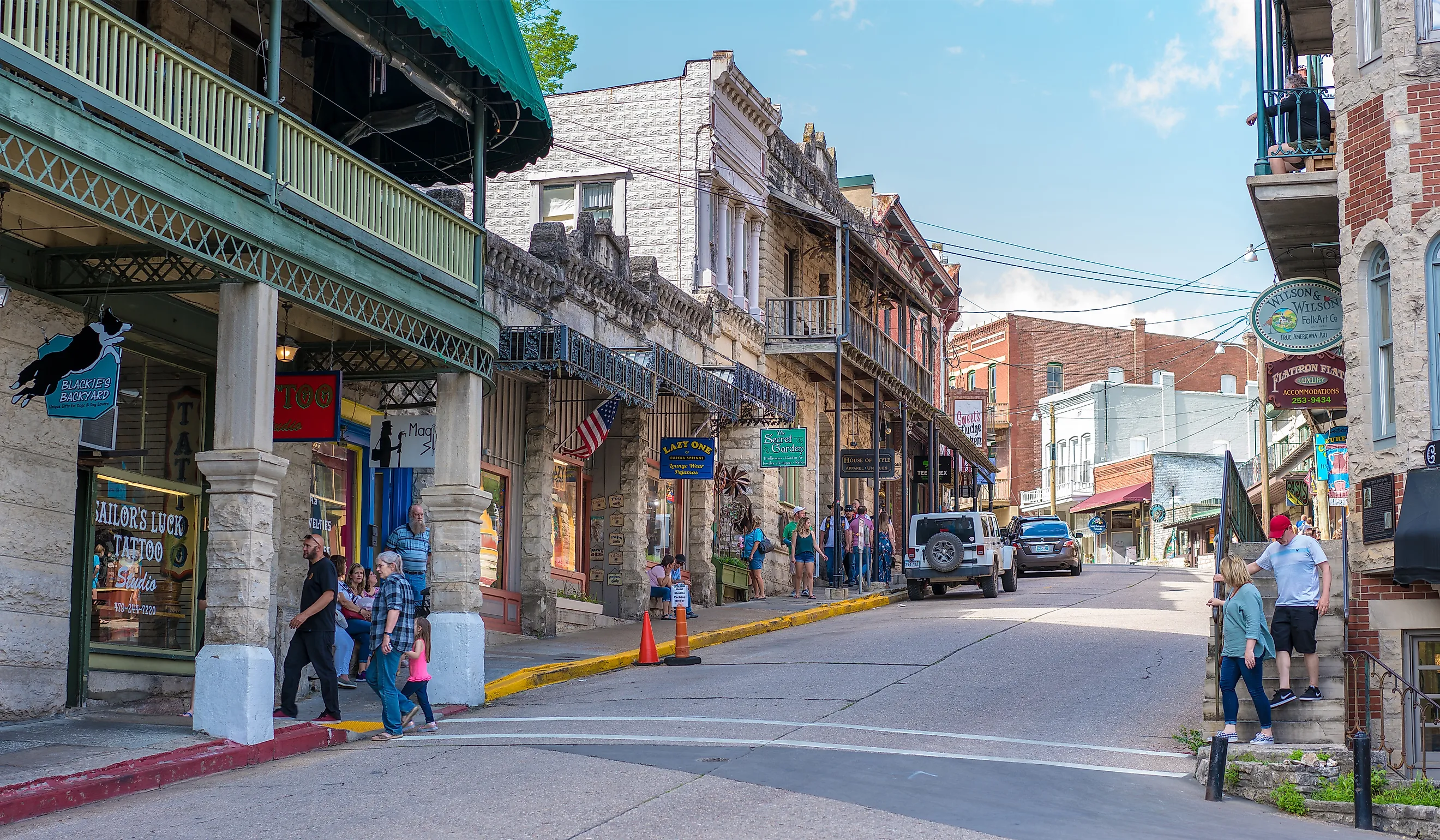
Founded in 1879 during a rush to its mineral springs, Eureka Springs, Arkansas, developed along steep hillsides, and Spring Street still honors this history, particularly through its architecture. The Basin Park Hotel sits directly across from Basin Spring, where visitors first gathered to collect water believed to have healing properties. Just uphill, the Crescent Hotel and Spa is a 1886 structure tied to the city’s early tourism economy. The Flatiron Flats building looks like it belongs on a stage as a performance backdrop and marks one of the most recognizable intersections, wedged tightly into a triangular lot that reflects the town’s irregular layout. Inside an 1889 structure, the Eureka Springs Historical Museum documents how the springs shaped settlement patterns and spurred the town's popularity as a wellness destination.
Van Buren, Arkansas

Also in Arkansas and established in the 1840s as a port along the Arkansas River, Van Buren's six-block Main Street reflects its early commercial trade success. The King Opera House, constructed in the 1890s, continues to host performances in the same hall where traveling productions once stopped by. Nearby, the Crawford County Courthouse anchors the district, tying the street to its civic origins in the mid-19th century. Don't miss the chance to tour the Drennen-Scott Historic Site on North 3rd Street, an 1838 home linked to the Trail of Tears and the Civil War. Main Street Mercantile operates inside a beautifully restored historic building, alongside several other small businesses. Just a short walk away, the river provides a direct reminder of the steamboats that used to cross its path.
West Plains, Missouri

Located near the southern edge of Missouri’s Ozarks, West Plains’ courthouse square still shapes the layout of the town's Main Street. Vintage stores and boutiques like Dixie Soul Western Boutique and eateries like Country at Heart line the streets that radiate outward, many operating in buildings that date to the town’s early growth period. The Go Farm Farmers Market of West Plains sets up nearby on Worley Drive, and, for an educational opportunity, the Harlin Museum houses regional art and historical exhibits tied to the area’s early settlers within walking distance of the square.
Hardy, Arkansas

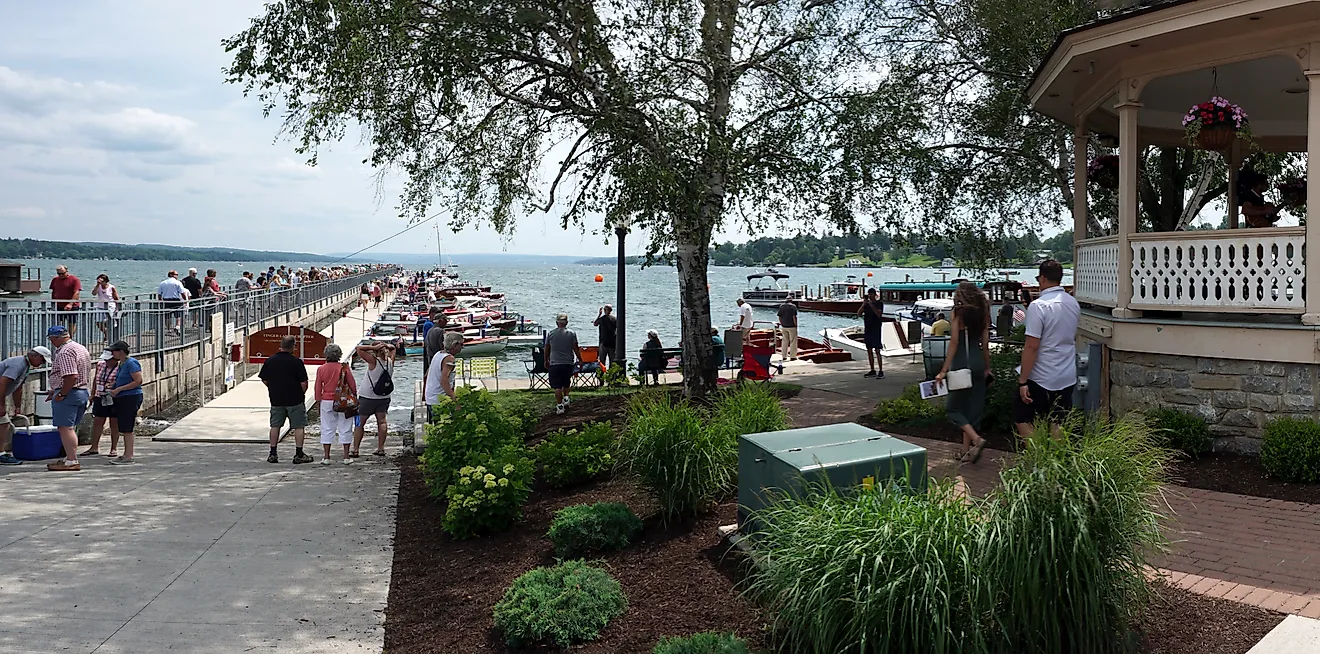
In the Ozark foothills of Arkansas, the town of Hardy grew in the late 1800s as a railroad stop and, a little later, as a vacation retreat for visitors interested in the Spring River. Main Street, within steps of the Spring River, still reflects that dual role. A short distance from Main Street, the easy access to the Spring River at Loberg Park invites visitors to enjoy a picnic on the grounds. In addition, seasonal festivals like Hardy Homesteaders Day, held each September, close off sections of Main Street and host events such as live music and even a contest for 'the best 1883 costume.'
Branson, Missouri

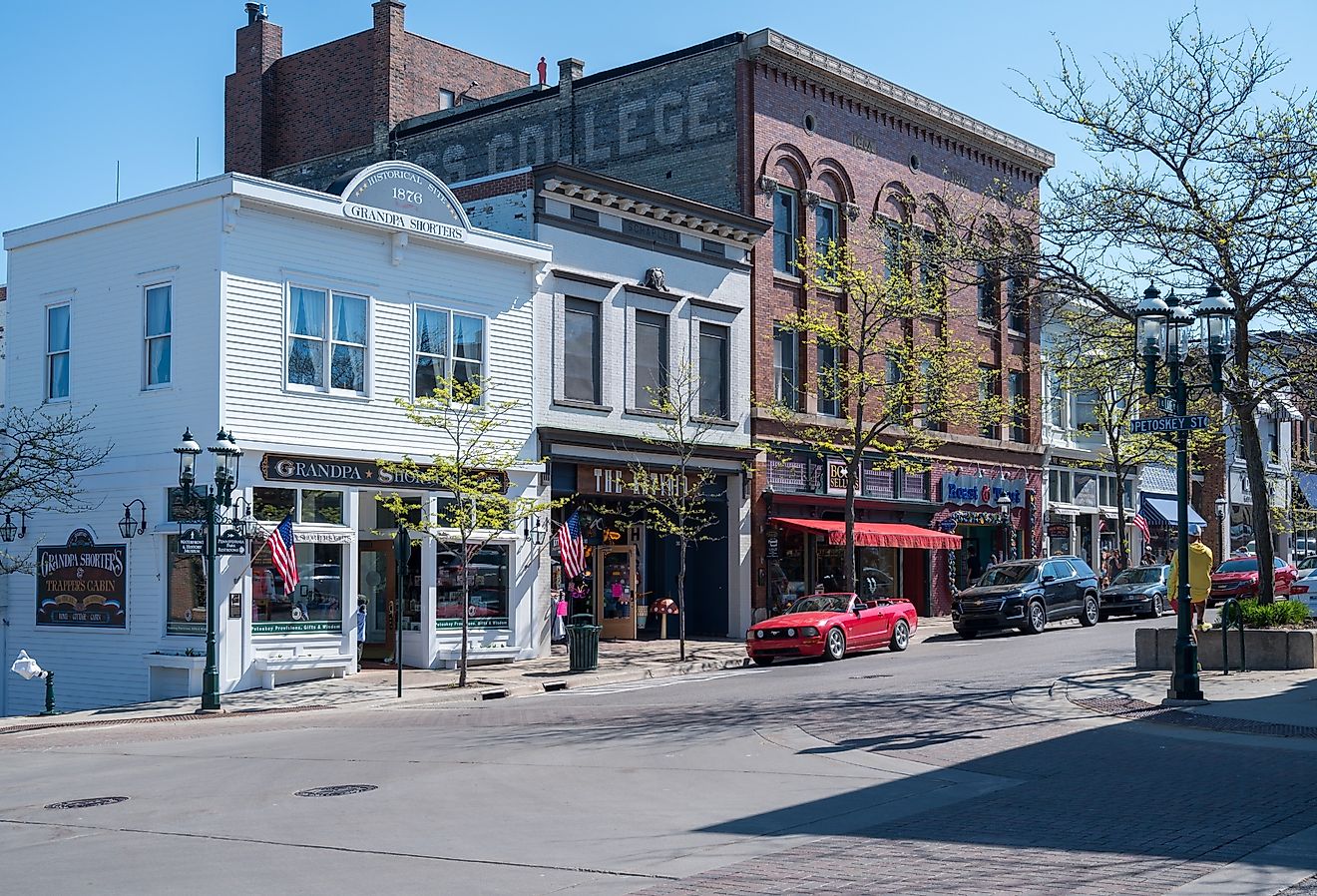
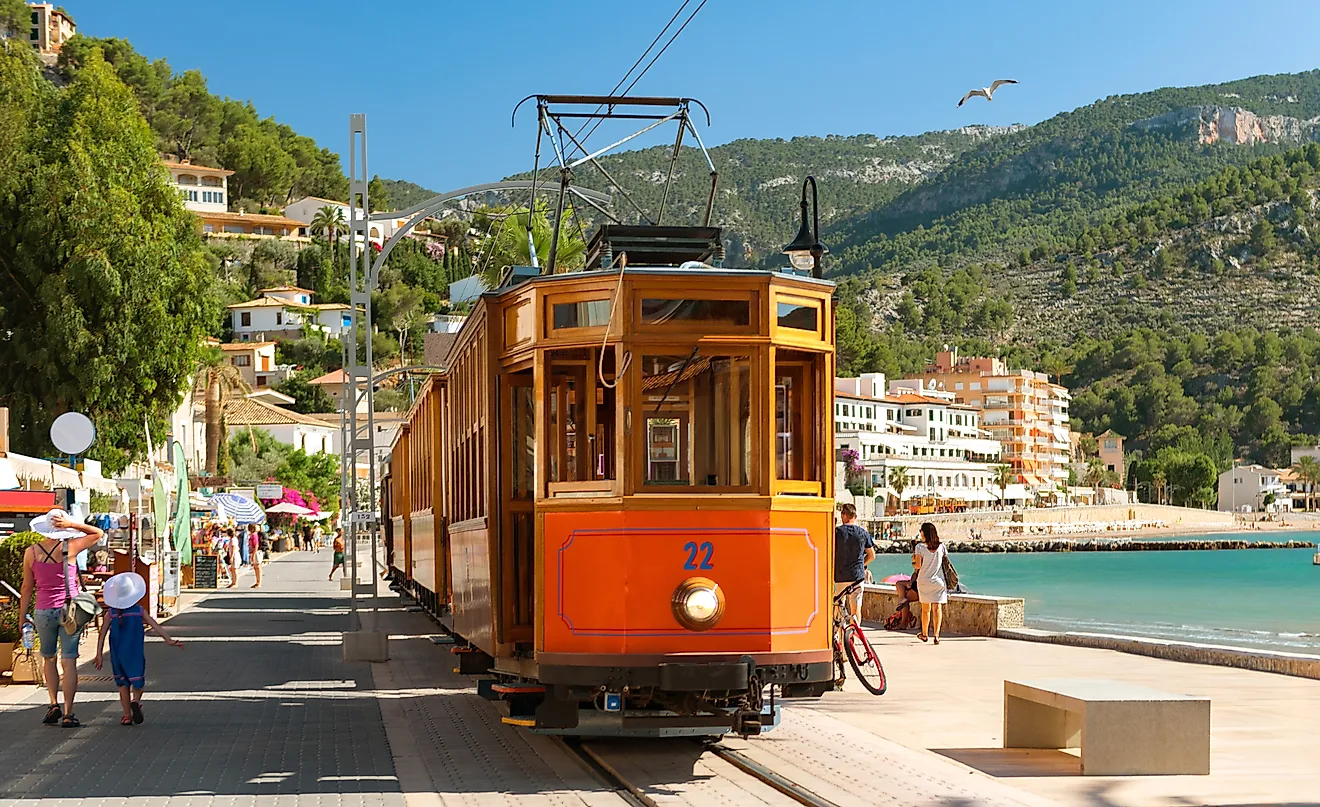
Best known as a theater destination, Branson, Missouri's historic downtown includes long-standing diners like the Branson Cafe on Main Street and retail spaces like Dick’s 5 & 10. Nearby, Branson Landing extends the commercial area along the waterfront while contrasting with the older, more compact street grid of downtown. Here is where you will find exciting and memorable activities such as the 7D Dark Ride Adventure. The Branson Scenic Railway still operates from the downtown depot, offering rides in vintage passenger cars along routes that follow original rail lines through the Ozarks. Much of the district is accessible via Branson’s free trolley service, which connects Main Street, the landing, and the convention center.
Mountain View, Arkansas

Known as the “Folk Music Capital of the World,” Mountain View, Arkansas, hosts jam sessions all over town, particularly around its historic Stone County Courthouse Square. Along Main Street, shops like Mountain View Music focus on stringed instruments, regional crafts, and recordings tied to local performers. Just outside downtown, Ozark Folk Center State Park provides a structured counterpart, preserving regional music and craft traditions that also continue to unfold spontaneously along the street. Look for the park's Craft Village, where more than 20 working artisans demonstrate, create, and sell handmade items in season.
Calico Rock, Arkansas

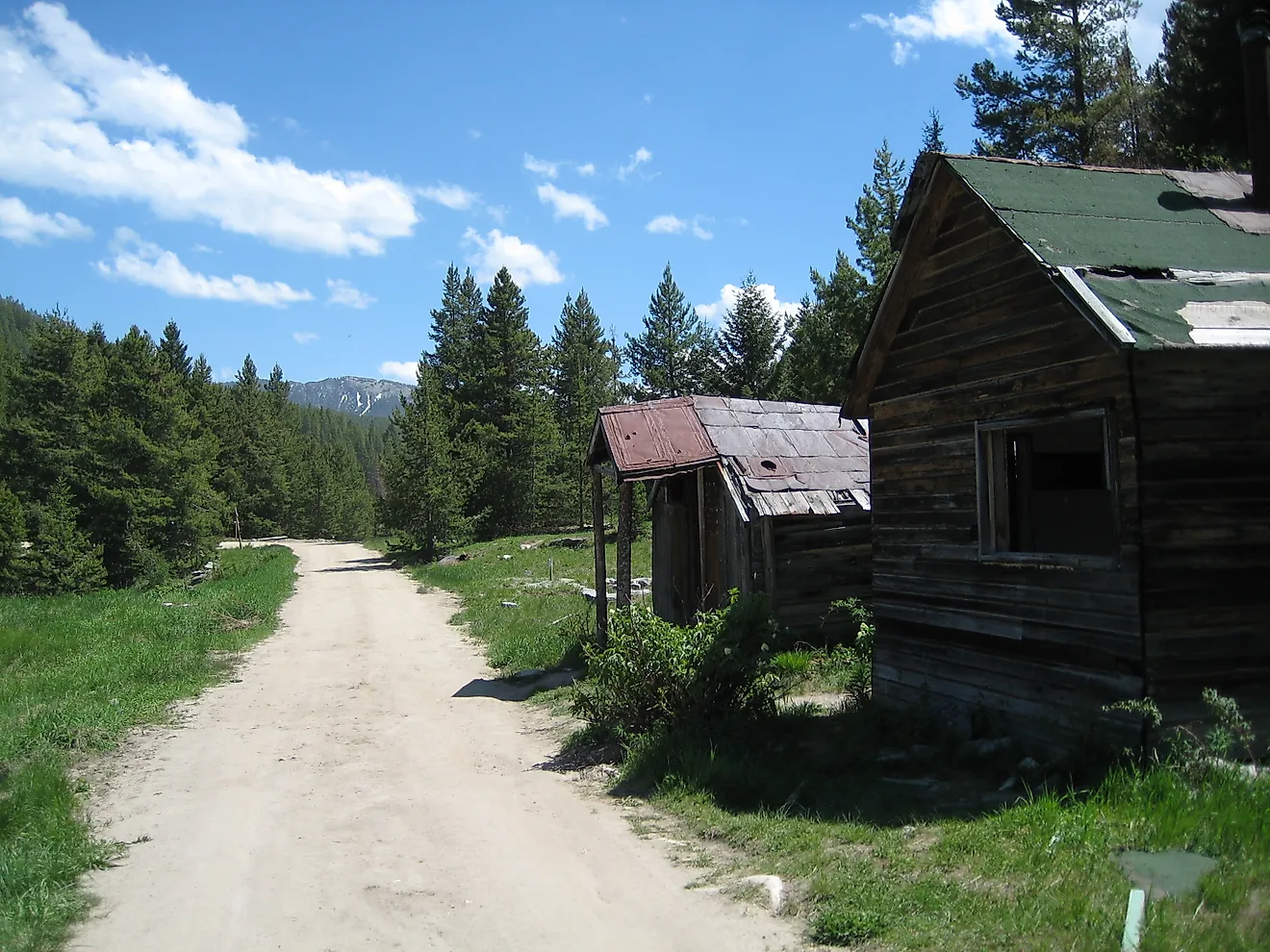
A one-time steamboat landing positioned above the White River, Calico Rock, Arkansas’s Main Street, sits beneath the multi-colored rock bluffs that gave the town its name. The Calico Rock Museum & Visitor Center sits directly on Main Street, documenting local history inside a large historic building that once served the town’s commercial river trade. Continuing along Main Street, antique shops like Calico Collectibles occupy preserves vintage finds and gifts that stand out. Access points to the White River—such as the Calico Rock Trout Dock—remain active for fishing and kayaking. If you're still in the mood for adventure, tour the partially abandoned buildings of East Calico, known as a "ghost town within a town."
The history of the Ozarks can be found in the preserved main streets of its small towns as easily as in its museums and mountains. These seven main streets embody the special character of the region, from musical traditions carried on the sidewalks of Mountain View to the performance culture of Branson. Walking these streets reveals layers of river commerce, Victorian-era development, and the natural landscape of limestone bluffs and forested hills that continue to shape the Ozarks today.