7 Laid-Back Towns in West Virginia
West Virginia’s most laid-back towns reflect everyday life shaped by rivers, rail lines, and long-standing downtowns. Lewisburg and Elkins anchor their communities around active main streets and local institutions. Hinton and Harpers Ferry show the state’s railroad and river history through compact neighborhoods and preserved streetscapes. Fayetteville carries a strong outdoor identity tied to the New River Gorge, while Clarksburg and Charles Town maintain residential rhythms grounded in history rather than tourism. Together, these towns represent places where routines, relationships, and place matter more than pace.
Lewisburg

Lewisburg, West Virginia, has long supported a steady arts presence alongside its small-town setting. Carnegie Hall serves as a regional venue for concerts, films, and exhibitions, featuring both local artists and touring performers. Nearby, the Lewis Theatre, built in 1939, continues to show movies, along with hosting concerts and dance events. Just outside town, Lost World Caverns offers self-guided tours through chambers lined with stalactites and stalagmites, with more demanding wild cave tours available for those who want to go farther underground.
Hinton

Known for its downtown filled with classic American architecture, Hinton, West Virginia, is a town with lasting appeal. The Hinton Historic District features well-preserved buildings and scenic streets suited to relaxed walks. History lovers can stop by the Hinton Railroad Museum to learn about the town’s role in regional transportation. With its natural setting and small-town atmosphere, Hinton reflects the laid-back pace associated with much of West Virginia. Often described as a gateway to the New River Gorge, an area surrounded by nearly 70,000 acres of forests, canyons, waterfalls, and rivers, the town appeals to travelers drawn to outdoor settings. Bellepoint Park adds a quieter option, with river views and fishing spots along the water.
Elkins

Elkins, West Virginia, sits along the Tygart Valley River near the edge of the Monongahela National Forest, with easy access to surrounding public land. The town draws people interested in hiking and scenic drives that unfold at a slower pace. Each fall, the Mountain State Forest Festival brings crafts and live music into the streets, continuing a long-running local tradition. The Fox Forest Wildlife Management Area provides wooded trails for walking and wildlife viewing, while the Old Brick Playhouse downtown keeps a regular schedule of community theater productions.
Harpers Ferry

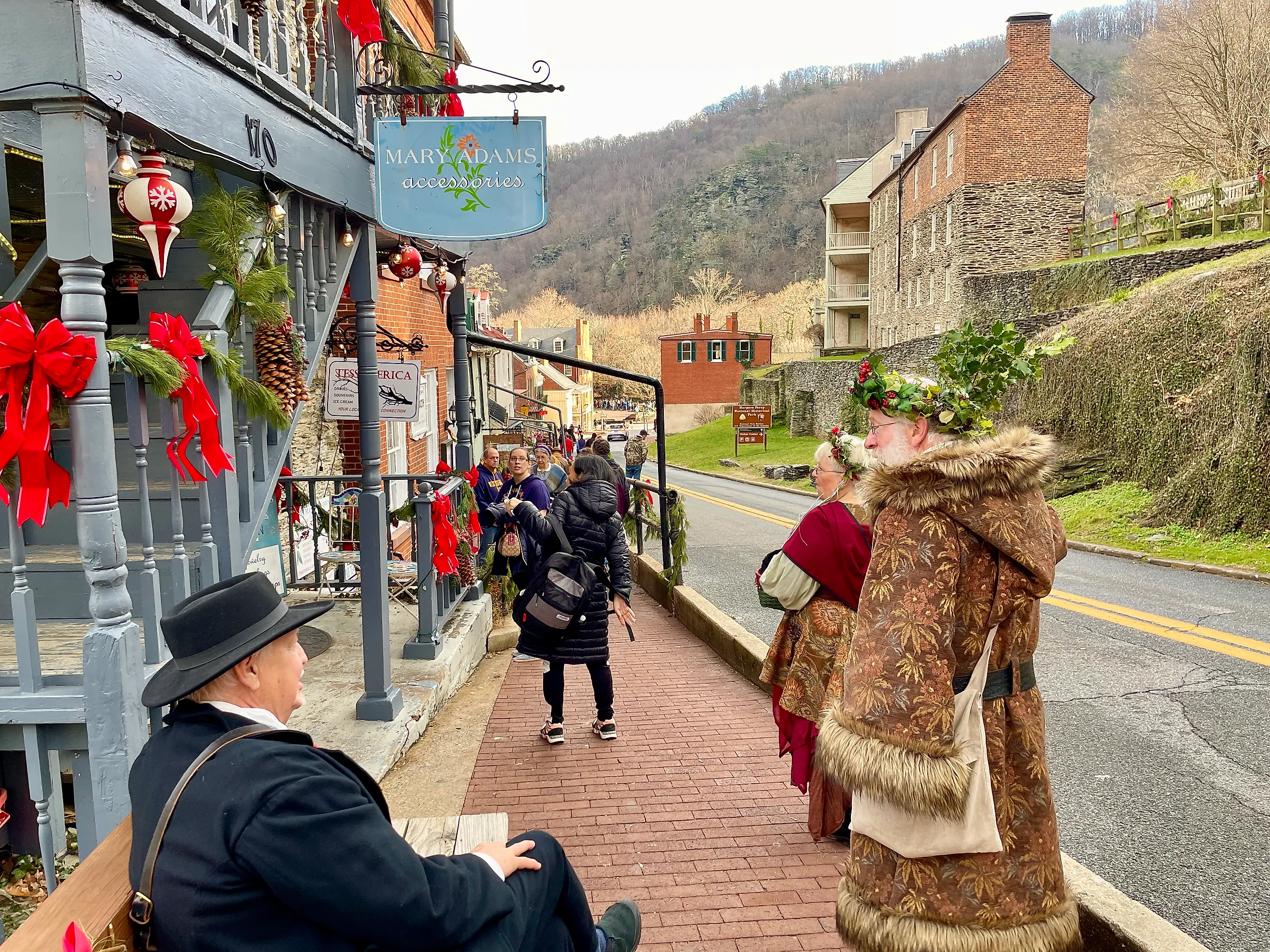
Surrounded by natural beauty and steeped in history, the river town of Harpers Ferry offers visitors an unforgettable mix of outdoor adventure and cultural discovery. Located along the junction of the Shenandoah and Potomac Rivers, the town is packed with museums that document the area’s role in American history.

Harpers Ferry National Historical Park is a must-visit location, featuring museums, hiking trails, and living-history presentations that take guests back in time. One of the most notable landmarks is John Brown’s Fort, where visitors can discover the connection of the town to fundamental moments prior to the Civil War. Outdoor lovers will also appreciate Jefferson Rock, a scenic spot situated along the Appalachian Trail that provides visitors with panoramic views of the surrounding valleys and rivers.
Clarksburg

Clarksburg, West Virginia, is a welcoming town known for its cultural celebrations and strong sense of community. One of the main highlights of the area is the West Virginia Italian Heritage Festival, held each year. The event features music, traditional foods, and entertainment, drawing in visitors from across the state. Another celebration of diversity is the popular Greek Food Festival, where visitors enjoy local hospitality and authentic Greek dishes.

In the warmer months, Clarksburg Splash Zone offers an entertaining way to cool off with slides, pools, and a lazy river. Nearby, Veterans Memorial Park offers a space to unwind, with walking trails, a pool, pickleball courts, and shaded spots that are ideal for lounging.
Charles Town

Charles Town, West Virginia, combines small-town charm with easy access to the Washington, D.C. metro area, providing a relaxing yet culture-filled experience. Known for its award-winning downtown, the area features walkable streets lined with historic buildings, local shops, and inviting restaurants.

Visitors can enjoy performances at the Old Opera House Theatre Company and Arts Centre, which showcases concerts, plays, and community productions in a setting that is both classic and elegant. History lovers will appreciate the rotating exhibits at the Jefferson County Museum, which highlight the stories and heritage of the region. For a different experience, Charles Town Ghost Tours offers an entertaining way to explore the town’s past after dark. For outdoor enjoyment, head over to Cool Spring Preserve, a peaceful nature area perfect for strolling and birdwatching.
Fayetteville

South of the New River Gorge Bridge, Fayetteville, West Virginia, is a small mountain town set amid wooded hills and river views. It has been named by Budget Travel Magazine as one of the “Top 10 Coolest Small Towns in America,” reflecting its mix of outdoor activity and everyday town life. The Cathedral Café, housed in a restored church, is a common stop for coffee and breakfast. On the edge of town, near the Kaymoor Trail, Wolf Creek Falls provides a short detour to a shaded cascade along forest paths. Back in Fayetteville, the Historic Fayette Theater stages shows occasional films and hosts live performances, while New River Mountain Guides offers rock climbing trips for both beginners and experienced climbers.
Where West Virginia Slows the Pace
West Virginia’s laid-back towns move at a pace set more by landscape than schedule, with mountains, rivers, and compact main streets shaping everyday routines. Across these seven places, outdoor activity often gives way to long stretches of quiet, whether that means time spent on forest trails or lingering in town. The appeal lies in the setting itself, where travel feels less about checking off stops and more about letting the surroundings slow things down.