6 Washington Towns Where Time Stands Still
If there are two things Washington State is best known for, they are its unmatched natural beauty and small-town charm. The Cascade and Olympic Mountains and Pacific Ocean dominate much of the state's iconic landscapes, and many of Washington’s towns are surrounded by stunning nature. Some communities have grown slowly, holding on to their love for the Pacific Northwest, as well as the buildings and culture that continue to shape who they are. One might even say that time stands still in some of these communities, and each of them represents a living museum and a different chapter in the state’s history.
Port Townsend

Port Townsend is two hours from Seattle and is located on the northeast side of the Olympic Peninsula. It is one of the oldest towns in the state and a picture-perfect postcard of yesteryear charm. After its incorporation in 1860, Port Townsend became one of the busiest and most successful seaport towns on Puget Sound. Its location was strategic enough to serve as a customs port for regional trade and shipping.
Over time, the town earned the nickname ‘City of Dreams’ as settlers believed it would become the most prosperous harbor on the West Coast. Unfortunately, this was not to be. When the railroad boom bypassed the town in the 1890s, growth stalled, and families left. But the remaining community did not give. By the 1920s, a paper mill was built near Port Townsend, revitalizing the economy. Since the 70s, the town has experienced a different kind of boom, driven by tourists.

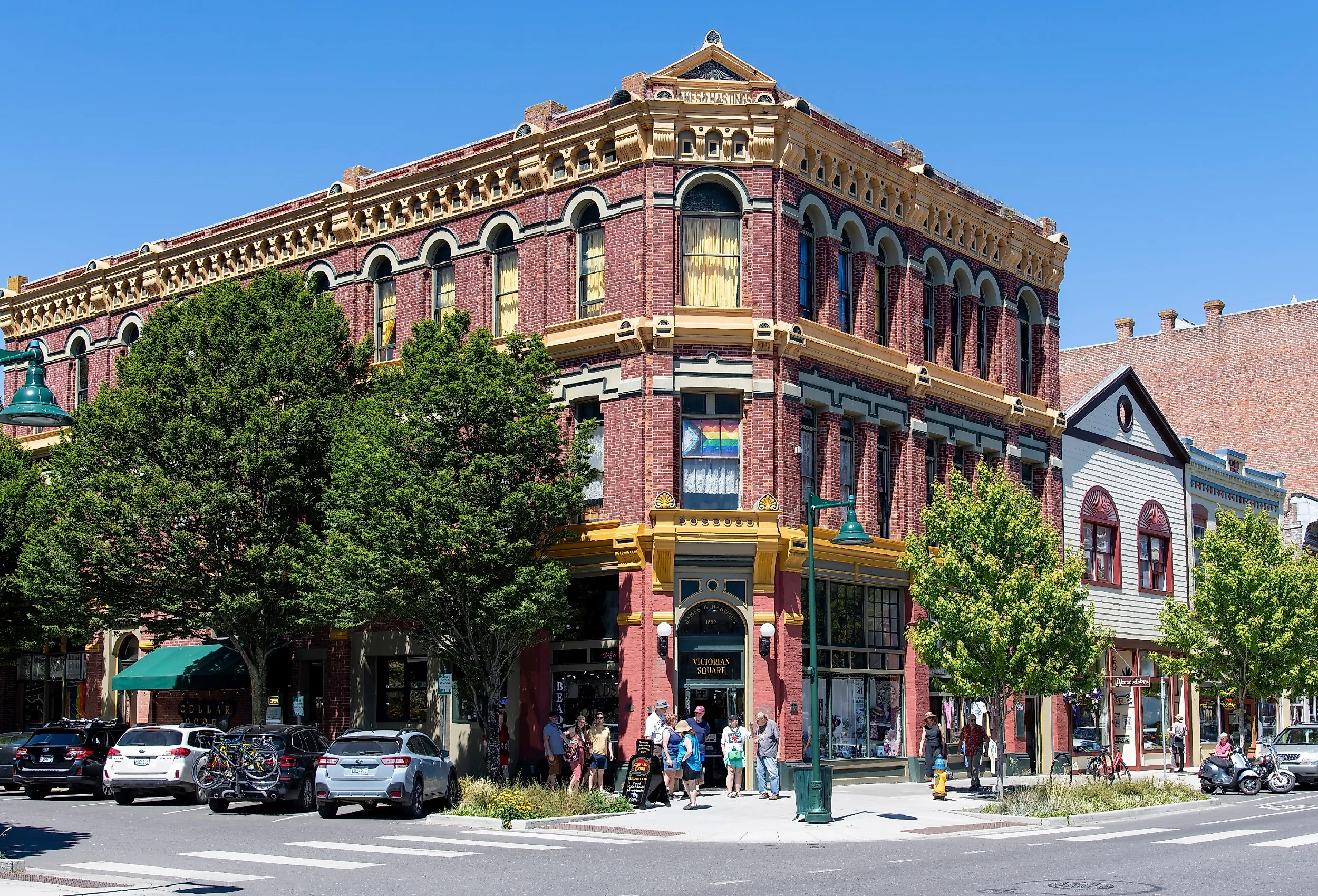
Today, most of the Victorian buildings built during the town’s seaport era still stand. The entire downtown area is a National Historic District. It is easy to stroll the streets here and envision what the place would have looked like more than a hundred years ago, because the buildings are so well preserved. Some of the buildings to look out for include the James & Hastings Building and the ornate Jefferson County Courthouse. The Jefferson Museum of Art & History is a prime example of Victorian civic architecture, while the military structures and Fort Worden Historical State Park date to the late 1800s. If you are visiting the park, you can also enjoy the views over the Admiralty Inlet, camp on designated sites, and explore the beaches.
Roslyn

Roslyn was established as a company town by the Northern Pacific Coal Company in 1886. Coal mining drove rapid growth, as job opportunities attracted immigrant workers from Europe. As in many small towns, the mines closed in the early 20th century, resulting in a population decline, while much of the original mining-era layout was preserved.

There were only around 900 permanent residents in Roslyn in 2026. The town, located in the Cascade Mountains, boasts instantly recognizable filming locations for the popular TV show Northern Exposure. You can also see many of the original mining-town buildings here, including the Brick Saloon. The saloon still features its original brick walls and is the oldest continuously operating saloon in Washington. At the Roslyn Historical Museum, you can view authentic mining equipment from the town's mining boom. You can also view Northern Exposure memorabilia.
To explore the natural beauty in the area, the Alpine Lakes Wilderness Area is an hour’s drive away. The wilderness spans 400,000 acres across the central Cascades and features some of the most breathtaking natural terrain in Washington, including lake basins, summit spires, green valleys, and sawtooth ridges.
Winthrop

The tiny town of Winthrop began as a ranching and trading community in the Methow Valley in the late 19th century. The earliest settlers engaged in mining and agricultural activities to survive. They also utilized the supply routes through the North Cascades. By the 1970s, the town adopted a western-themed preservation plan, particularly for its downtown, to highlight its frontier past.

If you visit Winthrop in winter, you can go on a horse-drawn sleigh ride up into the mountains and go cross-country skiing or snowshoeing. During the fall, the foliage turns gold along the Maple Pass Trail, around 40 minutes from town. If you prefer a short hike, the Blue Lake Trail during the summer is an excellent alternative.
Downtown, there are plenty of places to eat and drink after your outdoor excursions. At the Fainting Goat Restaurant, you can experience local seasonal flavors, while the Old Schoolhouse Brewery provides a river view. Do not miss out on the ‘Western’ experience at Three-Fingered Jack’s Saloon, where you can enjoy a drink or two at the state’s oldest legal saloon.
Coupeville

Coupeville was platted in the 1850s and is among the oldest towns in Washington State. The town developed from humble beginnings as a farming and maritime community along Penn Cove on Whidbey Island. Today, it is part of Ebey’s Landing National Historical Reserve, which protects the town's historic buildings and the surrounding agricultural land.

When you get to Coupeville, take a walk down the historic Front Street and keep an eye out for Toby’s Tavern. This tavern was used to film scenes for the fictional The Catch and Fry in the film Practical Magic. At the Coupeville Wharf, you will find yourself at the spot where the Owens sisters rang the bell after spotting a whale. On Parker Road, a few miles outside of town, you will see an exit and parking lot for Price Sculpture Forest. You can hike along the trail in the forest, which passes a collection of huge art pieces sculpted by various artists throughout the region. Before leaving the Coupeville area, remember to stop by Ebey’s Landing National Historical Reserve for views of Mount Rainier and the Olympic Mountains. You can also visit the beaches here and hike the gorgeous trails.
Stehekin

Stehekin is a minute town that developed in the late 19th century as a remote settlement at the head of Lake Chelan. The first residents relied on lake transport rather than road access and farmed for a living. They also relied on tourism to boost the town’s economy. Stehekin’s isolation has remained largely unchanged, with only around 95 permanent residents in 2026.
You can only reach Stehekin by foot, ferry, or seaplane, but making the trip is so worth it, especially for the experiences you can have only here. If you take the ferry, you are only 3.5 miles away from Rainbow Falls when you get to the landing in Stehekin. Rainbow Falls is one of the most beautiful waterfalls in the state, and there is also a picnic table nearby where you can relax and enjoy the views. If you visit when it is hot and sunny, you might catch the rainbow in the waterfall’s mist. Other things to do include exploring the historic 1921 Old Schoolhouse, designated a historic landmark. You can also stop by the Buckner Orchard and Homestead to see farm equipment and historic structures dating to the late 1800s and mid-1900s.
Friday Harbor

Friday Harbor is a popular town on San Juan Island, which developed into a maritime and fishing hub in the early 20th century. The town grew around boatbuilding, fishing, and ferry traffic. San Juan Island has a pastoral look, and, combined with the coastal splendor of Friday Harbor, it is one of the most spectacular places you can visit in the state.

Friday Harbor is still all about the ocean and marine life, so when you get here, you will want to explore the island in a sea kayak. If you are not an experienced sea kayaker, join a guided tour, as currents and winds can be dangerous. You can also join a whale watching tour for a chance to see orcas in their natural habitat. At the local Whale Museum, you can learn more about orcas and listen to their songs through a ‘whale phone.’ And, if you want to discover the history of Friday Harbor, you will find intriguing exhibits and buildings at the San Juan Historical Museum, including a 1894 farmhouse, milk house, the original San Juan County jail, and a whole lot more.
Washington’s Past Still Feels Present
Washington’s small towns are keeping their histories alive in the best way possible, by allowing visitors to experience both the old and the new in places where time stands still. In each of these towns, you will find the creature comforts you need and are used to. And, you will also be transported back to a time when things were simpler and more focused on growing as a community. At the same time, none of these small towns feels stiff or unlived in, like museums often do. They are vibrant, lively, and beckon to travelers from all over to experience the best of what Washington State has to offer.