6 Unspoiled Small Towns in the Great Lakes Region
Some of the most unspoiled small towns in the country sit around the Great Lakes, and a few of them never had much reason to change. In Bayfield, boats still run out to the sea caves and lighthouses of the Apostle Islands, and Rittenhouse Avenue looks about the way it did when the Carnegie Library opened in 1904. Cedarville anchors the Les Cheneaux Islands, a 36-island maze of channels off Lake Huron where a local school still turns out wooden boats by hand. Sackets Harbor keeps its War of 1812 battlefield on Lake Ontario as a state park, and at Munising the sandstone tower of Miners Castle rises above Lake Superior at the edge of Pictured Rocks. None of these six has felt much need to become anything more than it already is.
Bayfield, Wisconsin

Bayfield sits on Lake Superior with around 600 residents, well away from the crowds of larger tourist towns. It is the gateway to the Apostle Islands National Lakeshore, which protects 21 islands of sea caves, sandy beaches, and historic lighthouses.
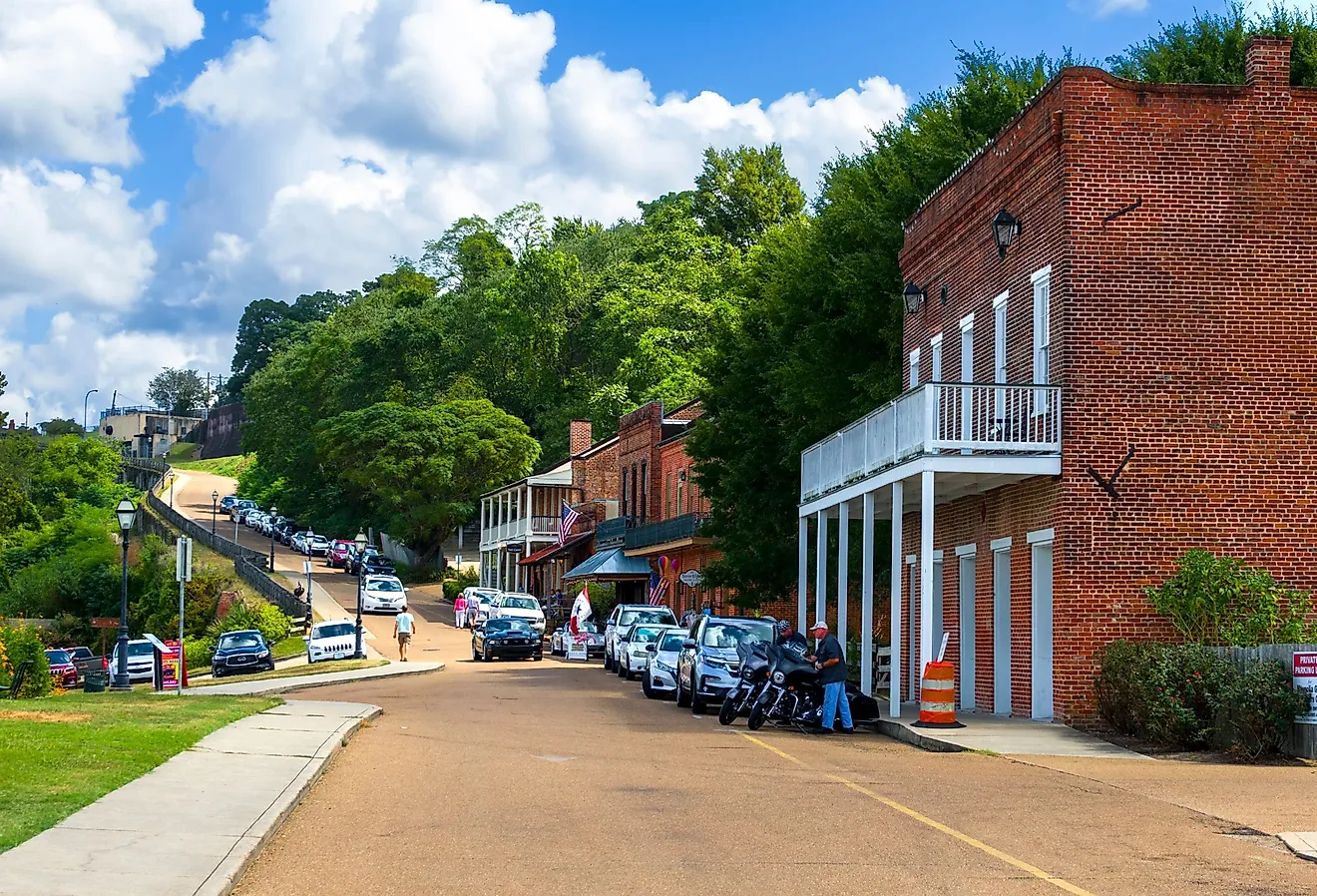
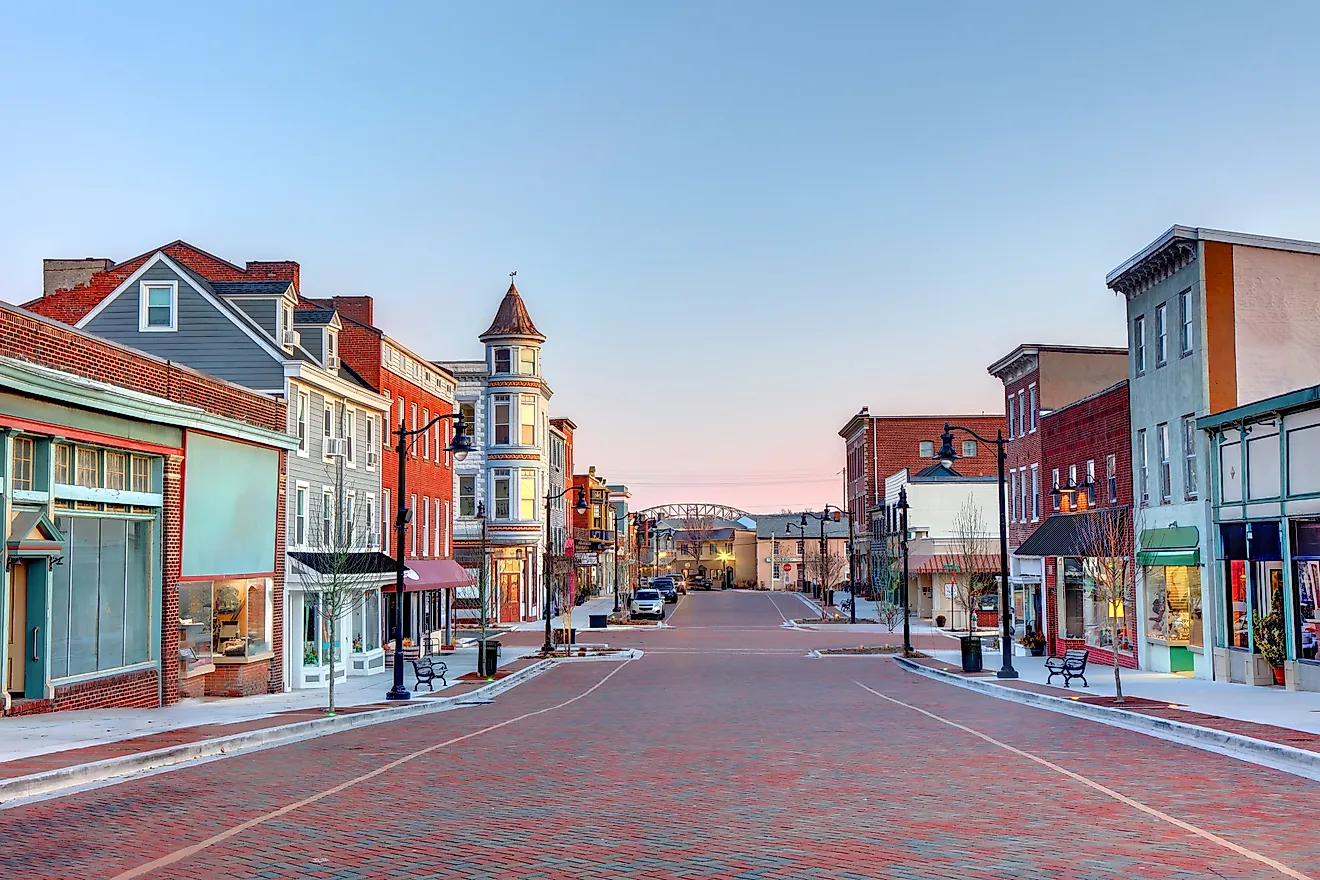
Bayfield has kept a rustic, historic feel. Rittenhouse Avenue, the main road through town, is lined with old brick buildings, and a block off it stands the Bayfield Carnegie Library, built in 1904.

The outdoors carries the same undeveloped feel. Big Bay State Park on Madeline Island has beaches and forest trails above Lake Superior. In winter, the mainland sea caves of the Apostle Islands freeze into dramatic ice formations.
Lutsen, Minnesota

Lutsen keeps an unspoiled feel despite sitting within reach of larger towns. It is surrounded by the Superior National Forest, managed to protect its ecosystems. Parts of that forest, including the Boundary Waters Canoe Area Wilderness, limit entry and bar motorized boats and new construction across much of their area.
Lutsen is small, with around 200 year-round residents. Even in tourist season it stays calm, unlike resort towns that have spread into their surroundings. The Lutsen Resort and the lodgings near it are modest and sit easily within the landscape.

For its size, Lutsen has a major draw. The Lutsen Mountains rank among the best ski terrain in the Midwest, with over 90 runs across four linked peaks. Even as a popular winter destination, the resort keeps its focus on the surrounding environment.
Cedarville, Michigan

Cedarville sits on Lake Huron's north shore at the edge of the Les Cheneaux Islands, a 36-island archipelago strung along about 12 miles of the Upper Peninsula coast. The name is French for "the channels," after the sheltered waterways that run between the islands. The Nature Conservancy has named the area one of its "Last Great Places" for its largely undeveloped shoreline. Cedarville and neighboring Hessel make up most of Clark Township and its roughly 2,000 residents, about 35 minutes northeast of the Mackinac Bridge along the M-134 scenic route.
The water sets the pace. Boaters and kayakers work the channels between the islands, and the Les Cheneaux Historical and Maritime museums in Cedarville record the area's long ties to Lake Huron. Each August, nearby Hessel holds the Les Cheneaux Antique Wooden Boat Show, run since 1976 and now the largest antique wooden boat show in the world. Cedarville also keeps the Great Lakes Boat Building School, which trains a small number of students in the same craft the show celebrates.
Sackets Harbor, New York

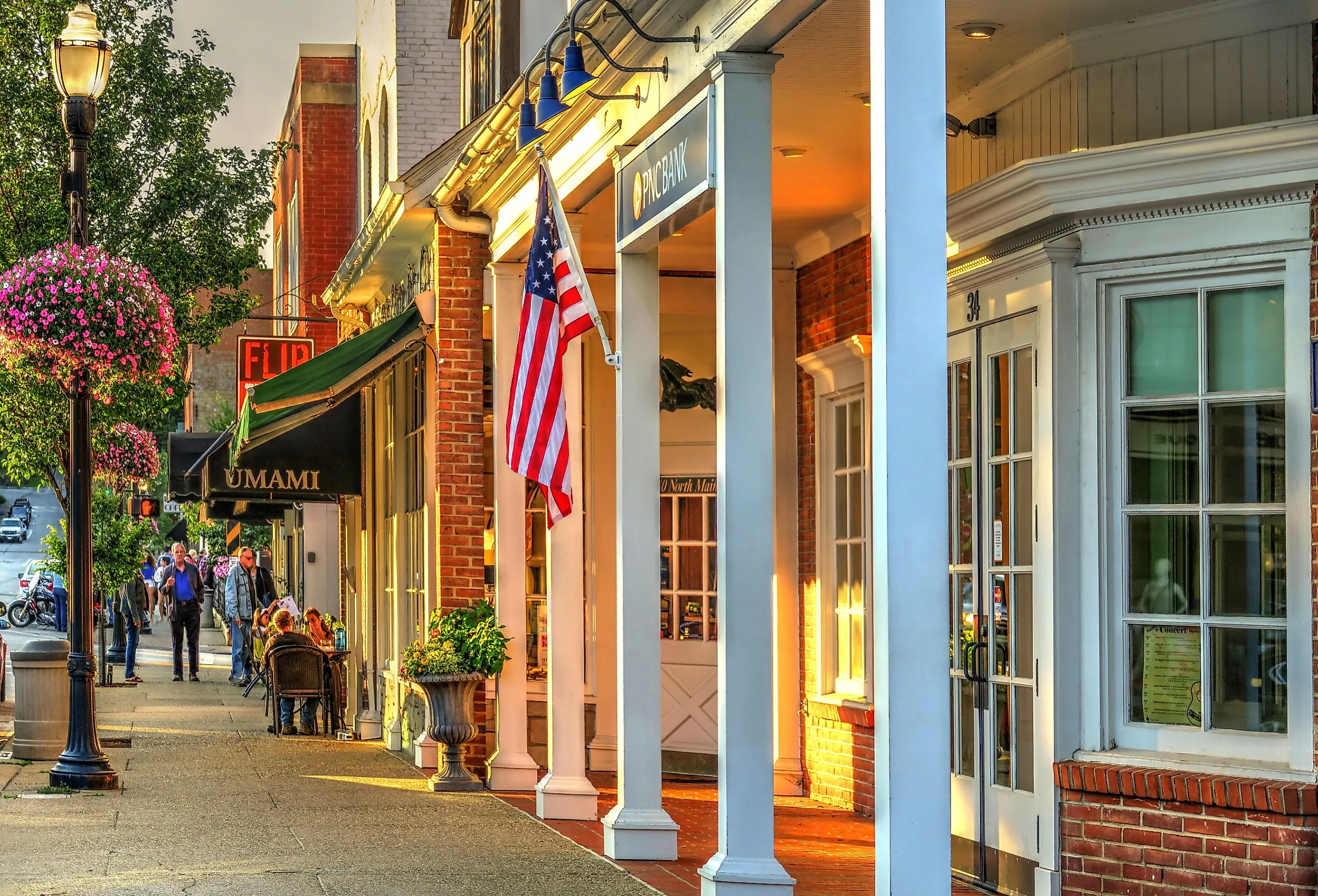
Sackets Harbor has held onto its history. The Sackets Harbor Battlefield State Historic Site marks the town's part in the War of 1812, and the community still works to keep it preserved. Many of the houses date to the 19th century, and Main Street has kept that older character intact.

The wild land nearby is just as preserved. Robert G. Wehle State Park, about a 20-minute drive away, covers 1,067 acres of steep cliffs and stony shoreline with more than 17 miles of hiking paths. Westcott Beach State Park, just south of town, adds sandy beaches and wooded ground along the Lake Ontario shore, with wildlife throughout.
Munising, Michigan

Boats at the marina in Munising, Michigan.
On the southern edge of Lake Superior, this Michigan town is the gateway to Pictured Rocks National Lakeshore. The park sits just northeast of Munising under the National Park Service, with firm limits on construction and commercial use near the shore. Inside it, Miners Castle stands out, a sandstone formation cut over thousands of years by erosion above the blue-green water of Lake Superior.
In town, the family-run Falling Rock Cafe and Bookstore serves coffee, sells books, and hosts live music, and Muldoons Pasties and Gifts turns out fresh pasties, a staple of the Upper Peninsula. Offshore, the Grand Island East Channel Lighthouse stands on the southeast bank of Grand Island. Built in 1868, the decommissioned timber light is visible from boats crossing Munising Bay and from the water along Lake Superior.
Chagrin Falls, Ohio

Chagrin Falls keeps its character through its buildings. The Chagrin Falls Historic District holds a stock of Victorian-era structures and is listed on the National Register of Historic Places. The town sits inland on the Chagrin River, which flows north toward Lake Erie.
The waterfall that names the town drops in the center of the village. Rather than allow heavy development around it, the township kept a small park and walking paths. Riverside Park and the promenade beside the falls hold the view open.

About 15 minutes away, the North Chagrin Reservation of the Cleveland Metroparks covers more than 1,000 acres of woods, trails, and streams. Back in the village, the Chagrin Falls Popcorn Shop occupies an 1875 building above the falls and still sells popcorn and homemade ice cream.
What Keeps These Towns Unspoiled
In each of these towns, staying small was a decision as much as an accident of geography. National lakeshores and state parks hold back the land around Munising and Bayfield. Lutsen built its resort into the forest rather than over it, and Cedarville's channels never invited the development that reshaped larger resort towns. Sackets Harbor and Chagrin Falls protected their old streets instead of replacing them. The result is a run of places across the Great Lakes that still look much as they did a century ago.