6 Towns In New England That Were Frozen In Time
New England is not only one of the prettiest parts of the United States’ Atlantic Coast in terms of scenery, it’s also where many of the country’s pivotal historic events took place. And where better to enjoy both facets of this magnificent region than in its many small towns?
Meticulously preserved town centres and historical sites will find you in every corner and will whisper stories of the early settlers. These towns are physical reminders of America’s early development. For travel ideas and inspiration, we’ve pulled together this curated list of six towns that seem to be frozen in time to help you plan your next New England adventure.
Wiscasset, Maine

When Wiscasset was founded in 1663, few could have imagined the maritime prominence it would achieve in the centuries to follow. Now known as the "Prettiest Village in Maine," this charming small town is the quintessential New England community… and one with deep historical roots. Its strategic location along the Sheepscot River made it a crucial shipping center during the late 18th and early 19th centuries, and numerous structures built during this period still survive. One of the best examples is Castle Tucker, which was built in 1807 for the Wiscasset, Waterville, and Farmington Railway and is now a museum. A remarkable example of Georgian architecture, it offers visitors a fascinating glimpse into the town's prosperous maritime past.
Nickels-Sortwell House, constructed in the same year as the town reached its maritime peak in 1807, provides another remarkable historical landmark. This Federal-style mansion, now managed by Historic New England, showcases the architectural sophistication of early 19th-century maritime merchants and contains original furnishings. Interesting guided tours that shed light on the economic and social dynamics of the period are available. When should you visit this perfectly preserved old town? Wiscasset's annual Sidewalk Arts Festival, held each June since 1961, celebrates the town's cultural heritage and continues to draw artists and visitors from across the Northeastern United States.
Plymouth, Massachusetts

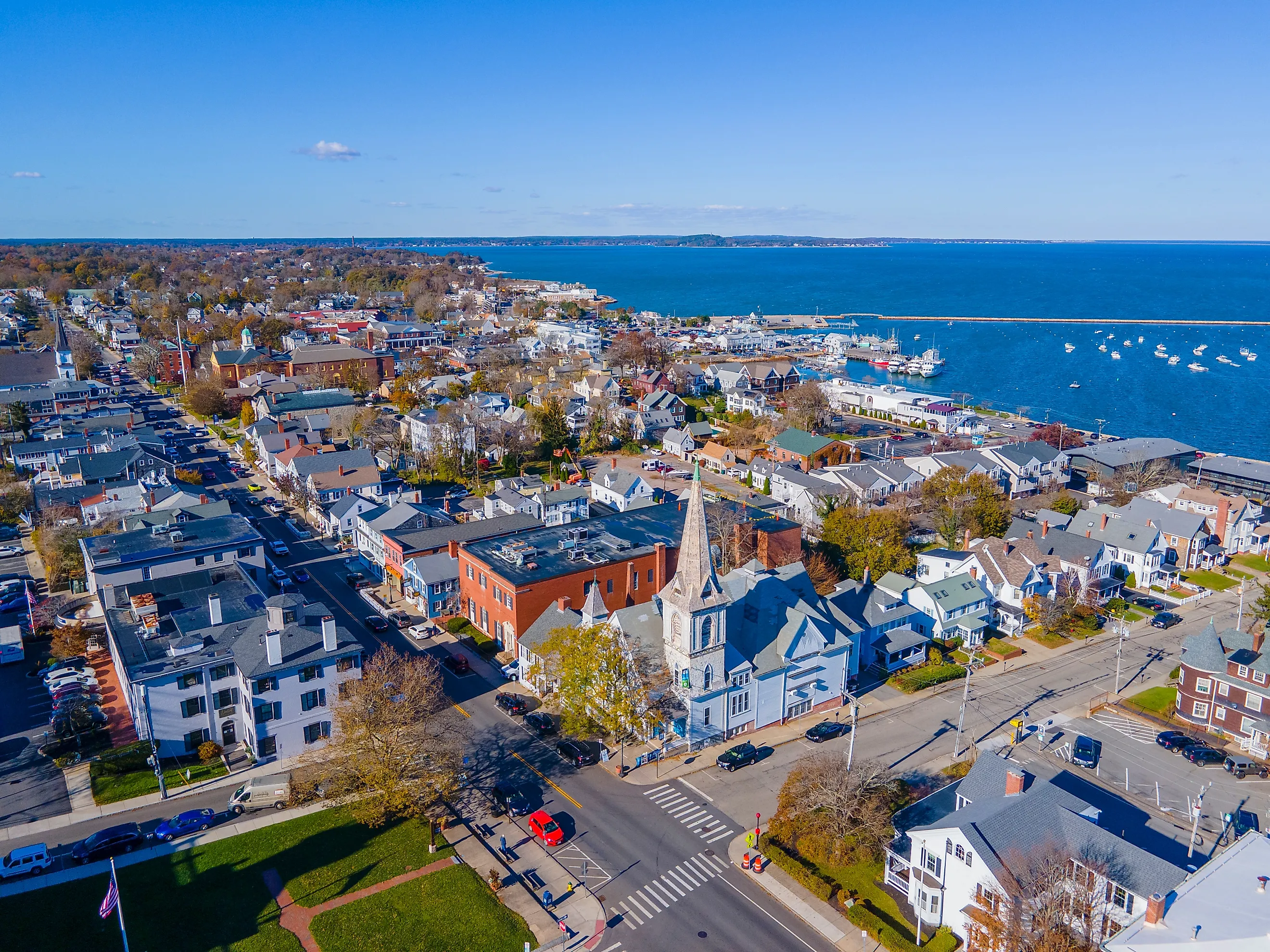
Founded in 1620 and the landing site of the Pilgrims, Plymouth holds immense significance as the location of the first permanent European settlement in Massachusetts. Plimoth Patuxet Museums, which include a meticulously reconstructed 17th-century English village and the Mayflower II, a full-scale reproduction of the original ship, offer wonderful immersive historical experiences, including living history interpretations that provide so comprehensive an understanding of early colonial life you’d swear you’d stepped back in time.
The Plymouth Rock, am ancient boulder located at Plymouth Harbor, symbolizes the Pilgrims' landing and serves as a powerful historical monument. Despite ongoing debates about its precise original location, the rock has the year “1620” chiseled into it and remains a potent symbol of America’s nationhood. A great time to visit is during the town's Thanksgiving celebrations. Highlights include America's Hometown Thanksgiving Parade which draws thousands of visitors to commemorate the historic 1621 harvest feast between Pilgrims and Wampanoag people.
Stockbridge, Massachusetts

Stockbridge, founded in Massachusetts in 1739, has since been transformed into the artistic hub of the Berkshires. There are plenty of cultural attractions worth seeing here. Highlights include the Norman Rockwell Museum, established in 1969 and home to the world's largest collection of the artist's works (be sure to explore the attraction’s 36-acre grounds).
Mission House, constructed the same year as the town's founding in 1739, is another must-see historic landmark. Originally built as a missionary residence, it now serves as a museum showcasing colonial-era architecture and missionary activities, including exhibits relating to interactions between European settlers and Native American communities.
Woodstock, Vermont

Woodstock, founded in 1761, exemplifies the classic Vermont agricultural town. Its rich farming history is showcased at the Billings Farm & Museum, founded in 1983 on a 19th-century farm. Visitors can explore a working dairy farm, browse various historical exhibits, and participate in educational programs that focus on New England’s earliest farming traditions.
Located a scenic 20-minute drive west of downtown Woodstock, the Calvin Coolidge Historic Site is worth visiting. It commemorates the birthplace and childhood home of the 30th U.S. President. The site includes Coolidge's boyhood home, a church, and a museum that provides insights into his life and early 20th-century rural Vermont life.
Portsmouth, New Hampshire

Founded in 1623, Portsmouth reflects New Hampshire's maritime and colonial past. Key attractions include the Strawbery Banke Museum, a 10-acre outdoor site with 32 historical buildings from the 17th to 19th centuries. The Albacore Museum showcases a decommissioned submarine, offering an insightful look into maritime military history. Built in 1953 at the Portsmouth Naval Shipyard, this vintage submarine can be explored through self-guided tours, allowing visitors to see features like the periscope up close.
The annual Prescott Park Arts Festival, running each summer since 1974, celebrates the town's cultural vitality with around 90 diverse cultural events each season. Speaking of cultural activities, be sure to check out the historic Music Hall, built in 1878 and still going strong with professional theater, dance, and concert programs.
Chatham, Massachusetts

Founded in 1712, Chatham rapidly became one of Massachusetts’ most active maritime towns. Visiting today, it still exemplifies Cape Cod's maritime legacy with authenticity. The Chatham Lighthouse, built in 1808 and reconstructed in 1877, serves as an important navigation point and offers some of the finest views nearby. The nearby Coast Guard station adds historical insight into the maritime rescue efforts along this rugged coastline.
You’ll also feel like Chatham’s been frozen in time when you visit the Atwood Museum. Built in 1752, this former sea captain’s home offers fascinating insights into local maritime and domestic history through its extensive collections related to whaling, fishing, and local culture. Also fun is Chatham's annual Blessing of the Fleet ceremony, a tradition dating back generations that continues to honor the town's fishing community and maritime traditions.
The Final Word
These six towns have carefully preserved their architectural, cultural, and social heritage, offering curious travelers a unique and authentic way to connect with New England’s history. By maintaining their historical sites, they ensure that everyone can experience the region’s fascinating past. Not only do they encourage exploration and reflection, but these towns also seem frozen in time, making them perfect destinations for those eager to learn about this beautiful part of the United States.