6 Quirky Little Towns In Connecticut
Connecticut may be one of the smallest states in the nation, but it offers an outsized collection of eccentric communities shaped by tradition, curiosity, and a touch of whimsy. Tucked between forests, rivers, and Long Island Sound are towns where frogs become mascots, mysterious underground sounds inspire legends, and parades follow rules known only to locals.
Travelers interested in unexpected landmarks, unusual festivals, and low-key outdoor escapes will find these Connecticut towns especially rewarding. From quiet villages with unusual traditions to arts-focused hamlets that feel slightly out of step with time, these destinations show how some of the state’s most memorable experiences come from its smallest and most distinctive places.
Eastford

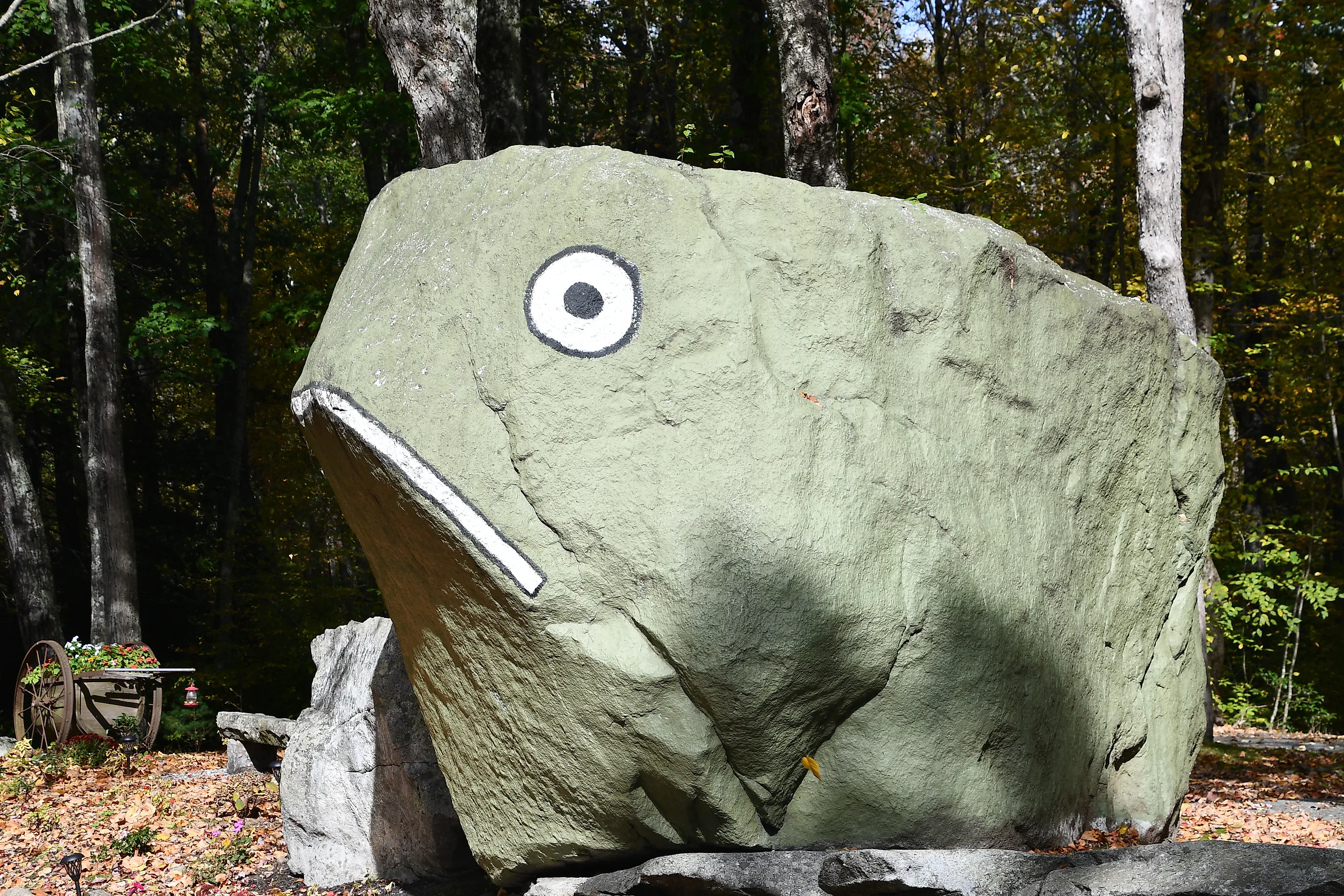
Eastford is known for one of Connecticut’s more unusual roadside attractions, Frog Rock, a massive boulder that has been painted to resemble a wide-eyed amphibian first painted in 1881. This cheerful landmark has greeted passing motorists for generations and has become a recognizable symbol of the town.
Nearby picnic tables and a seasonal gift shop make it a convenient stop in rural northeastern Connecticut. Beyond Frog Rock, Eastford offers quiet natural scenery at Natchaug State Forest, where wooded trails support hiking and biking throughout the year. The 1829 Eastford Congregational Church represents the town’s historical side, a well-preserved example of New England architecture that reflects the community’s long-standing traditions.
Willimantic

Willimantic embraces its reputation as the “Thread City,” blending industrial history with distinctive civic traditions. One of the community's best-known events is the July Fourth Boom Box Parade, where participants march through downtown carrying boom boxes instead of instruments and play music from a local radio station.
Another recognizable landmark is the Frog Bridge, officially named the Thread City Crossing, which features oversized frog sculptures perched above the road in reference to a historical event known as the Battle of the Frogs. Visitors interested in local history can explore the town’s mill heritage at the Windham Textile and History Museum, while the Willimantic River provides a scenic setting for walking paths and outdoor recreation.
Rocky Hill

Situated just south of Hartford, the town of Rocky Hill is home to one of Connecticut’s more unusual attractions, Dinosaur State Park and Arboretum. The park’s geodesic-domed museum is built over an ancient trackway where hundreds of dinosaur footprints were uncovered, giving visitors a sense of stepping into the Jurassic past. Outside the fossil dome, nature trails and an arboretum surround the visitor center with wildflowers, woodlands, and interpretive exhibits about the creatures that once roamed the land.
For another unique, though slightly less ancient, piece of history, the Rocky Hill-Glastonbury Ferry still operates on the Connecticut River and is among the earliest continuously running ferries in the nation. Local history buffs can also explore the Academy Hall Museum and walk through the historic district around Main Street, where heritage homes and antique architecture often predate American independence.
Canterbury

Canterbury combines rural scenery with an eclectic mix of historical and unconventional attractions. The town’s most significant landmark is the Prudence Crandall Museum, which preserves the home of an educator who challenged social norms by opening a school for African American girls in the 1830s.
A more unexpected site is the Haul of Fame Trucking Museum, an offbeat collection that highlights trucking history through vintage rigs, neon signage, and nostalgic memorabilia. Outdoor spaces provide a quieter counterbalance, with Robert Manship Park offering walking paths, sports fields, and a boat launch on the Quinebaug River.
Chester

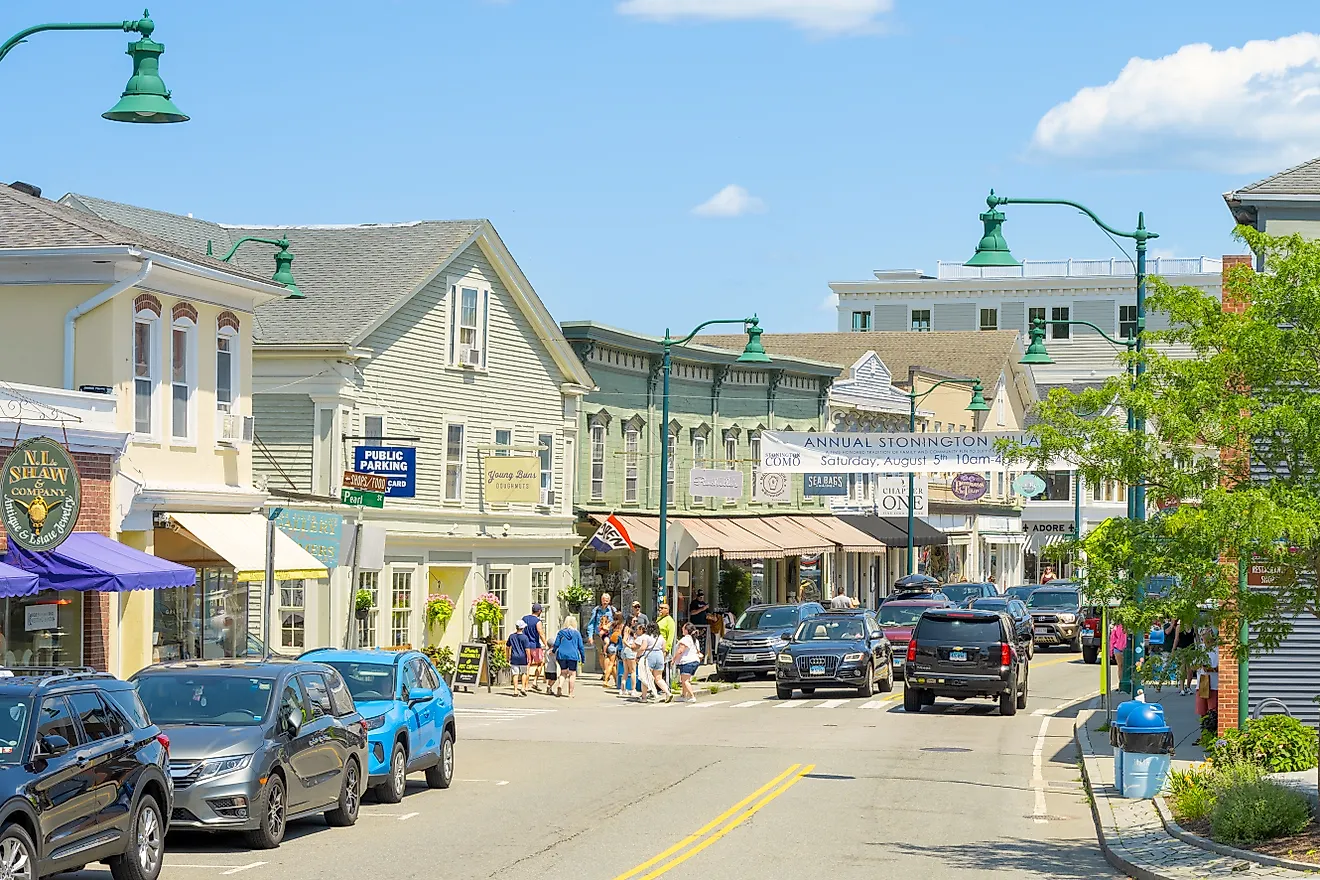
Chester has a Main Street that looks much as it did in the 1800s, with historic buildings lining the gently curving roadway. Despite its traditional appearance, the town maintains a distinct local character shaped by long-standing community traditions.

That character is most visible during the annual Tractor Parade each February, when decorated farm equipment moves through downtown. Chester’s creative side is also evident at the Chester Gallery, which presents contemporary art in a small-scale setting, and at the Chester Sunday Market, which brings together farmers, artisans, and musicians. The Chester-Hadlyme Ferry, in operation since 1769, offers scenic views of the Connecticut River and provides a direct link to the town’s history.
Stony Creek

A distinct part of the town of Branford, the village of Stony Creek serves as the launching point for the Thimble Islands, an archipelago with names such as Little Pumpkin Island, Money Island, and Mother-in-Law Island. Boat tours travel through this group of small outcroppings, some of which feature seasonal cottages and long-standing local legends.
On shore, the Stony Creek Museum preserves stories tied to quarrying, sailing, and island life, while the Legacy Theatre adds a creative element through small-scale performances and community events. Additional outdoor access is available along the Branford Trolley Trail, which crosses marshes and wooded areas as part of a larger trail system.
A Distinctive Side of Connecticut
These six towns highlight a side of Connecticut that is playful, distinctive, and shaped by local traditions. Each community reflects its character through unusual festivals, roadside landmarks, long-standing folklore, or creative practices that continue to define daily life.
Visiting these places often means encountering stories that are not widely documented but remain active in parades, painted rocks, and generations-old customs. For travelers interested in experiences that feel personal and grounded in local history, these towns offer an alternative to more familiar destinations.