6 Most Idyllic Small Towns In The Southern United States
Williamsburg runs a 301-acre living-history museum that recreates daily life in colonial Virginia circa 1775 with actors in period costume. Natchez carries antebellum mansions on bluffs 200 feet above the Mississippi River. Hot Springs Reserve was protected by Congress in 1832, predating Yellowstone by 40 years as the country's oldest federal reserve. St. Augustine was founded September 8, 1565 by Pedro Menéndez de Avilés, 42 years before Jamestown. The six Southern United States towns ahead each contribute a distinct historical layer: Spanish settlement, German immigration, antebellum cotton wealth, Lost Colony archaeology, Klondike-era spa heritage, and colonial Virginia capital culture.
St. Augustine, Florida

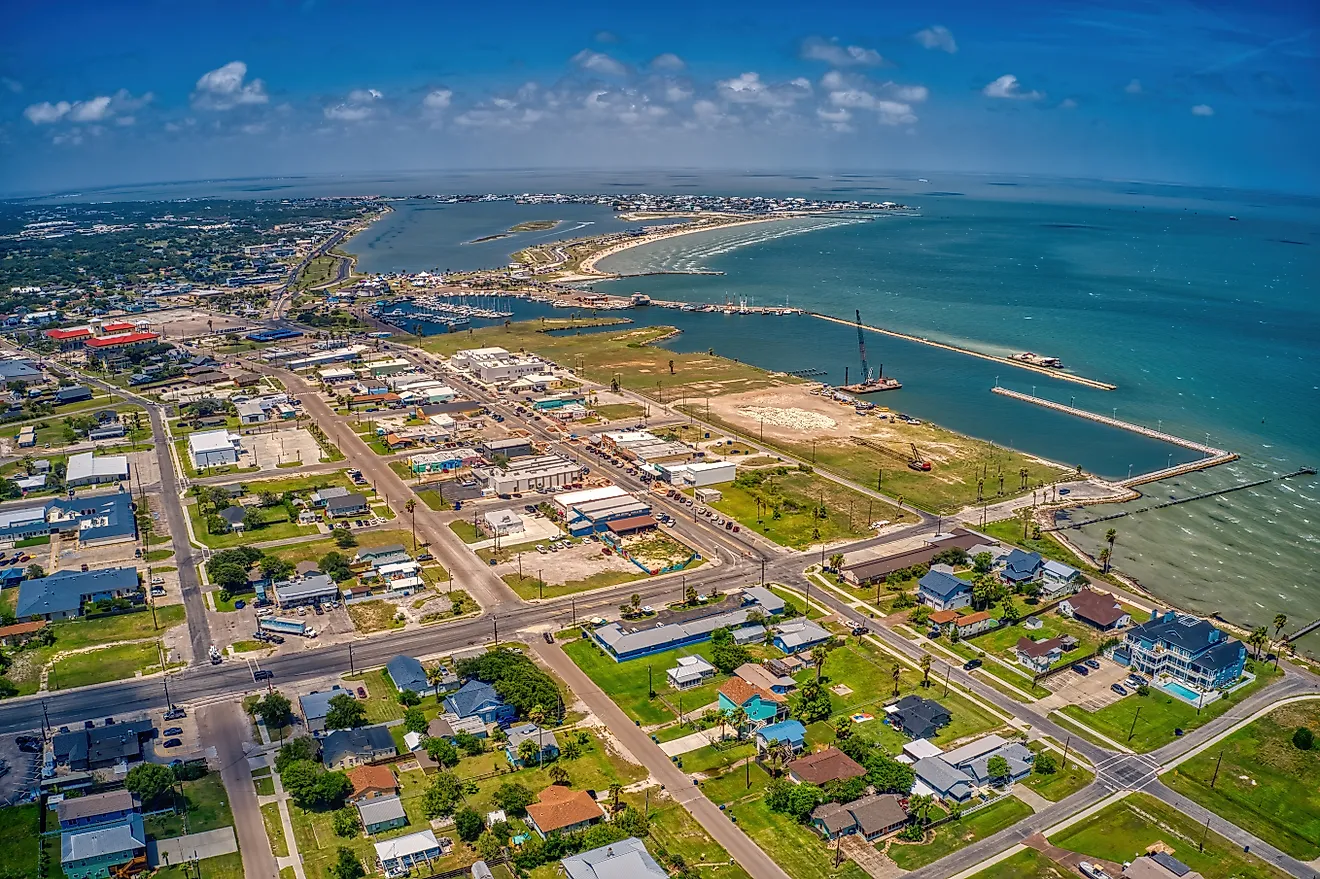
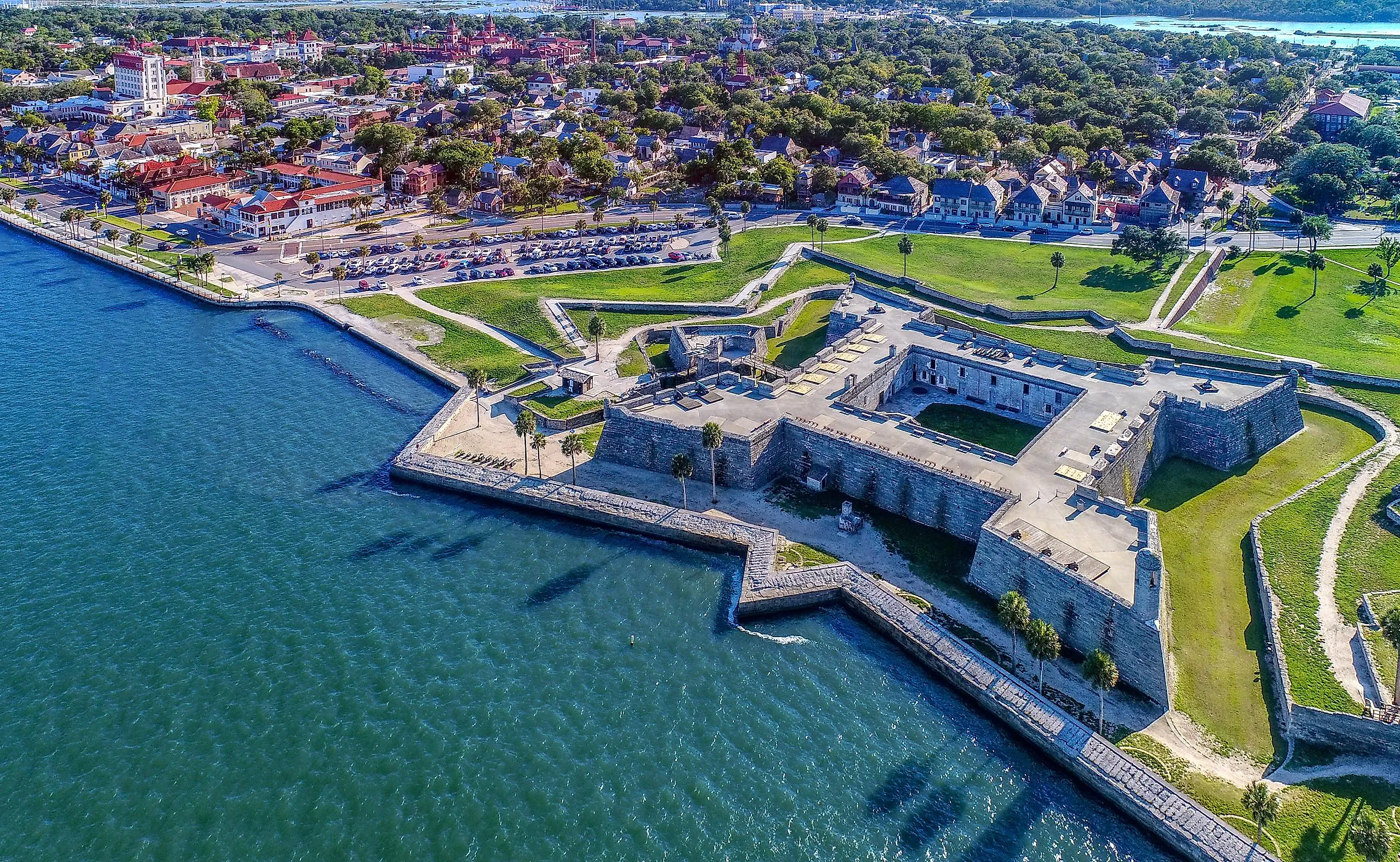
St. Augustine is the oldest continuously inhabited European-established settlement in the continental United States. Spanish admiral Pedro Menéndez de Avilés founded the town on September 8, 1565, 42 years before Jamestown and 55 years before the Plymouth landing. The city sits on the northeast Florida coast where the Matanzas River meets the Atlantic, a defensive position the Spanish, British, and Americans all leaned on across four centuries.
The Fountain of Youth Archaeological Park covers the original 1565 Spanish settlement site on the bay, with re-creations of the first Spanish living quarters and exhibits on the local Timucua, who had occupied the same coastal location for centuries before contact. Castillo de San Marcos National Monument is the 17th-century coquina-limestone fortress completed in 1695 that anchored the city's defenses through the Spanish, British, and American eras. The St. Augustine Lighthouse & Maritime Museum, completed in 1874, opens its 219-step climb to a working harbour view.
Williamsburg, Virginia

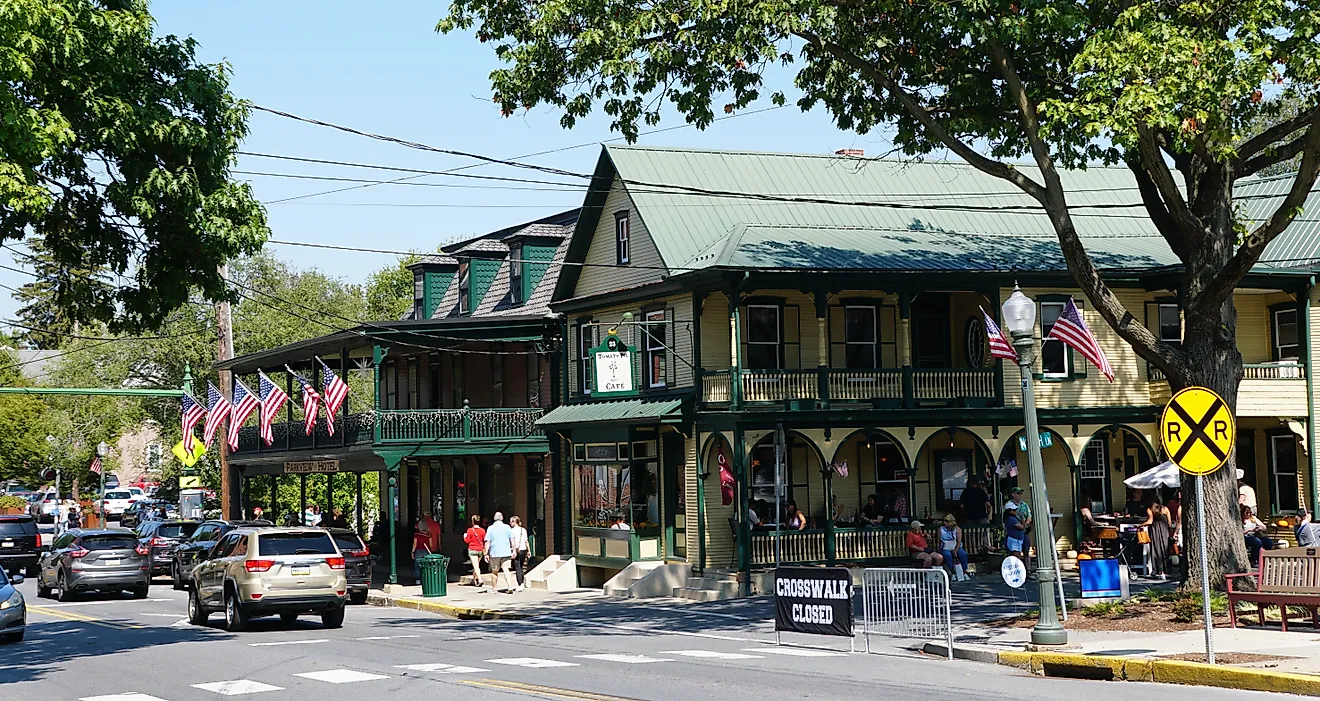
Williamsburg sits at the centre of Virginia's Historic Triangle alongside Jamestown and Yorktown. Founded in 1699 as the capital of the Colony of Virginia (replacing Jamestown), the town played a central role in the political and educational development of early America. The College of William & Mary, chartered in 1693, is the second-oldest university in the country after Harvard. Patrick Henry, Thomas Jefferson, James Monroe, John Tyler, and George Washington all studied or worked in Williamsburg during the colonial and early federal eras.
Colonial Williamsburg, the 301-acre living-history museum funded primarily by John D. Rockefeller Jr. beginning in 1926, is the town's signature draw, with about 500 restored buildings and actors and artisans in period costume working through colonial life. The Governor's Palace, once home to seven royal governors and Virginia's first two state governors (Patrick Henry and Thomas Jefferson), was reconstructed in 1934 with period furnishings and formal gardens.
Natchez, Mississippi

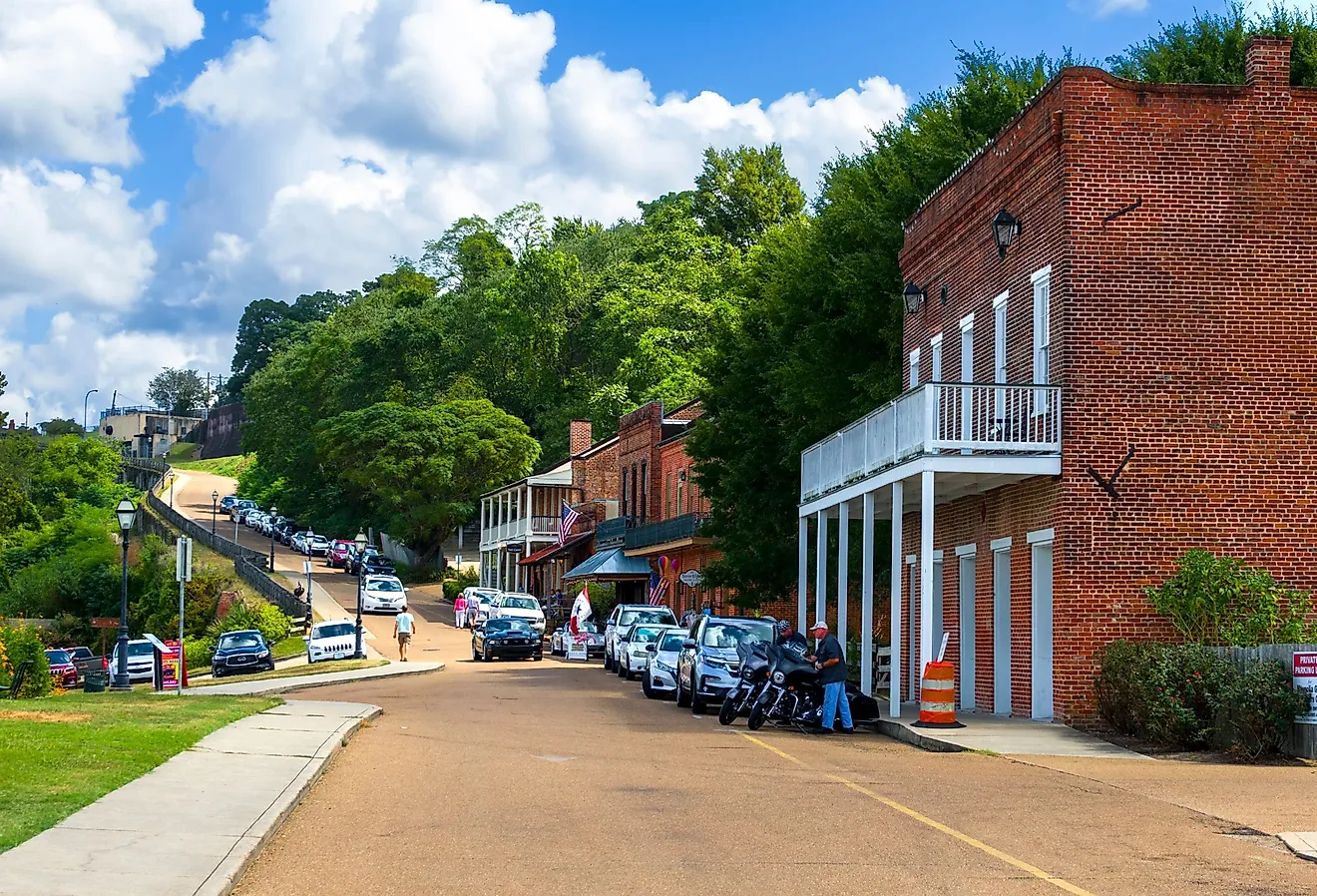
Natchez sits on 200-foot bluffs above the Mississippi River with a French founding in 1716 at Fort Rosalie, making it one of the oldest European settlements in the lower Mississippi Valley. The antebellum era turned the town into a cotton-trade powerhouse: by 1860, Natchez held more millionaires per capita than any other US city outside New York. The town also held a notably large free Black community for the period (Forks of the Road, the second-largest slave market in the South, operated here, but a sizable population of free people of colour lived and ran businesses on Franklin Street).
The Natchez Trace Parkway, the 444-mile National Park Service route between Natchez and Nashville, follows the corridor that predates American Indian trade routes by centuries. Longwood, known locally as Nutt's Folly, is the largest octagonal house in the country with a Byzantine-style onion dome. Construction halted at the start of the Civil War in 1861 and the home's six upper floors have remained unfinished since. The Natchez National Cemetery, established in 1866, holds the graves of more than 6,000 US service members on a bluff overlooking the river.
Fredericksburg, Texas

Fredericksburg sits in the Texas Hill Country and runs on its 1846 German immigrant founding through the Adelsverein (the Society for the Protection of German Immigrants in Texas). The Society brokered the settlement with a stated goal of peaceful coexistence with local Comanche bands. The resulting Meusebach-Comanche Treaty, signed at the San Saba River in May 1847, stands out as one of the few intact frontier-era agreements between settlers and Plains tribes.
The National Museum of the Pacific War covers six acres in town and holds one of the most thorough World War II Pacific Theater collections in the country, anchored by the Admiral Nimitz Museum in the 1846 Nimitz Hotel (Admiral Chester Nimitz's birthplace). Enchanted Rock State Natural Area sits 18 miles north of town with a pink granite batholith rising 425 feet above the surrounding hills. Wildseed Farms, 7 miles east, is the country's largest working wildflower seed farm.
Hot Springs, Arkansas

Hot Springs anchors the Ouachita Mountains around 47 thermal springs that emerge at an average temperature of 143°F. Congress set aside Hot Springs Reservation in 1832, 40 years before Yellowstone (1872), making it the country's oldest federal reserve. The town incorporated in 1851 and built itself into the nation's premier spa destination through the early 20th century. The grand bathhouses along Bathhouse Row (a National Historic Landmark District) date to that boom, with the Fordyce, Buckstaff, and Quapaw bathhouses still operating today.
Hot Springs National Park covers 5,550 acres of protected hot-spring waters, bathhouses, miles of trails, and several scenic drives. Garvan Woodland Gardens covers a 210-acre Lake Hamilton peninsula owned by the University of Arkansas. The Gangster Museum of America runs interactive exhibits on the town's Prohibition-era role as a haunt for Al Capone, Lucky Luciano, and other notorious figures who used the bathhouses as neutral ground.
Manteo, North Carolina

Manteo sits on Roanoke Island in North Carolina's Outer Banks chain. The town is tied to the Lost Colony story: in 1587, English settlers under Governor John White established a colony of 115 men, women, and children on the island. When White returned in 1590 after a supply run back to England, the colonists had vanished, leaving only the word "CROATOAN" carved into a fence post. The mystery has never been solved, and modern archaeological work at Site X in northern North Carolina continues to investigate possible settler dispersal.
Roanoke Island Festival Park covers 25 acres of interactive 16th-century history with re-enactors in period costume and the Elizabeth II, a full-scale ship replica that represents the type of vessel that brought the colonists. The North Carolina Aquarium on Roanoke Island runs habitat exhibits with sharks, sea turtles, and Atlantic conservation programming. Elizabethan Gardens spreads across 10 acres of themed Tudor and Elizabethan plantings as a living memorial to the colony.
The Southern Layer
The six towns above run on different historical layers. Williamsburg holds Virginia's colonial capital identity and the country's second-oldest university. Natchez covers antebellum cotton wealth on Mississippi River bluffs. Manteo carries Lost Colony archaeology on a barrier island. Hot Springs anchors the country's oldest federal protected lands at Bathhouse Row. Fredericksburg layers German immigrant heritage onto Pacific War history. St. Augustine predates the rest by more than a century with its 1565 Spanish founding. Each town puts a different cultural era on display through buildings, archaeology, or working museums.