6 Most Idyllic Small Towns in The Pacific Northwest
The Pacific Northwest does small towns particularly well. A ferry ride can end at a Washington island full of pottery studios, an Oregon mining town still has an 1863 bank standing downtown, and an Idaho lake town can send you skiing before lunch. These six places have plenty of scenery, but that is only part of the fun. Their old buildings, waterfronts, trails, theaters, odd landmarks, and local traditions give you reasons to get out of the car and stay awhile.
Orcas Island, Washington

Orcas Island, the largest of Washington's San Juan Islands, has about 5,000 residents and several small communities scattered around its bays and wooded interior. Eastsound is the island's main village and the easiest place to see its arts scene up close. Orcas Island Artworks, Orcas Island Pottery, and the Orcas Center are among the galleries, studios, and performance spaces around the island.
Moran State Park takes care of anyone who would rather spend the day outside. Its forests, lakes, and trails spread across more than 5,000 acres, and Mount Constitution rises to 2,409 feet, the highest point in the San Juan Islands. A stone observation tower stands at the summit. On a clear day, the view reaches across neighboring islands toward the North Cascades and Mount Baker. That is a pretty convincing reward for making your way uphill.
Jacksonville, Oregon

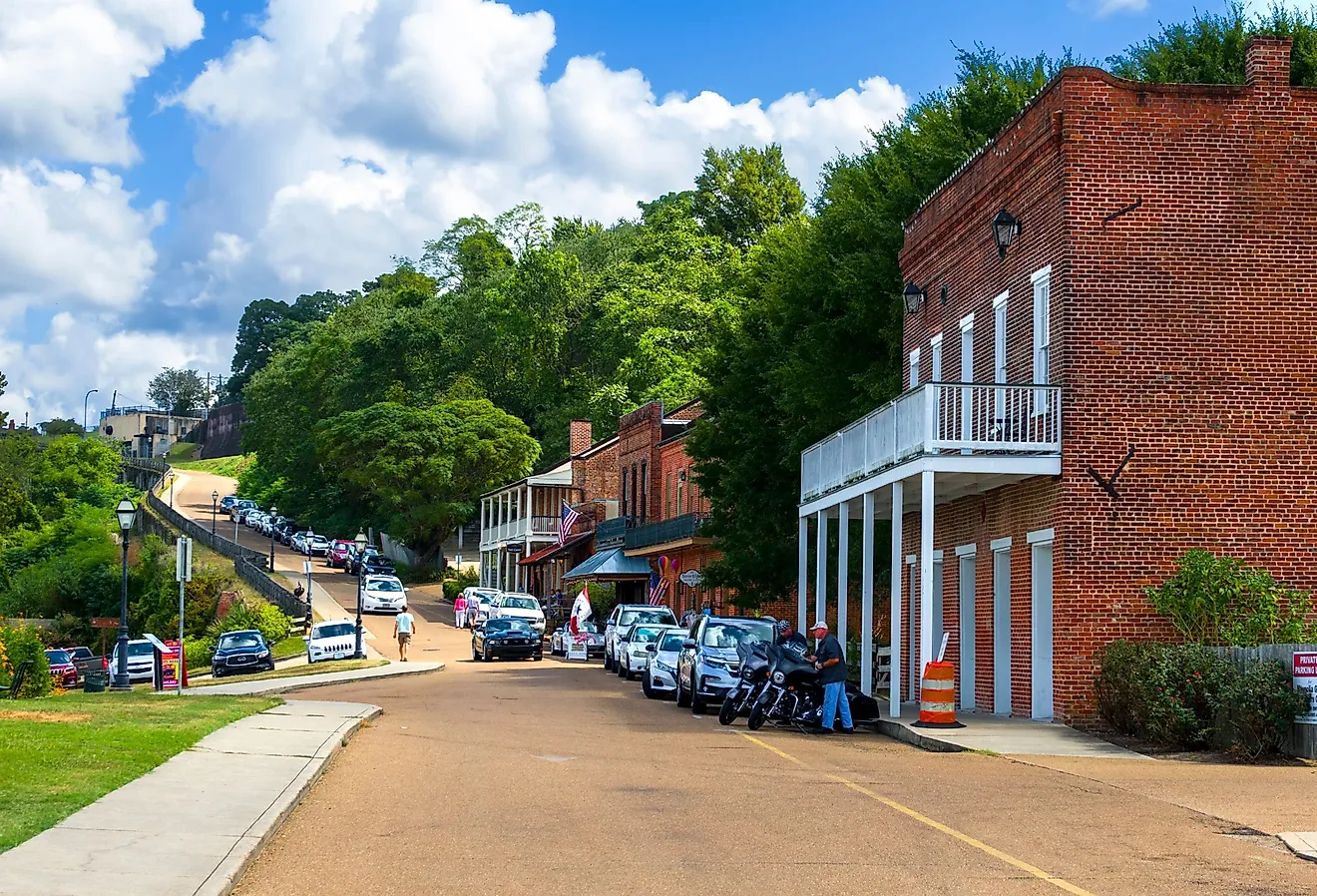
Gold put Jacksonville on the map in the 1850s, and an unusual amount of the town built during that era survived. The Beekman House, completed around 1873 for banker Cornelius C. Beekman and his family, now operates as a museum. A few blocks away is Beekman Bank, built in 1863 and preserved with much of its original interior. The Jacksonville Trolley Tour loops past these buildings and other pieces of the old mining town in about 45 minutes. Even the local cemetery rewards a closer look. More than 5,000 people are buried there, including many of Jacksonville's early settlers.
Summer sounds different in Jacksonville. The Britt Music & Arts Festival has held outdoor concerts here since 1963 on the former estate of photographer Peter Britt. The grounds form a natural hillside amphitheater just outside downtown. Forest Park is another two miles out and has roughly 30 miles of trails through the Jackson Creek watershed. Some routes are easy enough for a casual walk, while steeper sections climb grades of around 20 percent.
Sandpoint, Idaho

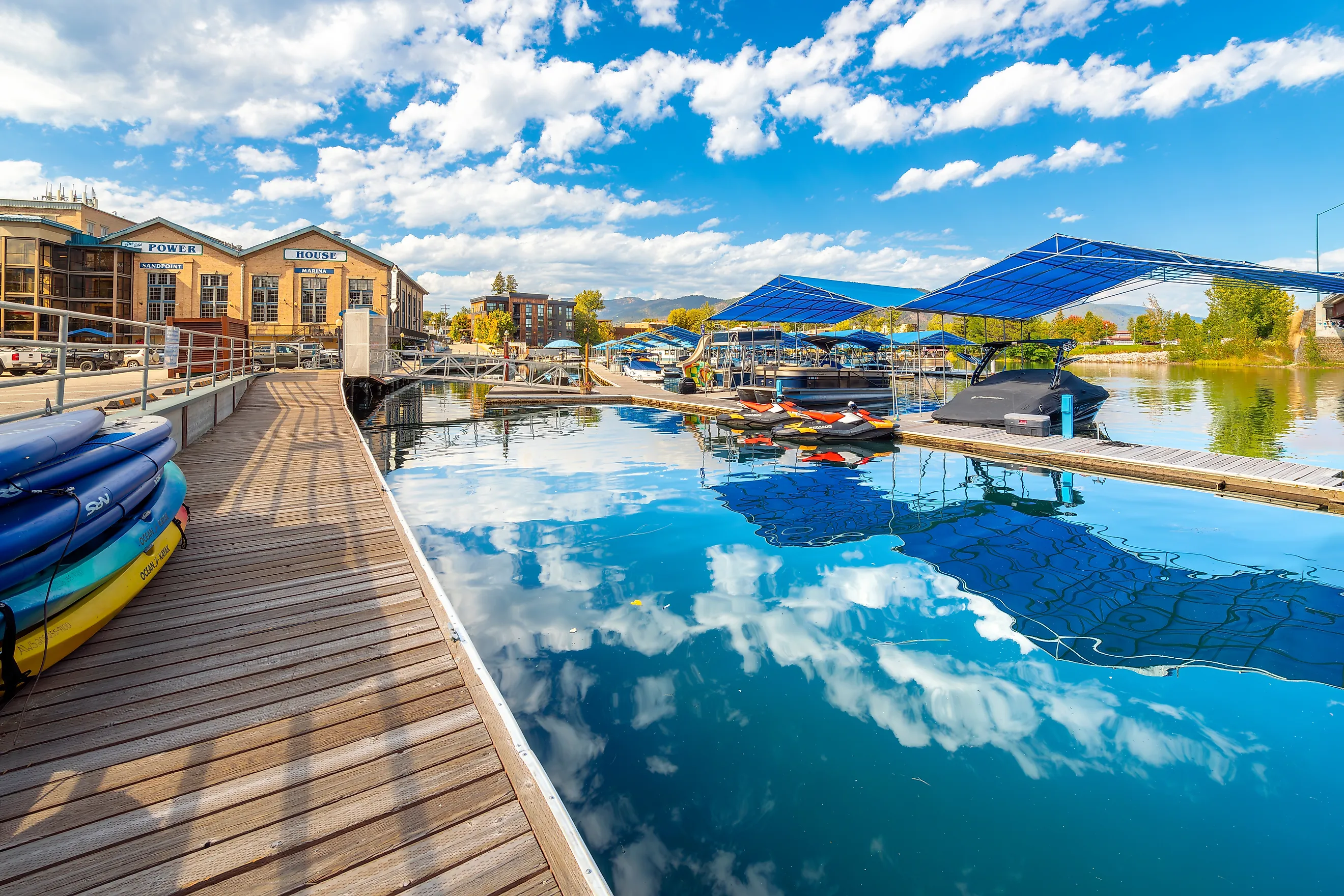
Sandpoint sits right beside Lake Pend Oreille, Idaho's largest lake, so the water is difficult to ignore. Kayaks and boats move through Sand Creek near downtown before reaching the much larger lake, which stretches for about 43 miles through the Idaho Panhandle.
Winter sends people in the opposite direction. Schweitzer rises above town with about 2,900 acres of ski terrain. Once the snow clears, hiking and mountain biking take over. The Mickinnick Trail gains more than 2,000 feet in roughly 3.5 miles, while Gold Hill is popular with both hikers and riders. Mineral Point is the easier option, following the shore of Lake Pend Oreille through forest.
Back in town, breweries and tasting rooms give tired legs somewhere useful to go. MickDuff's Brewing Company and Pend d'Oreille Winery are both local fixtures. Sandpoint works because the lake, downtown, trails, and mountain are not separate trips scattered across northern Idaho. They are all part of the same small town.
Astoria, Oregon

Astoria occupies a steep patch of land near the mouth of the Columbia River, and its history is hard to separate from the water below. The Astoria Column has stood above the city since 1926. Its exterior murals depict episodes from regional history, and a spiral staircase inside leads to an observation deck overlooking the river, coast, and surrounding hills.
At river level, the Astoria Riverfront Trolley follows a former railroad line beside docks, old industrial buildings, and the Columbia. Then there is the Astoria-Megler Bridge, which is impossible to miss. Completed in 1966, the steel span runs 4.1 miles across the Columbia into Washington and remains the longest continuous truss bridge in North America. Early critics famously dismissed the project as a “bridge to nowhere.” More than half a century later, it has become one of Astoria's defining pieces of infrastructure.
Chelan, Washington

Lake Chelan does not merely sit beside town. At roughly 50 miles long and 1,486 feet deep, it determines much of what people come here to do. The lake occupies a deep glacial basin carved during the Ice Age, and summer brings paddleboards, boats, jet skis, canoes, and swimmers onto the water.
The surrounding valley has also become one of Washington's wine-growing areas, with more than 30 wineries. Benson Vineyards Estate Winery, Lake Chelan Winery, and Tsillan Cellars are among those close to town. Campbell's Resort has occupied the downtown waterfront since 1901 and today has 170 guest rooms and its own beach.
You do not have to leave downtown for a decent walk. Chelan Riverwalk Park follows both sides of the Chelan River on a loop near the shops and restaurants. That is one of Chelan's nicest qualities. You can spend the morning on the lake, walk into town for lunch, and still have time for a winery later without turning the day into a long drive between stops.
Silverton, Oregon

Silver Falls State Park sits about 15 miles outside Silverton and gives the town one very good reason to pack hiking shoes. The park covers more than 9,000 acres, and its Trail of Ten Falls links ten waterfalls along a 7.2-mile loop. Several sections of trail pass behind the falling water itself. South Falls, one of the best-known stops, drops 177 feet over a basalt cliff with a path curving into the recess behind it.
Silverton has something much easier to explore once you are back in town. More than 30 large murals appear on walls around downtown, many illustrating local people and events. The Silverton Mural Society began developing the collection as a way of recording the area's history in public spaces. A self-guided walk passes subjects ranging from early settlers to the town's connection with cartoonist Homer Davenport. You start looking for murals and end up seeing far more of downtown than you intended, which is not a bad way to spend an afternoon.
No two of these towns make the same case for a visit. Jacksonville has mining-era buildings you can still walk into, Astoria puts the Columbia River beneath almost everything you do, and Sandpoint can take you from downtown to a huge lake or ski mountain in very little time. Orcas Island rewards the ferry ride, Chelan revolves around one extraordinary lake, and Silverton has waterfalls waiting just outside town. That variety is much more interesting than simply calling the Pacific Northwest beautiful and leaving it there.