6 Classic Americana Downtowns In Wisconsin
Wisconsin's classic Americana downtowns reflect the immigrant communities and river towns and historic main streets that helped shape the state during the 19th century. In places like Mount Horeb and Stockholm, visitors can still see Scandinavian influences through preserved architecture and local traditions like Mount Horeb's famous troll sculptures. They can also discover the roots of one of America's most celebrated authors, who dazzled generations with her stories of pioneer life on the prairies. The best spots in these towns are their local businesses, whether that means authentic German food in Germantown or handcrafted gifts made through old-school blacksmithing techniques in Pepin. These classic Americana downtowns in Wisconsin proudly display the diverse tapestry of American life.
Stockholm

Stockholm is named after the capital of Sweden, and the community includes both the Village of Stockholm and the surrounding Town of Stockholm. It was founded in 1856 by Swedish immigrants, who have kept this Scandinavian spirit alive to this day, as seen at the Jacob Peterson Cottage, a two-story stone cottage built in the 1860s by a Swedish settler. For more history, one can visit the Stockholm Museum, which preserves Swedish artifacts and is encircled by a traditional Swedish pole fence known as a "Gardesgard."

The town really comes alive in its welcoming shops and art galleries, such as the Art Orchard Gallery & Guest House, which doubles as both a gallery of Ink Orchard paintings and a small weekend retreat. One of the town's top-rated spots is the Stockholm Pie and General Store, which has won multiple awards for its delicious pies.
Prairie du Chien

First visited by French explorers in 1673, Prairie du Chien is considered the second-oldest European settlement in Wisconsin after Green Bay. Its name means "dog's meadow," which comes from the name of a Meskwaki chief who lived in the area. Its historic district reflects its diverse American history, from landmarks like the Fort Crawford Museum, first established in 1816 and later rebuilt in stone during 1829, to the grand Villa Louis estate on St. Feriole Island. Fort Crawford later became known for Dr. William Beaumont's groundbreaking medical studies on human digestion, adding another important chapter to the town's early history.

The Villa Louis was built in 1870 atop an older Native American mound on St. Feriole Island. Built in the Late Victorian Italianate style, its entire interior has been renovated to fit its glory days during the 1890s. In downtown Prairie du Chien, visitors can shop for antiques and gifts from the Cannery, or browse an eclectic collection of home decor, candles, gourmet foods, and more from the accurately named Something for Everyone store.
Pepin

Pepin sits along the Wisconsin shore of Lake Pepin, a natural widening of the Minnesota-Wisconsin Mississippi River border. Stepping into this town feels like stepping back in time, with its attractions related to Laura Ingalls Wilder, the author of the Little House on the Prairie series. The Laura Ingalls Wilder Museum maintains exhibits related to her birthplace nearby, where she was born in 1867. The museum has period-appropriate clothing and tools used by her family.

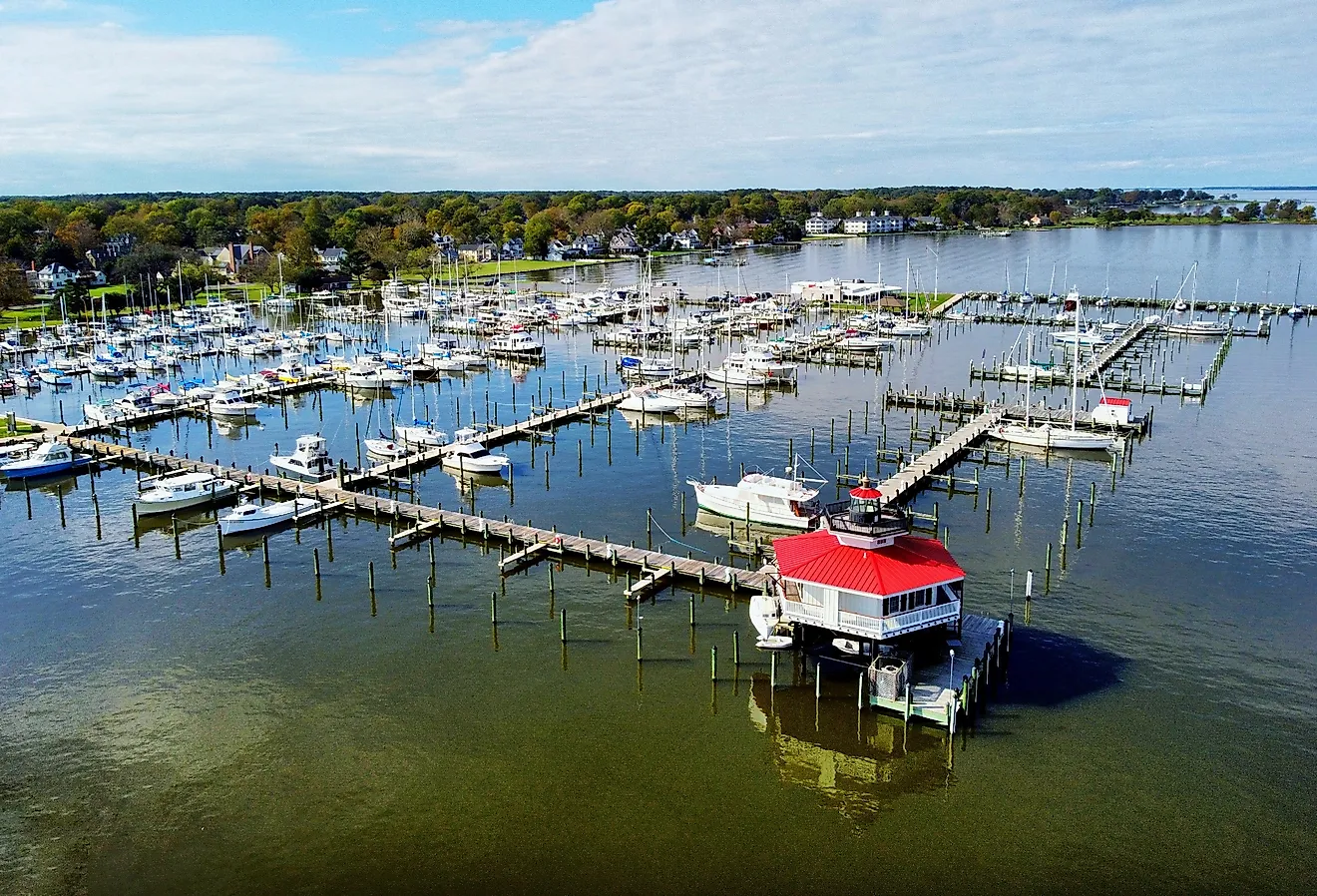
Another historic landmark in town is the old Pepin Marina waterfront area along the Mississippi River, where visitors can enjoy river views and get a sense of the town's long connection to river trade and travel. Another way to step back in time in Pepin is to visit the T & C Latane's Blacksmith, Tin Shop & Gallery, which makes decorative hardware through traditional blacksmithing methods.
Mount Horeb

Mount Horeb was named after the mountain from the Bible where Moses received the Ten Commandments by one of the town's founders, Methodist Episcopal lay minister George Wright, in the 1860s. The town gained a large Norwegian immigrant population in the 1870s, and they continue to leave their mark via quirky troll sculptures spread throughout downtown. The town has been called the Troll Capital of the World as a result. From downtown Mount Horeb, there are several historic sites to see amid the trolls, such as the District #1 Old School House, built in 1889, which is the oldest standing schoolhouse in the town.

The Mount Horeb Area Historical Society maintains the Driftless Historium Museum & Research Center, with exhibits on life in the Driftless region, a section of the Midwest that was spared by retreating glaciers at the end of the last ice age. After exploring, stop by Bistro 101 on E Main Street for some delicious steak, New American fare, and martinis.
Bayfield

Bayfield sits on the shores of Lake Superior and is close to several lakeside islands, including the Apostle Islands National Lakeshore and Big Bay State Park. Around 480 people live in this community, making it one of the smaller cities in the state. The town was founded in 1856 and was an early hotspot for Catholic immigrants, with the first Catholic Church set up in 1860. Its historic district comprises 50 blocks across multiple sections of the town, including gorgeous Victorian mansions such as the 1908 Frank Boutin Jr. House, built in the Queen Anne style and now a B&B.

The town was a major maritime hub, and unfortunately, many shipwrecks washed up on its shore. Visitors can learn about this at the Bayfield Maritime Museum or the Bayfield Heritage Association, which includes a model railroad, a barbershop, and a replica of an Anishinaabe canoe. Speaking of canoes, visitors can rent a kayak or canoe from Bayfield Kayak to explore Lake Superior.
Germantown

Germantown contains both the town of Germantown itself, with around 20,000 residents, and the historic Germantown Village. It was initially referred to as Town Nine in the 1830s before the immigration of Germans from Bavaria, Hessen, Rheinland, and other regions gave it a distinctly Germanic flair and led to its establishment as Germantown in the late 1840s. The Germantown Historical Society maintains three museums in early German American structures, including the Christ Church Museum of Local History, built in 1862; the 1854 Valentine Wolf Haus Museum & Jeffris Genealogy Research Center, housed in a historic shoemaker shop; and the Sila Lydia Bast Bell Museum & Fire Hall. This building, built between 1880 and 1910, houses a collection of 5,000 bells that Sila Lydia Bast collected over her long life in Germantown. As befitting the town's German nature, visitors can enjoy German beer and food at the Von Rothenburg Bier Stube on Main Street.
These Americana Downtowns Have Rich Cultures
All of these villages and towns have deep heritages and cultures that give their downtowns a distinct character. Bayfield, for example, draws on its maritime past through its grand Victorian mansions, shipwrecks, and Native American watercraft. Mount Horeb, meanwhile, has a quirkier approach to its Norwegian ancestors through trolls that watch visitors as they explore the historic downtown. These towns are all American, but they express that American spirit in different ways, which, if anything, reflects the national spirit of America and the rich opportunities that brought so many people to Wisconsin in the first place.