4 Snake Hotspots In Mississippi
Mississippi is one of the best states in the Southeast for snake diversity due to its mild climate and variety of natural habitats. Only a few of the approximately 55 snake species found in the state are venomous. Its rivers, wetlands, woodlands, and longleaf pine ecosystems provide great cover and plenty of prey. All year long, these habitats provide the perfect conditions for snakes to thrive. As a result, Mississippi has exceptional opportunities for both nature and herpetology lovers.
DeSoto National Forest

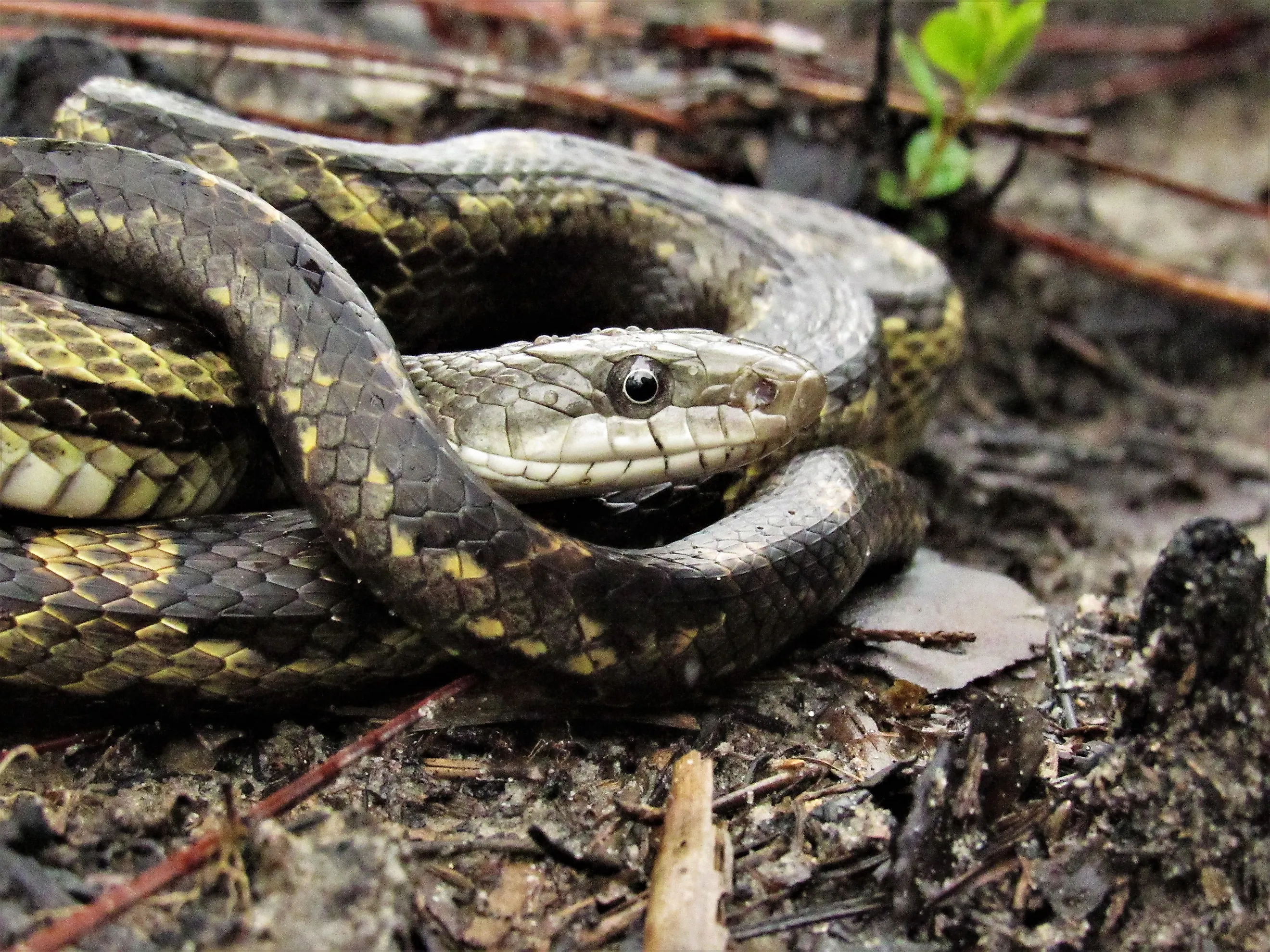
With about 500,000 acres of pine and hardwood forests, sandhills, marshes, and streams, visitors and locals go to the DeSoto National Forest in southeast Mississippi because it is home to an abundance of opportunities for hiking, camping, and wildlife observation. Here, many reptiles, including the endangered black pine snake, are supported by the forest’s deep sandy soils and longleaf pine ecosystem, which provide critical habitat for this rare species. In the woodland areas, visitors may encounter common nonvenomous snakes like rat snakes and kingsnakes in addition to these rare species. It goes without saying that streams and moist places can attract a variety of water snakes and garter snakes.
Pascagoula River Wildlife Management Area

The Pascagoula River Wildlife Management Area has several tributaries across a wide area of forested wetlands and meandering rivers in the counties of George and Jackson in southern Mississippi. The landscape of oxbow lakes, cypress-tupelo swamps, and seasonally flooded bottomlands creates countless habitats that support both aquatic and terrestrial wildlife.
As a result, broad-banded water snakes are commonly spotted along the riverbanks, while other water snake species take advantage of the area’s countless sloughs, backwaters, and shallow pools. Additionally, the forested floodplains and brushy uplands provide shelter and hunting grounds for rat snakes and other nonvenomous terrestrial snakes.
Sam D. Hamilton Noxubee National Wildlife Refuge

Found in east-central Mississippi, extending across Noxubee, Oktibbeha, and Winston counties, the Sam D. Hamilton Noxubee National Wildlife Refuge possesses hardwood forests, lakes, and wetlands. Originally established to support migratory birds, the refuge now sustains a diverse array of wildlife, including numerous snake species.

Locals have reported snakes such as the ring-necked snake alongside other species common in Mississippi. In the refuge’s wet bottomlands and around lakes like Bluff Lake and Loakfoma Lake, visitors may encounter nonvenomous water-associated snakes, including various water snake species, as well as terrestrial snakes such as rat snakes and species associated with grasslands.
Holly Springs National Forest

Holly Springs National Forest in northern Mississippi features rolling terrain, mixed hardwood and pine woodlands. Although less renowned than DeSoto or Noxubee for herpetology, the forest provides excellent shelter, hunting grounds, and basking spots that support a wide variety of snakes. Throughout the woodlands, common nonvenomous species such as rat snakes and kingsnakes move easily among the trees and forest floor debris.
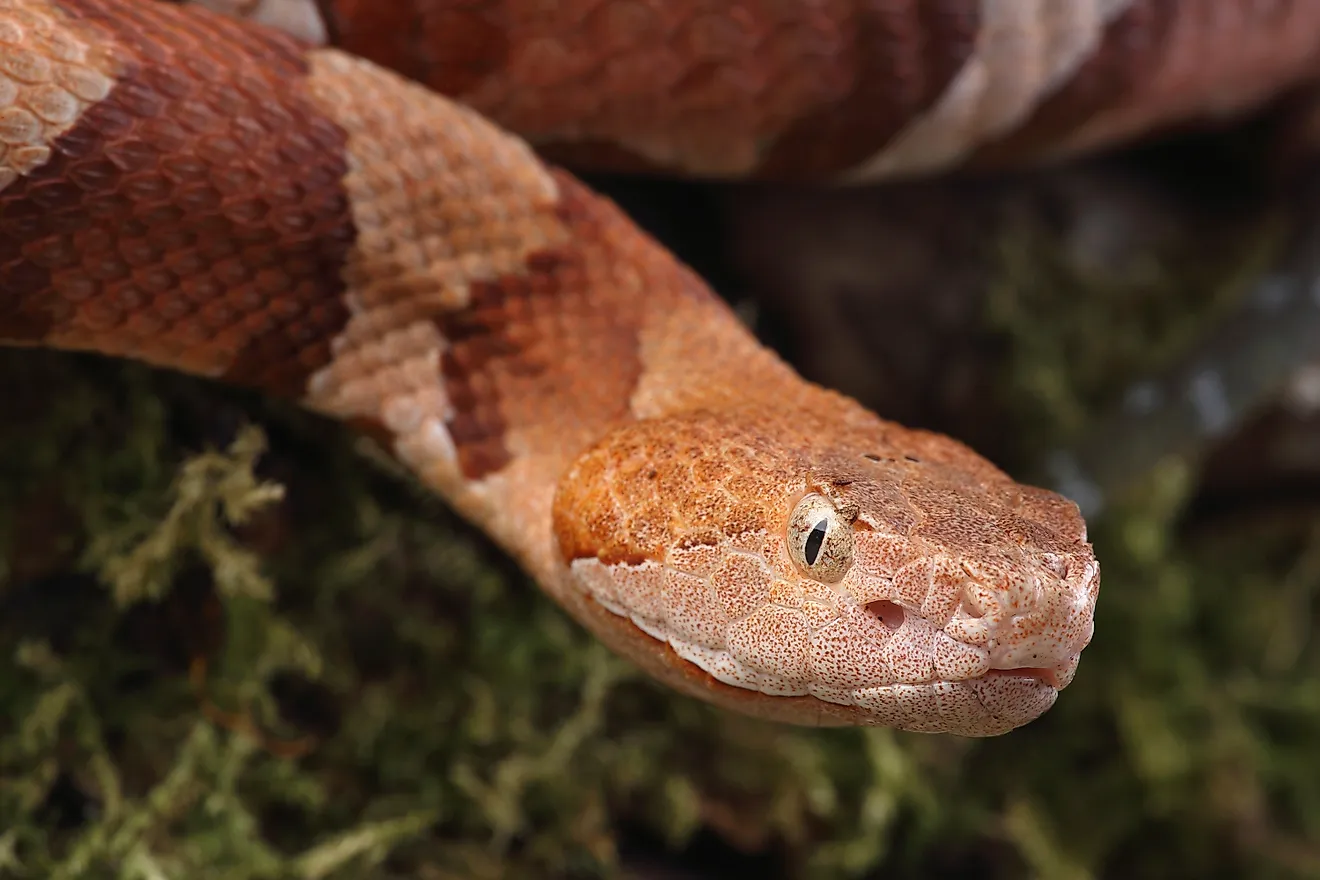
Near streams, ponds, and other moist areas, garter snakes and ribbon snakes are frequently spotted taking advantage of the plentiful water and prey. Additionally, the forest’s waterways and densely vegetated areas are, without a doubt, suitable habitats for less common venomous pit vipers, including copperheads and cottonmouths.
Mississippi’s rich mosaic of forests, rivers, wetlands, and bottomlands makes it one of the most snake-friendly states in the Southeast. With both open natural areas like DeSoto National Forest and riverine corridors like Pascagoula River Wildlife Management Area, the state offers opportunities to see a stunning variety of snake species, from harmless water snakes and rat snakes to rarer pine snakes.
While hiking in forests or walking near rivers, everyone should remember that these fierce reptiles generally want to stay away from people when left alone. Therefore, visitors and residents should keep a respectful distance from them while in the beautiful Magnolia State.