7 Most Rattlesnake Infested Areas in New Mexico
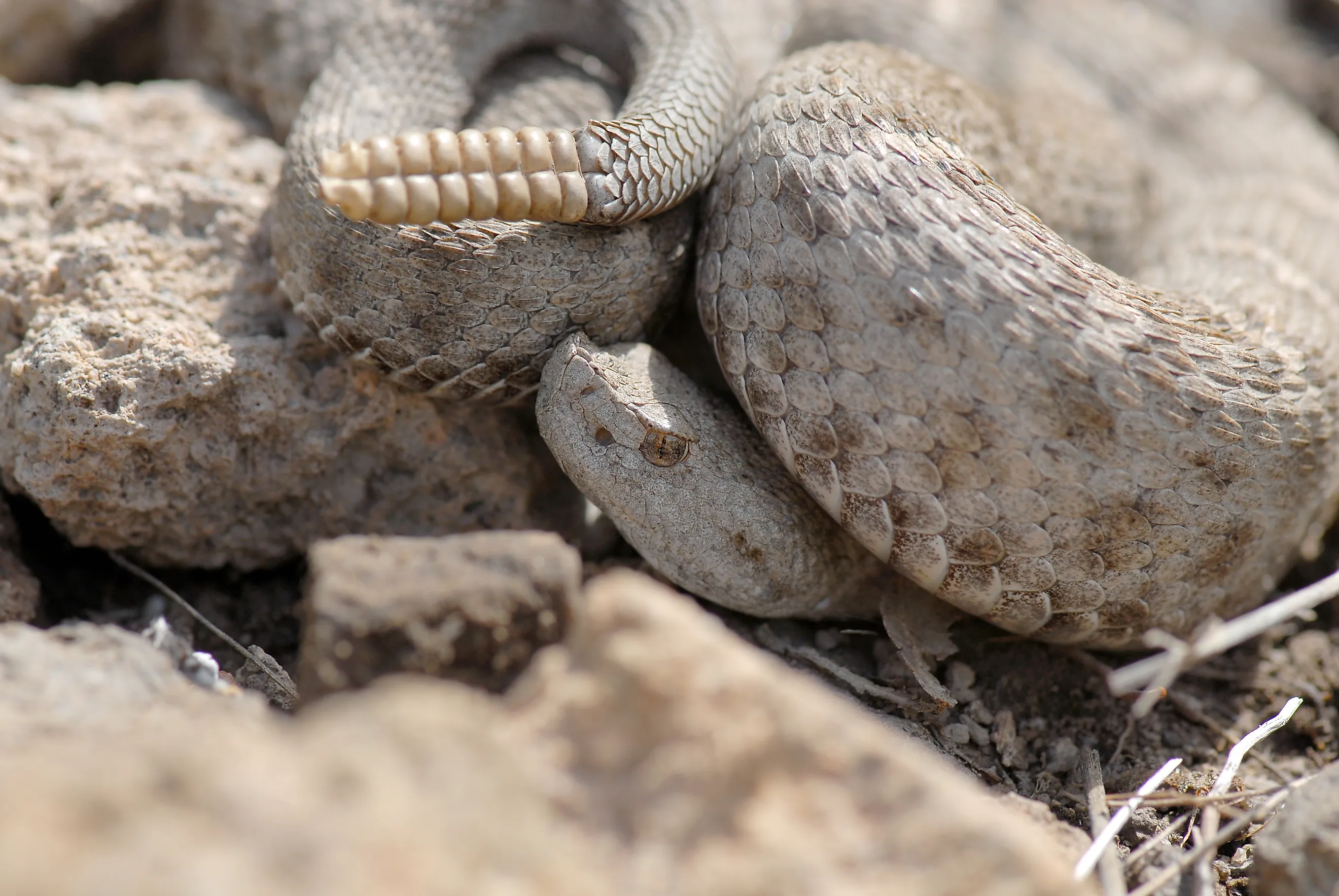
New Mexico's diverse landscapes create ideal habitats for seven species of rattlesnakes, from the desert floors to mountain peaks. The seven most rattlesnake-infested areas in New Mexico harbor particularly dense populations of these remarkable pit vipers, each area offering the specific conditions different species need to thrive. From sunbaked rock outcroppings to pine-shaded canyons, these regions demonstrate why New Mexico remains one of North America's most significant rattlesnake territories. In this article, we'll take a look at why these locations are so hospitable to the rattlesnakes that are thriving there, and which species are particularly abundant in each area.
Carlsbad Caverns National Park

The limestone ridges and desert canyons surrounding Carlsbad Caverns provide perfect rattlesnake habitat, where western diamondbacks and black-tailed rattlesnakes find abundant prey and shelter. The park's limestone formations create endless hiding spots and basking areas, while the desert scrubland supports large rodent populations. Western diamondbacks particularly thrive in the rocky arroyos near the cavern entrances, where evening humidity creates ideal hunting conditions. The park's unique karst landscape features thousands of small caves and crevices that rattlesnakes use as den sites during winter months. Black-tailed rattlesnakes favor the higher elevations of the Guadalupe Mountains within the park, particularly in areas where juniper and oak woodlands meet rocky outcrops. These snakes often concentrate around the desert pools and seeps that dot the landscape, taking advantage of the water sources that attract their prey. When visiting the park, be sure to pay attention to where you step, especially near rocks and water sources.
Gila National Forest

The vast Gila wilderness creates a mosaic of rattlesnake habitats, from river canyons to mountain meadows. Arizona black rattlesnakes dominate the pine-oak woodlands above 6,000 feet, while twin-spotted rattlesnakes inhabit the rocky canyon rims. The forest's diverse ecosystem provides year-round prey availability, from small mammals in the understory to lizards on sun-warmed rocks. Deep canyons cut by the Gila River create microhabitats where rockslides and cliff faces offer essential denning sites. The twin-spotted rattlesnake, one of New Mexico's most elusive species, finds refuge in these remote rocky areas, particularly where moisture-holding moss and ferns indicate reliable water sources. Arizona black rattlesnakes frequently concentrate around fallen logs and rocky outcrops in mixed conifer forests, especially in areas where regular forest fires have created open understory conditions. Pay attention to your step near logs and rocks, where the snakes tend to rest.
White Sands National Park

The stark white gypsum dunes harbor surprising numbers of prairie rattlesnakes and desert massasaugas, both species perfectly adapted to this unique ecosystem. These snakes have evolved lighter coloration to blend with the white sand, while the dune's heat-reflecting properties create temperature gradients that allow rattlesnakes to thermoregulate effectively throughout the year. The interdune areas, where desert plants take root in more stable soil, provide essential hunting grounds. Desert massasaugas, particularly active at night, utilize the complex network of rodent burrows that honeycomb the dune bases. Prairie rattlesnakes concentrate in areas where yucca and other desert plants create stable microhabitats, especially along the park's edges where gypsum dunes meet desert scrubland. When you visit the park, you'll want to be aware of snakes that are active. Give them plenty of space and remember that they're probably more afraid of you than you are of them.
Lincoln National Forest

The Sacramento Mountains within Lincoln National Forest create diverse elevation zones where banded rock and mottled rock rattlesnakes thrive. These species particularly favor the limestone outcrops between 5,000 and 8,000 feet, where south-facing cliffs provide optimal basking sites. The forest's mix of ponderosa pine and Douglas fir creates shaded areas adjacent to exposed rock faces, allowing snakes to regulate their temperature efficiently. Banded rock rattlesnakes concentrate in canyon areas where seasonal streams create more humid conditions, particularly in spots where large boulders meet forest edges. Mottled rock rattlesnakes prefer higher, drier ridges where agave and oak thickets provide cover. Both species benefit from the abundance of small cliff bands and talus slopes that offer secure winter denning sites. If you explore the forest, keep in mind that these snakes are excellent at camouflaging themselves. Be aware of where you step, and if you do see a snake in your path, just give it a wide berth.
Sevilleta National Wildlife Refuge

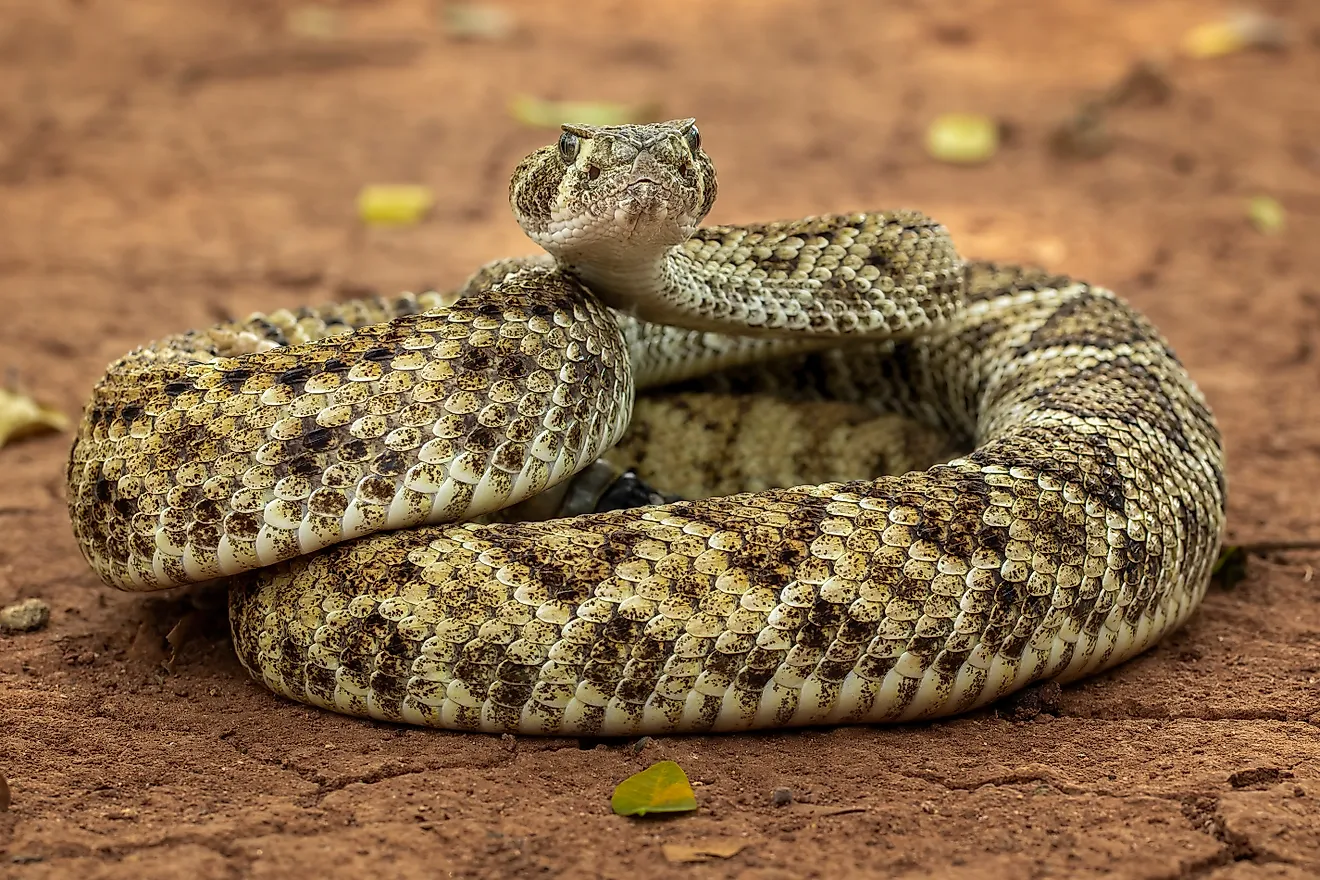
This transition zone between the Chihuahuan Desert and Great Plains offers ideal habitat for both western diamondback rattlesnakes and prairie rattlesnakes. The refuge's combination of desert grasslands and creosote bush flats provides great hunting grounds, while numerous arroyos serve as shelter and ambush spots. Western diamondbacks flourish particularly in areas where rocky outcrops meet desert scrub. The extensive grasslands support large rodent populations, especially near dry washes with deeper soils that allow for complex burrows. Prairie rattlesnakes are prevalent in the northern parts where shortgrass prairie joins juniper woodland. Both species use the refuge's erosion channels as corridors between winter dens and summer feeding areas. As with all snake habitats, be cautious where you step, especially around rocks and logs.
Organ Mountains

The Organ Mountains' striking granite peaks and canyons provide an ideal habitat for black-tailed and rock rattlesnakes. These snakes flourish among the weathered granite, where deep fissures offer vital shelter and ledges serve as perfect basking spots. The mountain's diverse geology creates various microclimates, from sunlit cliff faces to cool, north-facing ravines. Black-tailed rattlesnakes often gather in areas where oak woodlands meet rocky terrain, especially in canyon bottoms with seasonal water flow that supports denser plant life and more prey. Rock rattlesnakes favor higher elevations with granite boulders that offer complex denning sites. The temperature fluctuations between sun and shade enable these snakes to stay active for much of the year. When hiking up steep terrain, you’re more likely to see rock rattlesnakes, so watch your step.
Jornada del Muerto Basin

The large Jornada del Muerto basin supports significant populations of western diamondback rattlesnakes and desert massasaugas. Its mix of mesquite dunes and desert grassland provides vital cover, while scattered rock outcroppings serve as denning sites. Western diamondbacks mainly gather around dry lake beds where deeper soils boost rodent numbers. Desert massasaugas prefer the sandy areas, especially where grass tufts offer cover to ambush prey. Both species benefit from many mammal burrows, which help them escape extreme heat and act as hunting spots. The area's minimal human development has preserved large, continuous habitats, enabling rattlesnake populations to follow natural movement and breeding patterns. If you visit, be especially cautious around deep brush. By respecting the snakes' habitat and keeping your distance, you can avoid unwanted encounters.
The seven most rattlesnake-infested areas in New Mexico showcase how different rattlesnake species have adapted to the state's varied landscapes. From the white dunes to granite peaks, each area provides the specific combination of shelter, prey availability, and thermal conditions that rattlesnakes need to thrive. Understanding these habitat preferences helps explain why these locations maintain such significant rattlesnake populations while highlighting the importance of preserving these unique ecosystems. When visiting any of these areas, simply be mindful of their presence. Most rattlesnakes are not aggressive but may strike if they feel immediately threatened. By giving them plenty of space, we can cohabitate in New Mexico's amazing landscape.