4 Arizona Towns Where Famous Movies Were Filmed
Arizona has long served as a backdrop for some of Hollywood's most memorable films, particularly westerns that have defined the genre for generations. The state's landscapes, from rugged desert terrain to red rock formations, have attracted filmmakers since the early days of cinema. This article will embark on a journey through the state's storied past, meticulously exploring Arizona’s most significant and influential filming locations, and offering practical recommendations for visitors who wish to step directly into the frame and experience these legendary, beautiful destinations firsthand.
Tucson

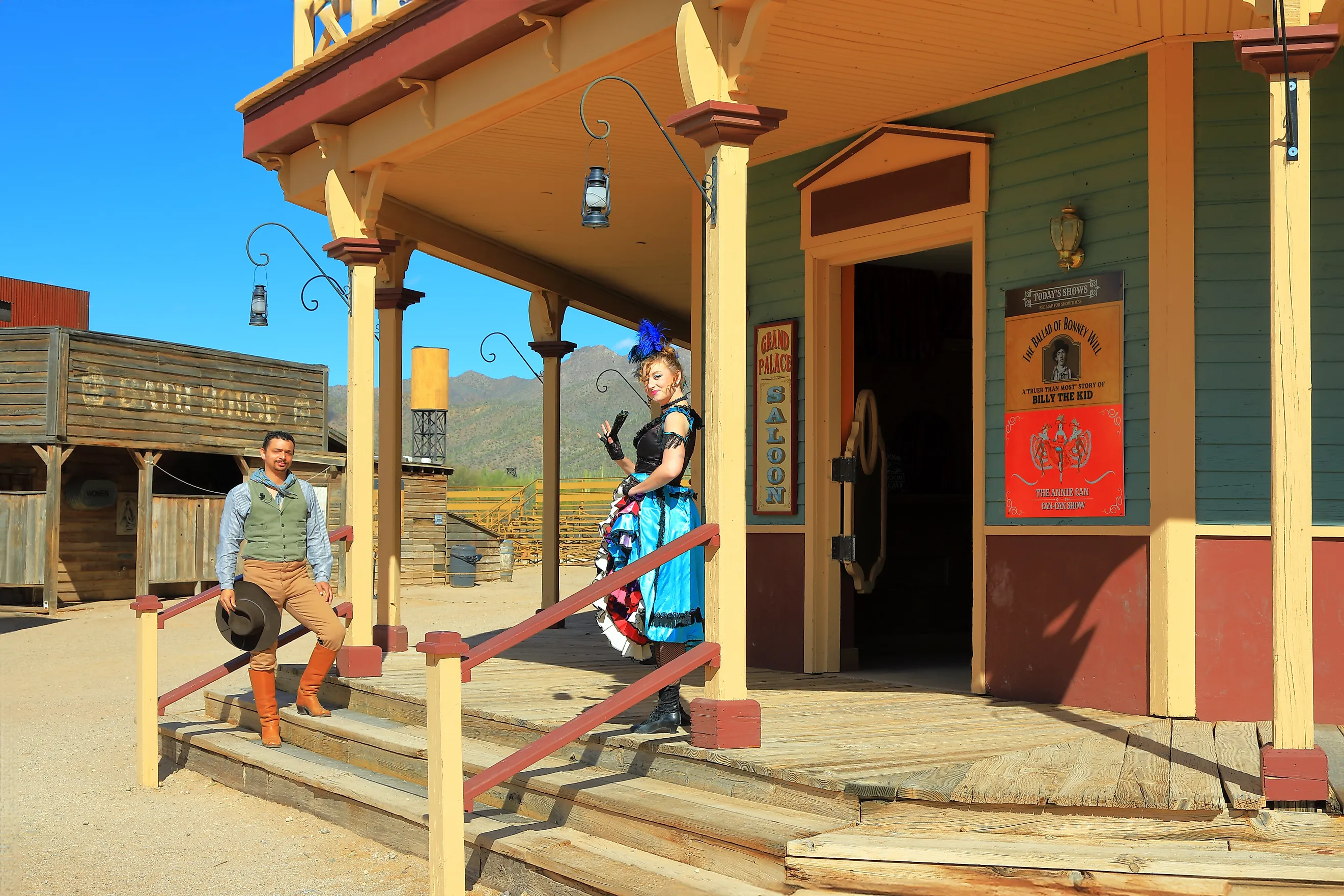
Old Tucson Studios stands as one of the most prolific western film locations in American cinema history. Columbia Pictures originally constructed this studio in 1939 for the production of the film Arizona (1940). Since then, hundreds of productions have utilized its Old West town setting, which filmmakers designed to replicate a genuine 1860s frontier community.
The western epic Tombstone (1993) remains one of the most celebrated films shot at Old Tucson Studios. Director George Cosmatos brought the legendary story of Wyatt Earp and Doc Holliday to life in the studio's dusty streets and weathered buildings. Kurt Russell and Val Kilmer delivered some of their best performances as they reenacted the famous Gunfight at the O.K. Corral. The production team utilized Old Tucson's existing structures while also constructing additional sets to capture the authentic feel of 1880s Arizona Territory. Audiences responded enthusiastically to the film's gritty portrayal of frontier justice, and Tombstone has since achieved cult classic status among western film fans.

Three decades earlier, legendary director Howard Hawks chose Old Tucson Studios as the primary location for Rio Bravo (1959). This classic western starred John Wayne and Dean Martin, in a tense story about a sheriff defending his jail against a powerful rancher's hired guns. Hawks transformed the studio's streets into the fictional town of Rio Bravo, Texas, creating an atmosphere of claustrophobic tension that has influenced countless filmmakers since. The film showcased Old Tucson's versatility, as the location portrayed a completely different setting from its actual Arizona surroundings. Other famous productions on site include El Dorado (1966), Little House on the Prairie (1974-1983), Three Amigos! (1986), and The High Chaparral (1967-1971).

Visitors who journey to Tucson to explore its cinematic heritage will discover a fascinating city with numerous attractions beyond Old Tucson Studios. The Arizona-Sonora Desert Museum offers an unparalleled opportunity to experience the Sonoran Desert ecosystem. This institution combines a zoo, botanical garden, and natural history museum across 98 acres of desert terrain. Guests encounter native wildlife, including javelinas, mountain lions, and hundreds of bird species, in naturalistic habitats that showcase the region's biodiversity.
History fans should explore the historic downtown district, where nineteenth-century adobe buildings house contemporary restaurants, galleries, and shops. The Tucson Presidio (Presidio San Agustín del Tucson), originally established by Spanish colonists in 1775, provides insight into the region's rich multicultural heritage. The Saguaro National Park surrounds the city on both its eastern and western flanks, protecting vast forests of the iconic saguaro cactus.
Monument Valley

Monument Valley's sandstone buttes have become some of the most recognizable landscapes in western film history. This region, located near the communities of Kayenta and Oljato near the Utah border, first captured Hollywood's attention when director John Ford selected it as the primary location for Stagecoach (1939). This film starred John Wayne in his breakout role as the Ringo Kid, a wanted outlaw who joins a group of travelers on a dangerous journey through Apache territory.
Ford's decision to film in Monument Valley revolutionized the western genre and established a visual vocabulary that filmmakers continue to reference today. The director returned to this location repeatedly throughout his career, shooting classics including My Darling Clementine (1946), Fort Apache (1948), She Wore a Yellow Ribbon (1949), and The Searchers (1956). Ford developed a deep connection with the Navajo people, who have called this region home, and he consistently employed Navajo actors and extras in his productions. His films transformed Monument Valley into what critics and scholars often describe as Ford's 'outdoor cathedral,' a landscape imbued with mythic significance that elevated his westerns to the level of American folklore.

Travelers who visit Monument Valley will find themselves absorbed in the rich cultural heritage. Monument Valley Navajo Tribal Park offers guided tours led by Navajo guides who share their people's history, traditions, and connection to this sacred landscape. The nearby town of Kayenta provides access to Navajo National Monument, where visitors can view preserved Ancestral Puebloan cliff dwellings, including Betatakin and Keet Seel. These archaeological sites offer insights into the communities that thrived in this region centuries before European contact. Adventurous visitors should consider booking a sunrise or sunset photography tour, as the changing light transforms the valley's colors.
Sedona

Sedona's red rock formations have attracted filmmakers since the earliest days of sound cinema. The western Broken Arrow (1950) brought this remarkable place to international audiences and established Sedona as a filming destination. Director Delmer Daves chose the region's scenery as the backdrop for this groundbreaking film, which starred James Stewart as a cavalry officer who seeks peace with Apache leader Cochise, portrayed by Jeff Chandler.
Broken Arrow distinguished itself from typical westerns of its era by presenting Native American characters with dignity and complexity. The film's sympathetic portrayal of Native American people challenged stereotypes and paved the way for more nuanced representations in subsequent decades. Sedona's formations appeared prominently throughout the production, their presence lending visual grandeur to the film's themes of reconciliation and understanding. The location's gorgeousness proved so compelling that Hollywood returned repeatedly, with a constant stream of productions filming in the Sedona area.

Visitors drawn to Sedona by its cinematic legacy will discover a destination renowned for spiritual significance and outdoor recreation. Red Rock State Park offers an excellent introduction to the region's geology and ecology through its visitor center exhibits and network of hiking trails. The park's terrain showcases the red rock formations that have captivated filmmakers and tourists alike for generations.
Spiritual seekers from around the world travel to Sedona to experience its famous vortex sites, locations believed to concentrate the earth's energy in ways that promote healing and meditation. Bell Rock, Cathedral Rock, Airport Mesa, and Boynton Canyon represent the most visited vortex locations, each offering unique hiking opportunities alongside their metaphysical appeal. The Sedona Heritage Museum preserves the community's history from its early ranching and farming days through its emergence as a film location and tourist destination. Exhibits feature memorabilia from productions filmed in the area and document the region's transformation over the past century.
Yuma

The expansive landscape surrounding Yuma provided the perfect alien terrain for one of science fiction cinema’s most memorable sequences: the Sarlacc Pit in Star Wars: Episode VI Return of the Jedi (1983). These immense natural sand dunes, which constitute the Imperial Sand Dunes Recreation Area, served as the desert surface of the planet Tatooine. Filmmakers constructed the gigantic set piece of Jabba the Hutt’s sail barge atop the rolling sands. The windswept environment lent an unparalleled sense of scale and realism to the action as Luke Skywalker and his companions battled Jabba’s crew.

Visitors to Yuma tour the Yuma Territorial Prison State Historic Park, where they explore the iron gates and original cell blocks of the 19th-century prison, learning about the compelling, difficult lives of its former inmates. Guests can discover the Yuma Crossing National Heritage Area's pivotal role in the American Southwest's development, where they actively walk or bike the trails. Travelers can drive northeast to the Castle Dome Mines Museum, an authentic, preserved 1870s mining settlement where you can wander through reconstructed structures and explore the Hull Mine, observing the striking fluorescent minerals that illuminate the region's economic history.
Arizona's contributions to cinema extend far beyond providing scenic backdrops for western films. Tucson's Old Tucson Studios, Monument Valley, Sedona, and Yuma have shaped American filmmaking and continue to attract visitors who wish to walk in the footsteps of cinema legends. From John Wayne's star-making turn in Stagecoach to the explosive showdowns of Tombstone, these Arizona landscapes have witnessed some of Hollywood's most memorable moments. Travelers who explore these destinations today will discover that their cinematic significance represents only one dimension of their appeal.