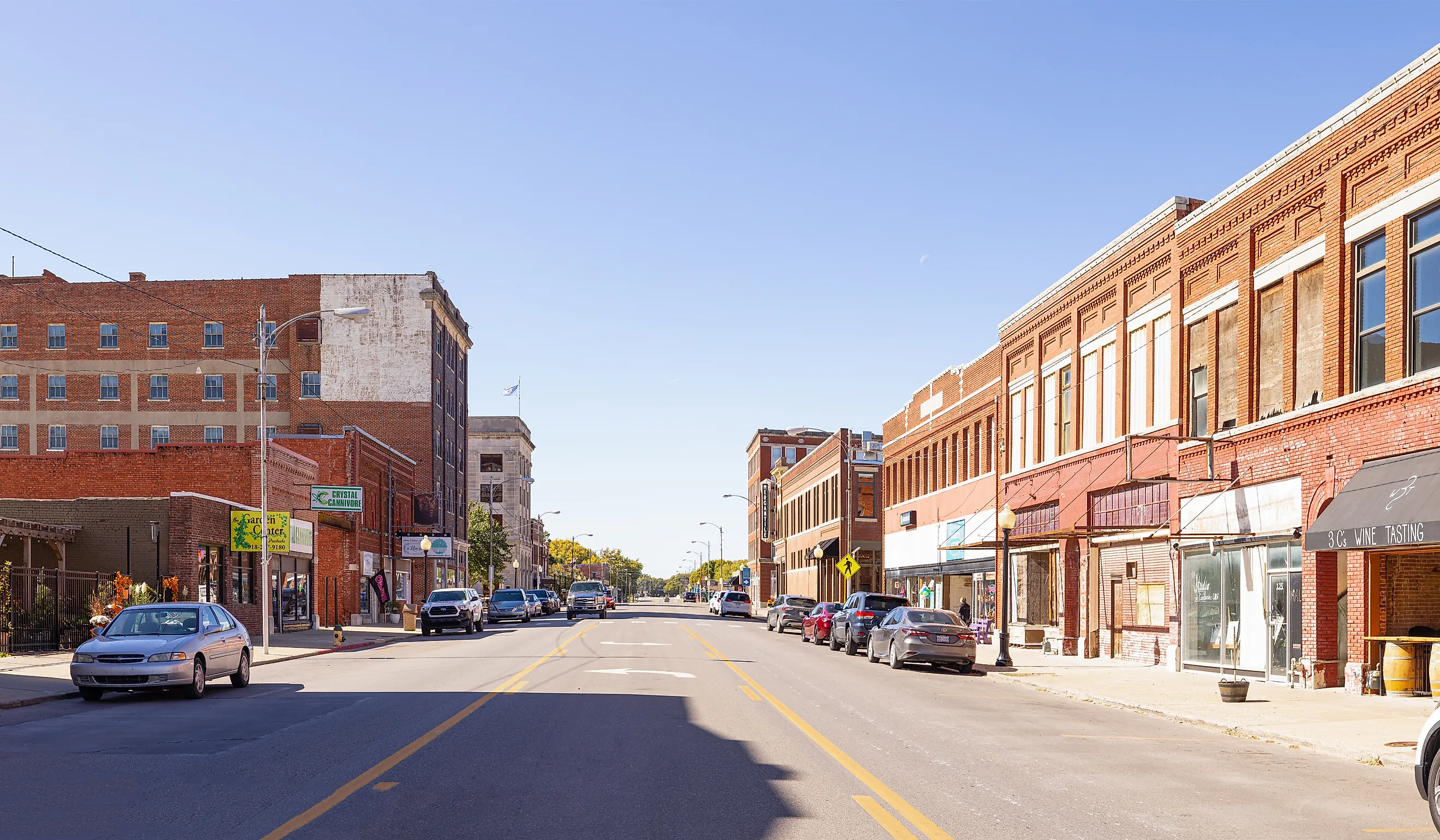
12 Off-The-Beaten-Path Towns In Oklahoma
Ready to swap the interstate for prairie horizons and quiet main streets? This Oklahoma road trip threads through 12 under-the-radar communities where the state’s story unfolds piece by piece, and town by town. From Medicine Park’s 1908 cobblestone resort-town charm beside the Wichita Mountains Wildlife Refuge to Pawhuska’s deep Osage Nation roots and the Osage Nation Museum (the oldest tribally owned museum in the U.S.), these places reward slow exploring. You can lake-hop to Eufaula on Oklahoma’s largest lake, unwind in Sulphur near Chickasaw National Recreation Area’s springs, or savor Krebs, the state’s “Little Italy.”
Medicine Park

Medicine Park, nestled right next to the beautiful Wichita Mountains in southwestern Oklahoma, has been welcoming visitors since it was founded in 1908 as Oklahoma's very first resort town. With its charming cobblestone buildings and its close proximity to the 59,020-acre Wichita Mountains Wildlife Refuge, it holds both historical charm and stunning natural beauty. In its early days, it was a popular retreat where politicians and celebrities from all over the country came to unwind and soak in the peaceful surroundings.
Visitors to Medicine Park are in for a treat as they explore the beautiful Wichita Mountains Wildlife Refuge, home to majestic American bison, Texas longhorn cattle, and playful prairie dogs. The Bath Lake Medicine Park features a lovely, natural swimming hole filled by a mountain creek, perfect for a refreshing dip. When it's time to eat, The Old Plantation Restaurant offers delicious Southern dishes, and Mrs. Chadwick’s Bakery and Coffee Bar is a charming spot to enjoy fresh baked goodies and aromatic coffee. For a fun, educational outing, the Medicine Park Aquarium & Natural Sciences Center showcases fascinating exhibits on Oklahoma’s native wildlife, making every visit memorable.
Pawhuska

Pawhuska, nestled in Osage County, is proud to serve as the heart of the Osage Nation. Founded in 1872, this charming town's rich history is deeply connected to the Osage tribe and the exciting oil boom of the early 20th century that brought many new faces to the area. Celebrating its vibrant Osage heritage, Pawhuska is home to the Osage Nation Museum—the oldest tribally owned museum in the United States—which beautifully tells the stories and preserves the culture of the Osage people.
When exploring Pawhuska, don't miss The Pioneer Woman Mercantile, a charming spot owned by Food Network star Ree Drummond. It features a delightful bakery, deli, and general store, attracting visitors with its delicious food and charming shopping. Just north of town, the Tallgrass Prairie Preserve offers a beautiful 39,650-acre refuge, the largest remaining protected tallgrass prairie in the world, where you can enjoy seeing herds of bison roaming freely. It’s a wonderful place to experience local charm and natural beauty.
Eufaula

Eufaula, perched around the shores of Lake Eufaula, the state's largest lake, was established in 1872 and named after the Eufaula tribe of the Creek Confederacy. The town's history is intertwined with the development of the lake itself, created in 1964 through the damming of the Canadian River, which led to Eufaula becoming a hub for fishing and water sports. The town's annual Whole Hawg Days Festival celebrates this heritage with events centered around the lake's resources.
Lake Eufaula is a wonderful place with plenty of activities like boating, fishing, and swimming. The Lake Eufaula State Park has lovely hiking trails, horseback riding paths, and camping spots, making it a great choice for outdoor lovers. When it’s time to eat, don't miss Mama Tig's Wood-Fired Pizza in Eufaula, where you can enjoy delicious artisan pizzas baked in a traditional wood-fired oven, creating a warm and inviting atmosphere ideal for a relaxing meal. For a charming waterfront dining experience, Captain John's is famous for its fresh seafood and stunning views, making it perfect for a scenic and tasty meal!
Sulphur

Sulphur is strategically located near the Chickasaw National Recreation Area, one of the oldest national parks in the Southwestern United States, established in 1902. Originally named for the abundant mineral springs in the area, Sulphur was relocated to its current site in 1902 to accommodate the creation of Platt National Park, now part of the larger recreation area. The town's proximity to these natural resources historically made it a spa destination, capitalizing on the reputed healing properties of the springs.
Today, Sulphur warmly welcomes visitors to explore a wonderful range of activities at the Chickasaw National Recreation Area, where you can enjoy the beautiful springs, streams, and lakes perfect for swimming, boating, and fishing. The Travertine Nature Center offers engaging guided tours and educational programs about the fascinating local plants and animals. For a touch of culture and luxury, you can stay at The Artesian Hotel, which features lovely accommodations and delicious dining options. Plus, a visit to Bedré Fine Chocolate allows you to tour their charming chocolate-making facility. Don't miss the Chickasaw Cultural Center, a modern museum that beautifully shares the rich history and culture of the Chickasaw Nation through meaningful artifacts, exhibits, and even a recreated traditional village.
Talihina

Talihina sits at the gateway to the Ouachita National Forest in southeastern Oklahoma and is renowned for its strategic location at the western end of the Talimena Scenic Drive. This historic town was founded in the late 19th century and serves as a vital point for accessing the lush, rolling hills of the Ouachita Mountains. The name Talihina is derived from the Choctaw words for "iron road," referencing the town's early importance as a stop on the railroad.
Visitors to Talihina are warmly welcomed to enjoy the stunning Talimena Scenic Drive, especially during the beautiful autumn season when the foliage is at its peak. Along the way, you'll find plenty of scenic lookouts and cozy picnic spots to relax and take in the views. For those who love the outdoors, the Ouachita National Forest offers a vast network of trails perfect for hiking, mountain biking, and camping adventures. In town, make sure to stop by Pam's Hateful Hussy Diner, a beloved local spot known for its hearty meals and welcoming atmosphere. The Choctaw Nation Health Care Center is an important part of the community, highlighting the proud presence and influence of the Choctaw Nation in Talihina.
Waurika

Waurika serves as the county seat of Jefferson County and is located approximately 30 miles north of the Red River that forms the border between Oklahoma and Texas. The town was officially founded in 1901 h and derived its name from the Comanche word meaning "clear water," a nod to the area’s abundant natural springs. Waurika was established around the Rock Island Railroad, which played a crucial role in its development as an agricultural center.
Currently, Waurika offers a range of attractions that celebrate its rich heritage and beautiful natural surroundings. The Chisholm Trail Historical Museum warmly shares the area's history of cattle drives and pioneering life, with fascinating artifacts and displays that highlight the important role of the Chisholm Trail. Waurika Lake is a beloved spot for outdoor fun, where visitors can enjoy fishing, boating, and camping adventures. Each year, the town joyfully celebrates its beginnings and community spirit with the Waurika Snake Hunt, a unique event that brings in visitors from all around. For a delicious meal, Rocky’s Café provides comforting local dishes in a friendly, homestyle setting—an inviting taste of southern hospitality.
Gore

Gore, positioned in the eastern part of the state, holds the title of "Trout Capital of Oklahoma," a distinction reflective of its prime location along the Illinois River. This small town, established in the early 20th century, thrived initially as a farming community before transitioning to a tourist destination, drawing visitors with its abundant fishing opportunities and scenic river views. The name "Gore" originated from Thomas Gore, who was a prominent U.S. Senator.
Gore remains a popular spot for outdoor lovers and fishing fans alike. The MarVal Family Camping Resort provides cozy cabins and scenic campsites right along the river, making it a perfect spot for fishing, rafting, and kayaking adventures. If you're into trout fishing, you'll love the Lower Illinois River Public Fishing Area, stocked all year to ensure great fishing experiences. For dining, Soda Steve’s is a favorite for its relaxed vibe and tasty, casual meals. Not far from here, Webbers Falls Museum invites you to explore local history and learn about how the Arkansas River navigation system has shaped the area.
Krebs

Krebs, Oklahoma, established in the late 19th century, is cherished as the state's "Little Italy." This special identity grew from the arrival of Italian immigrants who came to work in the coal mines nearby, leaving a lasting mark on the town's culture, delicious foods, and community spirit. Krebs's rich heritage shines through its beloved culinary traditions and lively festivals that honor its Italian origins, making it a truly special cultural sanctuary within Oklahoma.
Krebs’s reputation really shines through its charming Italian restaurants like Pete's Place, beloved for its hearty family-style Italian meals and refreshing home-brewed Choc beer, a true local favorite. Isle of Capri is another lovely spot that serves up traditional dishes, celebrating the town's rich Italian roots. For those curious about Krebs’s history, the Krebs Heritage Museum offers an engaging look into the town's mining history and its community’s growth. And don't miss Lovera's Market, a cozy family-owned grocery where you can enjoy delicious Italian specialties and handcrafted cheeses that attract both locals and visitors alike.
Chelsea

Chelsea, located along the iconic Historic Route 66 in Rogers County, has a charming history that dates back to 1889, even before Oklahoma officially became a state. The town's growth was significantly influenced by the Atlantic and Pacific Railroad, which brought tracks through Chelsea and opened up new opportunities for trade and connection. In 1901, the discovery of the Chelsea Gas Field marked a new exciting chapter, establishing Chelsea as a notable player during Oklahoma's early oil and gas boom. Today, this vibrant history is celebrated through well-preserved sites and Route 66 attractions, offering a warm glimpse into the town's fascinating past and rich cultural heritage.
In Chelsea, The Chelsea Motor Inn and the Pryor Creek Bridge are historic attractions reflecting the town’s vibrant era during the heyday of the Mother Road. For dining, the local favorite Dot’s Cafe offers traditional American fare in a setting filled with local memorabilia. Nearby, the Ed Galloway Totem Pole Park, just a short drive away, features the world's largest concrete totem pole, providing a quirky and educational outdoor museum experience.
Mangum

Mangum, Oklahoma, located in Greer County, was established in the late 19th century and became the county seat around the time of Oklahoma's statehood in 1907. The town played a central role in the historic boundary dispute between Texas and Oklahoma, famously resolved by the U.S. Supreme Court in favor of Oklahoma, shaping Mangum’s early political and cultural landscape. The area's agriculture, particularly cotton farming, drove economic growth, while its role in state and regional history has been preserved through local museums and landmarks.
Start your Magnum tour by exploring the Old Greer County Museum and Hall of Fame, which houses artifacts and exhibits detailing the region's frontier days, the county dispute, and local cultural history. The museum complex includes a restored homestead, a schoolhouse, and a chapel, providing a comprehensive view of life in early 20th-century Oklahoma. Additionally, Mangum hosts the annual Rattlesnake Derby, a unique event that attracts visitors with its quirky blend of wildlife conservation, education, and community festivities.
Hennessey

Hennessey, located in Kingfisher County, was founded during the Land Run of 1892 and named after Pat Hennessey, an Irish freighter who was killed and buried at the site in 1874. The town’s early years were marked by its role as a farming and ranching community, and it is known for its rich agricultural history, which continues to influence its culture and economy today. The presence of the historic Pat Hennessey Memorial Park, where Hennessey’s grave is located, adds a historical layer to the town’s narrative, connecting past to present.
In Hennessey, visitors can explore the rich local history at the Hennessey Public Library, which also acts as a friendly community hub full of archives and resources on the area's genealogy. For those who love outdoor fun, Mitch Park offers perfect spots for family get-togethers and active sports. When it’s time to eat, the local dining scene, including favorites like Eischen’s Bar—the oldest bar in Oklahoma—serves up delicious fried chicken and hearty bar fare in a cozy, rustic setting. Plus, the annual Hennessey Wine & Chocolate Festival is a delightful event that features local wineries and chocolatiers, giving everyone a chance to enjoy fresh, local treats and crafts.
Spiro

Spiro is perhaps most famous for the Spiro Mounds, an important archaeological site linked to the Mississippian Indigenous culture that flourished between 800 and 1450 AD. The town itself was founded in the early 20th century as a small agricultural community but gained prominence with the discovery of the Spiro Mounds in the 1930s, which revealed one of the most significant ceremonial sites in the United States and provided insight into pre-Columbian Native American civilizations.
The Spiro Mounds Archaeological Center is a wonderful place for visitors to explore! It offers engaging guided tours, fun educational programs, and a museum filled with fascinating artifacts like intricate pottery, tools, and ceremonial objects. This center truly helps bring to life the rich societal structures and cultural importance of the indigenous peoples who once called this area home. When you're hungry, you can enjoy delicious local flavors at spots like Maria’s Mexican Restaurant, known for its warm and inviting atmosphere. Plus, nearby Lake Wister State Park is perfect for boating, fishing, and camping adventures. Spiro makes a fantastic destination for both history lovers and outdoor enthusiasts alike.
In conclusion, Oklahoma's lesser-known towns exemplify the state's diverse cultural and natural landscape, each offering unique insights into the region's history and community life. From Krebs' rich Italian heritage to the archaeological significance of Spiro, these towns provide not only a retreat from the bustling urban centers but also an enriching experience of Oklahoma's multifaceted identity. This exploration into Oklahoma's hidden gems reveals the intrinsic value and charm of its small towns, proving that the state's true essence is found not only in its vast prairies and metropolitan hubs but also within the quiet, enduring spirit of its less-traveled locales.