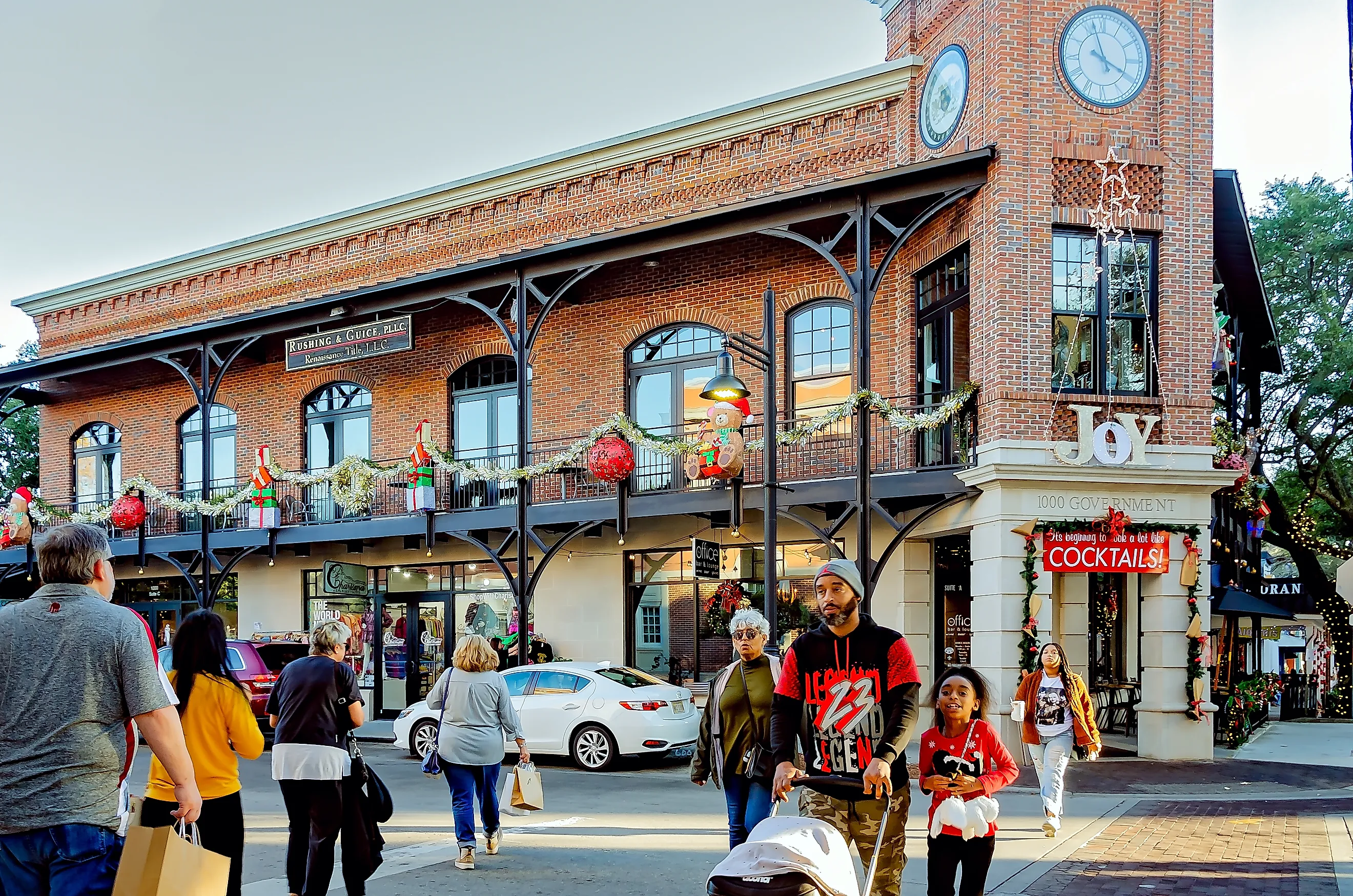
12 Of The Friendliest Towns In Mississippi
In Mississippi, the easiest conversations often happen in places shaped by the land itself, on Delta sidewalks that stretch flat and wide, beneath river bluffs overlooking the Mississippi, and along Gulf Coast docks where evenings pull people outside. College towns gather around walkable squares, river towns around overlooks and parks, and coastal communities around harbors and long shoreline paths. Geography doesn’t just frame these towns; it decides where people cross paths.
The towns below are places where that crossing happens. What follows is a closer look at twelve Mississippi towns where friendliness grows from shared ground rather than small talk.
Corinth

Corinth sits at a historic crossroads in northeast Mississippi, and that legacy still shapes how people interact day to day. Community life often centers around the Corinth Civil War Interpretive Center, where locals volunteer as guides, host lecture nights, and participate in living-history programs tied to family stories that remain personal. Nearby, the Corinth Contraband Camp draws educators, church groups, and residents for remembrance walks and discussion events focused on emancipation and reconstruction.

Downtown activity gathers along Fillmore Street during seasonal festivals and music-centered events, when food vendors, local artisans, and live performances bring neighbors back into the historic core. Locals often linger over meals at Vicari Italian Grill, a regular post-event meeting spot. Much of Corinth’s character unfolds face to face along brick sidewalks just steps from the rail lines that continue to define the town.
Oxford

Oxford thrives on conversation, and its town square makes that unavoidable. The Oxford Square acts as a shared living room, with benches, bookstores, and cafés drawing people into daily interaction. Square Books anchors that rhythm through author talks, reading groups, and evening events that turn literature into something public and participatory.

The presence of the University of Mississippi adds a steady flow of lectures, performances, and game-day gatherings that mix longtime residents with students. Rowan Oak hosts walking tours and outdoor talks that encourage lingering beneath the trees. Even on quiet days, sidewalks stay active with neighbors stopping to talk near the courthouse steps at the center of Oxford.
Hattiesburg

Hattiesburg’s welcoming nature shows itself in how often people gather outdoors and downtown. The Longleaf Trace acts as a daily meeting ground, with walkers, cyclists, and families exchanging greetings along its shaded miles. Organized runs, charity walks, and art pop-ups turn the trail into a social thread connecting neighborhoods.

Downtown energy centers on the Hattiesburg Train Depot, which hosts markets, concerts, and seasonal celebrations that fill the surrounding blocks. Evenings often end at T-Bones Records & Café, where live music and record-store browsing blur into conversation.
Natchez

Natchez brings people together through shared stewardship of its history. Each spring, the Natchez Pilgrimage opens historic homes like Stanton Hall and Rosalie Mansion, relying on local hosts and storytellers to guide visitors through rooms filled with personal anecdotes. These events transform historic spaces into community-led experiences.

Outside the mansions, residents gather along Natchez Bluff Park, where evening walks and concerts overlook the Mississippi River. The Camp Restaurant draws locals to long communal tables, especially during sunset hours. Informal walking routes often follow the bluff paths and nearby Trace overlooks, turning routine strolls into extended conversations framed by river views and historic scenery.
New Albany

New Albany’s social life unfolds through shared outdoor space and long-standing community traditions. The Tanglefoot Trail acts as a daily meeting place, where walkers, cyclists, and families cross paths morning and evening. Group rides, charity walks, and seasonal fun runs regularly begin near downtown trailheads, turning routine exercise into conversation.

Civic gatherings cluster around the Union County Heritage Museum, which hosts local history nights, school reunions, and rotating exhibits curated with community input, drawing residents back into the city center throughout the day. Locals often linger afterward at Sugaree’s Bakery, where coffee counters serve as informal meeting points just off Bankhead Street near the heart of New Albany.
Ocean Springs

Ocean Springs builds its welcoming atmosphere around art, walkability, and shared outdoor routines. Downtown Ocean Springs acts as a social corridor, with galleries, cafés, and shaded sidewalks encouraging people to stop and talk. The Walter Anderson Museum of Art plays a central role, hosting family art days, lectures, and hands-on workshops that bring residents together around creative activity rather than quiet observation.

Community interaction extends naturally outdoors. Ocean Springs Small Craft Harbor draws neighbors for evening walks and dockside conversations as boats return for the day. Volunteer days and guided group walks at Gulf Islands National Seashore further strengthen local ties through shared stewardship of the coast.
Cleveland

Cleveland’s sense of togetherness shows itself most clearly through shared music experiences and community participation. The GRAMMY Museum Mississippi functions as a living gathering space, hosting youth workshops, public listening sessions, outdoor concerts, and panel discussions that regularly pull residents into the same rooms. Families attend weekend programs together, while students and longtime locals mingle during evening events tied to Mississippi’s musical legacy.

That same sense of connection carries into downtown. Bologna Performing Arts Center fills seats for concerts, plays, and school productions, often followed by conversations in the lobby. Social routines continue at Hey Joe’s Burgers + Brew, where post-show crowds fill tables. Outdoor connection happens at Mathews-Sanders Sculpture Garden, where neighbors walk slowly among rotating installations near the museum complex.
Vicksburg

Vicksburg’s social rhythm grows out of shared history and regular gathering along the river. Much of that interaction centers on Vicksburg National Military Park, where locals participate in guided walks, commemorative programs, and volunteer-led cleanup days that keep the grounds active year-round. These events bring together students, retirees, and longtime residents who treat the park as both a classroom and a meeting place rather than a static landmark.

Downtown social life unfolds near the water. Vicksburg Riverfront Murals often become informal stopping points during evening walks, sparking conversations between neighbors and visitors. Community markets and live-music nights frequently activate nearby blocks, drawing people toward the bluff. As daylight fades, residents linger along the Mississippi River overlook, watching river traffic pass beneath the bluff that anchors daily life in Vicksburg.
Tupelo

Tupelo’s social life is shaped by music and shared routines that pull people into the same spaces repeatedly. The Elvis Presley Birthplace hosts concerts, movie nights, and annual celebrations that draw residents across generations to the same lawn. Downtown streets fill during organized music crawls and seasonal events, where local bands perform outside restaurants, and neighbors drift between stages.

Outdoor gathering plays an equally strong role. Walking and cycling groups regularly meet along the Tupelo Veterans Park Trail and Veterans Park, using their paved paths and trail connections as informal starting points for group outings. Inside town, GumTree Museum of Art hosts workshops and opening nights that encourage conversation rather than quiet viewing.
Biloxi

Biloxi’s daily life unfolds along the water, where residents gather without ceremony. Biloxi Beach serves as a shared space for morning walks, informal exercise groups, and evening meetups near the shoreline. Just inland, Small Craft Harbor becomes a natural social hub as fishing boats return and families gather to watch the docks come alive. Seasonal events and seafood celebrations often center around Biloxi Lighthouse, which doubles as a familiar meeting point rather than a backdrop.

Food brings people together just as reliably. Mary Mahoney’s Old French House remains a gathering place for birthdays, anniversaries, and long lunches that stretch through the afternoon. Community programs at the Maritime & Seafood Industry Museum draw school groups and longtime residents into conversations about working life on the Gulf.
Port Gibson

Port Gibson’s sense of welcome is tied closely to shared outdoor space and long-standing traditions. The most recognizable gathering place is Windsor Ruins, where neighbors meet for evening walks, school photo sessions, and informal picnics beneath the towering columns. Community groups frequently organize storytelling evenings and history talks there, using the open grounds as a place to linger rather than pass through. Nearby, Grand Gulf Military Monument Park hosts reenactments, guided hikes, and volunteer cleanup days that draw residents together along overlooks above the Mississippi River.

Downtown interaction happens at a slower pace. Lunch at 61 Fish Market regularly stretches into long conversations, especially after Sunday services or community meetings. Each spring, Port Gibson Main Street Heritage Festival fills the courthouse lawn with gospel performances, local food booths, and craft tents, keeping the center of town active well into the afternoon.
Bay St. Louis

Bay St. Louis centers much of its daily interaction around Old Town, where streets are built for walking and stopping rather than passing through. The strongest example is Second Saturday Art Walk, a monthly evening when galleries stay open late, musicians set up on sidewalks, and neighbors drift between storefronts with drinks in hand. The Bay St. Louis Creative Arts Center plays a central role, hosting hands-on classes, open studios, and exhibitions that draw residents of all ages into shared creative space. These events aren’t occasional; they’re built into the town’s calendar.

Community life continues along the water. The Bay St. Louis Municipal Harbor fills during sunset with walkers, anglers, and families watching boats return for the evening. Seasonal harbor festivals bring food vendors and live music directly to the docks, keeping gatherings informal and accessible.
Built for Everyday Connection
In these towns, connection isn’t a performance or a slogan. It shows up in small, repeatable moments, someone holding a door a little longer, a conversation that starts while waiting for coffee, a familiar face waved over to an empty chair. These are places where people still share space regularly. Nothing about it feels forced. The connections happen because the towns are built for it, and the routines make room for it. Long after the visit ends, it’s often those everyday interactions that linger the most.