11 Unforgettable Small Towns to Visit in The United States
The United States stretches from sea to shining sea, and there are many notable places in between. This article does not focus on major cities like New York City, Boston, or Chicago, but on smaller towns that offer distinctive travel experiences.
By visiting these towns, travelers can see mountain valleys, a 235-foot-tall rock formation in an artist-focused coastal village, a town named after Santa Claus, a community that preserves Russian and Native American architecture, and a natural phenomenon found nowhere else in the Western Hemisphere. Together, these destinations highlight the range of landscapes, history, and local character that can be found across the country.
Gatlinburg, Tennessee

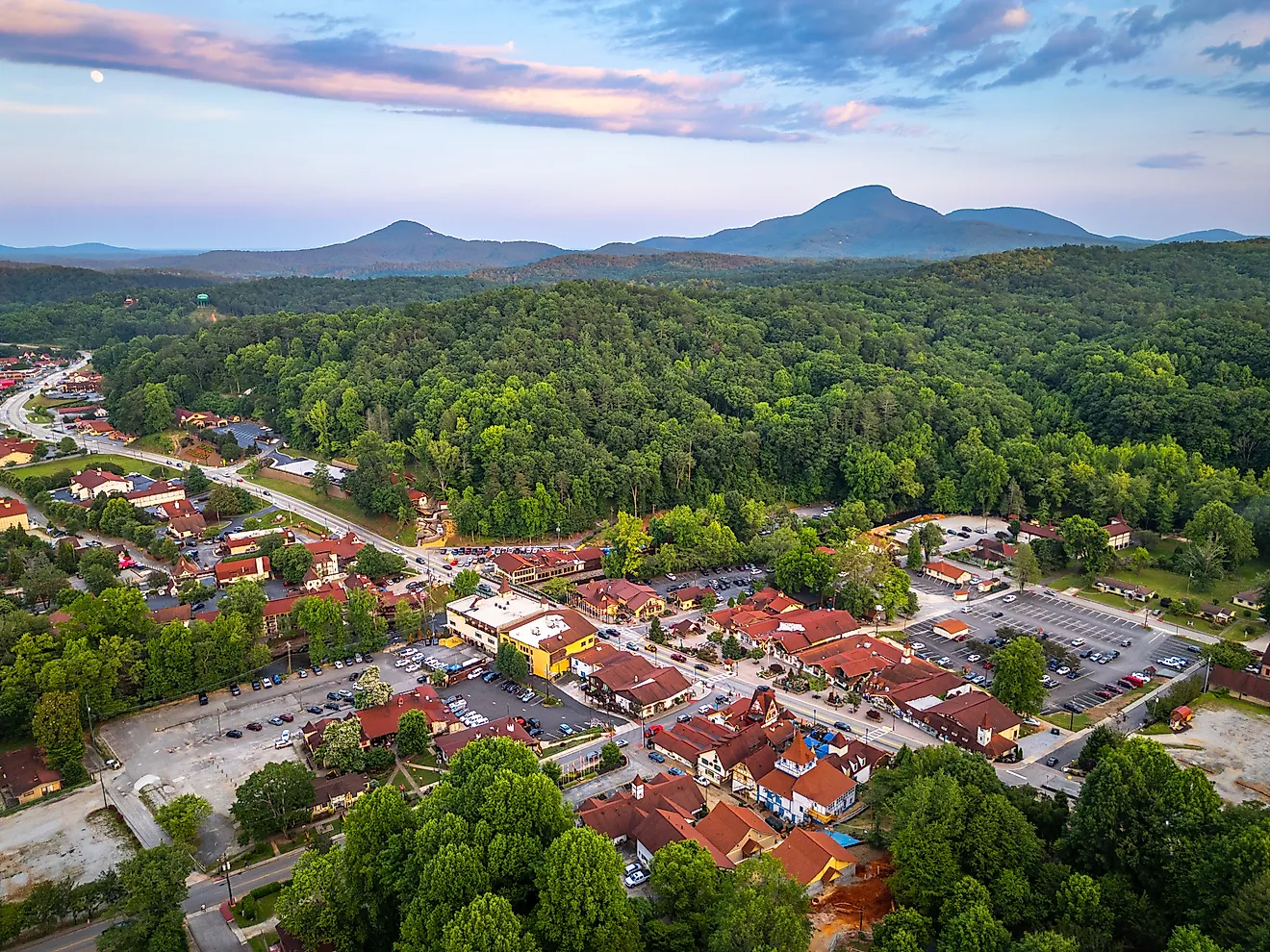
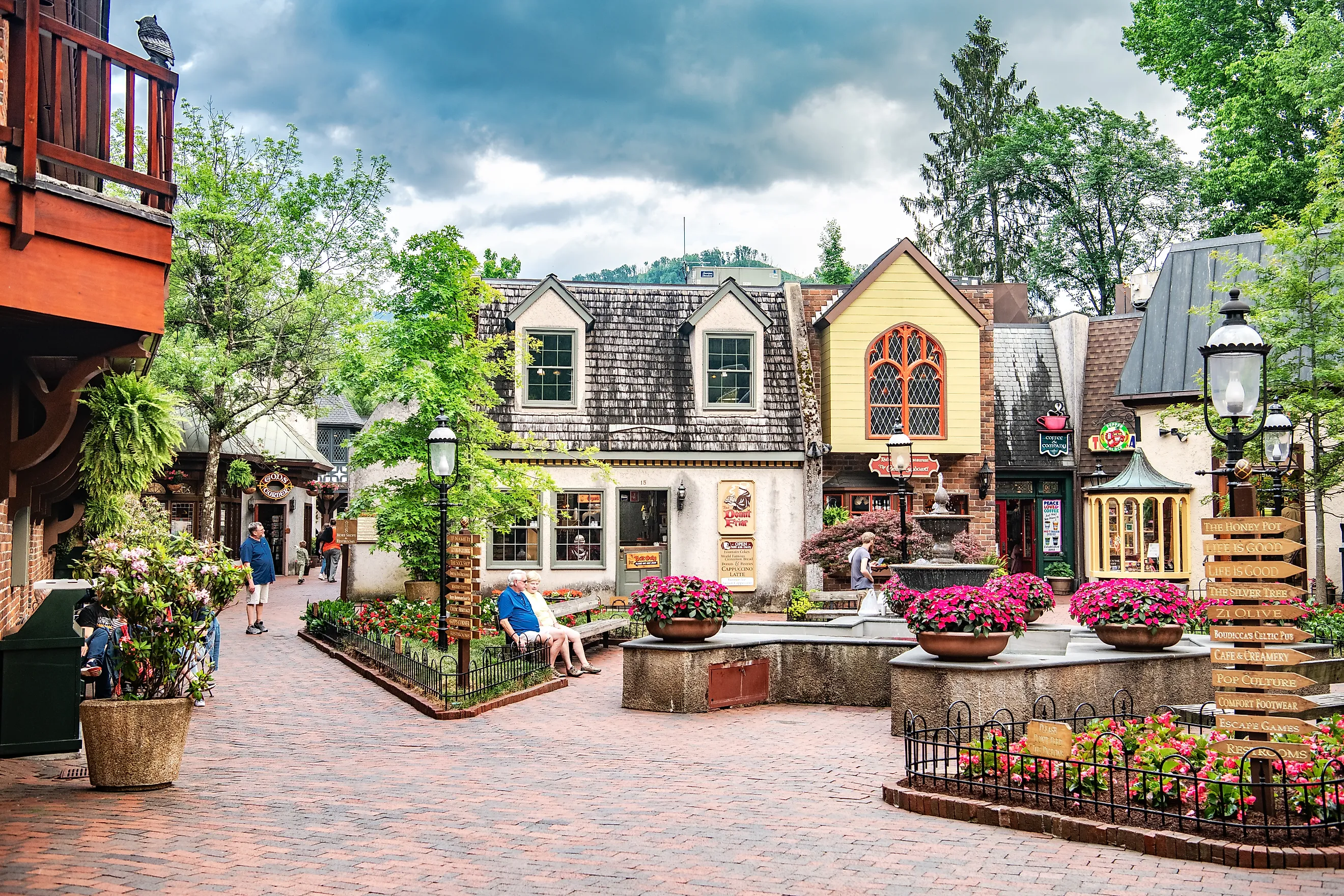
Gatlinburg, Tennessee, is one of the most popular vacation destinations for a three-day weekend in the Mid-South. Travelers drive from hours away to see the misty mountain views at the Great Smoky Mountains National Park or hike its many mountain trails, including the lookout at Kuwohi (formerly Clingman’s Dome) and the rocky peaks of Chimney Tops Trail. One of the most frequently visited areas in the park is Cade’s Cove, a mountain valley known for black bears, historic churches, and preserved cabins.

Outside of the park, Gatlinburg includes the moonshine maker Ole Smoky Distillery and the Great Smoky Mountains Arts and Crafts Community, a loop within town made up of local artisans who sell woodwork, crafts, clothing, and other handmade goods.
Tupelo, Mississippi

Tupelo, Mississippi, is best known as the birthplace of the King of Rock ’n’ Roll, Elvis Presley. He was born and raised here until age 13 in a modest home. His mother purchased him a guitar for his 11th birthday from a local hardware store, a moment that later became part of music history. Visitors can explore this legacy at the Elvis Presley Birthplace and Museum and at the Tupelo Hardware Store, where the guitar was purchased.

Beyond music history, Tupelo also includes the Tupelo National Battlefield and related Civil War memorial site. The Mississippi’s Final Stands Civil War Center documents the Battles of Brice’s Cross Roads (June 10, 1864) and Tupelo/Harrisburg (July 14-15, 1864), while families can visit the Tupelo Buffalo Park & Zoo to see buffalo and other animals up close.
Cannon Beach, Oregon

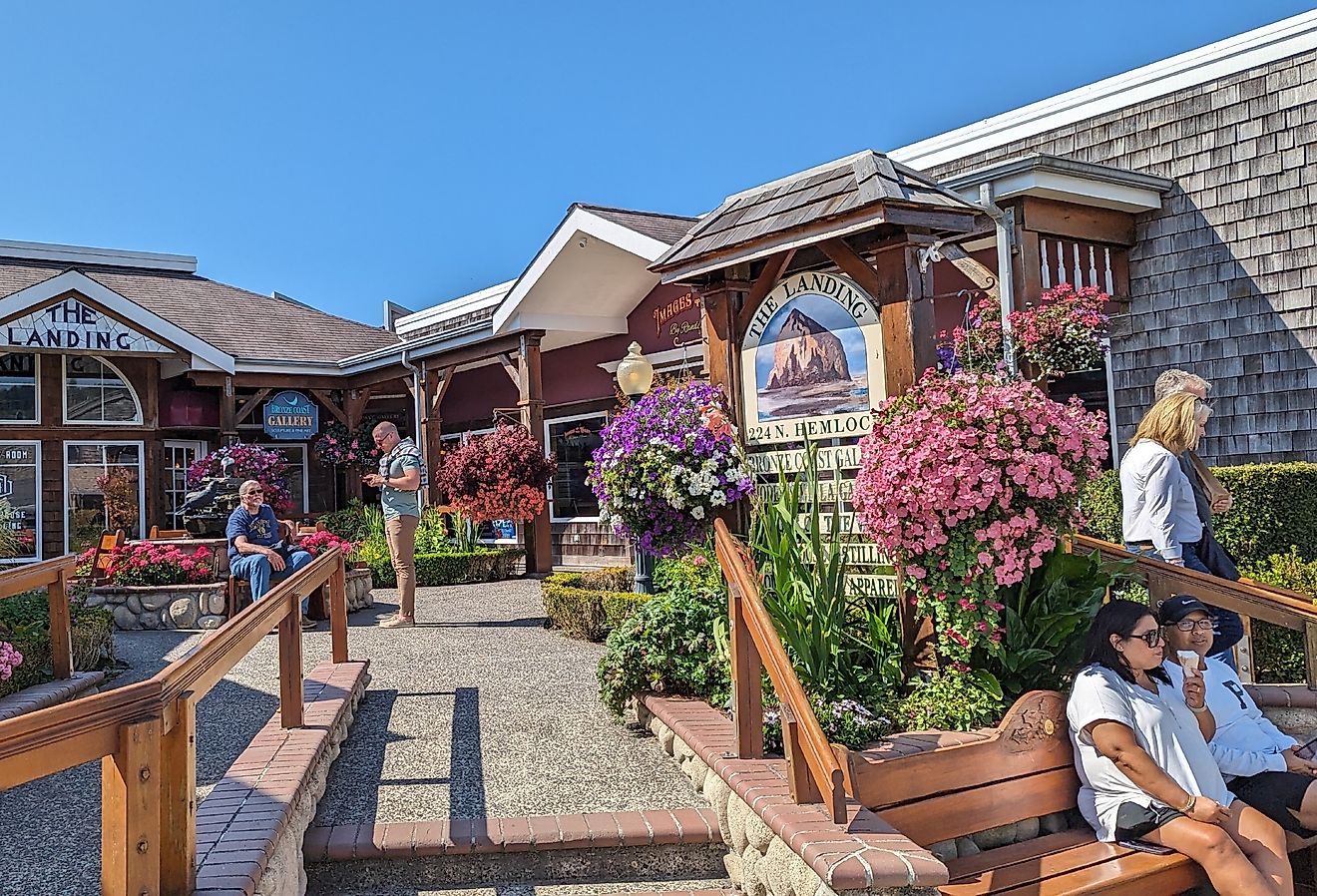
There are many beaches on both coasts of the United States, but few are as visually striking as Cannon Beach, Oregon. Along the shore stands Haystack Rock, a 235-foot-tall rock formation that rises from the ocean and serves as a roosting site for seabirds. To view this landmark, visitors can go to Ecola State Park, which runs alongside the beach and includes nearby rainforest trails. Within the park, it is also possible to view the Tillamook Rock Lighthouse or swim at Indian Beach.

With its dramatic coastal scenery, Cannon Beach is also known for its concentration of art galleries. These range from the DragonFire Gallery to the Bronze Coast Gallery, which features metal sculpture. In total, there are more than 15 galleries in town, making the area a popular destination for art-focused visits.
Santa Claus, Indiana

Santa Claus, Indiana, is widely known for its unusual name and seasonal identity, and it is also a popular destination for visitors within the state. According to local accounts, town leaders chose the name during a meeting in a church when children believed they heard Santa Claus’s bells outside. That church is now part of the historic Santa Claus Village and Museum, along with an 1856 post office that still accepts letters addressed to St. Nick.
The town has two major attractions. Holiday World and Splashin’ Safari is a family-owned amusement park known for its wooden roller coasters, including The Raven and The Legend, as well as complimentary soft drinks and sunscreen. Nearby, the Lincoln Boyhood National Memorial preserves the landscape where Abraham Lincoln spent part of his childhood after his family moved from Kentucky to Indiana.
Grand Marais, Minnesota

Lake Superior is the largest of the Great Lakes, but it is accessible from only a handful of towns along Minnesota’s North Shore. Among them is Grand Marais, a small town known for its lakeside setting and cultural offerings. Originally established by French explorers, Grand Marais combines natural scenery with a strong arts presence.

The town is home to the Grand Marais Art Colony, one of the nation’s oldest art colonies, founded in 1947 and still offering classes in both traditional and modern art styles. Visitors can relax at Harbor Beach, camp at the Grand Marais Recreation Area, or learn about local history at sites such as the Chippewa City Church in a nearby ghost town and the Cook County History Museum and Lightkeeper’s House Museum.
Sitka, Alaska

Sitka, Alaska, is distinctive among U.S. towns because it was originally established by Russian settlers. Once known as New Archangel, it served as the capital of the Russian colony in Alaska until the territory was sold to the United States in 1867. This history remains visible throughout the town.

Visitors can explore Native Alaskan and Russian landmarks, including Sitka National Historical Park, which features Haida and Tlingit totem poles, and St. Michael’s Cathedral, one of the oldest Orthodox cathedrals in the Western Hemisphere. Other sites include Castle Hill, where the transfer treaty was signed, and the Alaska Raptor Center, which rehabilitates injured birds of prey.
Harper's Ferry, West Virginia

Harper’s Ferry is a mountain town in West Virginia that played a pivotal role in events leading up to the American Civil War. In the 1850s, abolitionist John Brown seized the federal armory in an unsuccessful attempt to spark a slave uprising. The event intensified tensions between the North and South and is preserved today at sites such as the John Brown Museum and John Brown’s Fort, where he made his final stand against U.S. Army forces led by Robert E. Lee.

Beyond its historical significance, Harper’s Ferry offers access to several natural areas. Visitors can walk to the confluence of the Shenandoah and Potomac Rivers at The Point or explore Virginius and Hall’s Islands, where the ruins of former mills sit among wildflowers and birdlife.
Kanab, Utah

Mormon settlers viewed Utah as a new promised land when they arrived in the mid-1800s, drawn by its varied landscapes and natural features. Kanab, Utah, is well-positioned to access many of these environments, as it sits near the Grand Canyon’s North Rim, Zion National Park, Coral Pink Sand Dunes, and several other sites.

Zion National Park offers trails that pass through different ecosystems, including lava fields along the Lava Flow Trail and a natural arch on the Babylon Arch Trail. Kanab itself has served as a filming location for numerous movies, earning it the nickname Little Hollywood. This history is documented at the Little Hollywood Museum, while the Bowman-Chamberlain House, now known as the Kanab Heritage House Museum, provides insight into early Mormon settlement in the area.
Cape May, New Jersey

Cape May, New Jersey, has served as a resort town since the 1700s, when wealthy travelers from New England came to enjoy its beaches. Today, many of its attractions remain easily accessible. By walking along the paved Promenade, visitors can stop at beaches such as Madison Beach and The Cove Beach or arrange a tour of the Colonial House, once home to Revolutionary War figure Memucan Hughes.

Cape May also played an important role in the abolitionist movement. Harriet Tubman established operations in the area, helping enslaved people reach freedom through the Underground Railroad. Her life and work are documented at the Harriet Tubman Museum of New Jersey.
Decorah, Iowa

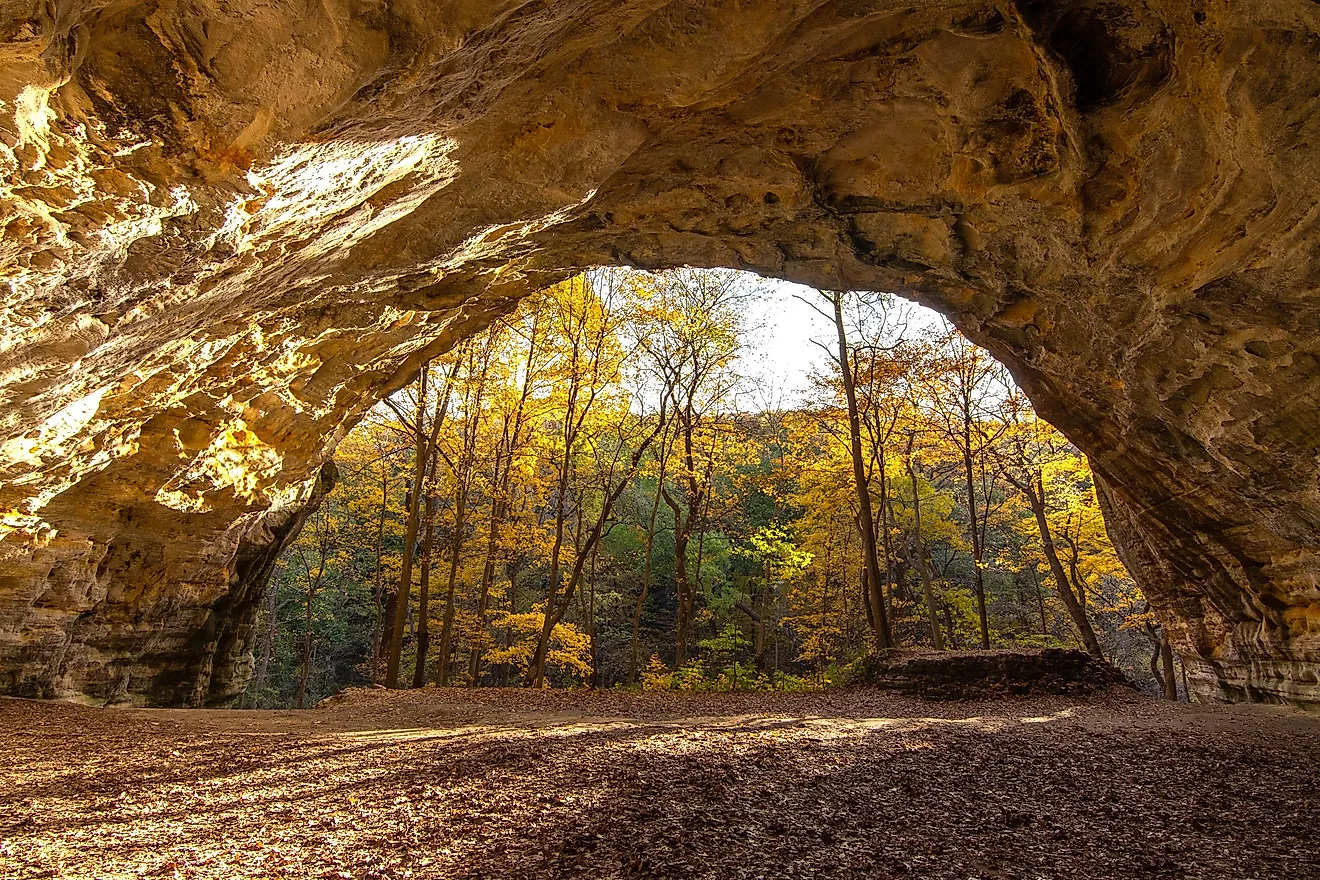
Decorah, Iowa, has a distinct cultural identity and landscape unlike much of the surrounding region. The town is part of the Driftless Region, an area untouched by glaciers, which left behind river bluffs, cliffs, and caves. These features give Decorah a terrain not commonly found elsewhere in the state.

During its early settlement, Decorah became a center for Norwegian American immigrants, who referred to the area as their Vesterheim, or western home. Today, visitors can explore local prairies and forests at the Barbara Barnhart Van Peenen Memorial Park, visit the Decorah Ice Cave State Preserve, or see native butterflies at the Decorah Community Prairie and Butterfly Garden. Norwegian culture and history are preserved at the Vesterheim Norwegian American Museum and Folk Art School.
Corbin, Kentucky

Corbin, Kentucky, is home to Cumberland Falls State Resort Park, where visitors can see what is often called the Niagara of the South. Cumberland Falls measures 125 feet wide and 60 feet high and is the only place in the Western Hemisphere where a moonbow can be seen, a rainbow created by moonlight during a full moon. The park also includes the Pinnacle Knob Fire Tower, built in 1937, and a gem mine where visitors can search for fossils.

In downtown Corbin, several small museums highlight local history and entertainment. These include the Harland Sanders Café and Museum, the first café operated by Colonel Sanders, and the Pinball Museum of Corbin, which features playable machines dating back to the 1960s.
Distinct Places That Define Local Travel
What these towns share is a strong sense of place shaped by geography, history, and local tradition. Decorah, Iowa, stands out for its Norwegian heritage and ice cave, while Santa Claus, Indiana, reflects a holiday-centered identity alongside nearby historic landmarks tied to Abraham Lincoln’s childhood. Each destination offers something distinct, whether through landscape, cultural history, or long-standing community character. Together, these towns demonstrate the diverse range of travel experiences available outside major cities, offering memorable destinations across various regions of the United States.