6 Rattlesnake Hotspots In New Mexico
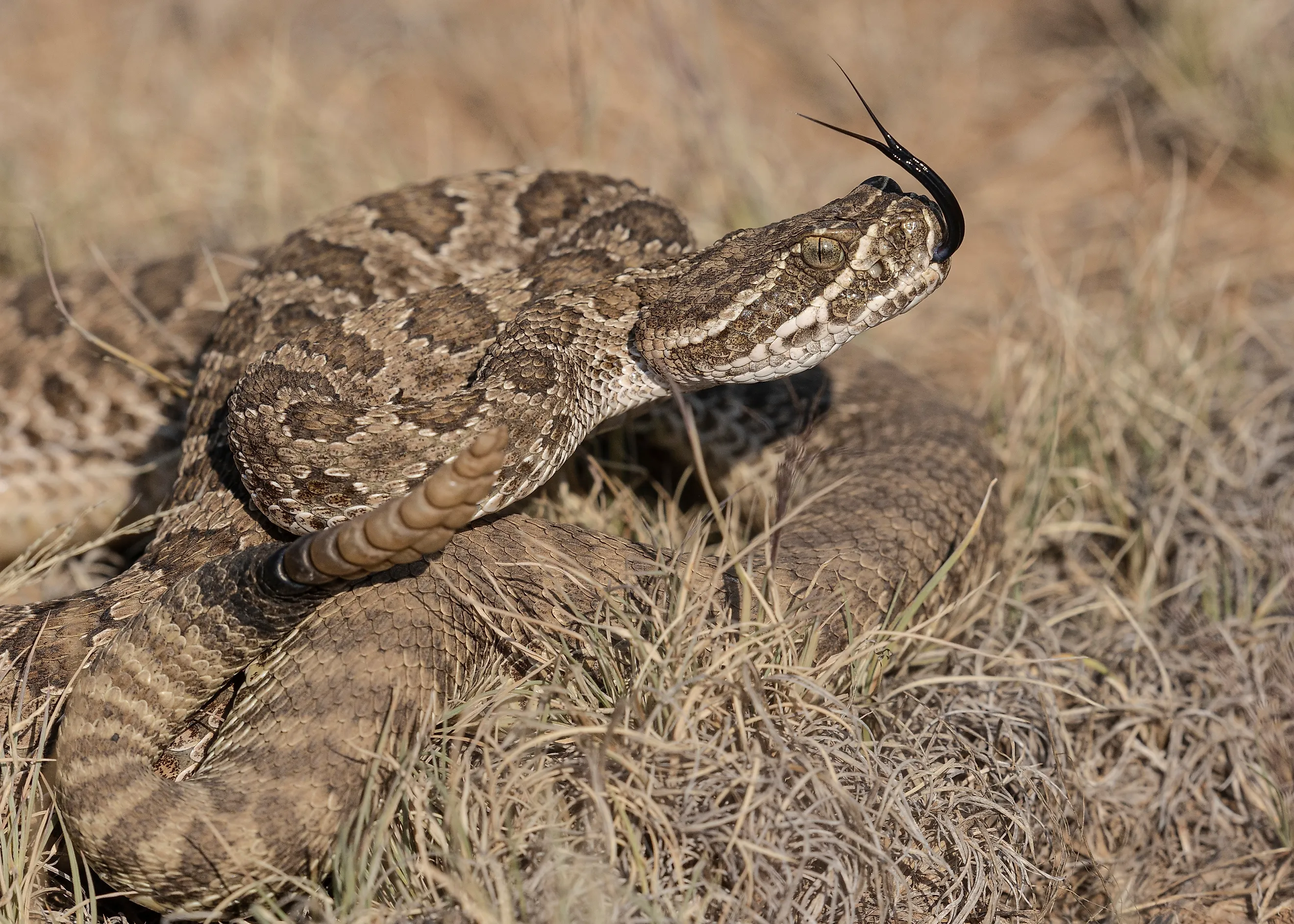
The desert basins, volcanic plateaus, river canyons, and mountain foothills of New Mexico have created some of the most prolific rattlesnake habitats in the Southwest. This region is, in fact, home to multiple species that thrive in intense heat, open terrain, and spots with steady prey populations.
The hotspots we will discuss are not limited to remote wilderness areas and often overlap with popular parks, refuges, and historic landscapes. If you plan to hike the Land of Enchantment, encounters are most common during warmer months, especially after seasonal rains or during early morning and evening hours. Above all, understanding where local rattlesnakes are most active helps keep you and these venomous critters safe.
Gila National Forest

Among the most popular wildernesses in New Mexico, Gila National Forest's sheer size, elevation range, and minimal development make it a habitat for a wide variety of creatures, including a notable population of rattlesnakes. Stretching across rugged mountains, desert foothills, and deep canyons, the forest mainly supports western diamondback rattlesnakes, prairie rattlesnakes, and black-tailed rattlesnakes, all drawn to its abundant prey and rocky cover.

If you plan on visiting for yourself, know that run-ins are most common along sun-exposed trails, canyon rims, and near seasonal water sources during late spring and summer. As a result, awareness of footing and hand placement is especially important during late spring and summer.
Beyond the region's snake activity, Gila Wilderness holds the distinction of being the world's first designated wilderness area, established in 1924. It also contains extensive cliff dwellings built by the Mogollon culture, adding significant archaeological value to a landscape already defined by its rugged, largely undeveloped Southwestern character.
Organ Mountains-Desert Peaks National Monument

The Organ Mountains-Desert Peaks National Monument is another one of the most concentrated rattlesnake zones in southern New Mexico, where steep volcanic ridges meet open desert basins just outside the city of Las Cruces. The area hosts a varied mix of banded rock rattlesnakes, western diamondback rattlesnakes, black-tailed rattlesnakes, and Mojave rattlesnakes, particularly along washes, scree-blanketed hillsides, and even a few abandoned mine sites that retain heat well into the evening.

Activity notably increases here after summer monsoon storms, when prey often come out of hiding, and snakes run into them as they move closer to open trails and dirt roads.
Historically, the region was used by native Apache bands and later by miners and ranchers, with traces still evident. Today, its proximity to Las Cruces makes it one of the most accessible yet wildlife-rich landscapes in the state, and it is remarkable for its stark geological contrasts. Sharp granite spires rise abruptly from the desert floor, a defining feature that draws landscape photographers from around the world.
Bosque del Apache National Wildlife Refuge

Bosque del Apache National Wildlife Refuge is a sometimes overlooked snake habitat, situated about halfway between Albuquerque and Las Cruces. Established in 1939, it plays a key role in wildlife habitat conservation along the Rio Grande.
While the Bosque del Apache is internationally known for its massive winter sandhill crane migration, its ecology during the warmer seasons is far less discussed. However, summer temperatures routinely exceed 90 degrees, creating ideal conditions for some of the hardiest reptiles, insects, and desert-adapted mammals.

Outside of its expansive wetlands, the refuge’s surrounding brushy margins and levee roads provide suitable habitat for coiled western diamondback rattlesnakes and prairie rattlesnakes. Sightings often occur near irrigation canals and rocky embankments where rodents and small birds are plentiful. The contrast between bird-filled winters and snake-active summers makes it one of the state’s more dynamic wildlife landscapes.
Carlsbad Caverns National Park

Carlsbad Caverns National Park is famous for its sizable underground chambers, but the park’s surface supports an extensive trail network and a wide range of native wildlife. The rocky limestone hills and desert grasslands support none other than the western diamondback rattlesnakes, as well as some black-tailed rattlesnakes and mottled rock rattlesnakes, particularly along hiking trails and less-traveled service roads.

As mentioned, what sets this national park apart is the huge difference between its surface and subsurface environments. While the land above is harsh and exposed, the caves below maintain stable temperatures year-round and support a large colony of Brazilian free-tailed bats. The park also sits within the Chihuahuan Desert, among the most biologically diverse deserts in the world, and a region known for its biological diversity despite its arid appearance.
Chihuahuan Desert

The Chihuahuan Desert's lowlands, especially around the Jornada del Muerto, form a lesser-known rattlesnake hotspot in central New Mexico. This long, sparsely settled basin houses Mojave rattlers, western diamondbacks, rock rattlesnakes, black-tailed rattlesnakes, and prairie rattlesnakes, each of which favors the region's open grassland and mesquite flats. However, you are more likely to spot a snake or two along the area's few dirt roads, fence lines, and cattle tanks rather than hiking trails, especially during warm mornings and just before sunset.

The area remains one of the most remote stretches of land in New Mexico due to its low level of development and visitors. As a result, the limited human presence and vast open space make it a stable refuge for desert-dwelling wildlife, allowing rattlesnake populations to survive and thrive in relative solitude.
Rio Grande Gorge

The Rio Grande Gorge west of Taos is a distinct snake habitat shaped by its cliffs and a deep river corridor rather than open desert. As in much of New Mexico, prairie rattlesnakes and western diamondback rattlesnakes dominate, usually found on rim-side trails, scenic overlooks, and sun-baked ledges that absorb heat throughout the day. Resident rattlesnakes also tend to move along the riverbanks below, where water, prey, and cover are quite reliable even during dry summers.

A major geographic feature of northern New Mexico, cutting an 800-foot-deep gorge into the volcanic plateau, this location is a big draw for outdoor adventurers. With that, you may be surprised to learn that its most renowned landmark is man-made. The Rio Grande Gorge Bridge, completed in 1965, remains one of the highest highway bridges in the United States, offering visitors a towering yet safe lookout point above the water and the surrounding desert landscape.
Why These Landscapes Support Rattlesnakes
These rattlesnake-infested areas persist because they offer the heat, shelter, and food these slithery creatures need in abundance. Recognizing where these cold-blooded predators are most active not only adds context to the landscapes themselves but also highlights how wildlife continues to shape even well-known and frequently visited locations, and helps you better avoid a potentially deadly bite. These landscapes reward awareness, particularly in warmer months when wildlife activity increases.