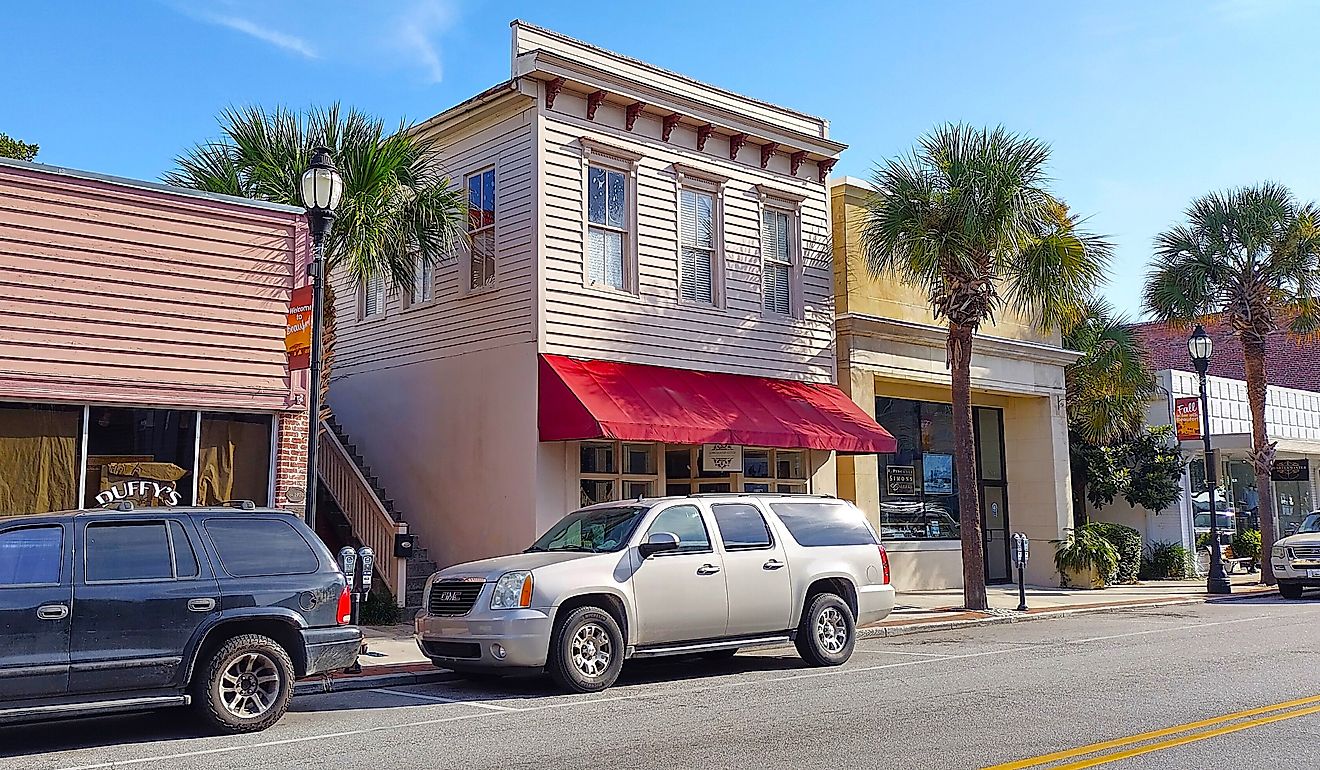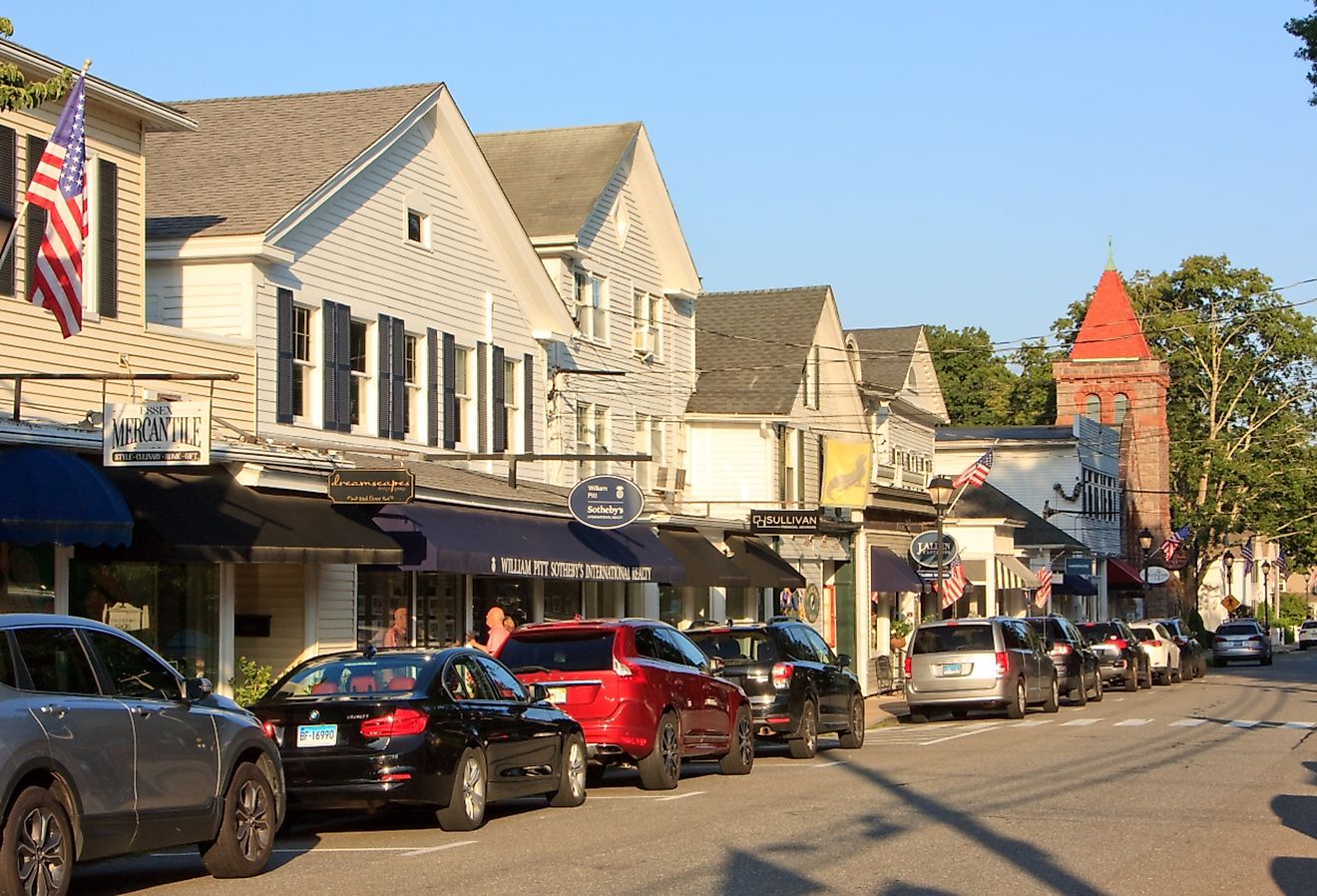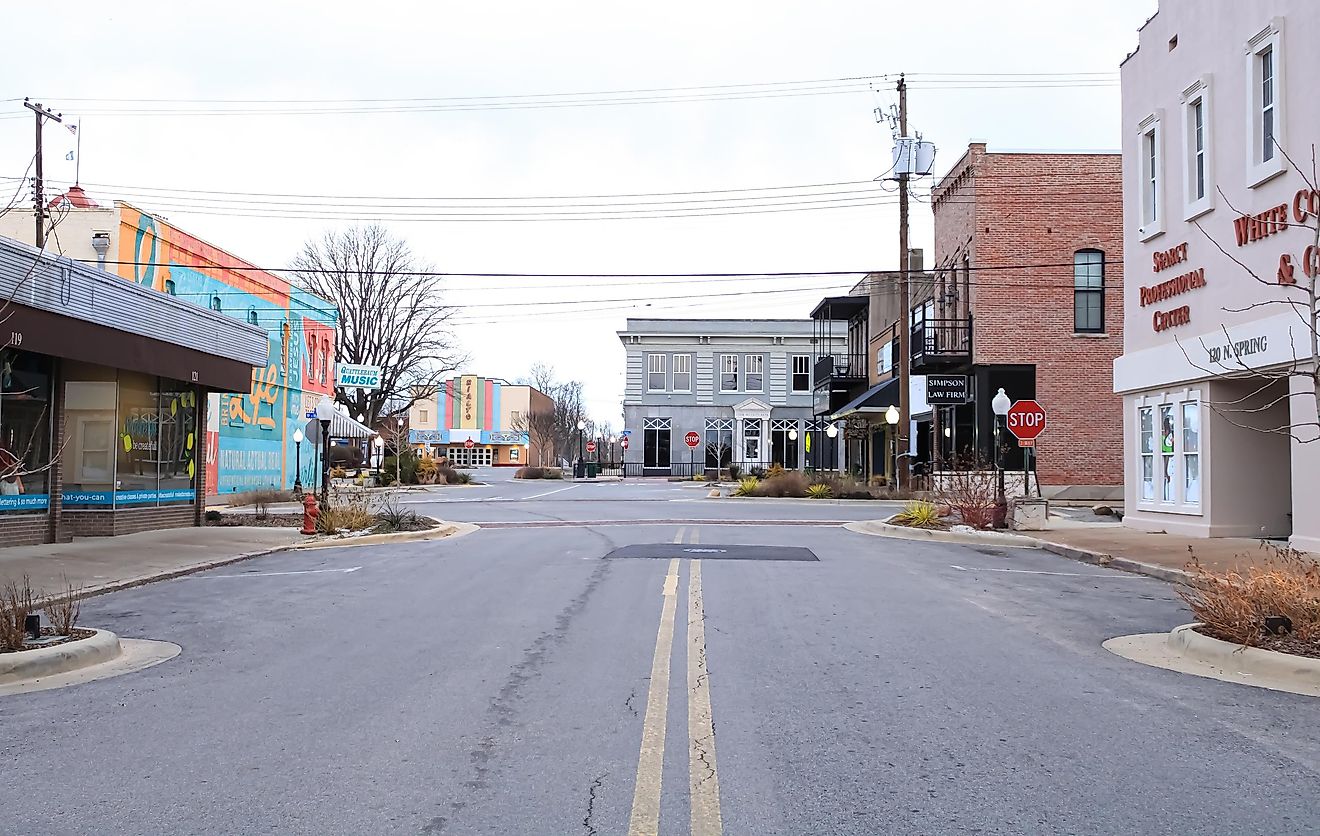
11 Gulf Coast Towns With A Slower Pace Of Life
Mississippi's barrier-island towns and Florida's Gulf islands handle the same problem in two different ways. Bay St. Louis and Pass Christian kept tight old street grids that make a car almost pointless downtown. Sanibel and Apalachicola zoned and trademarked their way out of high-rise development before it reached them. The 11 towns here all run slow, but slow is a thing each one had to engineer, through a postal route, a single-tax charter, an oyster-bay closure, or a refusal to build up. The how is the part worth reading.
Surfside Beach, Texas

Texas law lets you buy a cheap permit and drive your car straight onto the sand at Surfside Beach, a right protected by the state's Open Beaches Act and one you will not find in many places anymore. The town sits on a barrier island near the mouth of the Brazos, on the spot where Texian colonists and Mexican soldiers fought the Battle of Velasco in June 1832, the first armed clash that pointed toward the Texas Revolution. A replica of Fort Velasco stands near city hall today.
The wildlife is the main event here. Surfside Jetty County Park ends in a long granite jetty where anglers fish, freighters slide past, and pods of dolphins surface close to shore. The nearby Bird and Butterfly Trail runs about two and a half miles directly under the Central Flyway, the migration corridor that brings hundreds of bird species through each year. In March and October, the same skies fill with monarch butterflies headed across the Gulf.
To finish a day here, grab a table at the Jetty Shack for fresh Gulf shrimp or a burger. It has anchored the local order of things for years.
Grand Isle, Louisiana

Every late July, this barrier island hosts the Grand Isle International Tarpon Rodeo, established in 1928 and billed as the oldest fishing tournament in the United States. The rest of the year, Grand Isle keeps a quieter line. Grand Isle State Park offers a mile of open beach, a 900-foot fishing pier, and a fish-cleaning station for whatever you haul in. The competitive spirit and the calm both belong to the same island.
Birders head for the Lafitte Woods Preserve, where a short trail threads the largest oak-hackberry forest left on any Gulf barrier island and shelters close to 100 species of migratory birds during the spring fallout. Just west, Elmer's Island adds more than a thousand protected acres of dunes and salt marsh set aside for fishing, birding, and little else.
Bay St. Louis, Mississippi

Set into a dead-end pocket on the western side of the bay bridge, Bay St. Louis sits apart from the casino strip that defines much of the Mississippi coast. The old street grid forces a slower gear, and life runs on front porches and golf-cart errands. The municipal harbor is one of the rare ones where you can step off the docks straight into downtown, a layout that has earned it national notice among recreational marinas.
Artists, writers, and musicians settled here in numbers, and the town built its calendar around them. The Second Saturday tradition turns downtown into open-air block parties with live music and pop-up galleries each month. Locals nurse bottomless drip coffee at the Mockingbird Cafe, and the back of town holds the historic L&N Train Depot, the Mardi Gras Museum, and the Alice Moseley Folk Art Museum. New Orleans families have summered here for generations, and the architecture still reflects that long pipeline between the two.
Pass Christian, Mississippi

Beach Boulevard is the reason to come. The drive runs with the Mississippi Sound on one side and a row of antebellum and turn-of-the-century resort homes on the other, and it pulls you straight into the walkable core of Pass Christian, just over the bridge from Bay St. Louis. The shops cluster tight, the century-old Pass Christian Isles golf course keeps its greens, and Cat Island Coffeehouse fills with regulars.
War Memorial Park was organized in 1945 to honor local men who served in World War II, and it has grown into the town's gathering ground. The 10-acre space holds a gazebo, an exercise track, a splash pad, a ball field, and a set of tree sculptures carved by artist Marlin Miller from live oaks killed by Hurricane Katrina. His towering eagle honors Tuskegee Airman Col. Lawrence E. Roberts, whose daughter, the broadcaster Robin Roberts, grew up nearby. Other monuments remember those lost to hurricanes Camille and Katrina.
Ocean Springs, Mississippi

They call it the City of Discovery, and the layout rewards the name. Ocean Springs sits closer to the big resort developments than most towns on this list, yet it holds onto a park-once-and-wander pace. The historic commercial district keeps expanding with galleries, artist studios, restaurants, and merchant-lined streets, broken up by parks and green space.
Seeing it like a local means drifting through the indie shops that hold downtown together. The Walter Anderson Museum of Art anchors the town's creative identity, and at Shearwater Pottery the same family has thrown and glazed earthenware by hand since 1928. For a break from pavement, the Davis Bayou section of Gulf Islands National Seashore offers marsh hikes, camping, fishing, and birding inside the city limits.
Dauphin Island, Alabama

French explorers landed here in 1699, found a hurricane-broken Native American burial mound, mistook it for a massacre site, and named the place Massacre Island. It later served as the seat of French colonial Louisiana in the early 1700s, the deep-water port where ships unloaded before goods moved on to Mobile. Today the island runs on sugar-white beaches, the Audubon Bird Sanctuary, and rented kayaks, with guided sunset cruises that drift alongside the local dolphins.
Historic Fort Gaines guards the eastern tip, with tunnels, original cannons, a blacksmith shop, and a museum built around the 1864 Battle of Mobile Bay. The Alabama Aquarium at the Dauphin Island Sea Lab covers the same ground in miniature, tracing the water from the Delta swamps out to the open Gulf. Its 7,000-gallon stingray touch pool and research-driven displays make the place a reliable family stop. Locals call the island the Sunset Capital of Alabama, a title made official in 2014.
Magnolia Springs, Alabama

The clearest measure of the pace here is the mail. Magnolia Springs runs the only year-round, all-water postal route in the country, a boat that has motored dock to dock along the Magnolia River since 1915. The river was once the only road in or out, carrying commerce and news between the families who settled its banks. Spring water on both sides ran clean enough that early bottlers prized it, and the town has guarded the river's status ever since.
The community holds itself together the old way. A community association has run for more than a century, set across from St. Paul's Episcopal Church, a Carpenter Gothic chapel finished in 1902, and the two together keep neighbors fed and informed. For dinner, Jesse's has built a Baldwin County reputation on Gulf seafood and steaks. Moore Brothers Village Market handles the wine, beer, and deli end of things.
Fairhope, Alabama

Most streets in Fairhope top out at 25 miles an hour, slow enough that golf carts share the lanes with cars and nobody minds. The town sits on a bluff above the eastern shore of Mobile Bay, where a quarter-mile municipal pier runs out toward some of the best sunsets in Alabama. A rose garden, a duck pond, and a stretch of bayfront park sit at the foot of the bluff, all of it public and free, and the walk down from downtown takes only a few minutes.
The slow pace is older than the speed limit. A group of reformers founded Fairhope in 1894 as a single-tax colony built on shared land and common space, and that founding still shapes a walkable grid of flower-lined streets and bayfront parks open to everyone. Downtown fills with independent bookshops, galleries, and cafes, with the Page and Palette bookstore on one end of De La Mare Avenue and Panini Pete's beignets a short stroll away. The Eastern Shore Art Center closes the streets for its First Friday Artwalk each month, the kind of standing date a town keeps when it is in no hurry.
Apalachicola, Florida

The locals trademarked the name "Forgotten Coast" on purpose, after the rest of the Panhandle marketed itself and left this stretch off the map. Apalachicola sits at the mouth of its namesake river with around 2,300 residents and a downtown that never traded its 19th-century brick warehouses for high-rises. Market, Commerce, and Water streets still carry the names from its cotton-port days, lined now with antique shops, galleries, and independent bookstores where owners know the regulars.
The town runs on the water and always has. Apalachicola Bay once produced close to 90 percent of Florida's oysters, and after a multi-year ban to let the reefs recover, wild harvesting was set to reopen in early 2026. Raw bars like Up the Creek and the Station, a converted gas station, serve the day's catch a few steps from the docks. The Apalachicola National Estuarine Research Reserve across the bay in Eastpoint explains why the estuary grows them so well, and the 1907 Gibson Inn anchors the corner of downtown with a wraparound porch built for doing nothing in particular.
Sanibel Island, Florida

Sanibel has no traffic lights, and that was a choice. About three miles off Fort Myers, the island wrote its own conservation-first charter in the 1970s. Known as the Sanibel Plan, it froze the high-rise sprawl found elsewhere on the Florida coast and set the island's slower clock. Two-thirds of the land stays protected, most of it inside the J.N. "Ding" Darling National Wildlife Refuge, where a 26-mile shared path carries cyclists past mangroves, wading birds, and the occasional alligator.
Hurricane Ian flattened much of the island in 2022, and storms in 2024 set the recovery back again, so the comeback is still underway rather than complete. What remains is a walkable, bike-friendly place built around shelling, paddling, and the refuge. Lighthouse Cafe reopened in a new spot, and Doc Ford's Rum Bar & Grille, named for the local novelist's fictional marine biologist, was among the first businesses back. The golf courses here hold Audubon sanctuary certification for the way they manage habitat.
The Case for Slowing Down
What links these 11 towns is not scenery, which the whole coast has, but a set of deliberate decisions. Sanibel zoned away its skyline. Fairhope capped its speed limits and kept its waterfront public. Magnolia Springs kept its mail on the water. Each town chose, at some point, to protect a pace rather than chase a market, and that choice is what a visitor feels on arrival. The Gulf still runs fast in plenty of places. These are the corners that opted out, and they reward anyone willing to match their speed.