10 Small Towns In Texas With Big Charm
Texas often evokes images of vast horizons, long dirt roads, and a reputation for doing things on a grand scale, unmatched anywhere else. In the heart of Texas, uncover big charm in the small towns spread across this limitless state. Time has shaped these close-knit communities, just as old buildings continue to serve daily life, downtown streets still anchor activity, and local gathering spots draw neighbors together. From the Magic Mile in Fredericksburg to fields of bluebonnets near Marble Falls, Texas, explore ten of the most charming towns in Texas.
Fredericksburg

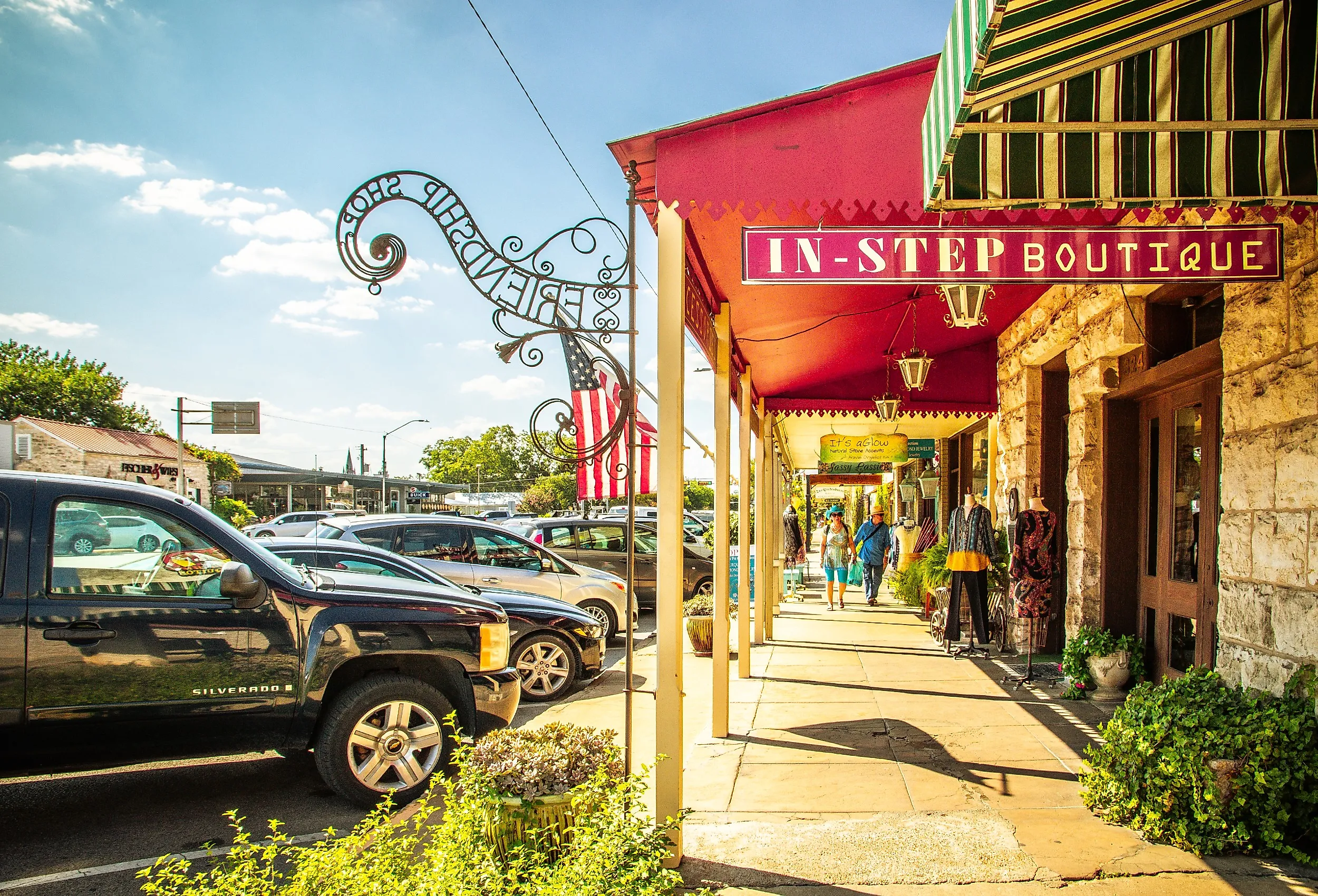
Fredericksburg is in the Texas Hill Country and took shape in the 1840s when German families settled along Barons Creek, drawn by reliable water, fertile land, and a location that supported a lasting community. Limestone buildings still frame Main Street, home to locally owned shops, boutiques, and galleries that give downtown its steady rhythm. At the center of town, Marktplatz von Fredericksburg serves as a gathering place for festivals, markets, and seasonal celebrations rooted in long-held traditions. Nearby, Pioneer Museum Complex offers a closer look at early settler life through preserved structures and artifacts that connect the town’s story directly to the surrounding land.

Food remains part of Fredericksburg’s identity, and Otto’s German Bistro carries that heritage forward with carefully prepared dishes inspired by classic German flavors and updated with modern touches. Just beyond town, the Hill Country landscape takes over at Enchanted Rock State Natural Area, where massive granite formations rise above the plains and draw hikers for early climbs and quiet afternoons outdoors. Few Texas towns wear their past as comfortably as Fredericksburg, where tradition remains part of daily life rather than something left behind and forgotten.
Granbury

Granbury’s appeal begins at its square, where history still shapes daily life rather than sitting quietly in the background. Established in the mid-1800s, the town grew into a regional trade center and a railroad stop. The Hood County Courthouse, completed in 1891, anchors the square with commanding presence and continues to function as a working courthouse. Around it, locally owned shops and cafés keep the area active throughout the day.

Culture has long played a role here, especially at the Granbury Opera House, which dates back to the late 19th century and continues to host live performances year-round. The Eighteen Ninety Grille and Lounge occupies a restored building, offering a setting that feels tied to the town’s past and enhances its charm. A few blocks away, a walkable shoreline along Lake Granbury stays busy with families, paddleboarders, and evening walkers.
Marble Falls

Marble Falls grew along the Colorado River in the late 19th century, shaped by ranching, trade, and the steady pull of the waterway that still defines the town. One of the town’s longest-running institutions is Blue Bonnet Café, a family-owned spot that has served home-style meals and well-known pies for generations. It remains a morning anchor for locals and a first stop for many visitors.
Just a few blocks away, Johnson Park stretches along the river with walking paths, shaded picnic areas, and easy access to the water, making it one of the town’s most used gathering places. For a cultural counterpoint, Highland Arts Guild Gallery highlights local and regional artists whose work reflects the Hill Country landscape and way of life. Beyond downtown, Lake Marble Falls draws kayakers, anglers, and evening walkers who come to watch the light settle across the water.
Lockhart

Lockhart developed in the mid-1800s as a cotton and cattle town, but today it is widely known as the Barbecue Capital of the World. The art of barbecue here is not a performance or a reinvention. It is a daily ritual, shaped by time, technique, and tradition. Don't be surprised when smoke drifts through town long before lunchtime. One of the most popular spots is Kreuz Market, where smoke-kissed barbecue has been prepared since 1900 using methods that have changed very little. Nearby, Smitty’s Market continues that legacy inside a historic building, where open pits and darkened walls tell their own story.
If smoked brisket and lip-smacking barbecue are not your thing, Loop & Lil’s Pizza offers a casual alternative in Lockhart, serving pizza and other comfort-food staples. Just outside town, Lockhart State Park adds natural space to the experience, with trails, shaded picnic areas, and access to Clear Fork Creek for fishing and swimming.
Wimberley

Wimberley grew as a small milling and ranching community, and gradually became a gathering place for artists, writers, and people drawn to the Hill Country landscape. That influence still shows today in a downtown that feels personal and purpose-built rather than overly commercial.
The center of activity remains Wimberley Square, where locally owned shops, galleries, and cafés form a compact core that lends to its eclectic vibe. Just a short walk away, EmilyAnn Theatre and Gardens adds a creative dimension, hosting outdoor performances, seasonal events, and community gatherings that feel closely tied to the town itself.
Beyond the square, the natural landscape quickly takes over. Blue Hole Regional Park is just outside downtown, offering spring-fed swimming areas, walking trails, and shaded green space that locals use year-round. Farther along, Jacob’s Well Natural Area showcases one of the Hill Country’s most striking natural features, with clear water flowing from a deep limestone spring that highlights the region’s delicate natural habitat.
Port Isabel

Port Isabel began as a small fishing and lighthouse town along the Laguna Madre, and its coastal roots still shape much of the town. Unlike resort-driven destinations, the town maintains a working waterfront feel, with boats, bait shops, and family-run businesses still part of the scene.
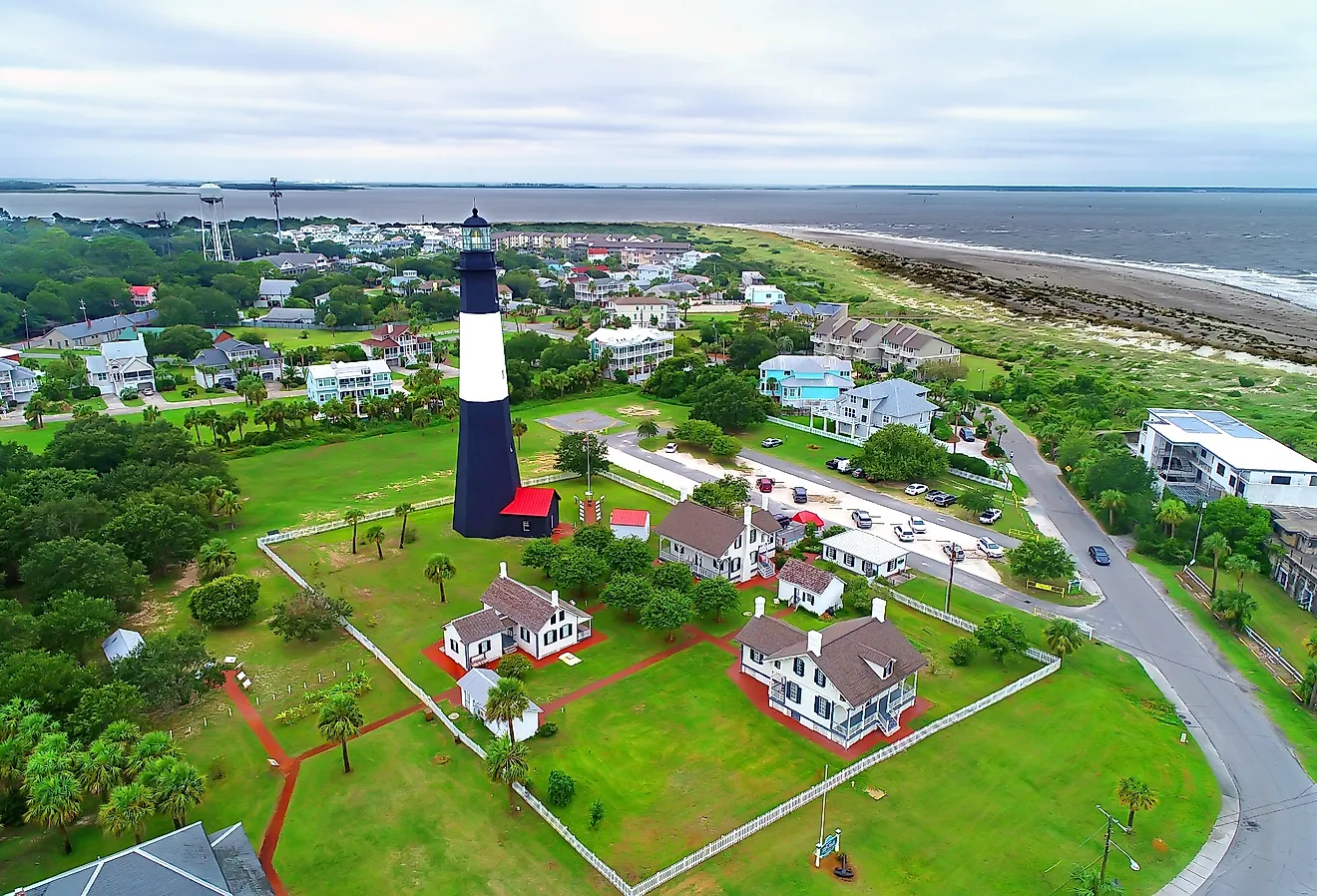
One of the town’s most recognizable landmarks is the Port Isabel Lighthouse State Historic Site, which has guided ships since the mid-1800s and still offers sweeping views of the bay for those willing to climb its spiral stairs. Nearby, the Port Isabel Historical Museum fills in the story of early settlers, shrimping families, and hurricanes that tested the town’s resilience. Food reflects the setting as well. Joe’s Oyster Bar has long served Gulf seafood in a no-frills setting. Along the water, Pirate’s Landing Fishing Pier remains a gathering place for anglers, sunset watchers, and families casting lines side by side.
Canyon

Canyon grew as a railroad and ranching town on the High Plains, but education has shaped its identity for more than a century. The founding of West Texas State Normal College in 1910 established Canyon as a regional center for learning. This role continues today as the school operates within the Texas A&M University System.
That academic influence extends into downtown, where businesses cater to both longtime residents and students. Palace Coffee Company functions as a daily meeting point, while Feldman’s Wrong Way Diner adds character through comfort food and a sense of local humor.
Just outside of town, Palo Duro Canyon State Park places one of Texas’ most dramatic landscapes within easy reach, offering trails, overlooks, and wide-open views. Each summer, that setting becomes the stage for TEXAS Outdoor Musical, a long-running production that brings regional history to life through music and storytelling inside the canyon itself.
Dublin

Dublin took shape in the late 19th century as an agricultural and railroad town serving ranches and farms across central Texas. Over time, it developed a strong local identity rooted in Irish heritage, golfing legend, and a downtown that remains active. The community has a place in Texas history as the first to bottle Dr. Pepper. Even though Dublin Bottling Works now produces craft sodas, it continues to draw visitors downtown through tours, tastings, and its long-standing 1920s-era soda shop.
Dublin is also the hometown of legendary golfer Ben Hogan, a connection preserved at the Ben Hogan Museum, which highlights his early life, career, and lasting influence on the sport. The center of activity runs along Patrick Street, and each spring, the St. Patrick’s Day Celebration fills downtown with parades, music, and Irish traditions. Veldhuizen Cheese is just outside town and features handcrafted raw-milk cheeses. Their interactive tours allow visitors to meet the farm animals, learn the process, and, best of all, sample the cheese.
Jefferson

Jefferson is in Northeast Texas, near the borders with Louisiana and Arkansas, where its location along Big Cypress Bayou once made it a key center of regional trade. During the mid-1800s, steamboats carried goods and travelers through town, shaping a period of prosperity that still defines Jefferson’s character.
As a result of its busy trade era, Jefferson holds one of the largest collections of historic buildings in Texas, many still woven into everyday community life. Downtown streets have preserved homes, storefronts, and public buildings, including The Grove, one of the town’s oldest residences. Built in 1861, the home has earned a reputation as the most haunted place in Texas due to its tragic history and long-standing local lore. After exploring the haunted and historic downtown, Kitt’s Kornbread Sandwich and Pie Bar offers a relaxed dining venue. The Museum of Measurement and Time also adds an unexpected point of interest nearby, housed inside a restored historic building that reflects Jefferson’s curiosity-driven side.
Gruene

Gruene developed in the late 1800s as a cotton-farming community along the Guadalupe River. While the industry faded, the buildings remained, leaving one of the most intact historic commercial districts in Texas. Wooden storefronts, tin roofs, and weathered details give the area a sense of continuity and history. A perfect example is Gruene Hall, built in 1878, which remains Texas’s oldest dance hall, hosting live performances that draw locals and longtime country-music fans.
Nearby, The Gristmill River Restaurant & Bar occupies a former cotton gin overlooking the river, where the setting matters as much as the meal. Gruene General Store adds a practical touch, stocking Texas-made goods and everyday essentials and serving as a natural stop between venues. The Guadalupe River still defines the district, supporting tubing, fishing, and quiet stretches along the bank.
Visit These Charming Small Towns In Texas
Texas reveals itself most clearly in places where daily life sets the pace. In these towns, people gather on familiar streets, keep long-standing businesses open, and care for the spaces they share. History works alongside the present rather than competing with it. Each town reflects a way of living that values continuity, participation, and place. Together, they offer a view of Texas that feels grounded, personal, and unmistakably real.