This Pennsylvania Scenic Byway Is The Road Trip Of A Lifetime
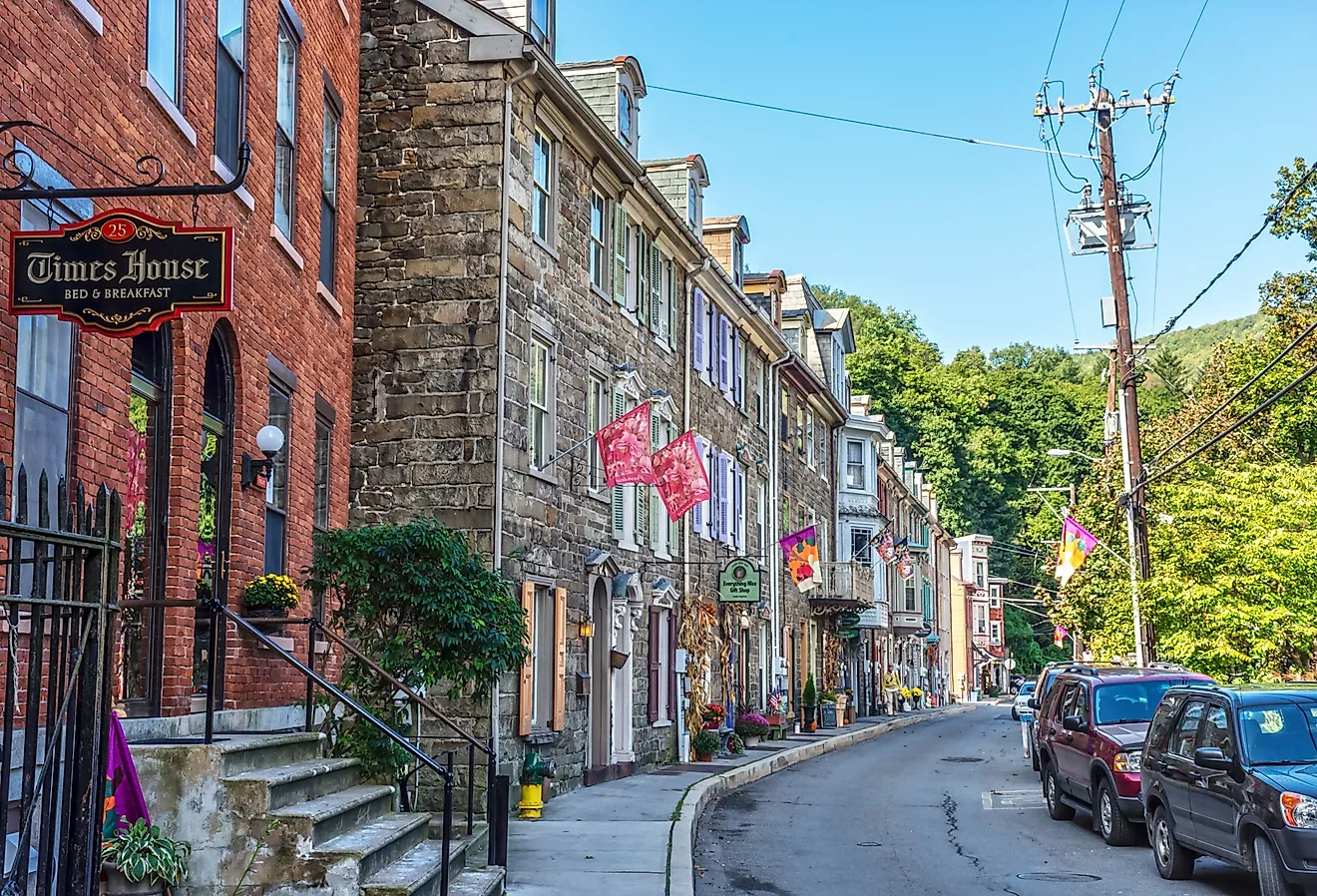
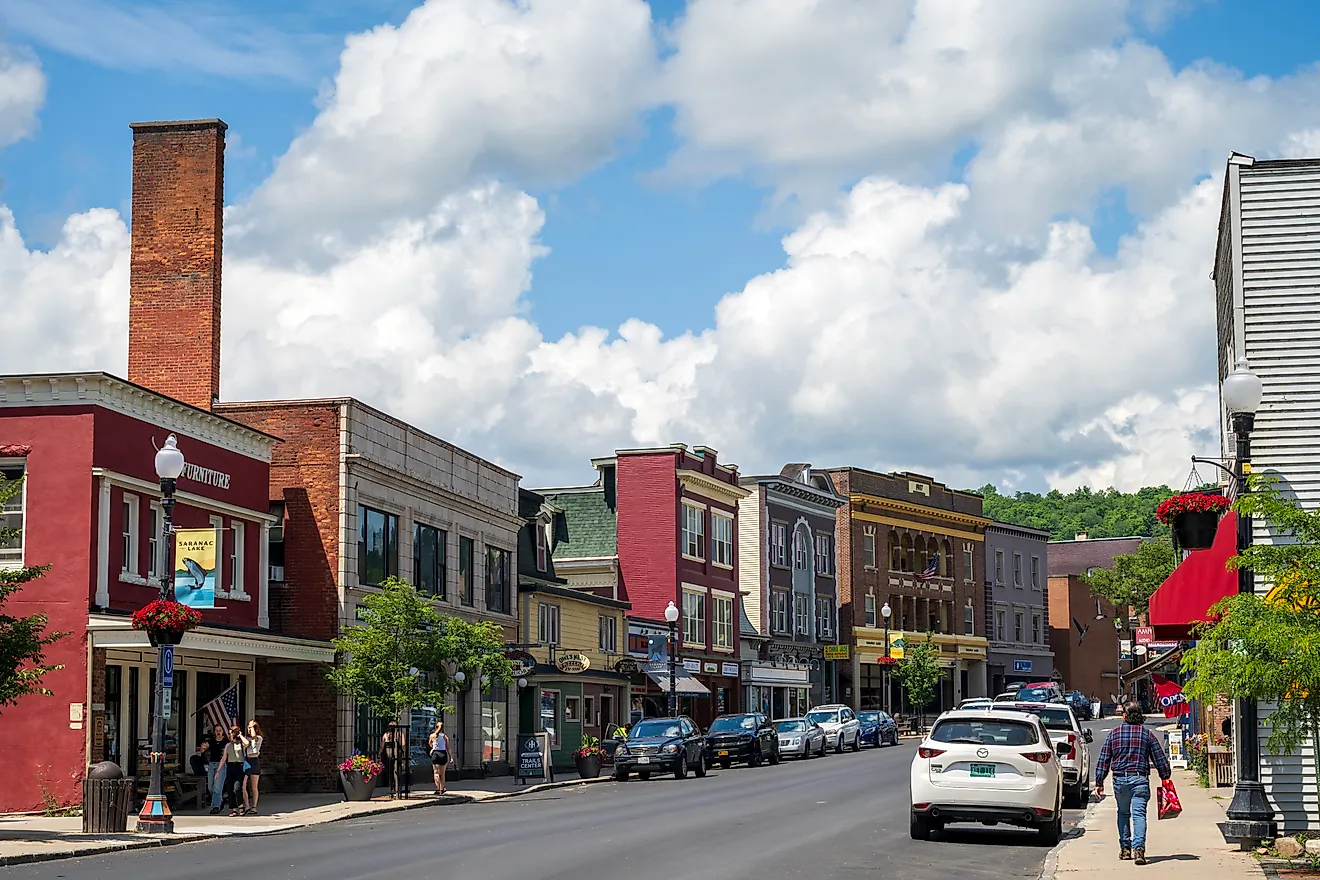
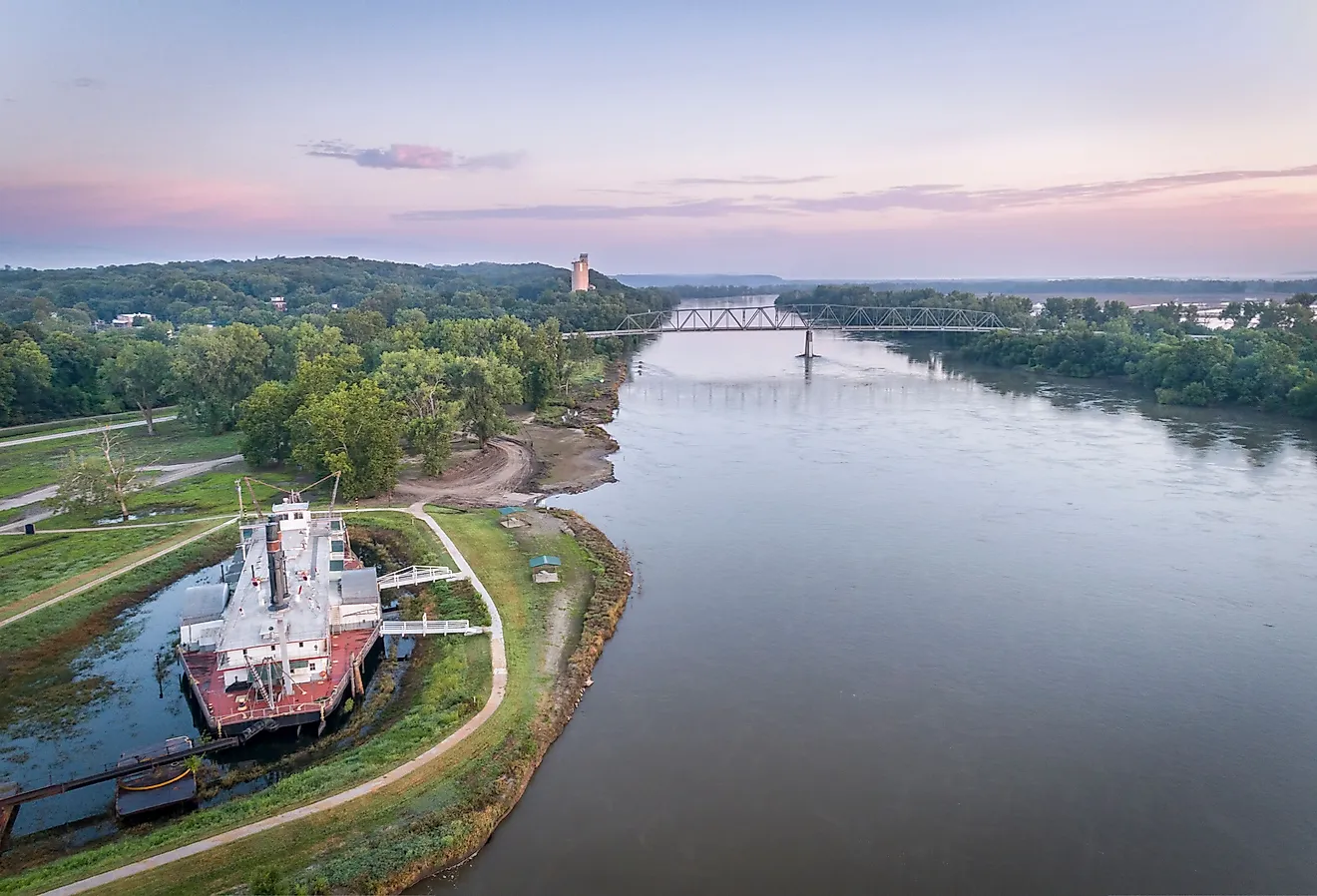
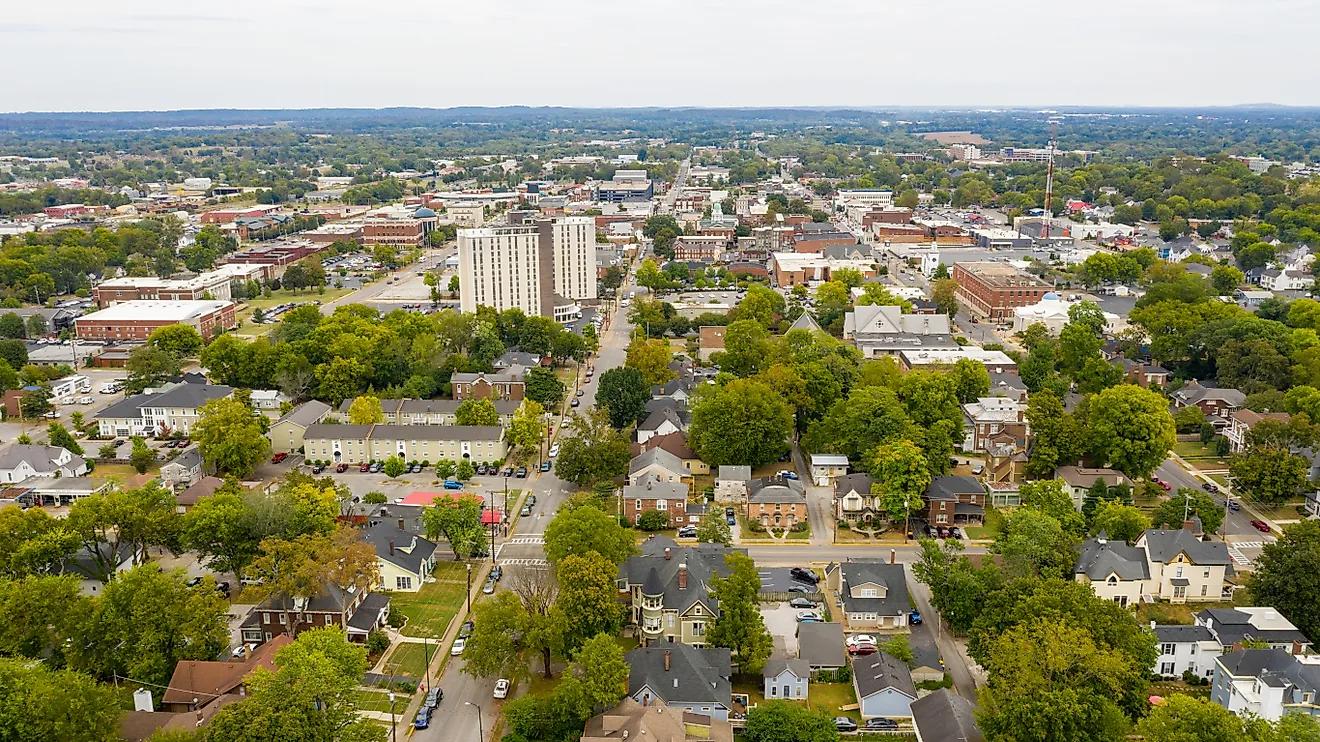
If you are seeking a road trip filled with remarkable history, scenic landscapes, and unforgettable small-town charm, the Pennsylvania section of the Historic National Road Scenic Byway delivers on all accounts. Spanning approximately 90 miles from the Maryland state line to the West Virginia border in the southwestern corner of Pennsylvania, this segment of the National Road follows US Route 40. Perfect for a leisurely two-day road trip, you will drive through rolling hills and forested ridges, encounter preserved historic structures, and experience local food and culture in a series of small towns. If you are someone who appreciates the joy of the open road, this journey promises to create memories that will last a lifetime.
National Road History

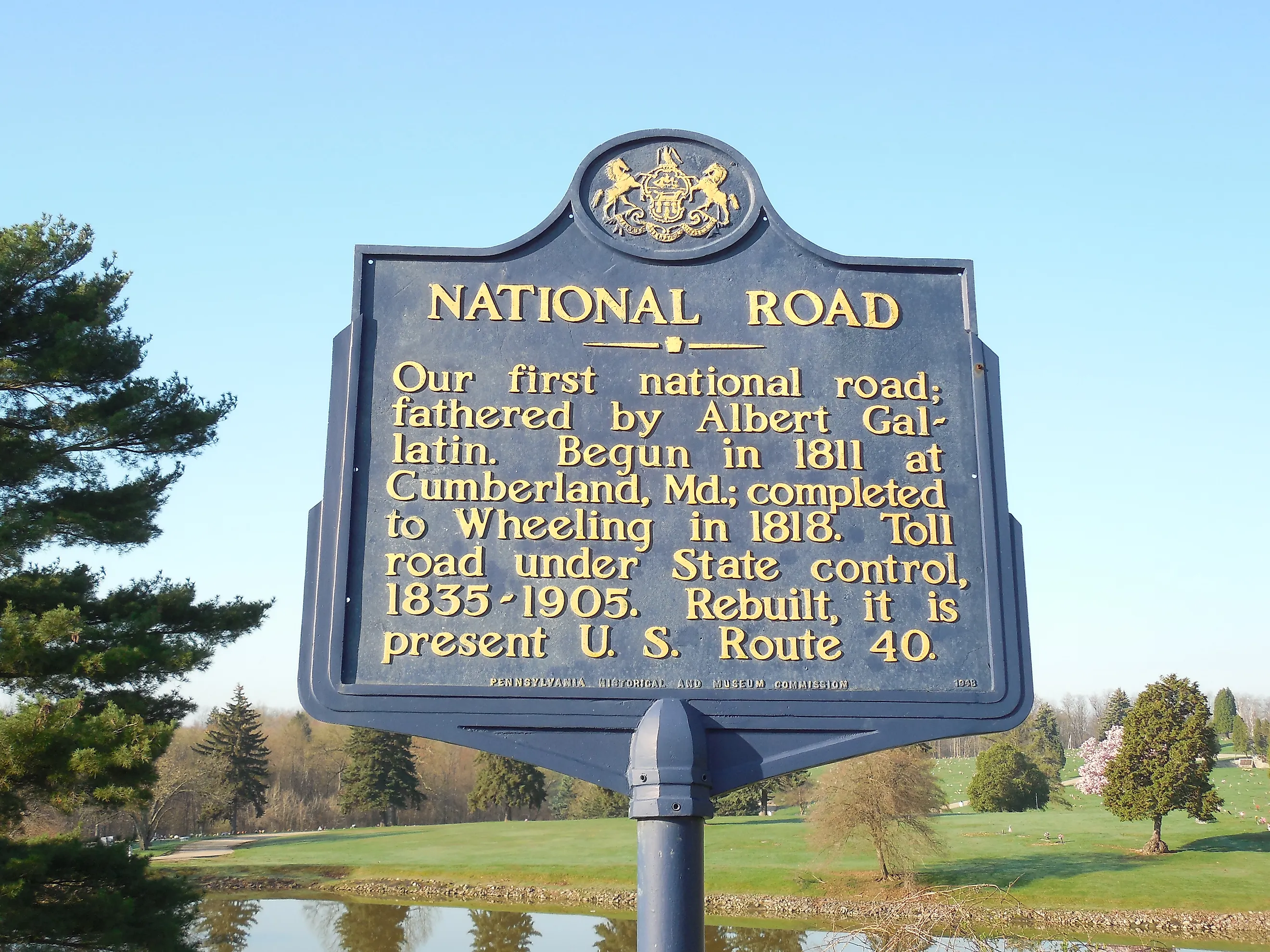
The Historic National Road, also known as the Cumberland Road, holds a key place in American transportation history as the nation’s first federally-funded highway. Authorized by Congress in 1806 and constructed beginning in 1811, it was a monumental public works achievement that facilitated westward expansion and economic growth in the early United States. Originally extending from Cumberland, Maryland, through southwestern Pennsylvania and onward to the Ohio River at Wheeling, West Virginia, the road was eventually extended into Ohio, Indiana, and Illinois by the 1830s.
All along the 825-mile route, taverns, tollhouses, and inns were built to serve stagecoach passengers and wagon trains alike. Towns sprouted where coaches stopped, making the National Road a spine of settlement and commerce in the fledgling United States. The road was later incorporated into the US. Highway System as Route 40 in the 1920s, and it retains much of its historic character today.
Route Overview

Pennsylvania’s stretch of the Historic National Road begins at the Maryland border near the small community of Addison and follows US Route 40 to the West Virginia border near West Alexander. The route traverses the far southwest of the state, winding through Somerset, Fayette, and Washington counties, with rolling farmland, forested ridges, and historic small towns lining the highway. It approaches within about 25 miles of the closest major city, Pittsburgh.

Notable historic attractions are abundant along the way, including preserved tollhouses that stand as reminders of early travel infrastructure. The byway also connects travelers to important Revolutionary-era and early frontier sites such as Fort Necessity National Battlefield and historic towns like Brownsville, Uniontown, and Washington. This 90-mile route is ideal for a two-day exploration that blends relaxed driving with immersive stops at historical and cultural points of interest.
Day One

Start your first day just north of the Pennsylvania-Maryland line in Addison, where you can visit the Old Petersburg Tollhouse, one of the earliest toll stations along the National Road. From there, drive northwest on U.S. Route 40 into the rolling foothills that characterize this corner of the state. About 15 miles from Addison, just past the town of Farmington, you will find Fort Necessity National Battlefield, the site of the first battle of the French and Indian War in 1754. The battlefield site and interpretive center provide important context for early American military and colonial history and make for an engaging multi-hour stop.
Continue about 10 miles to the vibrant county seat of Uniontown, where you can explore historic streets, local shops, and dining options. About 6 miles northeast of Uniontown, the Searights Tollhouse stands as another well-preserved National Road landmark that illustrates how early road maintenance and travel were funded and operated.

In the afternoon, make your way about 8 miles to Brownsville on the Monongahela River. This town was once a major hub for steamboat building and western trade. Take a stroll along its historic district, see views of the river, and perhaps visit Nemacolin Castle, an 18th-century estate and one of the oldest castles in the country.
After exploring Brownsville, press on about 25 miles to Washington, Pennsylvania, a welcoming town that makes an excellent base for your overnight stay. Consider lodging at the George Washington Hotel, a 1922 Beaux-Arts style masterpiece, and enjoy downtown dining and the chance to reflect on the day’s exploration.
Day Two

On your second day, grab breakfast in downtown Washington at the charming Chicco Baccello, then take a short stroll along Main Street to the 1788 Bradford House Museum, a key site for the infamous “Whiskey Rebellion” in western Pennsylvania that tested the power of the national government. Linger a bit longer in downtown Washington to check out the Duncan & Miller Glass Museum, full of stunning pieces that speak to the region’s long-standing glass-making heritage.

Head back out of Washington on Route 40 for about 10 miles to Claysville, a small borough that is closely tied to the legacy of the Historic National Road. One of the most notable sites in town is the Claysville “S” Bridge, an 1818 stone bridge that once carried wagon traffic and remains one of the few surviving structural elements from the road’s earliest years. Also, be sure to check out the ornate 1880 Montgomery Mansion, which now operates as a bed and breakfast that you can file away for a future overnight stay.
It is only about 6 miles from Claysville to the small village of West Alexander, the last Pennsylvania community along the Historic National Road. West Alexander's amenities are limited, but it is only 15 miles further along Route 40 to Wheeling, West Virginia, home to the iconic 1849 Wheeling Suspension Bridge over the Ohio River and a range of dining, entertainment, and accommodation options.
Worthy Side Trips

Located near Mill Run, about 10 miles north of Route 40 in Farmington, Fallingwater is one of the most celebrated works of American architecture and a designated UNESCO World Heritage Site. Designed in the 1930s by architect Frank Lloyd Wright, the house is famously built over a waterfall and seamlessly integrates natural surroundings with modern design. Guided tours allow visitors to explore the structure’s innovative use of space, materials, and light, while the surrounding forested landscape enhances the experience. Fallingwater provides a striking contrast to the 19th-century history of the National Road, demonstrating how southwestern Pennsylvania has continued to shape American culture across centuries.

Meadowcroft Rockshelter, located near Avella, about 20 miles northwest of Washington, is recognized as one of the most important archaeological sites in North America. Meadowcroft contains evidence of human habitation dating back some 19,000 years and includes a preserved rock overhang, reconstructed prehistoric dwellings, and a museum that interprets early Native American life in the region. Visiting Meadowcroft adds a deep prehistoric dimension to the road trip, reminding travelers that the landscapes crossed by the National Road were inhabited long before the arrival of wagons and stagecoaches.
Where History Still Travels
The Historic National Road Scenic Byway in Pennsylvania is a living timeline of American history, punctuated by milestones of early settlement struggles, transportation innovations, and community growth. From its origins on the Maryland border, along old tollhouses and battlegrounds, through storied towns and river crossings, this two-day road trip reveals the deep and layered story of the early United States. By following this itinerary, you will experience scenic beauty and cultural depth at every turn of the winding route. Pack your curiosity, your camera, and your sense of adventure, because this is one road trip that truly deserves a place on your travel bucket list.