10 Bucket-List Small Towns In South Carolina
When most people think of a bucket list, visions of skydiving over dramatic landscapes or ticking off world-famous capitals often come to mind. Those experiences have their place, but there’s a unique satisfaction in choosing destinations that don’t appear on every postcard or itinerary. For travelers in the Southeast or anyone seeking a destination that is accessible yet unexpected, South Carolina holds a wealth of towns that leave a lasting impression. They reward those who visit with moments that linger longer than a checklist photo. These are places shaped by their geography and history in ways that feel specific to this state, where everyday rhythms and enduring landmarks create experiences that are rare and worth planning for. What follows is a collection of ten towns that deserve more than a passing look; not because they’re hidden, but because they are unforgettable once encountered.
Aiken

Few places capture the thrill of horse culture like Aiken, where traditions have endured for more than a century. Riders and trainers realized early on that the town’s mild climate and sandy soil created one of the best environments in the country for preparing thoroughbreds for competition. The result was a cascade of events and practices that still bring visitors together with an electric atmosphere that is truly unforgettable.
One of the best ways to feel this legacy is at the Aiken Training Track, a historic facility built in 1941 that conditioned future champions and remains a place where thoroughbreds are exercised each morning. At Aiken Polo Club’s historic Whitney Field, matches played through spring and fall showcase a sport deeply woven into the town’s identity, representing some of the oldest continuous polo on one field in the United States. Nearby, Hopelands Gardens reflects how equestrian life shaped local landscapes, with gentle trails and open spaces designed alongside the town’s riding culture. Visitors can also experience the history and achievements of local champions at the Aiken Thoroughbred Racing Hall of Fame and Museum, which celebrates the horses, trainers, and moments that built the town’s reputation.
Whether you’re a devoted horse fan or just enjoy the elegance of the equestrian arts, Aiken is a town worth visiting.
Beaufort

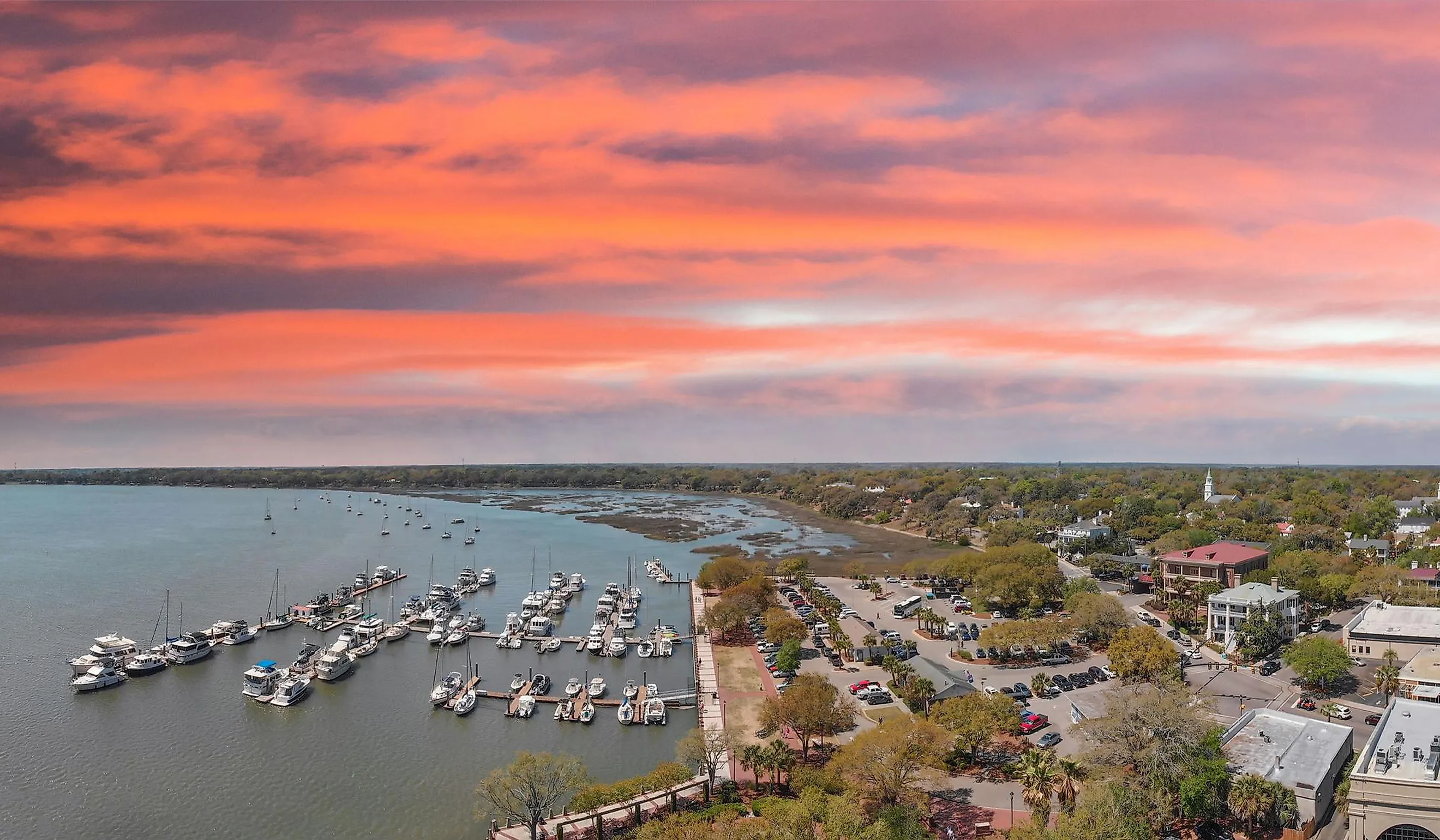
Beaufort delivers the classic Lowcountry look, with tidal rivers wrapping around the town, moss-draped live oaks shading the streets, and historic antebellum homes set just steps from the water. Founded in 1711, it is South Carolina’s second-oldest city, and its compact historic district feels like stepping into a storybook, with antebellum architecture, charming boutiques, and waterfront parks ideal for wandering on foot. Visitors can explore the town’s layered past on a ghost tour through atmospheric streets after dark or enjoy a horse-drawn carriage ride to hear tales of Civil War history and bygone eras.
The town’s rich culture shines during the annual Gullah Festival, celebrating art, music, and cuisine from the Gullah Geechee community, while fresh seafood takes center stage at the Beaufort Oyster Festival each January and the Beaufort Shrimp Festival each October.
Outdoor enthusiasts can kayak tidal creeks, birdwatch in the marshes, or take boat tours to spot dolphins. Visit Hunting Island State Park for uncrowded beaches and its historic lighthouse, or stroll St. Helena Island’s Avenue of Oaks, one of the Lowcountry’s most iconic sights.
Bluffton

Just a short drive from Beaufort, Bluffton is known for its vibrant arts scene, lively festivals, and charming streets along the May River. Old Town Bluffton feels like a storybook with colorful cottages, art galleries, and boutique shops perfect for wandering at a leisurely pace.
Visitors can explore local heritage at sites like the Garvin‑Garvey House, a restored Gullah-built home, and the Church of the Cross, dating to the 1850s. The town comes alive during events like the Bluffton Mayfest in spring and the Historic Bluffton Arts & Seafood Festival in fall, where art, music, and Lowcountry flavors fill Calhoun Street.
Bluffton’s riverside location provides plenty of ways to enjoy the outdoors, from kayaking and wildlife spotting to scenic May River boat tours that often reveal playful dolphins. The working Bluffton Oyster Factory offers a hands-on look at the region’s thriving seafood traditions, and visitors can take a short 12-minute drive to Hilton Head Island for beaches, golf, and additional dining and shopping.
Cheraw

Cheraw stretches along the Great Pee Dee River, where centuries-old streets showcase antebellum homes and historic buildings that transport visitors back to the Revolutionary and Civil War eras. Old St. David’s Church, built in the 1770s, served as a hospital during both wars, and its cemetery holds the graves of soldiers from multiple conflicts. Music fans can connect with the town’s cultural legacy through Dizzy Gillespie memorials and public art, and the annual South Carolina Jazz Festival brings the birthplace of one of jazz’s greatest legends to life each fall.
For outdoor activity, Cheraw State Park has Lake Juniper for fishing, canoeing, and hiking trails that thread through pine forests, while Laney Landing at Riverside Park lets visitors watch wildlife and enjoy sweeping river views. History enthusiasts may also enjoy a self-guided walking tour highlighting Revolutionary War landmarks, while food lovers can enjoy Southern favorites at places like Woos and Keems Soulfood Restaurant.
Edisto Beach

Edisto Beach sits on Edisto Island, about 50 miles southwest of Charleston, making it an easy drive for a coastal escape. The beach stretches for miles along the Atlantic with a natural, unspoiled landscape. Movie buffs will recognize Cassina Point Plantation, where key scenes from Dear John were shot against the backdrop of the Lowcountry. The plantation’s riverside setting and historic architecture give visitors a glimpse of the area’s enduring charm.
Edisto Beach State Park offers more than a mile of ocean frontage, hiking and biking trails through maritime forests, and an Interpretive Center with interactive exhibits on the island’s ecosystems, local wildlife, and cultural history. Water enthusiasts can join eco-tours or boat excursions to spot dolphins and marshland creatures, rent kayaks to paddle winding creeks, or fish from local piers. Inland, Botany Bay Plantation Heritage Preserve features forest trails, tidal creeks, and a striking “boneyard beach” scattered with ancient shells and driftwood.
Georgetown

Georgetown is one of South Carolina’s oldest port cities, where the Sampit, Waccamaw, Black, and Pee Dee rivers meet at Winyah Bay, shaping the town’s maritime character. Its Historic Harborwalk runs along the water with views of working docks, riverboats, and marshes. Along the Harborwalk, visitors can stop at The Independent, a seafood restaurant serving locally caught fish, shrimp, and oysters, or pick up fresh seafood to cook at home from Stormy Seas Seafood, a longtime market for shrimp, fish, and shellfish.
Within the historic district, the Old Market Building / Rice Museum tells the story of the region’s rice economy, while the Gullah Museum highlights the culture of the Gullah Geechee people who shaped the Lowcountry. Boat tours along the rivers and estuaries offer opportunities to see dolphins and marshland wildlife. In October, the Georgetown Wooden Boat Show celebrates the town’s maritime roots with classic boats, demonstrations, and races.
McClellanville

McClellanville is a coastal fishing village where shrimping, oystering, and maritime traditions remain a central part of life here. The Village Museum preserves local history through restored buildings and exhibits on early settlers and the seafood industry. Nearby, Bethel African Methodist Episcopal Church, dating to the 1870s, offers insight into the town’s historic community. Just outside McClellanville, the Hampton Plantation State Historic Site showcases Georgian architecture and Lowcountry plantation history.
The town is also close to the Cape Romain Lighthouses, 19th-century relics accessible by boat through the wildlife refuge. Each May, the Lowcountry Shrimp Festival celebrates the area’s seafood heritage with a parade of decorated boats, fresh shrimp, and live music. Visitors can enjoy seafood at T.W. Graham & Co. or take home shrimp and shellfish from local markets. Between historic sites, coastal culture, and authentic Lowcountry cuisine, McClellanville offers an experience that feels uniquely tied to South Carolina’s waterways.
Travelers Rest

At the foothills of the Blue Ridge Mountains, Travelers Rest offers a unique combination of mountain scenery, riverside trails, and a thriving local culture. The Swamp Rabbit Trail runs more than 20 miles between Travelers Rest and the City of Greenville, letting visitors bike past waterfalls, creeks, and historic mills while connecting to the town’s vibrant Main Street. Along the way, visitors can stop at Tandem Crêperie and Coffeehouse for a sweet or savory treat, sip craft beer at Swamp Rabbit Brewery & Taproom, or browse artwork at White Rabbit Fine Arts Gallery.
Travelers Rest comes alive during seasonal events like the Browse & Stroll Art Market, Music in the Park concerts, and the Fall Bluegrass & Harvest Market, which showcase local food, art, and music. Nearby Paris Mountain State Park and Caesars Head State Park offer hiking, paddling, and wide mountain views, making Travelers Rest a great destination to experience the Upstate’s riverside trails and mountain scenery while soaking in its local culture.
Walhalla

Walhalla earns its title as the “Main Street to the Mountains” by serving as the last stop before the road climbs into the Blue Ridge peaks. Established in 1850 by German immigrants, the name translates to “Garden of the Gods.” Downtown still reflects its historic roots, with 19th-century buildings, antique shops, and cafés that showcase the town’s heritage.
The surrounding landscape offers experiences that set Walhalla apart. At Stumphouse Mountain Park, visitors can step into the Stumphouse Tunnel, an unfinished railroad project carved into solid rock during the mid-1800s. Just a short walk away, Issaqueena Falls plunges 100 feet over a granite ledge, and history enthusiasts can explore Oconee Station, a stone blockhouse built in 1792. Each October, the town celebrates Oktoberfest with bratwurst, polka music, and lively festivities that honor its German roots. Together, the historic streets, dramatic waterfalls, and seasonal celebrations make Walhalla a memorable mountain getaway.
Yemassee

Almost halfway between Savannah and Charleston, Yemassee is a Lowcountry town rich in history, with moss-draped oaks, historic architecture, and scenic landmarks that make a visit unforgettable. The Frampton Plantation Museum House preserves life on a 1700s estate, letting visitors step back into the region’s past beneath towering live oaks. The Old Sheldon Church Ruins mark a dramatic piece of history. Built in the 18th century, the church was first destroyed during the Revolutionary War, rebuilt, and then burned again in the Civil War. Today, its Greek Revival columns rise among moss-draped oaks, creating a hauntingly beautiful scene that draws photographers and history enthusiasts alike. The Stoney Creek Independent Presbyterian Chapel offers another glimpse of surviving antebellum architecture.
In town, visitors can wander quiet streets lined with historic buildings, stop at Fletcher's General Store and Cafe for coffee or unique finds, and pause on a bench under a shaded oak to watch locals pass by. Each autumn, the Yemassee Shrimp Festival fills the streets with live music, craft vendors, a parade, and family‑friendly fun, making it one of the town’s most memorable annual gatherings.
These small towns prove that a bucket list doesn’t have to be filled with the obvious or the famous. South Carolina offers places where history, culture, and natural beauty intersect in ways that leave a lasting impression. From Aiken’s morning horse routines to Cheraw’s jazz echoes, from Edisto Beach’s quiet tides to Travelers Rest’s mountain trails, each town offers moments that feel curated for the curious traveler. Experiencing them reminds you that a true bucket-list stop isn’t measured in notoriety, but in how unforgettable, unique, and unmistakably itself a place can be.