The State Parks With The Best Bird Watching
You don't need a national park or a distant refuge to enjoy amazing birdwatching. Some of the most fantastic birding spots in the country are right in state parks—stretching from lush subtropical woodlands near the Mexican border to breezy peninsulas that attract migrating raptors in the thousands. The key is knowing where to look, as the best birding parks are often located at habitat crossroads or along important migration routes. We've put together a list of eight top spots across the country, each with its own special species and peak season. So grab your field guide—let's head out and discover some incredible birds together!
Bentsen-Rio Grande Valley State Park, Texas

If there's a top contender for the best birding park in America, this might just be it. As the heart of the World Birding Center, Bentsen-Rio Grande Valley State Park is nestled in the southernmost tip of Texas. Here, the subtropical species from eastern Mexico cross the border into what remains of the Rio Grande floodplain forest. Over 350 species have been spotted, including unique "Valley specialties' that you won't find anywhere else in the U.S.: the vibrant green jay, the lively plain chachalaca, the energetic great kiskadee, and the striking pumpkin-orange Altamira oriole, many of which gather at the feeding stations from November to March. During spring and fall, you'll see virtual torrents of Broad-winged and Swainson's hawks soaring overhead. Since no cars are allowed, exploring this wonderful place is a true delight—whether on foot, by bike, or on a tram, binoculars ready and ready to enjoy the moment.
Cape May Point State Park, New Jersey

Cape May is truly one of the most cherished birding spots in the world, with Cape May Point State Park serving as its lively hub. Located at the southern tip of New Jersey, jutting into the Atlantic, this special point acts like a natural funnel, guiding countless southbound migrants along the coastline. As they reach the water, they gather in impressive flocks before crossing Delaware Bay. Especially in autumn, this creates an unforgettable spectacle: sweeping flows of hawks, falcons, songbirds, warblers, orioles, thrushes, and shorebirds, all passing through in astonishing numbers. The park's renowned hawk watch platform offers incredible views, and during this time, monarch butterflies often join the parade. Planning your visit during a good fall cold front could reward you with a true migratory extravaganza.
Presque Isle State Park, Pennsylvania

Pennsylvania's only seashore also happens to be one of its top birding spots. Presque Isle State Park features a graceful, curving sand spit that extends several miles into Lake Erie. Much like Cape May, this unique geography makes it a magnet for migrating birds, serving as either the first landfall or the last stop for many crossing the great lake. An impressive over 320 bird species have been spotted here, which is remarkable given its size, including waterfowl, warblers, shorebirds, and raptors—bald eagles are now a common sight. The park's diverse mix of beaches, ponds, marshes, and woodlands packed into this small strip of land is what makes it so rich for birdwatching. For bird enthusiasts in the northeast, a spring or fall morning spent here is truly unforgettable.
Huntington Beach State Park, South Carolina

Huntington Beach State Park on South Carolina's Grand Strand is highly regarded as one of the top birding destinations on the East Coast. It features a diverse array of habitats, including salt marsh, freshwater lagoon, beach, and maritime forest, all supporting a variety of bird species such as herons, egrets, white ibis, shorebirds, waterfowl, and colorful songbirds like the painted bunting. The causeway over the lagoon offers close-up views of alligators and feeding wading birds, while the marsh provides birdwatching opportunities throughout the year. During migration seasons, the park’s significance increases, explaining why dedicated birders consistently rank this quiet park among Southeast's best.
Myakka River State Park, Florida

Florida offers fierce competition for birding lists, and Myakka River State Park stands out as one of its top treasures. Covering 37,000 acres of wetlands, prairies, and hammocks near Sarasota, it’s a haven for wading birds like great blue herons, great egrets, wood storks, and roseate spoonbills wading through the shallows, while sandhill cranes traverse the dry prairie. The park's shallow lakes and the slow-moving Myakka River gather large numbers of birds, especially during winter’s dry season when shrinking waters trap fish in smaller pools. A boat tour or a walk along the boardwalk can reveal dozens of bird species in just an hour, set against a backdrop of a wild, watery Old Florida landscape.
Grand Isle State Park, Louisiana

Few places offer as dramatic a migration spectacle as Grand Isle State Park, located on Louisiana's only inhabited barrier island. Every spring, songbirds crossing the Gulf of Mexico undertake a grueling journey, and when storms occur during their flight, it results in a 'fallout'—trees suddenly bursting with warblers, tanagers, buntings, and orioles seeking rest and nourishment. The island's live oaks and Gulf position make it a crucial migration stopover globally, while its marshes and beaches host herons, wood storks, and shorebirds year-round. Birdwatchers gear up for the spring migration, eager to witness this vibrant seasonal event.
Point Lobos State Natural Reserve, California

Point Lobos, located on California's Monterey Peninsula, offers exceptional seabird watching with stunning Pacific scenery. Often regarded as the top highlight of the California state park system, its rocky headlands and offshore islets host nesting seabird colonies, such as cormorants and pigeon guillemots. Brown pelicans glide gracefully just above the waves. The kelp forests and tide pools attract shorebirds, while cypress groves provide cover for both migrating and resident songbirds. Offshore, the marine reserve is vibrant with sea otters, seals, and seasonal migrating whales, making a birding walk here a showcase of Pacific wildlife. This area proves that impressive birding opportunities and breathtaking coastline views can go hand in hand.
Itasca State Park, Minnesota

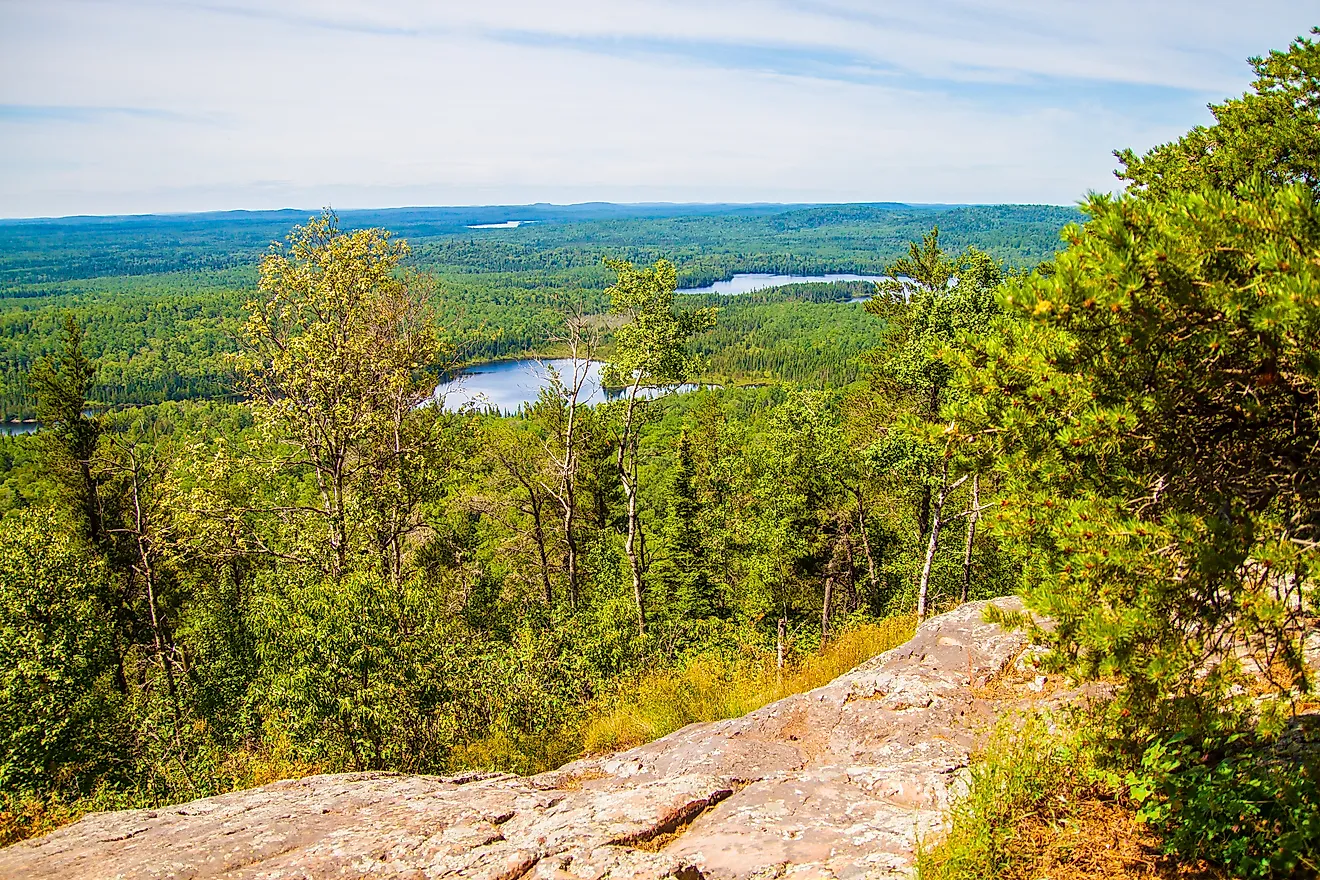
To complete the circuit of the country, travel north to Itasca State Park, Minnesota's oldest park, where the mighty Mississippi River begins as a small stream you can easily cross. This region offers prime northern forest birding, characterized by clear lakes and ancient pine forests that attract many species, drawing southern birders to see them. The park's lakes resonate with the haunting calls of common loons, while the surrounding woods are home to warblers, bald eagles, ospreys, pileated woodpeckers, and boreal specialties. During summer, breeding songbirds sing loudly, making early-morning walks along the lakeshore a delightful experience for both ears and eyes. It’s an ideal place to conclude a national birding tour, located at the origins of the country's largest river.