7 Snake Infested State Parks In South Dakota
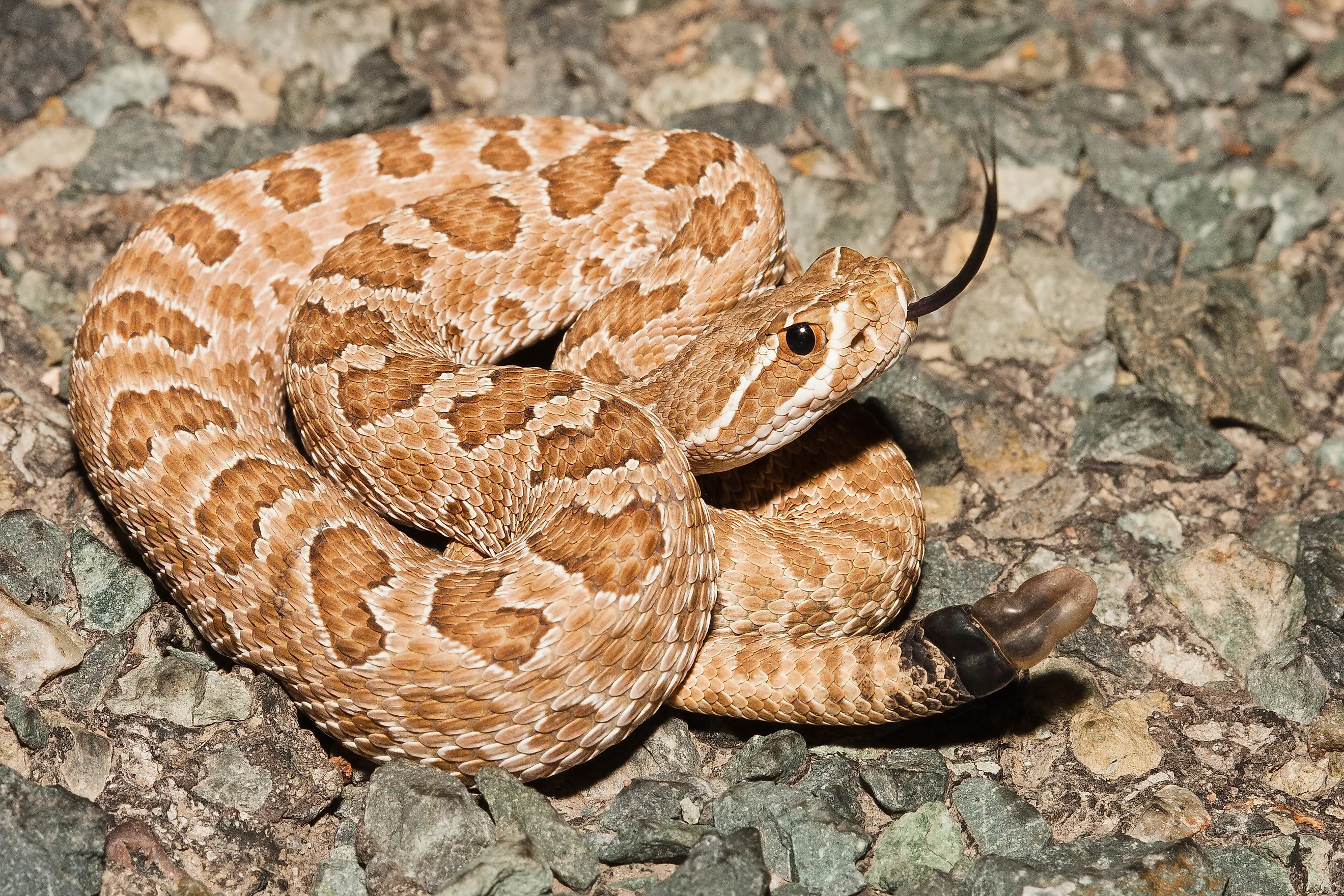
South Dakota has a solid cast of snakes sharing the landscape, with about 17 native species statewide. Only one of them brings venom to the party: the prairie rattlesnake. This species is most common in the Black Hills and the drier western half of the state, where rocky ground and open prairie suit it just fine. The rest of the lineup is harmless to people and includes bullsnakes, garter snakes, hognose snakes, and other plains species that spend their days hunting rodents and avoiding humans.
The good news is that snakes in South Dakota are far more interested in avoiding people than confronting them. They play an important role in keeping rodent populations under control and are part of what keeps these parks healthy. Knowing where snakes like to spend time helps you enjoy the scenery while giving these uninvited but important residents the space they need. With that, here are the most snake-infested state parks in South Dakota.
Custer State Park

Custer State Park sits deep in the southern Black Hills and covers about 71,000 acres, making it both South Dakota’s oldest and largest state park. Pine forests, open grasslands, and granite peaks shape the landscape, creating warm, rocky areas that prairie rattlesnakes use for basking and hunting.
South-facing slopes, talus fields, and exposed outcrops are the most common places where snakes are seen, especially during warmer months. Hiking trails such as Cathedral Spires and Lover’s Leap lead through narrow rock corridors and scenic overlooks, where watching your footing matters. Rattlesnakes tend to stay still and rely on camouflage, so staying alert near rocks and trail edges helps prevent close encounters.
Park staff occasionally deal with wildlife injuries. In 2018, a park burro died after being bitten by a rattlesnake despite receiving antivenom. Rattlesnakes here are not aggressive and usually warn before moving away. Staying on trails, wearing sturdy shoes, and giving wildlife space keeps visits safe and enjoyable.
Palisades State Park

Palisades State Park sits just outside Garretson along Split Rock Creek. The only venomous snake currently documented in the park is the eastern copperhead, which is rarely seen and avoids people when given space. Nonvenomous black rat snakes are the most frequently spotted. They can grow quite large, sometimes over five feet, but they are not aggressive and help control rodent populations.
You may also encounter garter snakes, eastern milk snakes, or the much smaller northern ringneck snake near damp, shaded areas. Four hiking trails wind through the quartzite formations, including the popular Palisades Trail, where you can see cliff walls, creek views, and small waterfalls. Snakes here are not a danger unless threatened.
Most problems happen when people step off trail, reach into rock cracks, or let pets roam freely. Keeping dogs leashed, watching sunny rock surfaces in warm weather, and giving wildlife space keeps visits calm and safe.
Bear Butte State Park

Bear Butte State Park centers on a lone butte that rises about 1,400 feet above the surrounding prairie just outside Sturgis. For centuries, this landmark has held deep spiritual meaning for many Native American tribes who still use the area for prayer and ceremonies today. The landscape around the butte is a mix of rocky slopes, loose talus, and open grassland.
That combination also happens to suit snakes very well. Besides black rat snakes, garter snakes, northern ringneck snakes and eastern milk snakes, prairie rattlesnakes also live on Bear Butte. Sightings along the hiking trail or crossing the trail are not unusual, especially on warm days.
South-facing slopes heat up quickly, and snakes often rest near rocks where warmth and cover meet. On May 6, 2018, emergency crews responded to a rattlesnake bite on the hiking trail, and the patient was transported to Sturgis Regional Hospital. Incidents like this are uncommon, but they are a reminder to stay alert, wear hiking boots, and watch rocky sections closely.
Good Earth State Park

Good Earth State Park sits along the Big Sioux River and protects land long used by tribal people for gathering, trade, and travel. The mix of wooded bluffs, native prairie, river bottoms, and sunny slopes also happens to suit snakes just fine.
You’re most likely to spot garter snakes, western foxsnakes, and bullsnakes here. These nonvenomous species are far more interested in frogs, mice, and insects than hikers. While prairie rattlesnakes are native to South Dakota, they’re rarely seen in this state park. Think of snakes here as quiet background characters.
They use grassy edges, rocky outcrops, and warm trail borders to regulate body temperature and hunt small prey. Most sightings happen on warm spring or summer days when snakes are basking near trails or retreating into cover as people pass. Watch where you step near tall grass or rocky edges, do not reach into brush or under logs, and let any snake you see continue on its way.
Newton Hills State Park

Newton Hills State Park sits in southeastern South Dakota near the Big Sioux River and looks nothing like the wide-open plains most people expect. Rolling hills, tallgrass prairie, and wooded ravines create a narrow band of forest that feels different from the surrounding farmland. Despite common assumptions, prairie rattlesnakes are not commonly spotted in Newton Hills State Park.
Instead you’re likely to see garter snakes, bullsnakes, and plains hognose snakes. These nonvenomous snakes prefer sunny trail edges, tall grass, and fallen logs, especially from late spring through early fall. Encounters are usually brief and involve a quick retreat rather than confrontation.
Wildlife sightings are common, with more than 200 bird species, along with white-tailed deer, wild turkeys, foxes, marmots, rabbits, and squirrels. When walking trails in warm weather, watch where you step, especially near rocks and tall grass, and enjoy one of South Dakota’s most unexpected natural pockets.
Oakwood Lakes State Park

Oakwood Lakes State Park’s shaded campgrounds, tallgrass prairie edges, oak groves, and lake shorelines create a mix of habitat that supports a variety of wildlife. Nonvenomous snakes such as plains garter snakes and bullsnakes can be found near lakes, grassy areas, and woodland edges in and around Oakwood Lakes.
While the only venomous species in the state is the prairie rattlesnake, most of that species’ range is west of the Missouri River. Trails near prairie edges and rocky shorelines warm up quickly in sunshine, which can attract snakes looking for a place to regulate body temperature.
While visiting, keep an eye on the trail and avoid reaching into thick grass or hidden rock piles. If you do see a snake, give it space and step aside so both you and the animal stay safe.
Hartford Beach State Park

Hartford Beach State Park sits along Big Stone Lake in northeastern South Dakota, near the Minnesota border. The lake formed about 10,000 years ago from glacial meltwater that once flowed through the massive River Warren system. Today, rugged rock bluffs, wooded shorelines, and open grasslands surround the park, creating a mix of habitats that support birds, fish, and a few quiet reptile residents.
Snakes are not a headline attraction here, but they’re part of the background. You’re likely to spot nonvenomous snakes like plains garter snakes and bullsnakes near shoreline vegetation, prairie edges, or sunny paths. Prairie rattlesnakes are native to South Dakota, but they’re considered unlikely at Hartford Beach State Park.
One interesting footnote comes from history. A single Dekay’s Brownsnake was recorded near Big Stone Lake in 1922. Despite later surveys, no additional sightings have been confirmed. As you explore, the main thing is simple awareness. Watch where you step in sunny grass, look before sitting on rocks or logs, and enjoy the wildlife from a respectful distance.
South Dakota’s state parks are shared spaces, and snakes are part of that shared reality. From rocky Black Hills slopes to quiet prairie edges and lakeside trails, these parks support wildlife that has been here long before hiking boots and picnic tables.
Most snake encounters happen by chance and end quickly when people stay alert and give animals room. Staying on trails, watching where you step, and keeping hands out of brush and rock crevices goes a long way. These parks are not dangerous places, but they do reward awareness.
Knowing what lives here helps you enjoy the scenery with confidence. Respect the wildlife, move at a steady pace, and let the snakes handle their side of the ecosystem while you enjoy yours.