7 Snake Infested State Parks In South Carolina
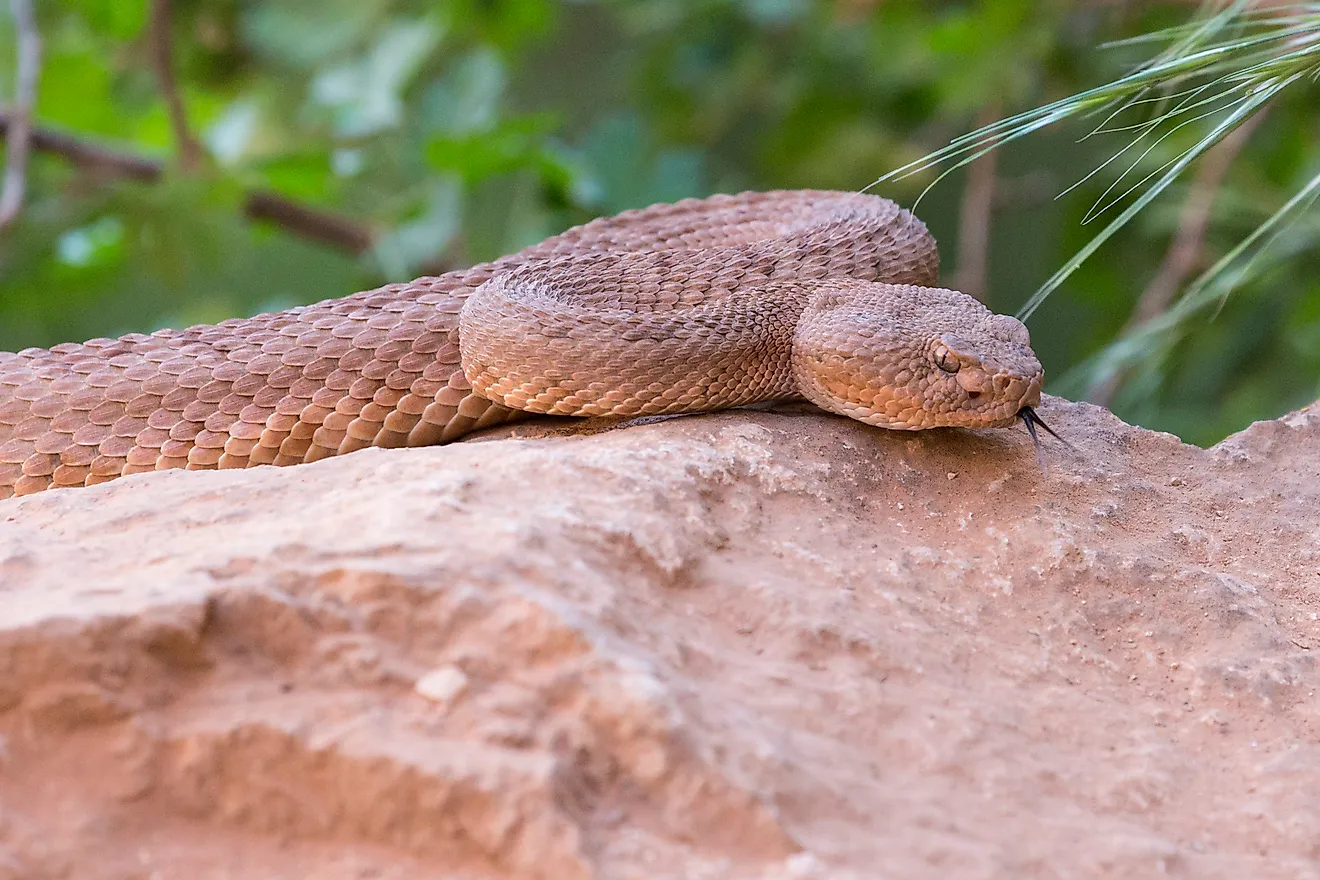
South Carolina’s state parks are best known as being home to gators, swamps, and lots of snakes. From non-venomous species that silently control rodent populations to venomous snakes that require more caution, local wetlands, Atlantic tidal zones, forest preserves, and rocky mountain slopes all give these reptiles everything they need to thrive in this temperate part of the country.
Encounters, as you may imagine, are common, particularly if you know where to look, so this guide is aimed at highlighting the parks where snakes are most frequently seen, helping travelers like you stay alert while simultaneously appreciating the role these animals play in maintaining the state’s rich and varied ecosystems.
Edisto Beach State Park

Edisto Beach State Park on Edisto Island supports a healthy snake population thanks to its wetlands, pristine forests, and sand dunes. Species such as eastern cottonmouths, corn snakes, and water snakes thrive in these often moist environments, especially around the marshes and creeks.
Warm climes in this temperate region tend to draw snakes closer to trails and walkways where they can hunt small mammals, frogs, and fish in the open. While many species seen here are harmless, do note that cottonmouths are venomous and tend to stay near water, so keeping a safe distance is essential.

This state-run park's diversity of habitats makes it a strong location for wildlife encounters overall, whereas you can simply opt to stick to the more crowded beach areas, busier nature trails, and the Edisto Island Interpretive Center while still staying aware of the reptiles that play an important role in this coastal ecosystem without necessarily seeing them.
Huntington Beach State Park

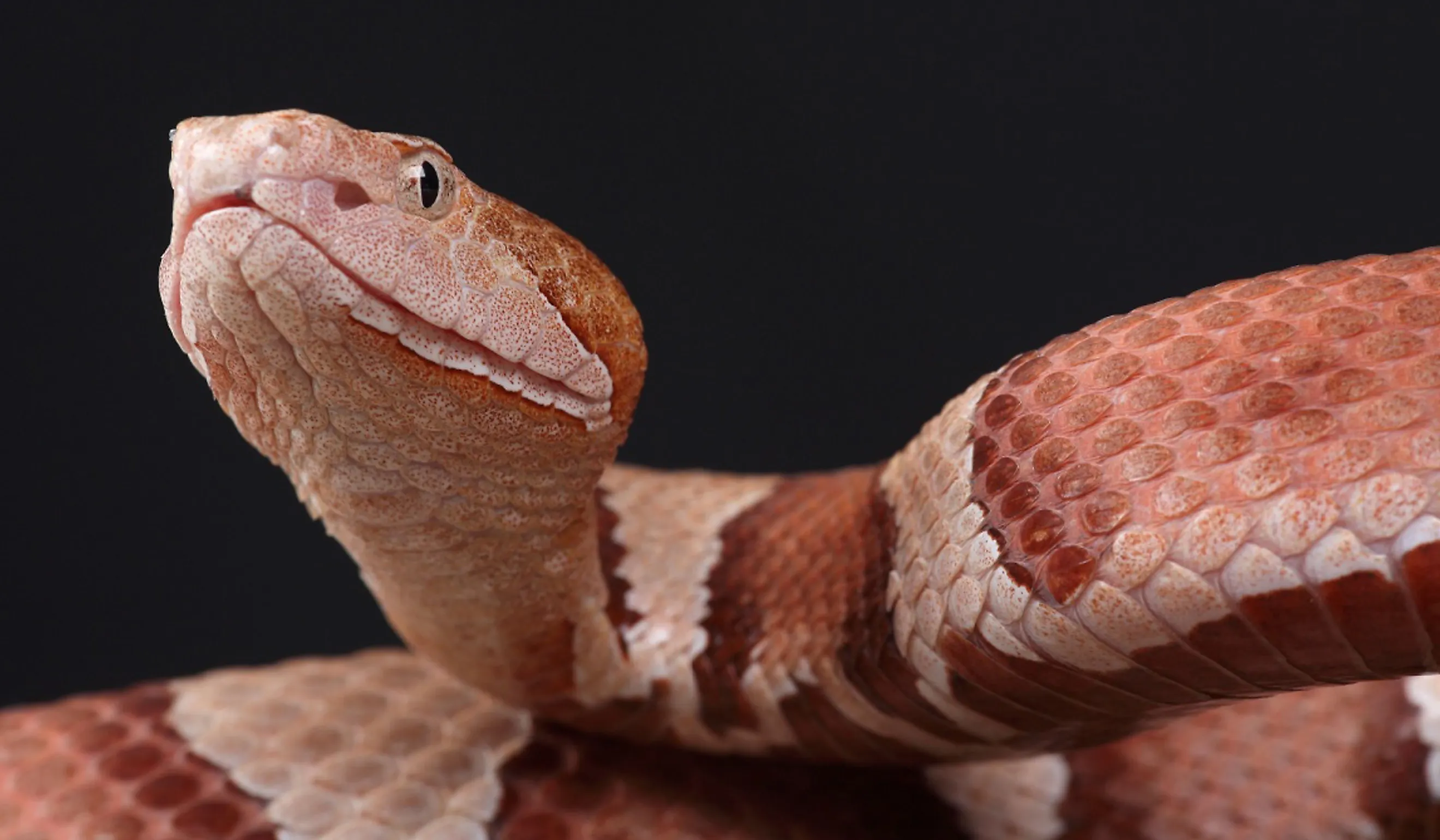
Just south of Myrtle Beach, Huntington Beach State Park rests near Murrells Inlet and is a prime destination for observing South Carolina’s diverse snake populations. The park’s typical coastal mix of salty marshes, tidal creeks, and wind-swept maritime forests provides ideal habitats for a variety of species, including water snakes, rat snakes, and the occasional copperhead.

Snakes here are most active in the warmer months, particularly in areas with dense vegetation or near water in spring, summer, and fall. With that in mind, all visitors walking trails or exploring the beach and marsh edges may encounter these reptiles, often seen basking in the sun or hunting for prey. And while most snakes here are non-venomous, it’s important to maintain awareness to avoid disturbing them, whether that means watching your step or not going out during certain times of the year.

This pleasant park also offers ample birdwatching areas, a nature center, and scenic coastal views, making it a hotspot for wildlife observation beyond just snakes.
Santee State Park

Santee State Park, situated along the shores of Lake Marion, offers prime conditions for all kinds of reptiles to thrive, including abundant American alligators! Its cypress-ladden wetlands and freshwater shoreline support lots of snakes, too, with species such as water snakes, black racers, and eastern copperheads.

The snakes here often stay near the lake’s edge or in shaded areas, particularly during the hottest months when they seek both warmth and prey like fish, frogs, and other aquatic critters. Encounters, however, are more likely at dawn or dusk when snakes are most active, crossing trails or resting near boat ramps and craggy fishing spots. Like most entries on this list, most snakes here are also non-venomous, but awareness is still important, especially in thick vegetation where your footsteps can, in turn, injure a snake.
Along with tons of snake and gator viewing opportunities, this sizable greenspace also draws crowds for camping, fishing, and scenic hikes, placing people and wildlife in close proximity throughout the year.
Sesquicentennial State Park

Sesquicentennial State Park in Columbia contains the kind of wooded, wet terrain that supports a wide variety of reptiles. The park’s popularity for hiking, paddling, and general family recreation means encounters are recorded almost daily, making awareness a key part of enjoying this natural environment.
Snakes in this interior region tend to move near the water and through leaf-covered forest floors, and often come across trails and picnic areas. It's longleaf pine forests, swampy lowlands, and the park’s large lake create reliable sources of prey and shelter for species such as black racers, brown water snakes, and copperheads.

Like usual in South Carolina, most species here are not highly dangerous, yet copperheads are in fact present, so giving any snake space is vital if you are not good at identification. You may spot one or two of them basking on fallen timber or slipping through shallow water while hunting amphibians and fish in marshier spots, so be extra careful in those spaces, especially.
Table Rock State Park

Table Rock State Park in the highly picturesque Blue Ridge foothills features rocky terrain, forests, and streams more akin to the Appalachians. Timber rattlesnakes, copperheads, and black rat snakes are among the reptiles that thrive best in these rugged habitats.

Local species often use sun-warmed rocks and forest clearings to regulate their body temperature, making sightings more common on hiking trails when the sun is out. On the other hand, near shady creeks, water-loving species hunt amphibians and small fish all throughout the day.
Extra caution is smart when stepping over logs or navigating rocky overlooks, so keep your eyes peeled in this heavily wooded preserve. Besides that, the park’s dramatic mountain scenery, including the summit trail to Table Rock, makes this a must-visit attraction if you're ever in the area.
Jones Gap State Park

Jones Gap State Park, part of the Mountain Bridge Wilderness Area, boasts more lush, hardwood forests and fast-flowing streams that attract a high number of water-loving snakes. Copperheads and eastern garter snakes are commonly spotted near aquatic areas, while black racers move quickly through brushy slopes, often straying away when water levels get high under high precipitation.

With snakes commonly taking advantage of the park’s web of trails and the abundant prey on or around them, you will very likely see one eventually if you hike long enough. Furthermore, along the Middle Saluda River, or in rocky areas popular with backcountry campers, caution is ever more important, as professional help for snake bites may be harder to reach.
Jones Gap’s waterfalls, trout streams, and extensive trail network make it a top destination for nature lovers who don’t mind sharing the landscape with reptiles, just as long as the respect is mutual.
Croft State Park

Croft State Park in Spartanburg County combines forest, fields, and lake shoreline, adding up to a destination where both land and water-based snakes flourish. Black racers, eastern kingsnakes, and cottonmouths are found here, especially around freshwater areas like Lake Craig and wetlands fed by nearby small streams.

In an environment like this, these slithery creatures often choose to bask near the water or slip through tall grasses while searching for rodents and amphibians. With that, outdoor activities such as horseback riding, hiking, and fishing can place you close to these reptiles, usually without you even being aware.
With its large acreage and diverse terrain, Croft provides both recreation and excellent wildlife viewing opportunities in western South Carolina; just watch your step and check the water before jumping in!
Snakes are an obvious part of the natural balance in South Carolina’s wildlands, thriving in environments that support abundant flora and fauna along with them. Understanding where they live and how they behave helps visitors of all kinds, from casual sightseers to biologists, explore with confidence. Most importantly, staying aware and respectful allows you to enjoy the often gorgeous scenery in this state without disturbing the reptiles that call it home.