The Pacific Northwest's 10 Most Laid-Back Towns
With its unique coffee and bookstore culture, stunning Cascade views, and the Columbia River shaping much of the region, the Pacific Northwest feels restorative the second you set foot in it. In Washington, Friday Harbor features whale-watching tours and waterfront seaplanes, giving the marina a distinctly island-town kind of excitement. Oregon's best-known beach town, Cannon Beach, pulls people in with walks to the tidepools around Haystack Rock during low tide, where starfish and anemones are easy to spot. The Pacific Northwest’s 10 most laid-back towns await, with their historic downtown streets and some of the region’s most stunning landscapes.
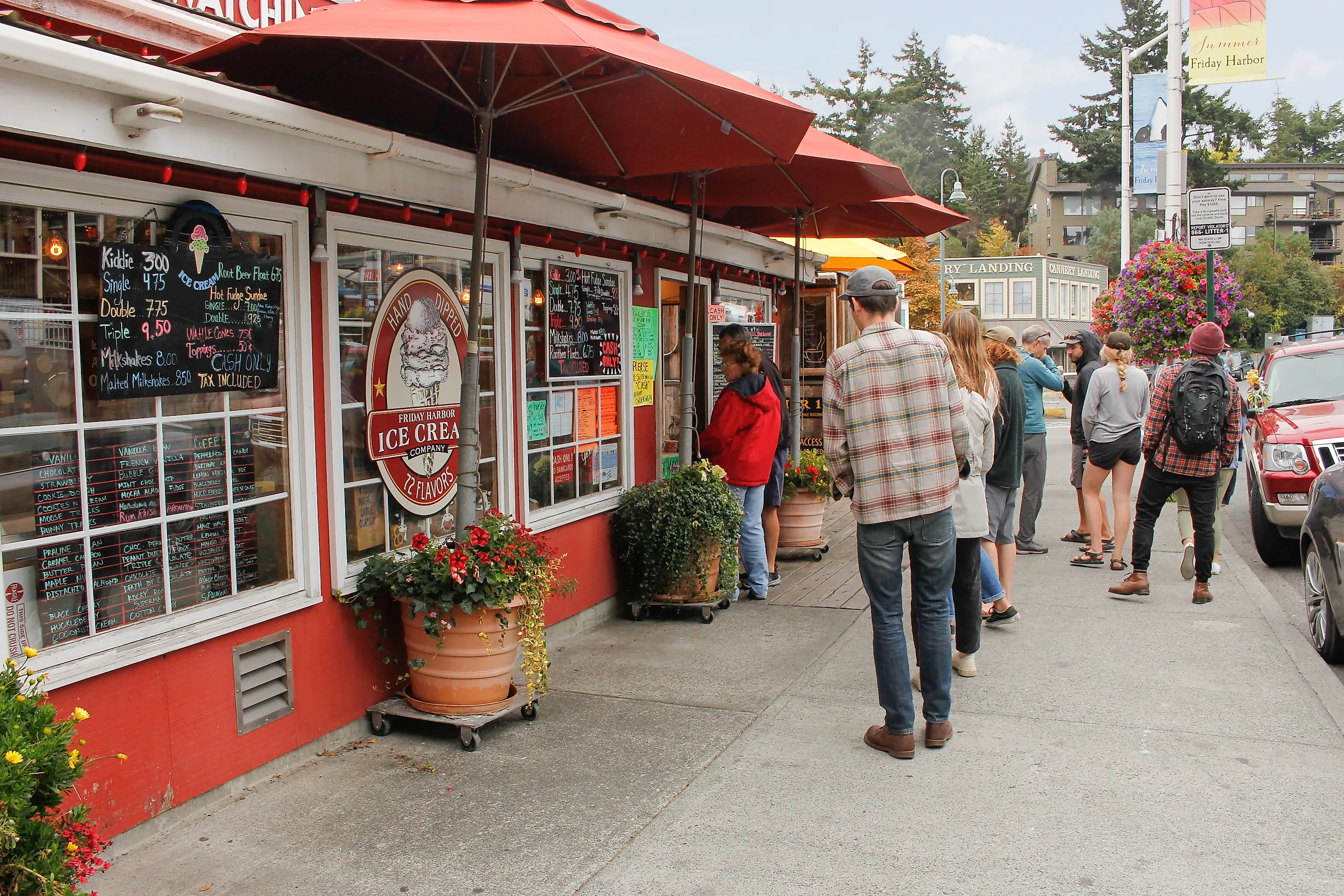
Friday Harbor, Washington

Friday Harbor, with a population of about 2,600 according to the 2020 United States Census, is one of the most photogenic towns in the San Juan Islands, with marinas, seaplanes, and scenic waterfront views. It sits on San Juan Island, about 100 miles north of Seattle, and is accessible by ferry from Anacortes or by seaplane. Visitors can spend hours wandering the compact harbor district, where independent cafés, bookstores, and galleries overlook calm island waters. The town’s relaxed rhythm makes it ideal for slow travel.
A highlight is the Whale Museum, which offers immersive exhibits on orcas and the region’s marine ecology. It is a perfect starting point before joining a whale‑watching tour, where sightings of orcas, humpbacks, and porpoises are common in season. Another essential stop is San Juan Island National Historical Park, where grassy bluffs and coastal trails provide sweeping views toward the Olympic Mountains.
The Friday Harbor Marina at sunset — masts silhouetted against pastel skies — captures the town’s serene island identity. The San Juan Islands Museum of Art currently displays Lauren Boilini's "Celestial Navigation," Janis Miltenberger's "Productive Uncertainty," and Dan Brown's "Iron and Wood: Sculptures of the Northwest."
Port Townsend, Washington

Port Townsend, with a population of 10,580, is a Victorian seaport with an unusually rich architectural heritage, ornate 19th‑century buildings, and maritime scenery. It is located on the northeastern tip of the Olympic Peninsula, about 60 miles northwest of Seattle by ferry through Bainbridge Island or roughly 110 miles by car via Tacoma and the Hood Canal Bridge. Its historic downtown is filled with brick storefronts, quirky boutiques, and waterfront promenades that feel unchanged for decades.
One of the town’s signature experiences is exploring Fort Worden State Park, a former military base-turned-arts campus with beaches, bunkers, and forested trails. The Port Townsend Farmers Market brings the community together with local produce, crafts, and live music, creating a lively but unhurried weekend atmosphere. The Northwest Maritime Center is where wooden‑boat culture thrives, and if you time your visit right, the Wooden Boat Festival fills the harbor with handcrafted vessels.
Cannon Beach, Oregon

Cannon Beach, with a population of about 1,700, is one of the most photographed towns in the Pacific Northwest, thanks to its dramatic coastline and the iconic Haystack Rock rising from the surf. It is about 90 minutes away from Portland. A must‑do is walking the wide, sandy beach at low tide to explore the tidepools around Haystack Rock, where starfish, anemones, and seabirds thrive. The town’s compact center is filled with art galleries, many featuring local coastal artists whose work reflects the region’s moody beauty.
Nearby Ecola State Park offers cliffside trails and cinematic viewpoints. End the day with a slow stroll through the quiet residential lanes, where cedar‑shingled cottages glow warmly in the evening light. History buffs can visit the Cannon Beach History Center and Museum, while art aficionados can choose from one of the local galleries. (According to the Cannon Beach Chamber of Commerce, the town has been recognized as one of “America’s 100 Best Art Towns” by author John Villani.) Finally, there are many festivals, including the Stormy Weather Arts Festival or Spring Unveiling Arts Festival.
Gig Harbor, Washington

Gig Harbor with a population of about 12,500, is a postcard‑perfect maritime town with a sheltered harbor full of sailboats and a dramatic backdrop of Mount Rainier. Just across the Tacoma Narrows Bridge from Tacoma, Gig Harbor sits on the mainland shoreline of a sheltered harbor, offering easy access to the water. Visitors can start with a walk along the Harborview waterfront, where cafés, galleries, and marinas line the calm water. The Harbor History Museum offers a surprisingly rich look at the region’s boat‑building and Indigenous heritage.
Visitors can paddle the harbor by kayak, drifting past fishing boats and quiet coves. Narrows Park is a 34-acre park that overlooks the Narrows Bridge and includes many amenities, such as picnic shelters and boat launches. Head to Skansie Brothers Park, where the view of the harbor at golden hour is one of the most peaceful in the Pacific Northwest. Enjoy the annual Easter egg hunt or the Fool's Run in April.
Poulsbo, Washington

With a population approaching 13,000, Poulsbo, known as “Little Norway,” is famous for its waterfront, Nordic‑inspired architecture, and mountain backdrop photography. By car, Poulsbo is about a 90-minute drive from Tacoma, crossing the Tacoma Narrows Bridge and passing near Gig Harbor and Port Orchard. Alternatively, Poulsbo can be reached from Seattle by taking the Bainbridge Island or Kingston ferry, followed by a short drive of about 20 minutes to 30 minutes to the town. A visit begins in Historic Downtown Poulsbo, where Scandinavian bakeries, including Nordic Coffee, gift shops, such as Antiques in Poulsbo, and murals create a cozy, storybook atmosphere.
The Poulsbo Marina is perfect for a slow walk among bobbing boats and views across Liberty Bay. History fans can explore the Poulsbo Heritage Museum, which tells the story of Norwegian settlers who shaped the town’s identity. Nearby Fish Park offers peaceful boardwalks through wetlands filled with birds and quiet forest edges. Tourists can enjoy Cherry Blossom Painting, the Farmer's Market, and a photo op with the Easter bunny at Poulsbo Candy Shop.
Astoria, Oregon

Astoria is a coastal gem with steep hills, Victorian homes, and misty river views that make it a favorite among photographers. The Astoria Column provides a panoramic view of the Columbia River, the Pacific Ocean, and the town’s dramatic grid of streets. Down by the water, the Astoria Riverwalk offers a leisurely stroll past sea lions, old canneries, and the historic trolley line.
Film buffs can visit the Oregon Film Museum, celebrating Astoria’s role in movies like "The Goonies"; the town celebrated the film's 40th anniversary in 2025 with film screenings, treasure hunts and a costume contest. The Columbia River Maritime Museum offers immersive exhibits on shipwrecks, storms, and the legendary “Graveyard of the Pacific,” where approximately 2,000 vessels — including more than 200 large ships — are estimated to have wrecked at the Columbia River Bar since the late 18th century due to dangerous currents, shifting sands, and fierce weather conditions.
Hood River, Oregon

Hood River, located 62 miles west of Portland, is a Columbia River Gorge town known for its orchards, vineyards, and windsurfing culture. A top experience is exploring the Fruit Loop, a scenic drive through orchards, cideries, and farm stands offering cherries, pears, and fresh‑pressed juices. The Waterfront Park is a laid‑back place to watch kiteboarders skim across the river while you relax on the grassy shoreline. In town, the historic district offers breweries, boutiques, and cafés with views of Mount Hood. For hikers, the nearby Mosier Plateau Trail provides wildflowers and sweeping gorge vistas without the crowds.
Snoqualmie, Washington

With a population of 14,550, Snoqualmie is famous for its lush forests, mountain backdrop, and the iconic Snoqualmie Falls, one of the most photographed waterfalls in the region. Located about 28 miles east of Seattle, it makes for an easy day trip from the big city. It is just 218 miles east of Seattle. The star attraction is Snoqualmie Falls, where a short trail leads to a roaring 268‑foot cascade framed by evergreen cliffs. Snoqualmie has more than 540 acres of open space, 35 miles of public trails, and owns 12,000 acres of forested open spaces.
The Northwest Railway Museum offers vintage train rides through the valley, creating a nostalgic, slow‑paced experience. Downtown Snoqualmie has a collection of cafés and shops, perfect for a relaxed afternoon, including the Black Dog Arts Cafe, Books and Bottles, and the Healing Garden. For outdoor time, the Snoqualmie Valley Trail provides miles of gentle walking and cycling through farmland and forest.
Brookings, Oregon

Brookings sits on the rugged southern Oregon coast, where dramatic cliffs and turquoise coves make it a favorite among tourists. Visitors can explore Harris Beach State Park, known for its sea stacks, tide pools, and sweeping ocean views. The Azalea Park gardens bloom with rare azalea varieties and host seasonal concerts in a peaceful, forested setting.
The Samuel H. Boardman Scenic Corridor offers some of the most breathtaking coastal overlooks in the Pacific Northwest. The town’s quiet harbor area provides a gentle place to end the day with seafood and sunset views. The Salmon Run Golf Course is located behind the coastal mountains about 3.5 miles from downtown Brookings. The course has four sets of tees, with some courses over 6,000 yards.
La Conner, Washington

La Conner, with a population of about 1,000, is a tiny waterfront town along the Swinomish Channel, famous for its colorful boardwalk, heritage buildings, and postcard‑ready scenery. It is located 66 miles north of Seattle. Its compact downtown is lined with boutiques, cafés, including Erth, and galleries, such as the La Conner Artists' Gallery, housed in restored 19th‑century structures, giving the whole place a warm, timeless feel. The channel itself is a constant source of beauty — fishing boats drift by, reflections shimmer on the water, and the iconic Rainbow Bridge, Washington, not to be confused with the Rainbow Bridge in Niagara Falls, arches gracefully overhead.
One of La Conner’s standout experiences is visiting the Museum of Northwest Art, which showcases contemporary works inspired by the region’s landscapes and Indigenous traditions. Just a short drive away, the Skagit Valley tulip fields burst into color each spring, drawing photographers from around the world to capture endless rows of red, yellow, and purple blooms. The Gaches Mansion, home to the Pacific Northwest Quilt & Fiber Arts Museum, offers a quieter but equally charming experience, with intricate textile exhibits displayed inside a beautifully preserved Victorian home. For a peaceful end to the day, stroll the Swinomish Channel Boardwalk, where golden‑hour light turns the water and buildings into a painterly scene.
Relax in the Pacific Northwest
What makes these Pacific Northwest towns in Washington and Oregon so memorable is not only its dramatic landscapes but the small towns that sit quietly within them. In Port Townsend, ornate Victorian buildings and waterfront promenades preserve the feeling of an old maritime port, while Gig Harbor’s sheltered marina fills with sailboats beneath distant views of Mount Rainier. Farther east along the Columbia River Gorge, Hood River offers orchard drives along the famous Fruit Loop and breezy afternoons watching kiteboarders skim across the water.
Elsewhere, nature continues to take center stage. Snoqualmie draws visitors to the thundering cascade of Snoqualmie Falls, while Brookings reveals the rugged beauty of the southern Oregon coast with sea stacks, turquoise coves, and scenic drives through the Samuel H. Boardman corridor. Together, these towns show that the Pacific Northwest’s most memorable places bind the region together with a vibe that feels both peaceful and timeless.