7 Snake Infested State Parks In Maryland
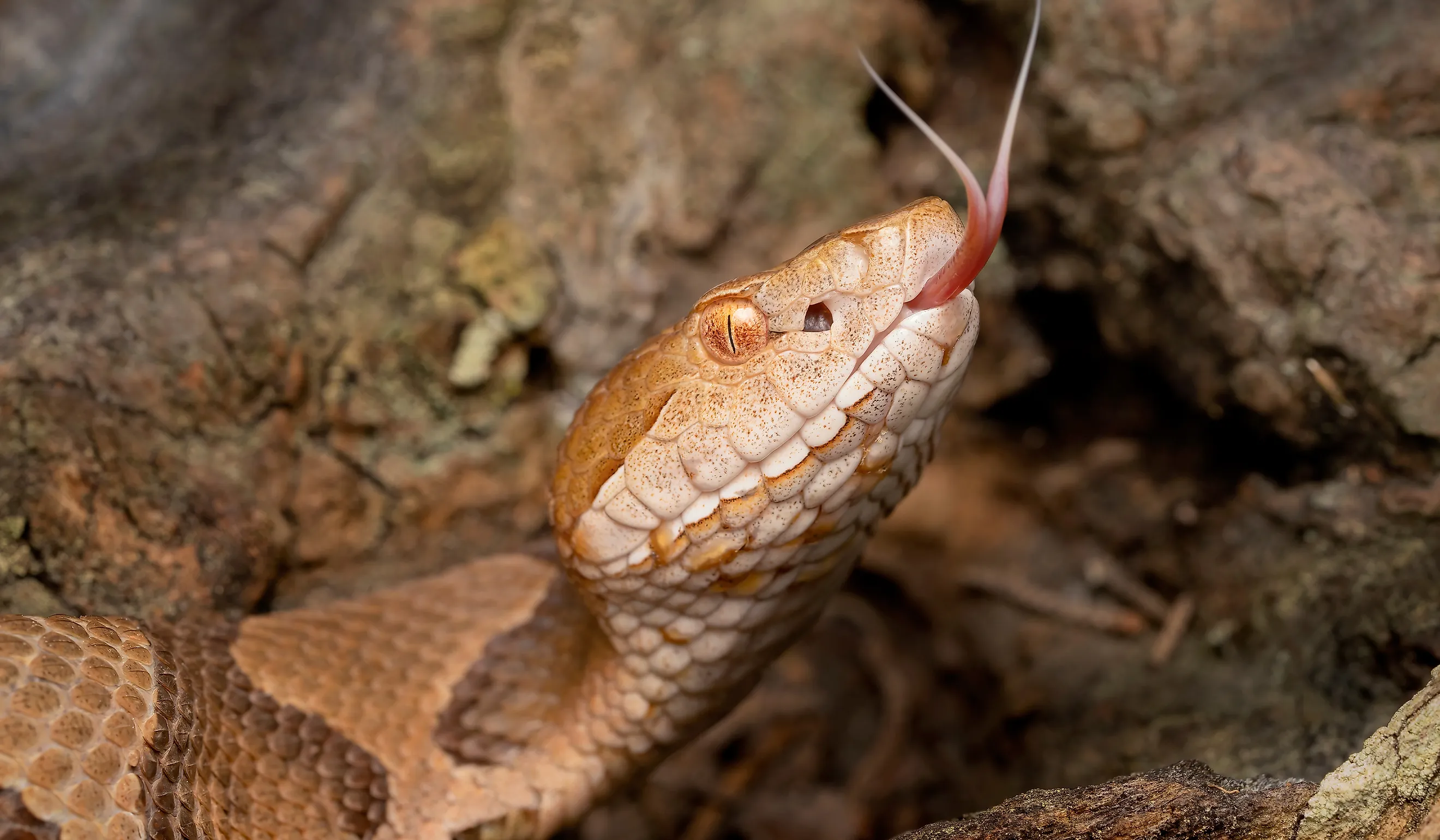
Maryland has 27 snake species, and only two are medically significant: the eastern copperhead and the timber rattlesnake. The rest are nonvenomous and help keep the ecosystem balanced by controlling rodents. Snakes are active from spring to fall, especially on warm days.
Many people confuse harmless species with venomous ones, which leads to fear or unsafe reactions. Knowing basic identification helps. Copperheads have an hourglass pattern. Timber rattlesnakes have a rattle and raised, rough scales. Maryland does not have cottonmouths, so water snakes seen along lakes and rivers are almost always nonvenomous.
If you see a snake, stay calm, keep your distance, and let it move away. Stay on marked trails, wear closed shoes, and keep pets close. In an emergency, contact park staff or local medical services. This article is based on Maryland DNR field guides, park pages, maps, wildlife rescues, and recent news reports.
Note: Under the Nongame and Endangered Species Conservation Act, killing a native snake in Maryland is illegal.
Susquehanna State Park

Susquehanna State Park sits along the Susquehanna River in northern Maryland and spans over 2,700 acres. The area was first used by Native American communities, and Europeans arrived in the 1600s for fishing and trade. The park was officially formed in 1960 to protect the river gorge, old mills, and the Rock Run Historic Area. The Steppingstone Farm Museum also preserves farm life from the 1800s.

The park’s riverbanks, rocky ledges, and forests create good habitat for snakes. Copperheads live in rocky bluffs and are sometimes seen near trails. Northern water snakes are common along the river, while garter snakes and brown snakes hide in grassy or wooded spots. Sightings increase during warm spring and summer days.
Visitors often explore the River Trail, picnic by the water, launch boats, or camp in shaded areas. Staying on marked paths, watching your step, and keeping pets close help avoid snake encounters.
Cunningham Falls State Park

Cunningham Falls State Park sits in the Catoctin Mountains and covers more than 6,000 acres. The land was once logged in the 1800s, and the Civilian Conservation Corps built early trails in the 1930s. The park took shape in 1954 after federal land transfers. Its main highlight is Cunningham Falls, a 78-foot cascade reached by a short boardwalk trail. Hunting Creek Lake is another popular spot for swimming and boating.

The park has rocky slopes, hardwood forests, and boulder fields. These areas support eastern copperheads and timber rattlesnakes, both documented by the Maryland Department of Natural Resources. Nonvenomous snakes like rat snakes, black racers, water snakes, and garter snakes are also common. Copperheads often rest in sunny rock gaps, so hikers should watch where they step.
Good places to explore include Cliff Trail, Bob’s Hill, and Cat Rock. Wear sturdy shoes, avoid lifting rocks, and give wildlife space.
Greenbrier State Park

Greenbrier State Park in Washington County is a lake-focused park near Boonsboro. It centers around a 42-acre man-made lake and is part of the larger South Mountain area. The park opened in 1963 and sits close to the 1862 Battle of South Mountain site. Its shoreline, picnic spots, forested slopes, and rocky hollows create habitats for many snakes.

You might find northern watersnakes swimming near the lake, black rat snakes moving through wooded areas, and copperheads in rocky sections of the South Mountain region. You may also see garter snakes or hognose snakes in open, sandy patches.
Good places for sightings include the lake edge, wooded trails, and rocky outcrops on the mountain slopes. Visitors can swim at the sandy beach, hike Bartman’s Hill Trail, fish for trout or bass, or camp in pet-friendly loops. Staying on marked paths and watching your step keeps encounters safe and rare.
Rocks State Park

Rock State Park in Harford County is an 855-acre park known for tall rock formations, forested trails, and the King and Queen Seat overlook. Native Americans used this area for centuries, and European settlers arrived in the 1700s. The state purchased the land in 1949 to conserve and protect the Deer Creek gorge.
The park has rocky outcrops, talus slopes, and mixed hardwood forests that create good snake habitats. Copperheads live in Harford County and often use warm rock slabs and crevices near the King and Queen Seat. Black rat snakes, garter snakes, brown snakes, and water snakes are also common in the area.
Popular spots include Kilgore Falls, the White Trail Loop, and the creek area for tubing or fishing. Stay alert when walking on rocks, avoid putting your hands into gaps, and take photos from a safe distance.
Seneca Creek State Park

Seneca Creek State Park in Montgomery County covers about 6,300 acres along Seneca Creek and includes Clopper Lake, meadows, wetlands, and wooded ridges. The area has a long history, including the old Clopper Mill from the 1700s. The land became a public park in the mid twentieth century and later expanded to include more of the creek corridor. Today, it is known for hiking, biking, and boating.

The park is home to both venomous and nonvenomous snakes. Copperheads are the main venomous species and are sometimes seen near rocky edges, hollow logs, and creekside trails. Other common snake species you may find include northern water snakes, which live along the lake and creek, and garter snakes and rat snakes that appear in open fields and forest edges.
Common spots for sightings include the Clopper Lake shore, Seneca Ridge Trail, and any sunny patch near the creek. Staying on clear paths, wearing boots, and keeping pets leashed helps reduce surprise encounters.
Gambrill State Park

Gambrill State Park sits on the Catoctin Mountain ridge in Frederick County and dates back to the 1930s, when the Civilian Conservation Corps built stone overlooks and trails. The exposed rocks in this area are about 550 million years old, which creates the rocky slopes that snakes use for shelter and warmth.
Timber rattlesnakes have been documented in the park, and black rat snakes are common in the woods. These snakes often rest near rock piles, sunny ledges, and leaf litter along the trails.

The park is known for its views of the Frederick and Middletown valleys. You can hike to three overlooks, walk quiet forest paths, or visit the Tea Room lodge. There is also a small fishing pond stocked with bass where you can spend a calm afternoon. Picnic areas sit under tall trees, which makes them good spots for a slow, peaceful break.
Patapsco Valley State Park

Patapsco Valley State Park is the oldest state park in Maryland. It was established in 1907 and covers more than 16,000 acres in Howard and Baltimore Counties. The park has a long history tied to mills along the Patapsco River and to the major flood of 1837. The Thomas Viaduct from 1835 is one of the most important landmarks.
The park is known for snakes because the river, rocky slopes, and wooded hills create good habitats. Copperheads live in the region, along with ring-necked snakes, common watersnakes, and black rat snakes. Visitors often see snakes near sunny rocks or close to the water.
You can hike to the remnants of the Bloede Dam ruins, bike the Grist Mill Trail, fish along the river, or enjoy a picnic near the swings area. The park is also home to deer, hawks, owls, and many songbirds, which adds to the quiet, natural setting.
Maryland’s state parks are rich in history and full of wildlife, which includes many snake species that live quietly in forests, riverbanks, and rocky slopes. Most snakes are nonvenomous and avoid people, but copperheads and timber rattlesnakes do live in several parks. Knowing where they hide and how to behave on trails helps keep visits safe.
Sightings usually happen on warm days when snakes rest on sunny ground or near stones. Staying alert, watching your step, keeping pets close, and giving snakes space is enough for a calm visit. These parks remain great places for hiking, history, and quiet nature time, as long as visitors follow simple safety habits and respect wildlife.