7 Snake Infested State Parks In Alabama
Alabama is a study in ecological variety, where coastal marsh and longleaf pine flatwood meet the upland ridges of the southern Appalachians. Many of the state’s parks present a wide range of habitats that appeal to birders, anglers, hikers, and people who want to study reptiles in their natural settings. Travelers will find salt-scented wetlands and freshwater lakes alongside granite outcrops, expansive river corridors, and cavern interiors carved over millennia.
The parks below include both coastal and inland environments, so the mix of snake species changes from the Gulf shoreline to Lookout Mountain and the Tennessee River valley. For those planning field trips or family outings, the following guide pairs natural features and access notes with practical safety reminders, helping ensure that encounters remain rare, educational, and non-confrontational.
Oak Mountain State Park

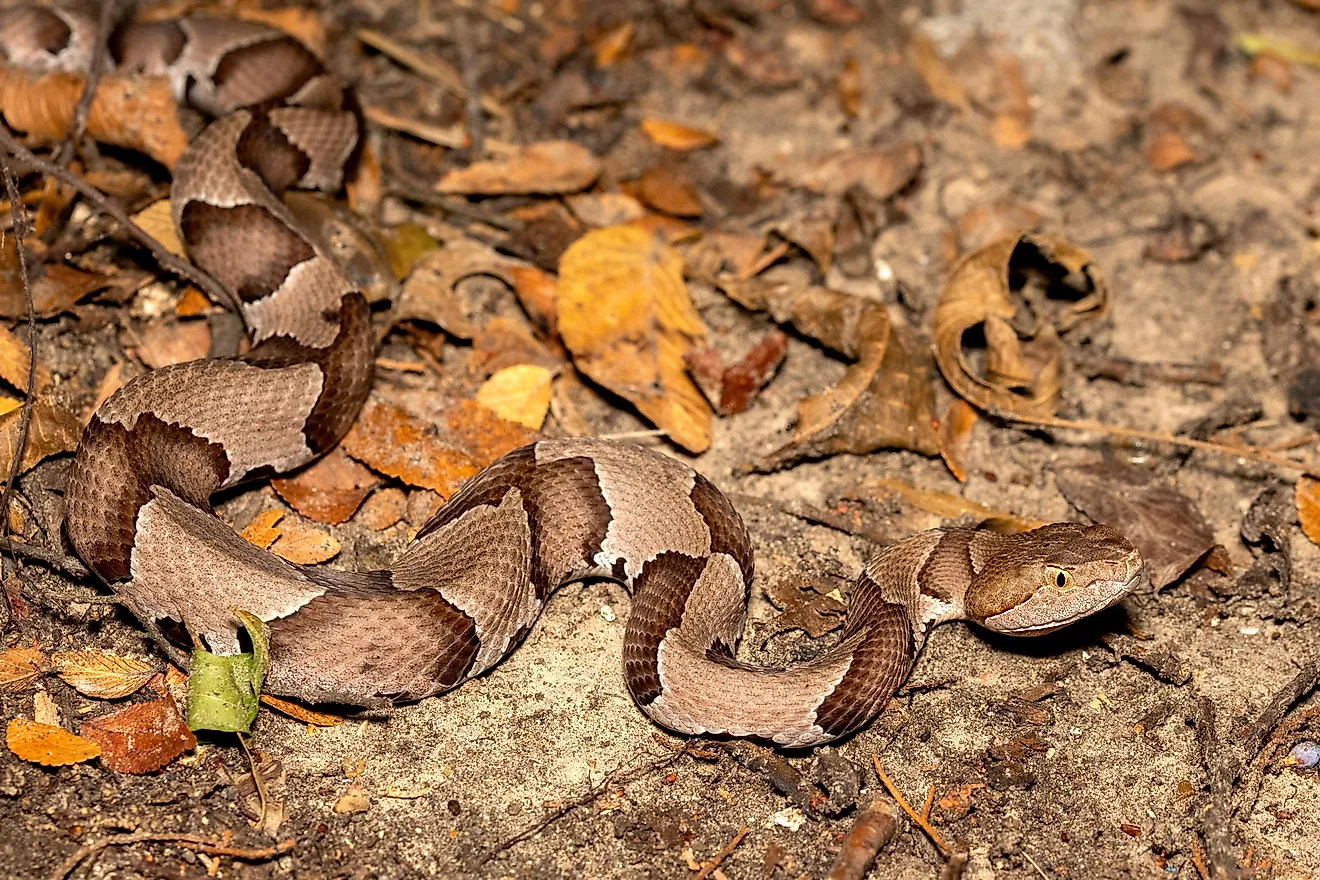
Oak Mountain State Park sprawls across ridge and valley around Double Oak Mountain, offering miles of trails, lakes, and rocky overlooks that attract large numbers of day visitors and experienced outdoor enthusiasts. Hiking routes climb to ridgeline lookouts such as King’s Chair Overlook, and the park also features accessible boardwalks and a waterfall known as Peavine Falls, which ends in a shaded plunge pool after a steep hike. The park’s upland oak-hickory forests and mixed pine stands create suitable habitat for snakes that prefer rocky, wooded terrain, such as copperheads, while the park’s six lakes and intermittent wetlands draw species more comfortable near water.

Visitors who remain on marked trails and keep dogs on leash rarely have problematic encounters. Park staff emphasize education about snakes, and signage often explains how to distinguish venomous species from nonvenomous snakes. Campers and anglers will find multiple put-in points, boat ramps, and a range of trail difficulties that make the park suitable for families and experienced hikers alike.
Gulf State Park

At the southern edge of Alabama, Gulf State Park protects a complex of coastal wetlands, maritime forest, freshwater lakes, and the Gulf of Mexico shoreline. Boardwalks and the Hugh S. Branyon Backcountry Trail system pass through salty marsh, palmetto understory, and upland pine, allowing observation of marine birds, marsh mammals, and reptile life without disturbing sensitive zones. Freshwater bodies within the park, especially Lake Shelby, are places where water-adapted snakes such as cottonmouths may appear along the margins, while drier hammocks and pine flatwoods support copperheads and other upland species.

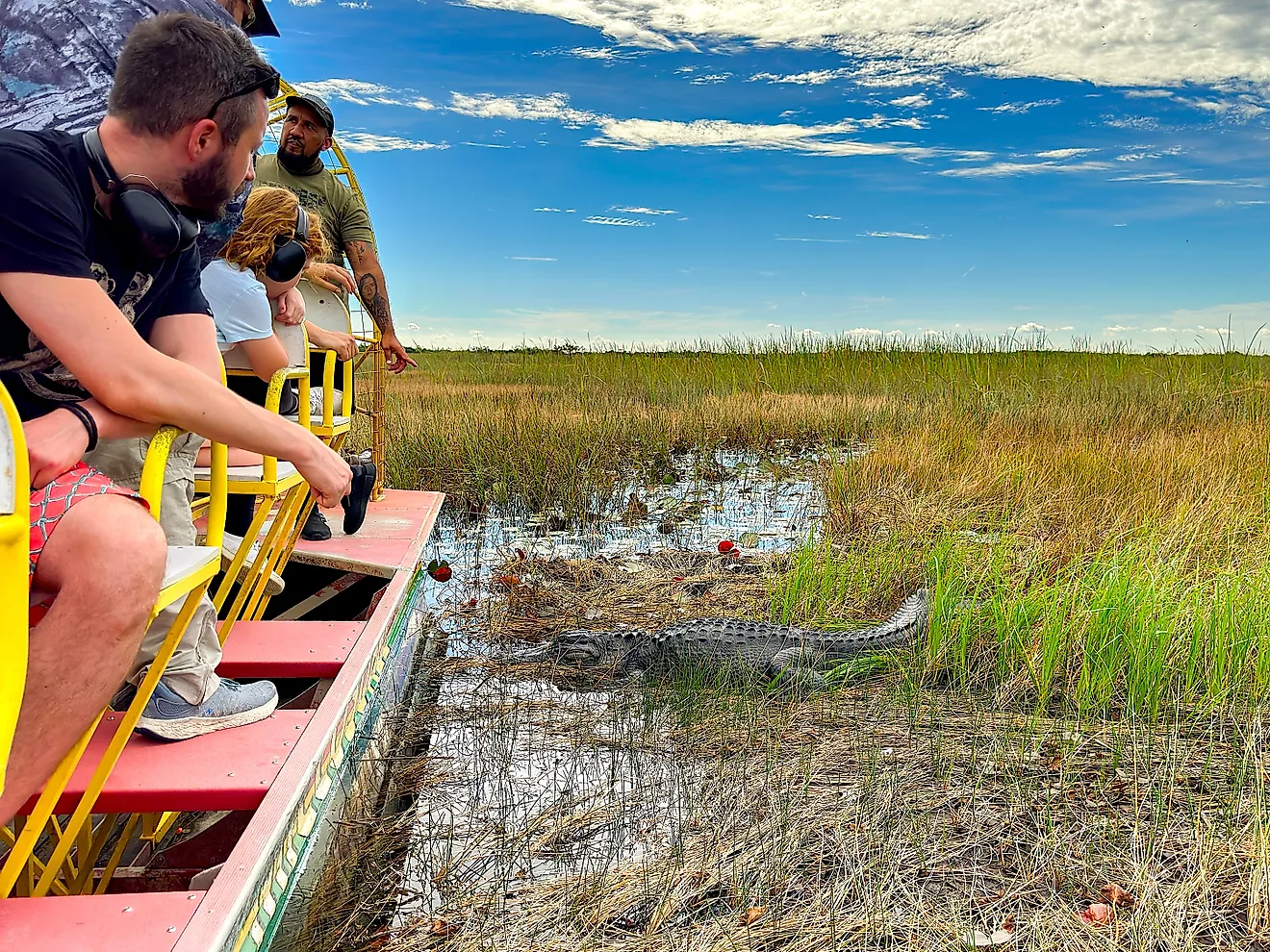
Coastal visitors should be aware that alligators also inhabit the park’s lakes and marsh channels, so pets and small children require close supervision near the water’s edge. A mix of paved, ADA-accessible trails and softer footpaths allows visitors of varying mobility to experience marsh overlooks, lakeside piers, and dune-edge habitat. Interpretive programs at the nature center and posted guidance on wildlife interactions help visitors observe snakes from safe distances and report close encounters when needed.
Cheaha State Park

Cheaha State Park crowns Alabama as the state's highest point on Cheaha Mountain, where panoramic overlooks, such as Bunker Tower and the rock outcrops near Pulpit Rock, provide sweeping views over the Talladega National Forest. Rocky quartzite ledges, shallow soils, and mixed hardwood canopy form upland snake habitat favored by species that tolerate cooler slopes and broken ground. The park supports fauna adapted to ridge-top conditions, and copperheads find suitable cover under boulder piles and in leaf litter around exposed outcrops.

Trails that descend to Cheaha Lake and follow the Rock Garden introduce layered habitat changes from summit ridge to lakeside lowland, where snake assemblages shift with moisture and temperature. The park offers interpretive materials about native wildlife and encourages visitors to watch the trail and wear sturdy boots on rocky routes. Because some trails gain or lose significant elevation, hikers should plan for changeable microclimates that influence reptile activity and visibility.
DeSoto State Park

DeSoto State Park sits atop Lookout Mountain and is known for its waterfalls and rugged canyons. Trails lead to sites such as DeSoto Falls and the Little River corridor, where shaded gorge floors meet steep, rocky walls. The park’s combination of moist canyon microhabitats and drier ridge tops creates a close juxtaposition of species, so a half-day hike can move visitors through zones favored by water-tolerant snakes and those preferred by upland vipers. Copperheads are often reported on rocky trail edges and near logpiles, while timber rattlesnakes have used cooler, forested slopes for denning where suitable rock outcrops and talus provide refuge.

The Little River, which carves the nearby canyon, forms a greenbelt that supports amphibians and fish, drawing predators that include water-associated snakes. Because of the park’s gradient and many streams, visitors are advised to keep dogs on leash near creek crossings and remain mindful when stepping onto damp rock or leaf litter, both of which can conceal resting snakes. Park information emphasizes that most snakes are not aggressive and that avoidance and observation are the best responses to a sighting.
Lake Guntersville State Park

Lake Guntersville State Park overlooks the broad Tennessee River impoundment and combines marina facilities, shoreline trails, and upland hardwoods. The park’s edge habitats, rocky bluffs, shoreline reedbeds, and forested slopes support a full complement of riverine and upland species. Cottonmouths, which prefer wetland margins and backwater sloughs, are locally common in vegetated shallows and along marina channels, while denser forests above the lake provide cover for copperheads and occasional timber rattlesnakes.

Anglers and kayakers who explore backwater coves often see the ecological connections between water and land that shape snake distributions. Where frogs and fish are abundant, water-associated snakes may forage, and where small mammals concentrate on upland benches, ambush predators such as copperheads may hunt. The park offers educational programming about safe wildlife viewing, and boat users are reminded to avoid spilling bait or leaving fish carcasses on docks, which can attract wildlife and increase the likelihood of close encounters. The park’s resort center and marina provide convenient staging for excursions into the Tennessee River corridor.
Cathedral Caverns State Park

The subterranean chambers of Cathedral Caverns State Park present a different kind of habitat, where the large stalagmite known as Goliath draws visitors to view flowstone, draperies, and vaulted rooms. A wide, naturally lit entrance makes the cave accessible to guided tours, which explain karst processes and the cave ecosystem. While few snakes live deep within the cave’s stable, cool atmosphere, the park’s surface woodlands, sinkholes, and creekside edges support reptiles common to northern Alabama. The cave entrance and nearby shaded trails provide conditions for nonvenomous snakes that forage along the forest floor, and nearby streams and marshy pockets can attract water-adapted species.

Park staff emphasize that cave tours occur in a consistently cool environment where human impact should be minimized to protect fragile formations and resident wildlife. Aboveground visitors should remain alert on shaded footpaths and in leaf litter, where snakes may rest or hunt, especially during warmer months when they are most active.
Lakepoint State Park

Lakepoint State Park rests along the shores of Lake Eufaula, a large reservoir where shoreline marsh, shallow coves, and sandy banks form a mosaic of aquatic and semi-aquatic habitats. The park’s marinas, campgrounds, and day-use areas border vegetated marsh edges where cottonmouths and other aquatic species find amphibian and fish prey. Upland patches of pine and mixed hardwood on nearby ridges can host copperheads and small den sites. Anglers at the docks and families on the beaches are advised to follow predictable paths when walking after dusk, avoid tall shoreline grass, and keep pets on a short leash near the water.

Lakepoint’s combination of recreational infrastructure and natural wetland offers easy access for wildlife-study outings, and park information stewards encourage respectful observation and use of interpretive programs for a safer and more informative experience. Seasonal bird migration and abundant aquatic life make the park a strong stop for naturalists interested in how snake populations tie into broader wetland food webs.
Respect the Habitat, Enjoy the View
Alabama’s state parks offer clear examples of how habitat shapes reptile communities. Coastal wetlands, freshwater lakes, and upland ridges each support characteristic snake assemblages, including copperheads, cottonmouths, and timber rattlesnakes, where natural den sites, water, and prey converge. Most encounters remain uneventful when visitors follow standard safety guidance, including staying on marked trails, keeping dogs on a leash, and giving reptiles adequate space. Visitors are also encouraged to contact park staff if a snake appears in an area where it could pose a risk to people or pets. With careful behavior, these parks allow for wildlife observation, photography, and study while preserving the ecosystems that support snakes and the broader plant and animal communities around them.