6 Most Rattlesnake Infested Areas in Florida
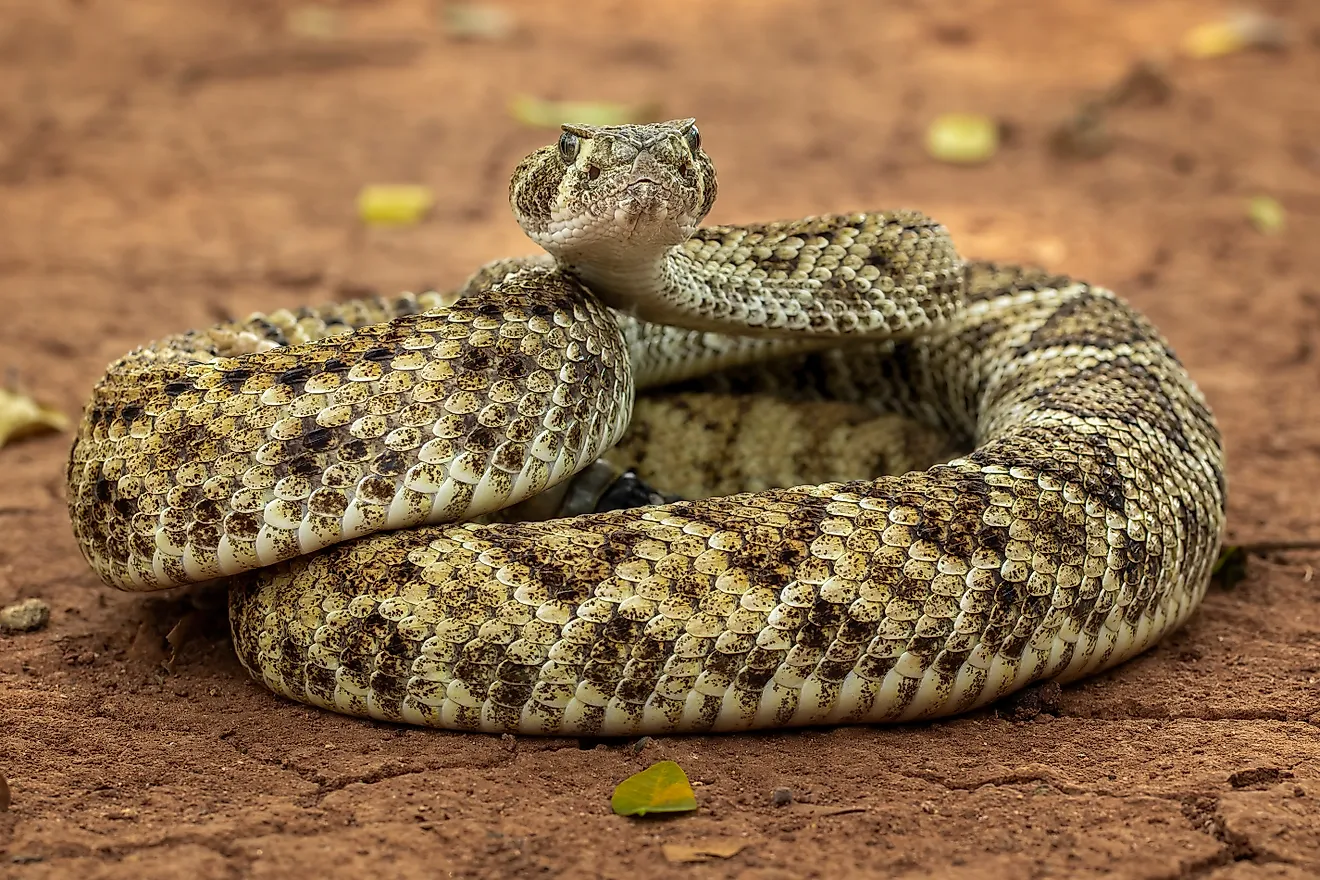
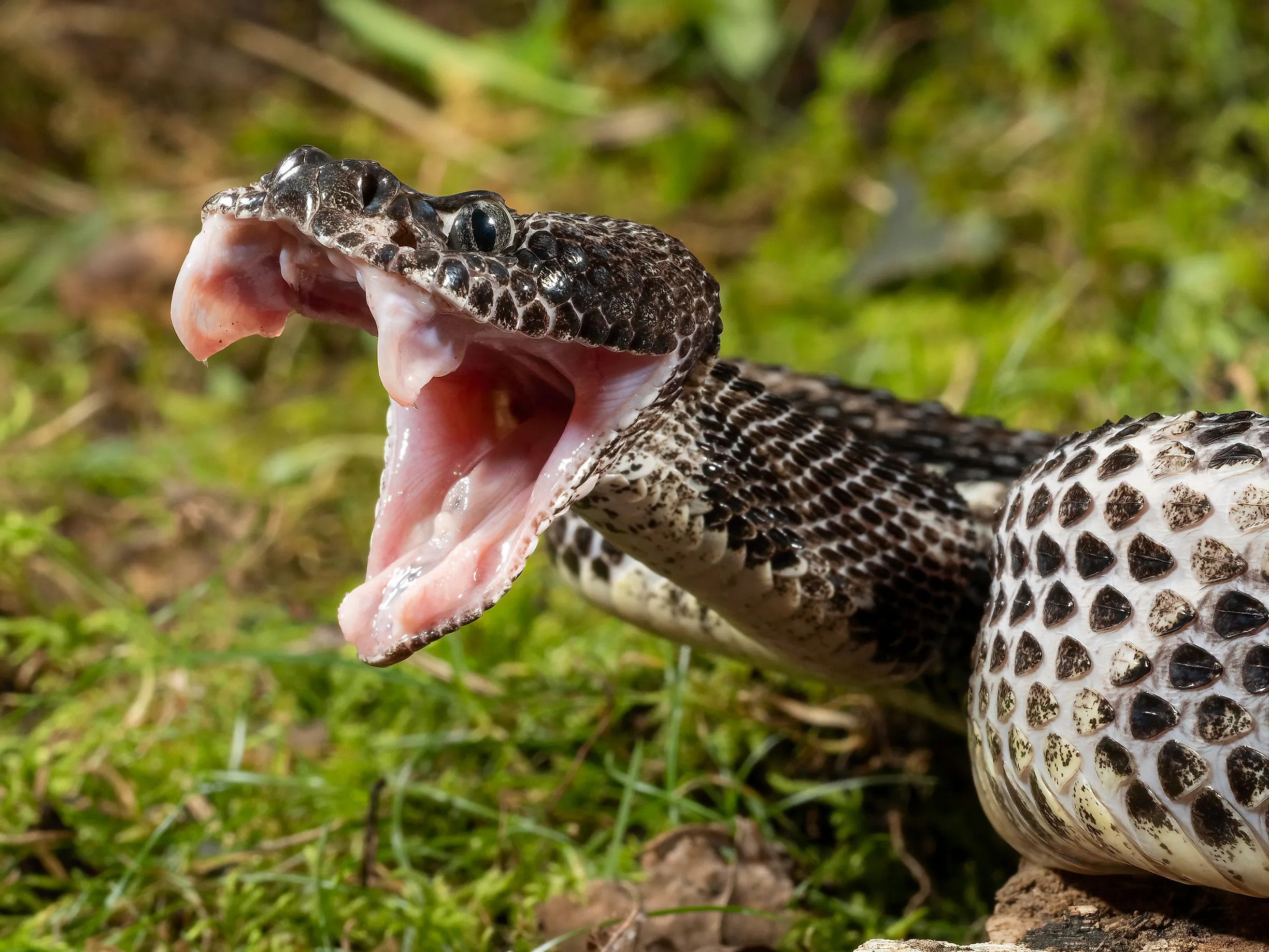
Florida’s environment is one of the richest among all 50 states, with more than 700 native vertebrate species and a level of biodiversity few states can match. Palm trees, swamps, and subtropical wilderness create the perfect backdrop for iconic wildlife like alligators and Florida panthers. They also support a surprising variety of venomous snakes, including three native rattlesnake species, the eastern diamondback, the timber rattlesnake, and the pygmy rattlesnake.
The timber rattlesnake reaches only into northern Florida, while the pygmy and eastern diamondback occur across much of the state. All three are pit vipers that often rely on camouflage and an ambush strategy, striking quickly when prey comes within range. Their venom helps them subdue animals they eat, but it can also seriously harm humans in the rare event of a bite.
Rattlesnake bites are uncommon. Across the United States, only about 7,000 to 8,000 venomous snakebites are reported each year. Copperheads account for many of those cases, but rattlesnakes can deliver larger venom doses, which can make their bites more severe.
If you are exploring Florida’s wild places, it pays to know the hotspots. The Everglades, river corridors, swamps, and similar habitats are where hikers, paddlers, and campers are most likely to encounter rattlesnakes. Read on to learn about six Florida areas where rattlesnake sightings are most frequently reported.
Suwannee River

Flowing across southern Georgia and across the Florida panhandle for 246 miles, the Suwannee River is a wild river. It flows slowly across swamps and wetlands, creating a rich ecosystem for wildlife, such as the endangered Suwannee alligator snapping turtle. There are multiple beautiful parks around the river, from the Suwannee River State Park to the Spirit of the Suwannee Music Park.
However, on the river bluffs and within the river itself, one can find all three of the rattlesnake subspecies in Florida. Eastern diamondback rattlesnakes' range extends across all of Florida, but they are fairly rare near the Suwannee River. Pygmy and timber rattlesnakes are both common sights. Pygmies hang out near the river bluffs, and timber rattlesnakes have been spotted on the Florida Trail running by the Suwannee River.
The pygmy rattlesnake is very small, at only 16 to 24 inches. They vary in behavior, with some not moving much in the presence of a human, while others are very aggressive and strike at humans. As they are so small, they are a threat to children who may try to pick them up. Their venom is hemorrhagic but has no known neurotoxins. They don't produce enough venom to kill a person, but it is still critical to seek medical attention if bitten, especially for young children.
Osceola National Forest

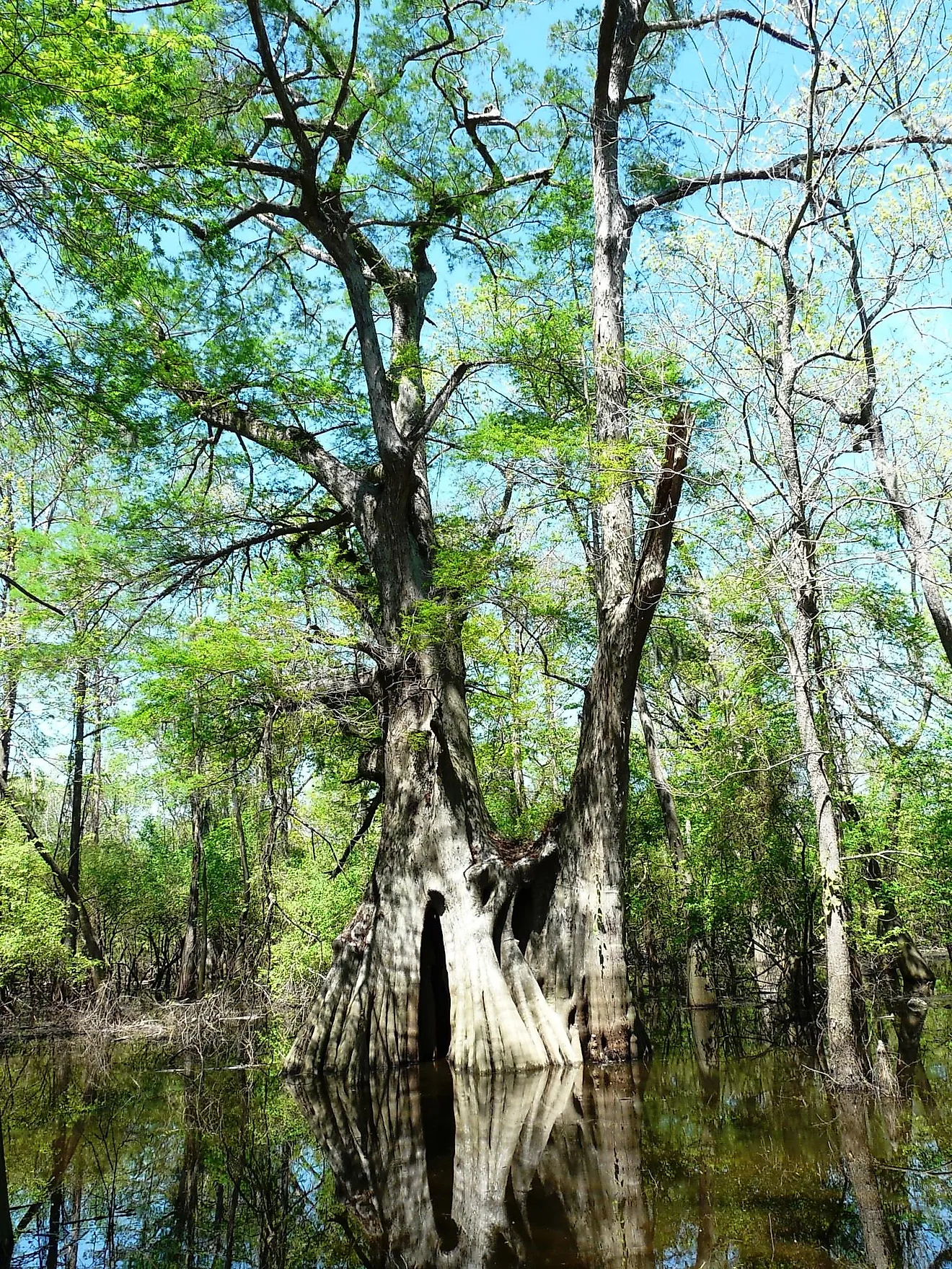
Located in the Florida panhandle, the Osceola National Forest is primarily flatwoods and cypress swamps. The park is part of the Florida National Scenic Trail, along with the Olustee Battlefield Trail and the Mt. Carrie Trail, winding through the pine forest. Bird watchers come to this trail to try to catch sight of red-cockaded woodpeckers. Horse riders often go to the Osceola Wildlife Management Area for its 50 miles of equestrian trails or to fish for sunshine bass at a lake.
However, you're likely to discover more than just fish and birds in the forest, as all three of the rattlesnakes in Florida can be found here, including the timber rattlesnake. Hikers have taken pictures of these snakes slithering along trails in the forest.
Timber rattlesnakes are usually between 36 to 60 inches long, with dark crossbands on a grey or brown body. Following the mating season, pregnant female timber rattlesnakes may bask in the sun out on trails. Some of them may even venture out in the winter to get a little sun in. These snakes tend to flee if approached by humans; however, they have long fangs at about an inch, and they have enough venom to kill a person if the bite is left untreated.
Death and bites from these snakes are rare, but if you are bitten, it's recommended to keep the wound at heart level and seek medical attention immediately. Do not attempt to suck out the venom or apply any tourniquets to the bite mark area.
Gulf Islands National Seashore

Nestled on the Gulf of Mexico (also called the Gulf of America), the Gulf Islands National Seashore is a highly visited area in Florida and Mississippi. There are 160 miles of beaches, barrier islands, and historic forts. One of the biggest is Fort Massachusetts, built off the shores of Mississippi, which was meant to protect the coastline but became a critical battlefield of the American Civil War.
Although most believe snakes can only be found inland, there is a wide variety of snakes that hide by the shoreline or swim through the waters. Although the Gulf Islands are outside of the range of timber rattlesnakes, you can find both pygmy rattlesnakes and the massive eastern diamondback rattlesnake here.
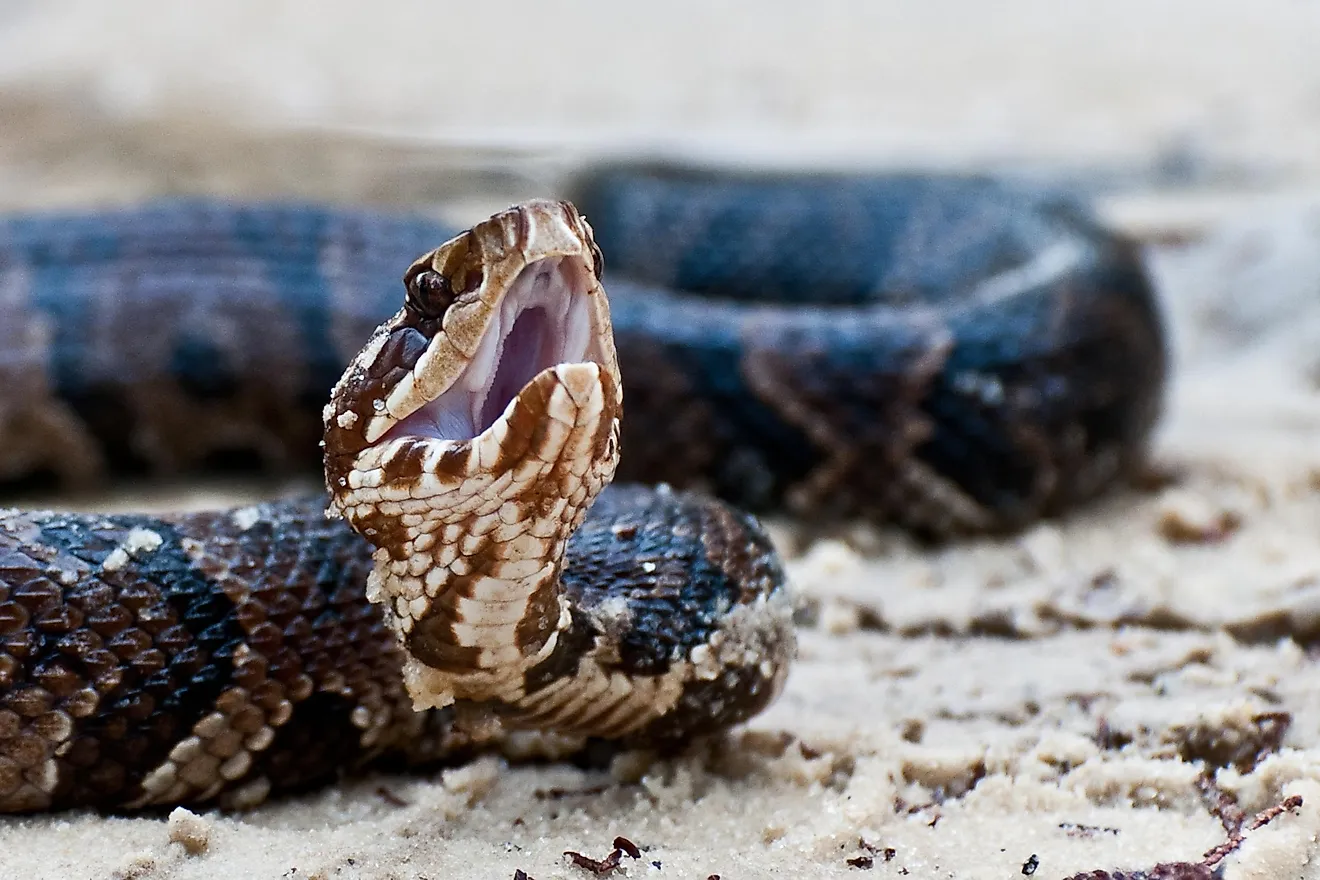
As the name implies, this snake is identifiable by its diamond-shaped scale pattern, which tends to be dark brown or black on a lighter colored body. The eastern diamondback rattlesnake is the largest rattlesnake species in North America by length and potential weight. While the smaller rattlesnakes have much quieter rattles, you'll be more likely to hear this huge snake's rattle when it's threatened. It's known for being a strong swimmer too, so it can easily cross the waters in the Gulf of Mexico.
Big Cypress National Preserve

The waters of the swamps of the Big Cypress National Preserve are a critical part of Florida's natural environment. This preserve spans more than 729,000 acres of swampland and features 8 campgrounds. Other than the many lakes and ponds to go fishing and boating at, the preserve is a designated International Dark Sky Place, meaning there are so few artificial lights that you can see the stars as our ancestors did before the invention of the lightbulb.
There are several trails throughout the preserve for wildlife viewing, especially at the H.P. Williams Roadside Park, which features alligators, egrets, herons, and turtles. Throughout the swamplands are many types of snakes, from the massive Burmese python to the venomous cottonmouth. Hikers have also reported encountering diamondback rattlesnakes here.
Although some might believe this rattlesnake would be aggressive due to its size and power, it's actually quite shy around humans. They only strike when threatened and are very likely to warn people first with their rattles. If you are bitten by them, their hemotoxin venom is potent enough to cause death. The bite can cause skin discoloration, swelling, bleeding, and severe pain. Their bites are also likely to leave fang marks as they are about 0.7 inches long.
Everglades National Park

Not far from the Big Cypress National Preserve is one of the most biodiverse spots in the U.S.: the Everglades National Park. It has 1.5 million acres of woodlands, wetlands, and marine landscapes.
Much like Big Cypress, the Everglades is an International Dark Sky Place and contains several unusual places. One of which is the Z tree, a dwarf cypress tree that's bent at an odd angle, closely resembling the letter Z in the English alphabet. The many ecosystems of the Everglades provide homes for several endangered animals, ranging from the American alligator to the Florida panther.
The pygmy rattlesnake and diamondback rattlesnake both prowl the marshes and woods of the Everglades. The pygmy can be very difficult to find, both because of their small size and their even smaller rattle, which is often not heard from very far away.
You're more likely to run into these rattlesnakes during the late summer or early fall when they come out for mating season. As the Everglades have many dangerous animals other than just rattlesnakes, you should exercise caution when visiting this park, and always be prepared to give the "right of way" to animals you find in your path, whether hiking, boating, fishing, or camping.
Orlando Wetlands Park

Florida's local governments have made efforts to preserve and recreate some of its lost swamps. One such place is the Orlando Wetlands Park located in the community of Christmas, Florida. This park was created in the 1980s by taking former ranch land and converting it into wetlands that treat wastewater that can then flow into the St. John's River floodplain.
There are around 20 miles of trails through the woods of the park, and many animals that roam its borders, from birds to alligators to rattlesnakes. After all, its marshy lands and woods are ideal for the pygmy rattlesnake and diamondback rattlesnake. They can dip into the water to stay cool or bask in the sun by the rails. Hikers have reported seeing large numbers of diamondback rattlesnakes and even an occasional pygmy rattlesnake right by the trails.
Many of the trails are made of limerock, which grows particularly warm in the sunlight, making them attractive for cold-blooded creatures from alligators to snakes.
A Rattle is a Warning
A rattlesnake's rattle is not meant for its prey, but rather for us. It serves as a warning to stay away. With some rattlesnakes, like the massive diamondback, it's easy to hear their rattles. However, with timber or pygmy rattlesnakes, it can be more difficult to hear the rattle, and these snakes may strike without warning if they feel sufficiently threatened. Overall, these snakes are shy around humans, so it's unlikely you'll have a negative encounter with one, as long as you stay on established trails, wear sturdy footwear, and do not reach under leaves or underbrush.
One last tip: these snakes are federally protected, meaning you may face legal consequences if you harass or harm one, even if you do feel threatened. The best way to prevent being bitten is to keep an eye and ear out for these rattlesnakes.