What Does Old World and New World Refer To?
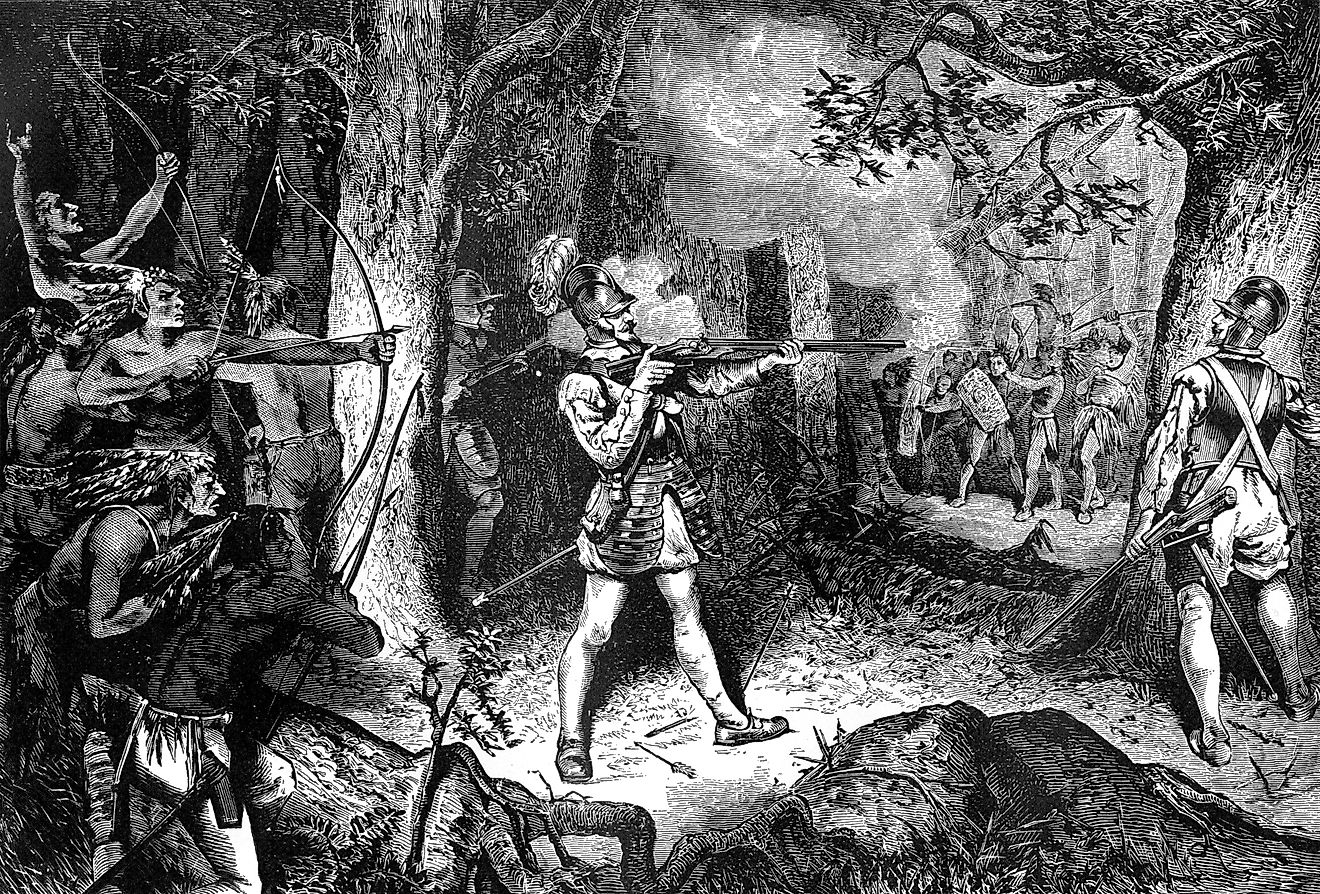
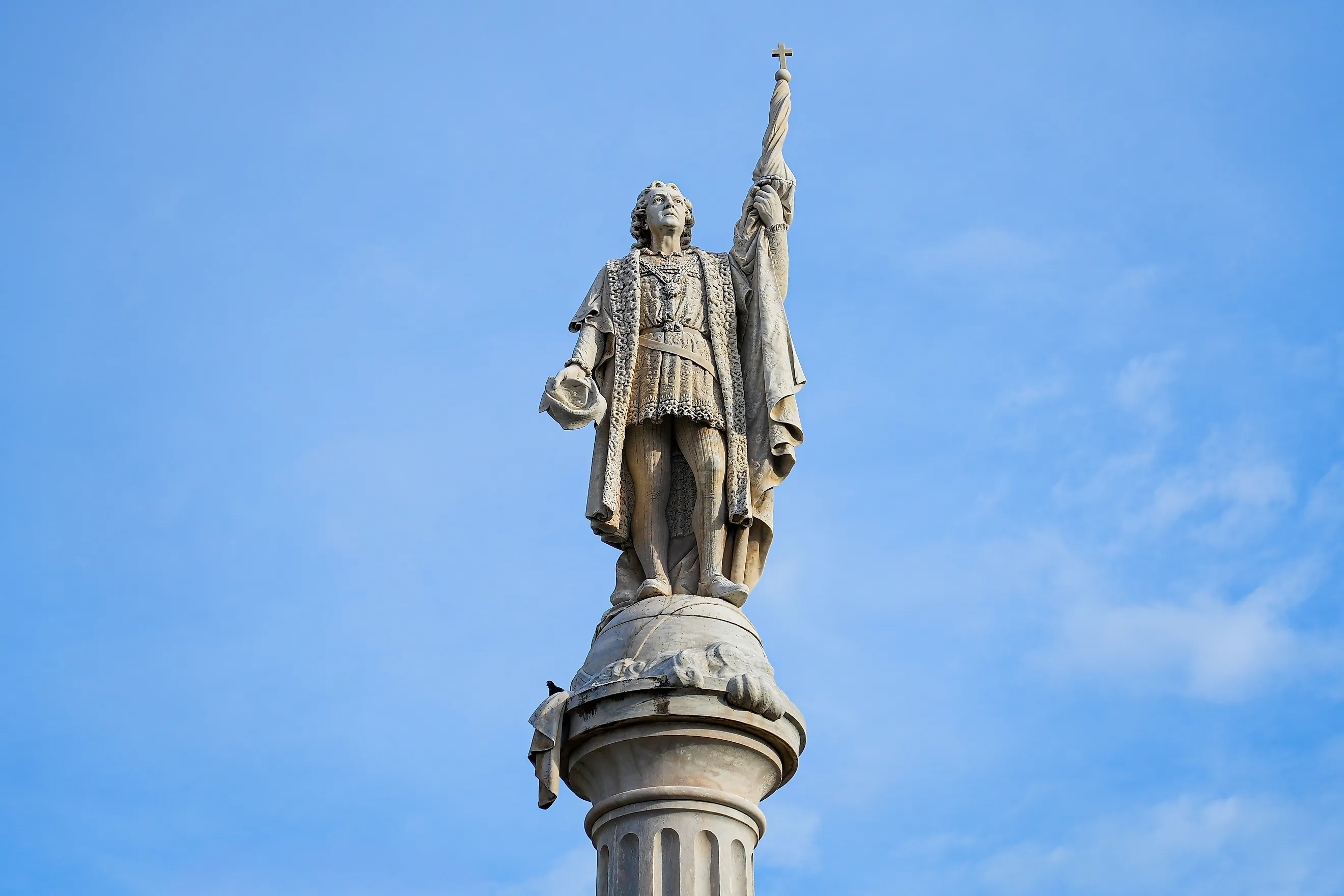
"Old World" and "New World" are terms that originated in early sixteenth-century European geographic writing to distinguish the parts of the globe known to Europeans before 1492 from the lands of the Americas, which Europeans encountered for the first time in that year. The Old World refers to Africa, Asia, and Europe (the landmass collectively called Afro-Eurasia, in the Eastern Hemisphere). The New World refers to the Americas (North, Central, and South America, together with the surrounding islands of the Caribbean and the eastern Pacific) in the Western Hemisphere. The distinction is geographic in its narrow sense but has long been extended to species, agricultural products, cultural traditions, and wines, where it functions as shorthand for "of pre-1492 Afro-Eurasian origin" versus "of pre-1492 American origin."
Origin Of The Terms
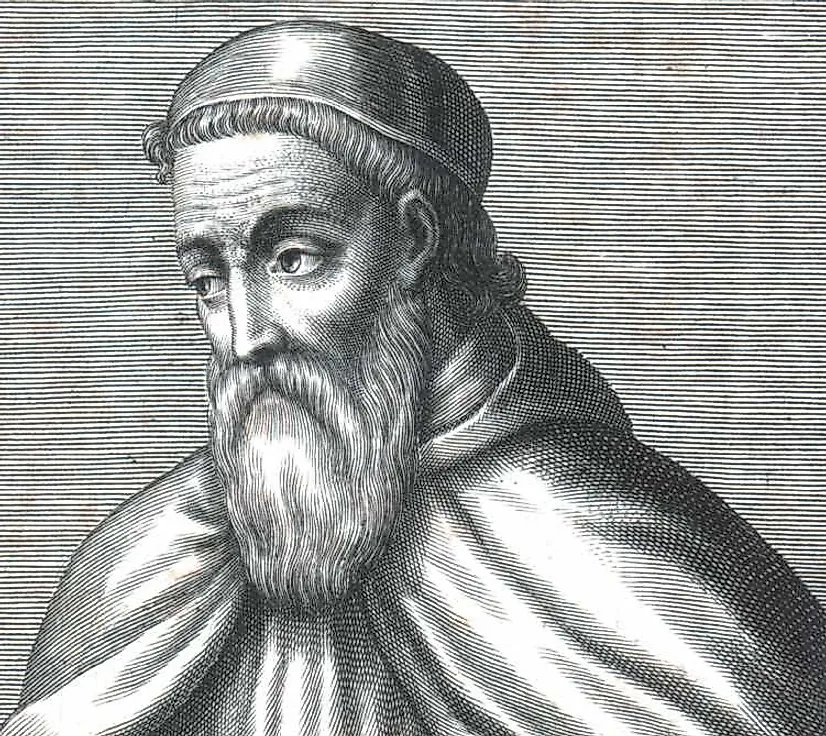
The Florentine explorer Amerigo Vespucci is generally credited with first articulating in print the idea that the lands across the Atlantic were a "New World" rather than the eastern edge of Asia. After two voyages along the coast of South America between 1499 and 1502, Vespucci wrote a letter from Lisbon in the spring of 1503 to his Florentine patron Lorenzo di Pier Francesco de' Medici, arguing that the lands he had explored were not part of Asia, as Christopher Columbus had maintained, but a separate continent. The letter circulated almost immediately in Latin under the title Mundus Novus ("New World") and was reprinted across Europe through 1504. The success of Mundus Novus moved the German cartographer Martin Waldseemüller to apply the Latinized form of Vespucci's first name ("America") to the new continent on his 1507 world map, the first map to use the name. The Italian-born Spanish humanist Peter Martyr d'Anghiera, who never traveled to the Americas but corresponded with most of the early Spanish explorers, also helped popularize the idea: his work De Orbe Novo Decades ("Decades of the New World"), the first installment of which was published in 1511, gave Europeans some of their earliest detailed accounts of the Americas. The Spanish Crown signed the Treaty of Tordesillas with Portugal in 1494, which divided the world outside Europe along a meridian and laid the groundwork for the Spanish and Portuguese colonization of the New World that followed.
The Columbian Exchange
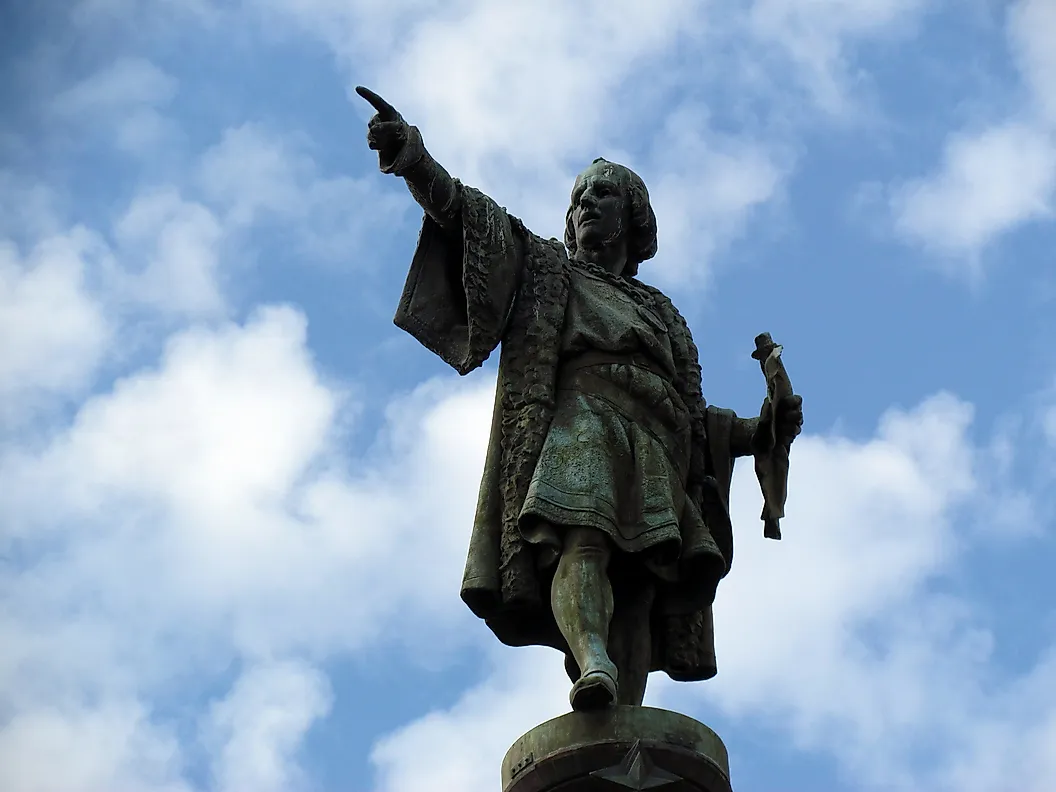
The most consequential dimension of the Old World / New World distinction is the biological one. Before 1492 the two hemispheres had been separated for tens of thousands of years and had developed distinct flora, fauna, microbiota, and crop and livestock packages. After Columbus's first voyage in 1492 and the wave of European, African, and Indigenous American movement that followed, plants, animals, people, and pathogens moved across the Atlantic in both directions. The historian Alfred W. Crosby coined the term "Columbian Exchange" for this two-way biological transfer in his 1972 book of the same name, and the term is now standard.
The disease component of the exchange was the most immediately devastating. Indigenous American populations had no immunity to the major Old World infectious diseases (smallpox, measles, influenza, typhus, mumps, and others), and the resulting epidemics killed an estimated 50 to 90 percent of the Indigenous population of the Americas within roughly a century of contact, depending on the region. Smallpox in particular swept through populations from central Mexico to the Andes, contributing to the collapse of the Aztec and Inka states in the early sixteenth century. The Americas in turn appear to have transferred a venereal disease (or a strain of one) commonly identified as syphilis back to the Old World; the first European epidemic of the disease was recorded in 1494-1495, shortly after Columbus's return.
Crops And Animals

The crop exchange remade global agriculture. New World crops moving east transformed Eurasian and African diets within a century or two: maize (corn, Zea mays) and the potato (Solanum tuberosum) became staple field crops across Europe, Africa, and Asia and have been credited with enabling significant population growth in eighteenth- and nineteenth-century Europe and China. The tomato (Solanum lycopersicum) reshaped Mediterranean cuisine, the chili pepper (Capsicum species) became fundamental to South Asian, Southeast Asian, and West African cooking, and the cassava (or manioc, Manihot esculenta) became the principal staple of large parts of tropical Africa. Other major New World crops include common beans (Phaseolus vulgaris), squashes (Cucurbita), sweet potato, peanut, sunflower, pineapple, avocado, cocoa, vanilla, tobacco, rubber, and cashew.
Old World crops moving west had a similarly transformative effect on the Americas. The classic Old World grain crops are wheat, barley, rye, oats, and rice; the major Old World tree fruits and tree crops include citrus, banana (originally Southeast Asian), grape, apple, olive, almond, peach, and coffee (originally Ethiopian); and the Old World contributed sugarcane, which became the basis of plantation agriculture across the Caribbean and Brazil.
The animal package was equally lopsided. The Old World contributed the major domesticated livestock that came to define agriculture across the Americas: horses, cattle, sheep, goats, pigs, donkeys, and chickens. None of these species existed in the Americas before contact; the first horses, cattle, and pigs were introduced by Columbus on his second voyage in 1493 and quickly multiplied in the favorable grasslands of Hispaniola and the mainland. The New World's distinctive domesticated animals were fewer but significant: the turkey, the llama and alpaca of the Andes, the guinea pig, and the Muscovy duck. The dog appears to have been present in both hemispheres before contact, the result of independent domestication or of populations carried with the original human migration into the Americas more than 15,000 years ago.
Biogeographic Realms

In modern biology and biogeography, "Old World" and "New World" are routinely used to distinguish lineages whose distributions reflect this hemispheric divide. The Old World biogeographic realms are the Palearctic (Europe, northern Asia, North Africa) and the Afrotropic (sub-Saharan Africa); the New World realms are the Nearctic (North America north of central Mexico) and the Neotropic (Central America, South America, and the Caribbean). Common usages include: Old World monkeys (family Cercopithecidae, of Africa and Asia, with downward-pointing nostrils and non-prehensile tails) versus New World monkeys (parvorder Platyrrhini, of Central and South America, with sideways-facing nostrils and often prehensile tails); Old World vultures (Accipitridae) versus New World vultures (Cathartidae); Old World warblers (a polyphyletic group across several families) versus New World warblers (family Parulidae); and Old World versus New World porcupines, camels, and flycatchers, among others. In every case, the two groups are not each other's closest relatives but rather independent evolutionary lineages that happen to occupy similar ecological roles on the two hemispheres.
Wine Terminology

In wine, the Old World / New World distinction crosses the original geographic line. Old World wines are those from the traditional wine-producing regions of Europe and the eastern Mediterranean, principally France, Italy, Spain, Portugal, Germany, Austria, Hungary, and Greece (with the Caucasus region of Georgia, often credited as the place where viticulture began roughly 8,000 years ago, conventionally included in the Old World). New World wines are those from regions where commercial wine production began under European colonial influence: the United States (particularly California, Oregon, and Washington), Argentina, Chile, Australia, New Zealand, and South Africa, plus smaller producers including Canada and Uruguay. The geographic origin of the terms in this context is conventional rather than literal: South Africa, for example, is in the "Old World" geographically but the "New World" by wine convention. The conventional distinction is also stylistic, with Old World wines often described as more restrained and terroir-driven and New World wines as more fruit-forward and varietally labeled, though these generalizations have weakened as winemakers in both regions have converged toward shared styles.
Limitations Of The Terminology
"Old World" and "New World" are useful shorthand but reflect a perspective specifically rooted in fifteenth-century European expansion. The Americas were not "new" to the Indigenous peoples who had lived in them for at least 15,000 years before 1492; the terms describe the limits of European geographic knowledge at a particular moment rather than any general feature of world geography. For this reason, contemporary scholars in fields including history, anthropology, and ecology often prefer alternative phrasings such as "Eastern Hemisphere / Western Hemisphere," "Afro-Eurasia / the Americas," or simply naming the regions in question, particularly when the discussion involves Indigenous history or pre-contact societies. In domains where the terms remain entrenched (biology, wine, certain culinary discussions, and historical writing on the Columbian Exchange itself), they are typically used without the implicit hierarchy the older usage carried.