Which Countries Are Not Members Of The United Nations?
The United Nations has 193 member states as of 2026, plus 2 non-member observer states (the Holy See and the State of Palestine) and a small number of other entities that are widely recognized as states but lack full UN membership. The total falls below the figures sometimes cited for "the world's countries" because several commonly recognized states (Taiwan, Kosovo, the Sahrawi Arab Democratic Republic, the Cook Islands, and Niue) are either deliberately excluded from full UN membership, have applications stalled by Security Council vetoes, or have chosen not to apply. No state has ever been formally expelled or suspended from the UN, but several seats have been the subject of contested credentials disputes following coups, most recently those of Afghanistan and Myanmar after the events of 2021. The following sections cover the main categories: member states, observer states, the principal entities outside both groups, and the cases where the legitimacy of a delegation has been disputed.
Member States
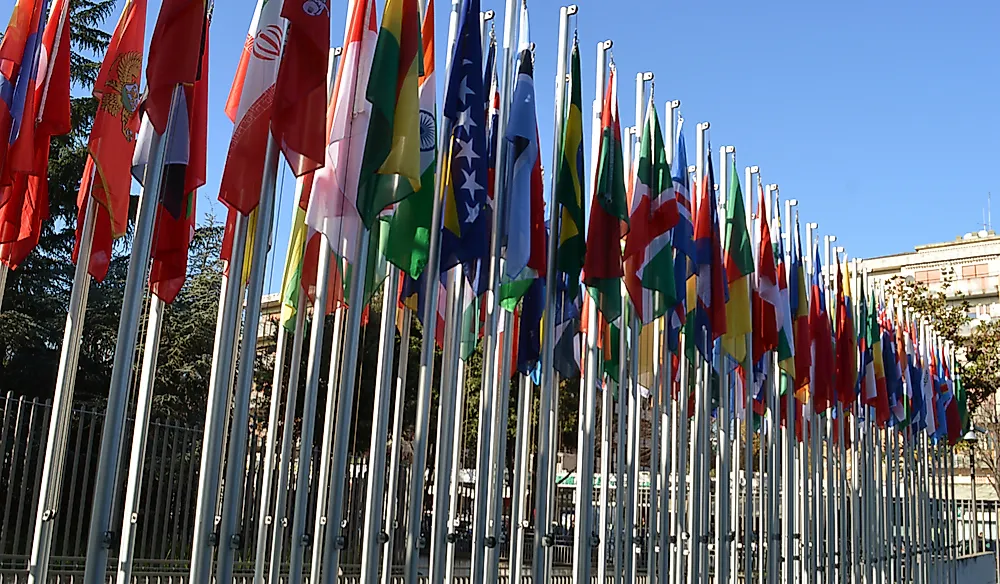
Only sovereign states are eligible for full UN membership. The UN's working definition is a self-governing legal entity with a single recognized government exercising authority over a defined territory and population. All 193 member states have equal representation in the UN General Assembly, where each state has one vote regardless of population, military power, or economic size.
Admission requires a recommendation from the Security Council followed by a two-thirds majority vote in the General Assembly. Because Security Council recommendations are subject to veto by any of the five permanent members (China, France, Russia, the United Kingdom, and the United States), a single veto can block a membership application indefinitely. This is the mechanism by which Palestine's full membership has been blocked, by Kosovo's would be blocked if attempted, and by which Taiwan has not been considered for re-admission since its 1971 expulsion.
The most recent admissions to full UN membership were South Sudan in July 2011 (following its independence from Sudan) and Montenegro in June 2006 (following its separation from Serbia and Montenegro). No new members have joined since 2011.
Observer States
The UN recognizes two non-member observer states: the Holy See and the State of Palestine. Observer states may attend General Assembly meetings, deliver formal statements, and maintain permanent observer missions at UN headquarters in New York, but they cannot vote on General Assembly resolutions.
The Holy See
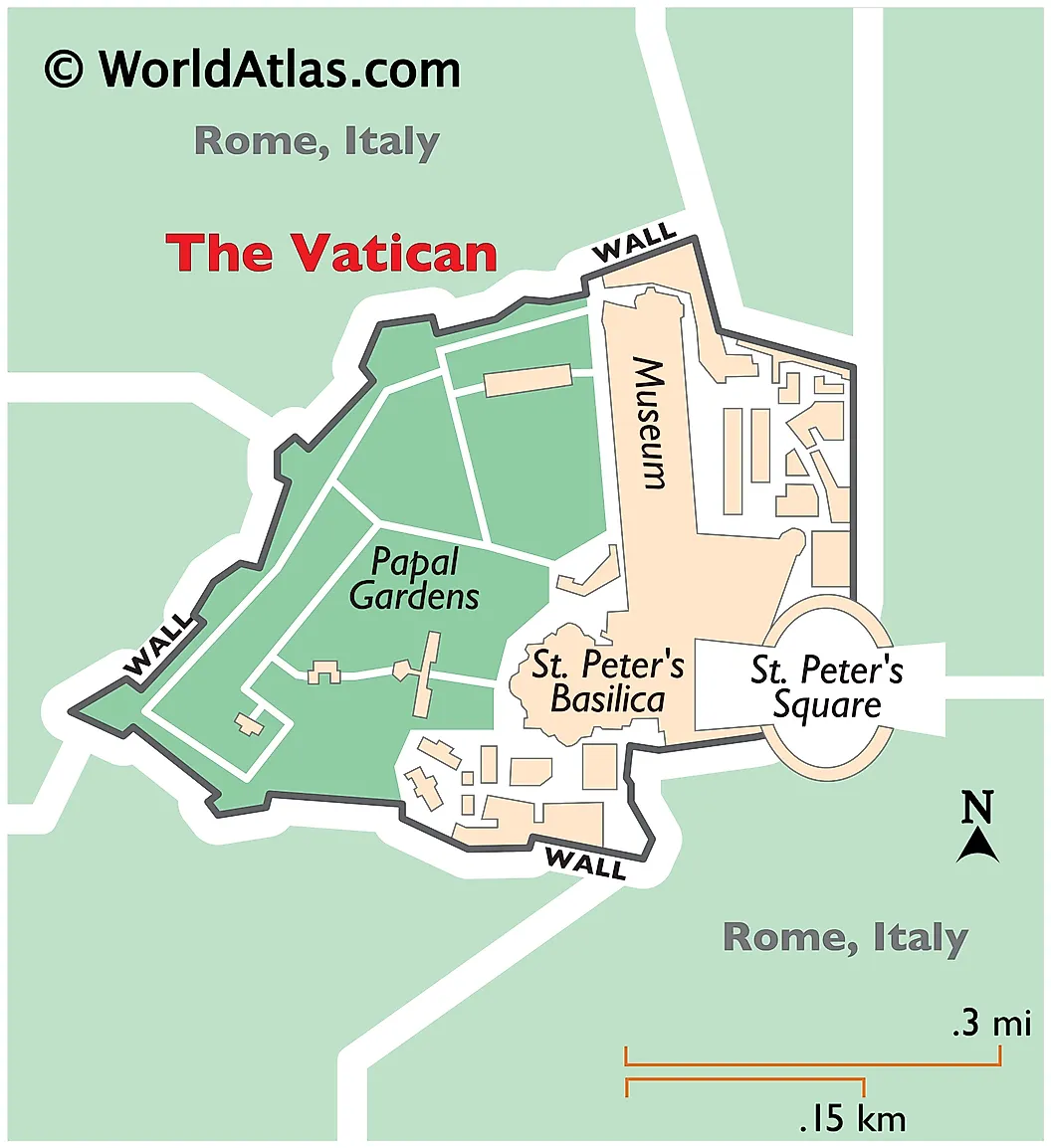
The Holy See, the central government of the Catholic Church headed by the Pope, has held permanent observer status at the UN since April 6, 1964. It is important to distinguish the Holy See (the spiritual government) from Vatican City State (the small sovereign territory in Rome), which are separate legal entities under international law; the Holy See has international personality that long predates the 1929 founding of Vatican City as a state. The Holy See has never sought full UN membership and has historically used its observer status to influence resolutions on bioethics, family policy, and humanitarian matters; popes have addressed the General Assembly in 1965 (Paul VI), 1979 and 1995 (John Paul II), 2008 (Benedict XVI), and 2015 (Francis).
The State of Palestine
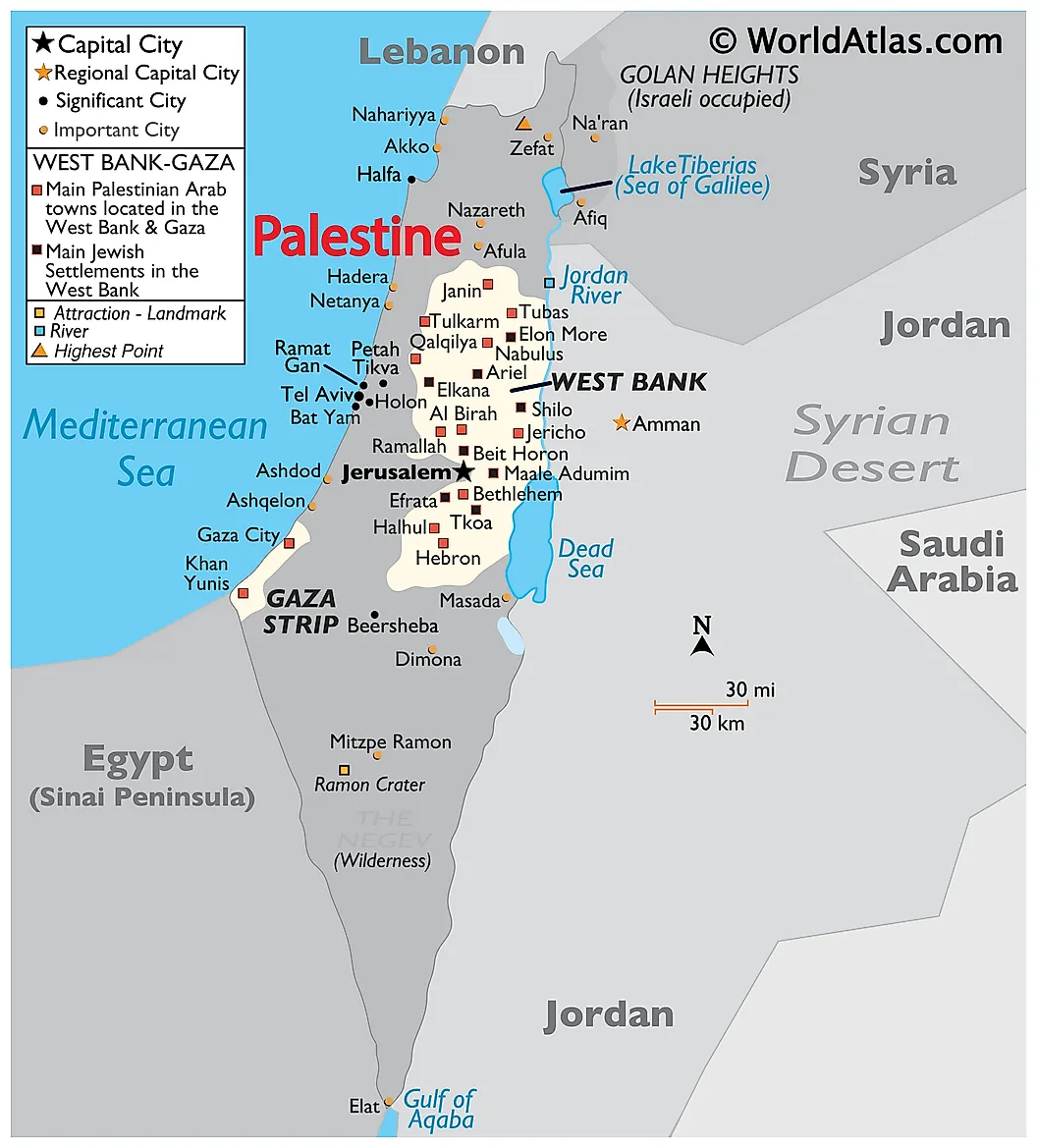
Palestine's observer status has evolved in stages. The Palestine Liberation Organization (PLO) received non-state observer status in 1974; after the Palestinian National Council's 1988 declaration of independence, the UN renamed the entity "Palestine" in its records (a change formalized in December 2012 as "the State of Palestine"). Palestine submitted a formal application for full UN membership to Secretary-General Ban Ki-moon on September 23, 2011; the application has remained pending at the Security Council, where a US veto has been signaled or used in subsequent procedural steps. On November 29, 2012, the General Assembly approved resolution 67/19, upgrading Palestine to non-member observer state status by a vote of 138 to 9 with 41 abstentions. In May 2024, the General Assembly voted to grant Palestine expanded participation rights short of full membership, including the right to speak in debate.
States Outside the UN System
Several entities are widely or partially recognized as states but are not UN members or observers.
Taiwan (Republic of China)
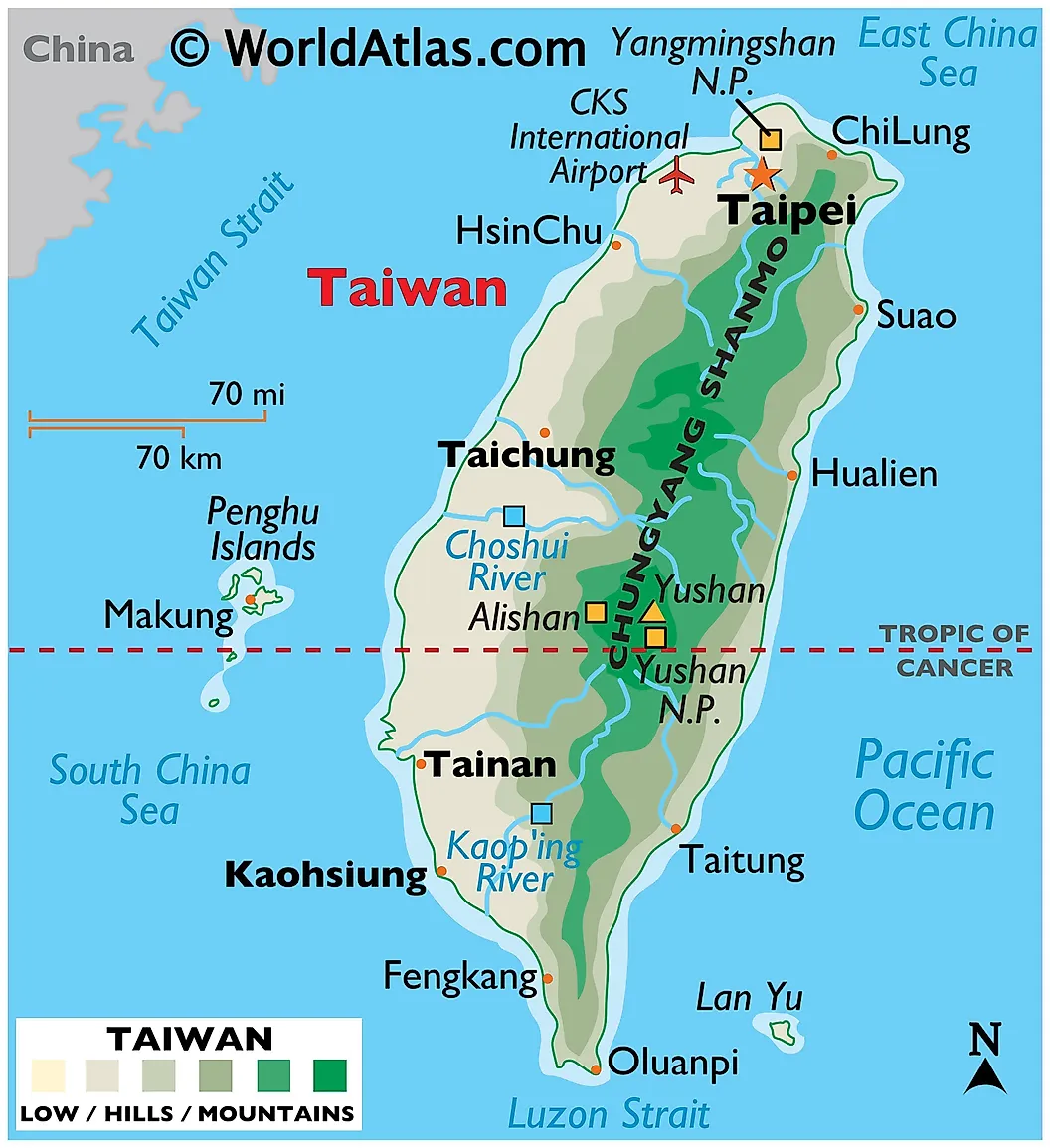
The Republic of China on Taiwan held the "China" seat at the UN from 1945 until October 25, 1971, when General Assembly Resolution 2758 transferred the seat to the People's Republic of China. Taiwan has not been a UN member or observer since. As of 2026, Taiwan maintains formal diplomatic relations with 11 UN member states (Belize, Eswatini, Guatemala, Haiti, Marshall Islands, Palau, Paraguay, Saint Kitts and Nevis, Saint Lucia, Saint Vincent and the Grenadines, and Tuvalu) plus the Holy See, down from 22 such allies a decade earlier. Recent switches to recognizing the People's Republic include El Salvador (2018), the Solomon Islands (2019), Kiribati (2019), Nicaragua (2021), Honduras (2023), and Nauru (January 2024).
Kosovo
The Republic of Kosovo declared independence from Serbia on February 17, 2008. Kosovo's own foreign ministry claims recognition from around 117 UN member states, while Serbia argues the effective number is closer to 84 after a campaign of withdrawn recognitions; independent compilations generally place the count near 110 as of 2026. Russia and China have both signaled they would veto any Kosovo application for full UN membership. Five EU member states (Cyprus, Greece, Romania, Slovakia, and Spain) have never recognized Kosovo, primarily out of concern about precedent for their own separatist movements.
Western Sahara (Sahrawi Arab Democratic Republic)
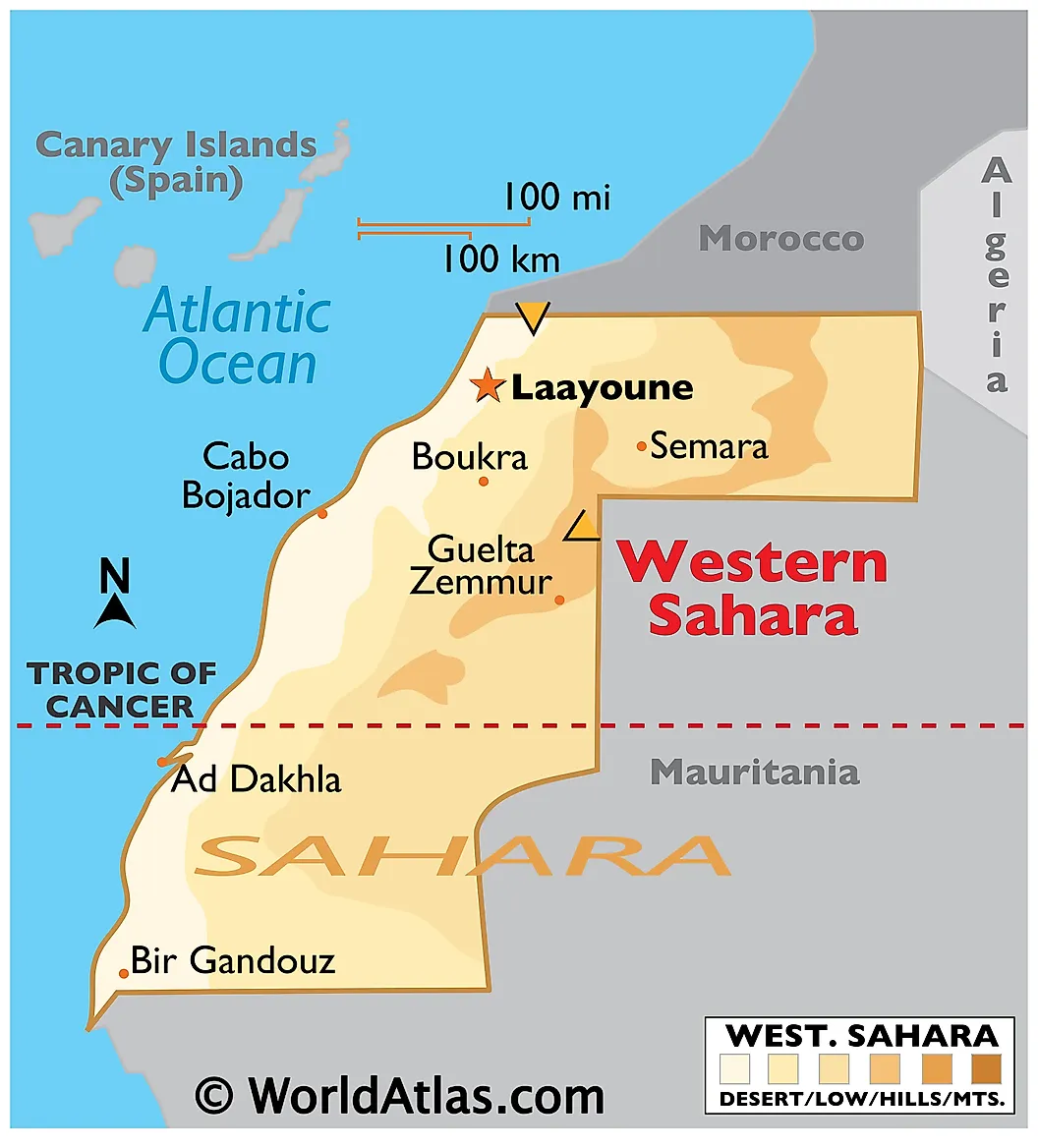
The territory of Western Sahara is administered mostly by Morocco, with the Polisario Front's self-declared Sahrawi Arab Democratic Republic (SADR) controlling a smaller eastern strip. SADR has been a full member of the African Union (formerly the Organisation of African Unity) since 1984 and is recognized by roughly 40 to 45 UN member states (a number that fluctuates as recognitions are extended and withdrawn), but it is not a UN member or observer. The UN classifies Western Sahara as a non-self-governing territory pending a referendum on self-determination that has never been held.
Cook Islands and Niue
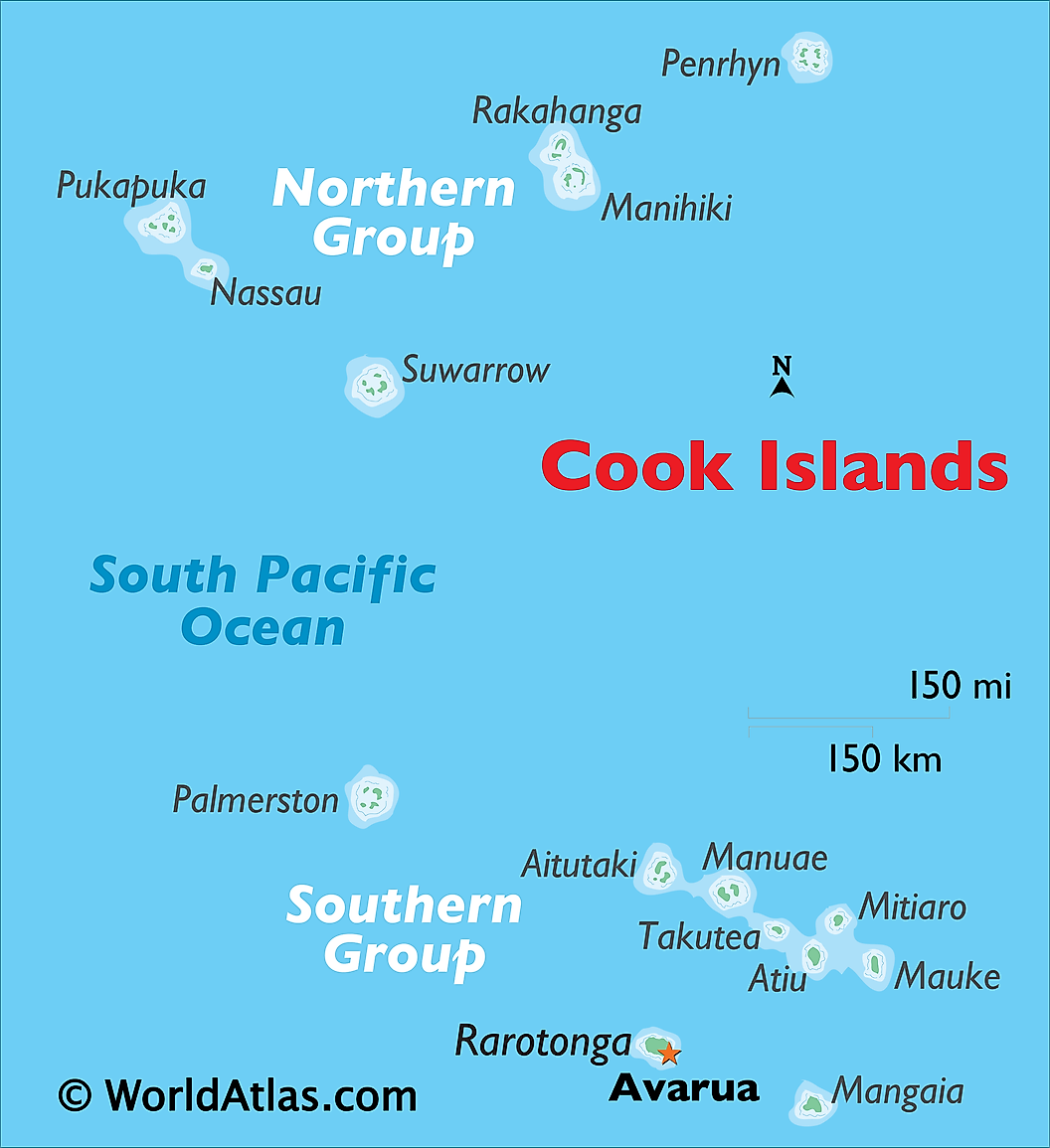
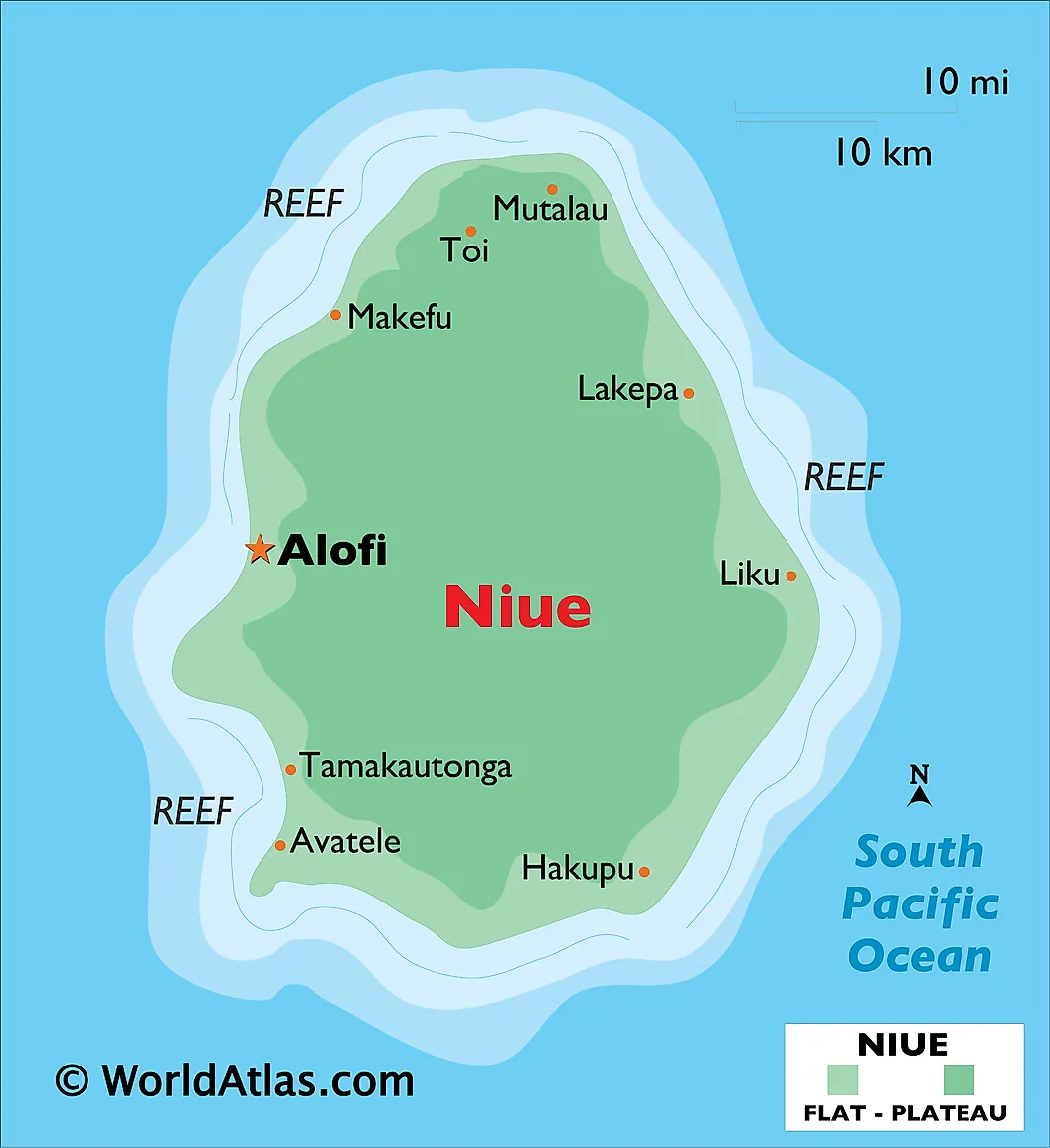
The Cook Islands and Niue are self-governing states in free association with New Zealand, and both have full treaty-making capacity recognized by the UN Secretariat (the Cook Islands since 1992, Niue since 1994). Both are full members of UN specialized agencies including UNESCO and the World Health Organization, and both have expressed interest in UN membership; in January 2025, however, Cook Islands Prime Minister Mark Brown confirmed that the UN had assessed his nation as not currently qualified for membership without changes to its constitutional relationship with New Zealand (in particular the automatic New Zealand citizenship of Cook Islanders).
Contested Credentials
No UN member has ever been formally expelled or suspended, but the General Assembly's Credentials Committee periodically defers decisions on which delegation legitimately represents a member state when sovereignty is disputed.
Afghanistan
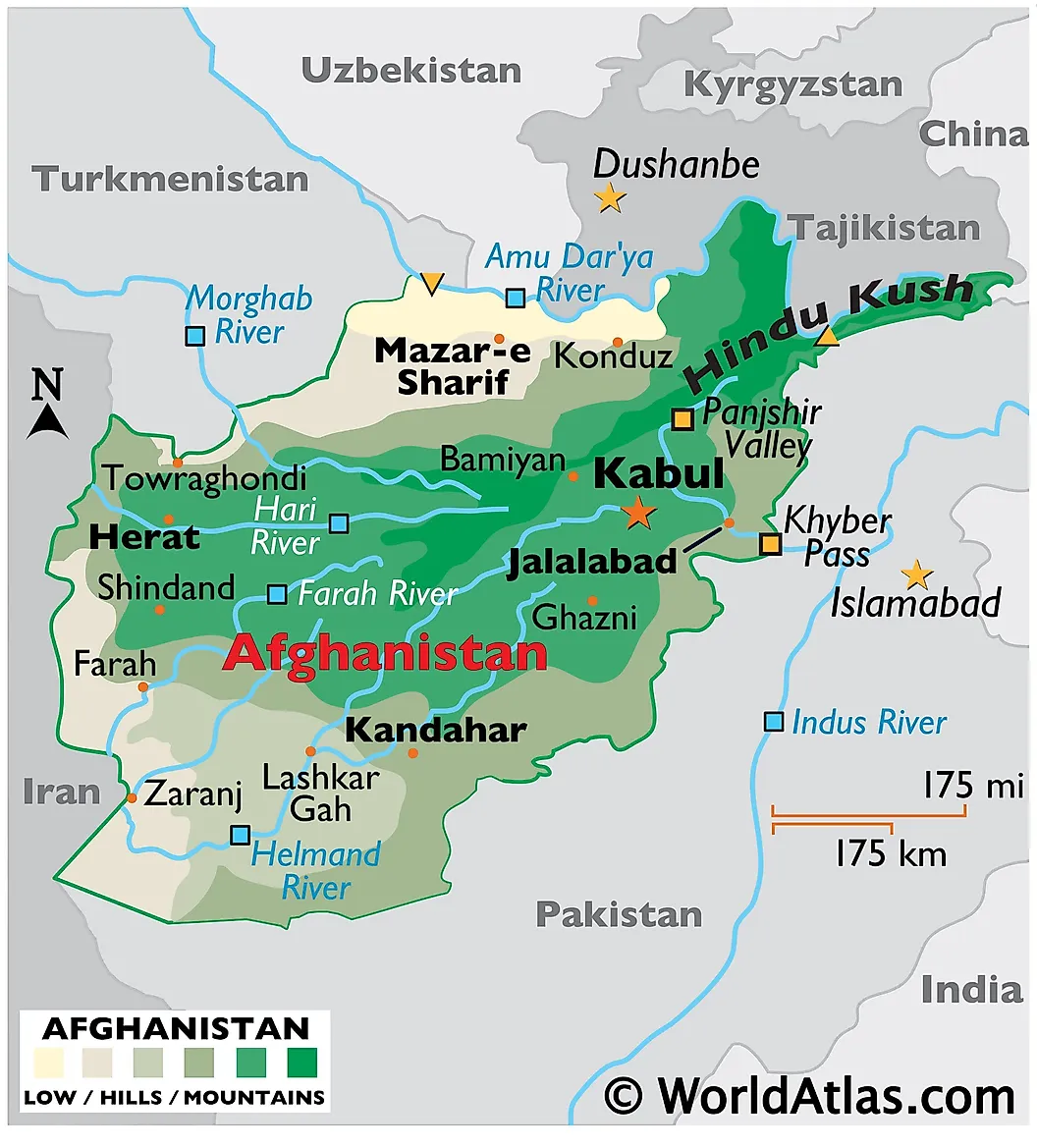
After the Taliban took control of Kabul on August 15, 2021, the new authorities sought to take over Afghanistan's UN seat from the diplomats appointed by the previous Islamic Republic of Afghanistan. The UN Credentials Committee has deferred a decision on the rival claims at every session since 2021, effectively leaving the seat with the previous government's representatives while denying the Taliban formal recognition.
Myanmar
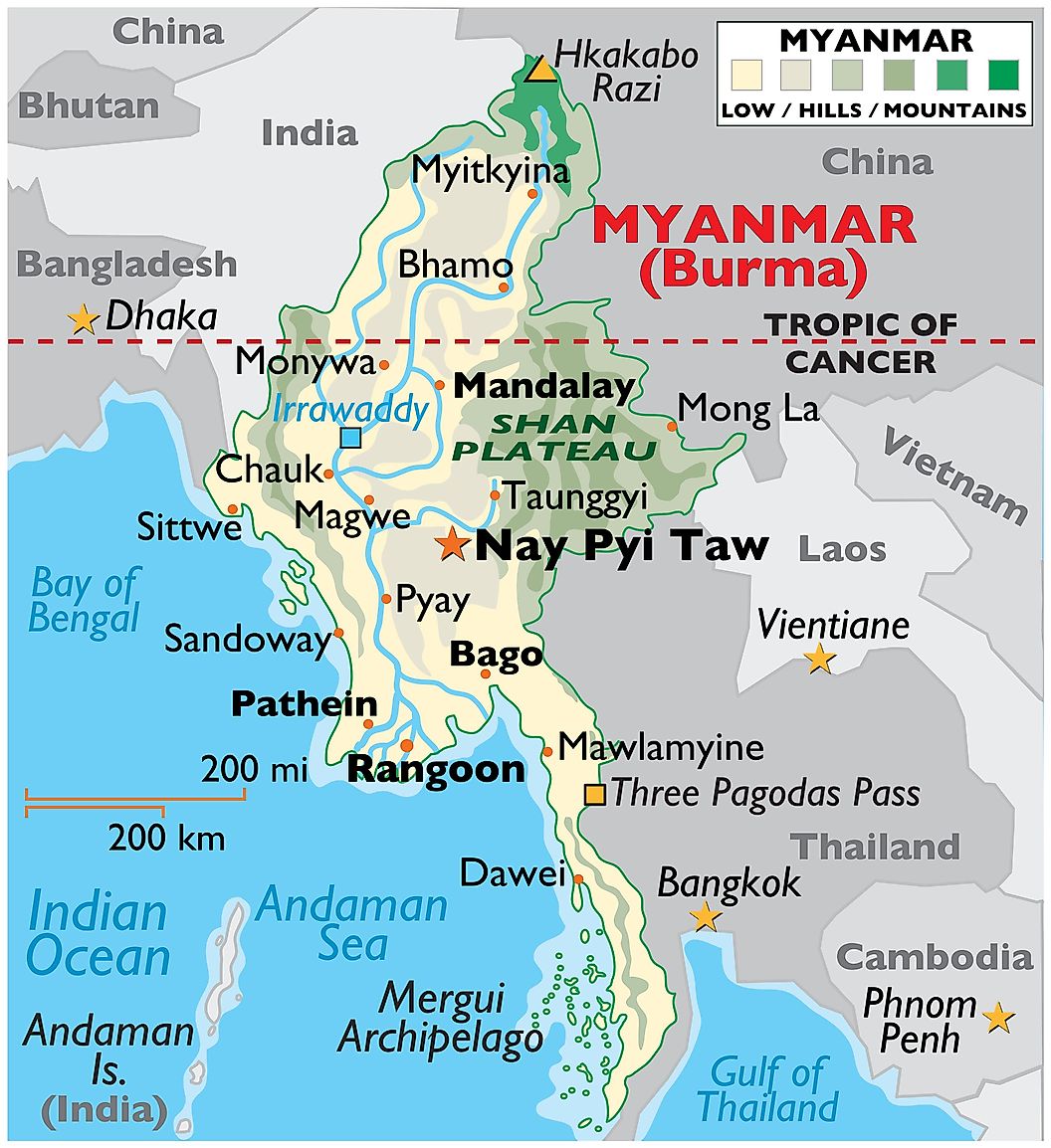
A similar situation has applied to Myanmar since the military coup of February 1, 2021. The State Administration Council (the military junta) has sought to replace Ambassador Kyaw Moe Tun, who was appointed by the elected civilian government and has continued to address the General Assembly in opposition to the junta. The Credentials Committee has, as with Afghanistan, deferred decision and left the seat with the pre-coup delegation.
South Africa (historical case)
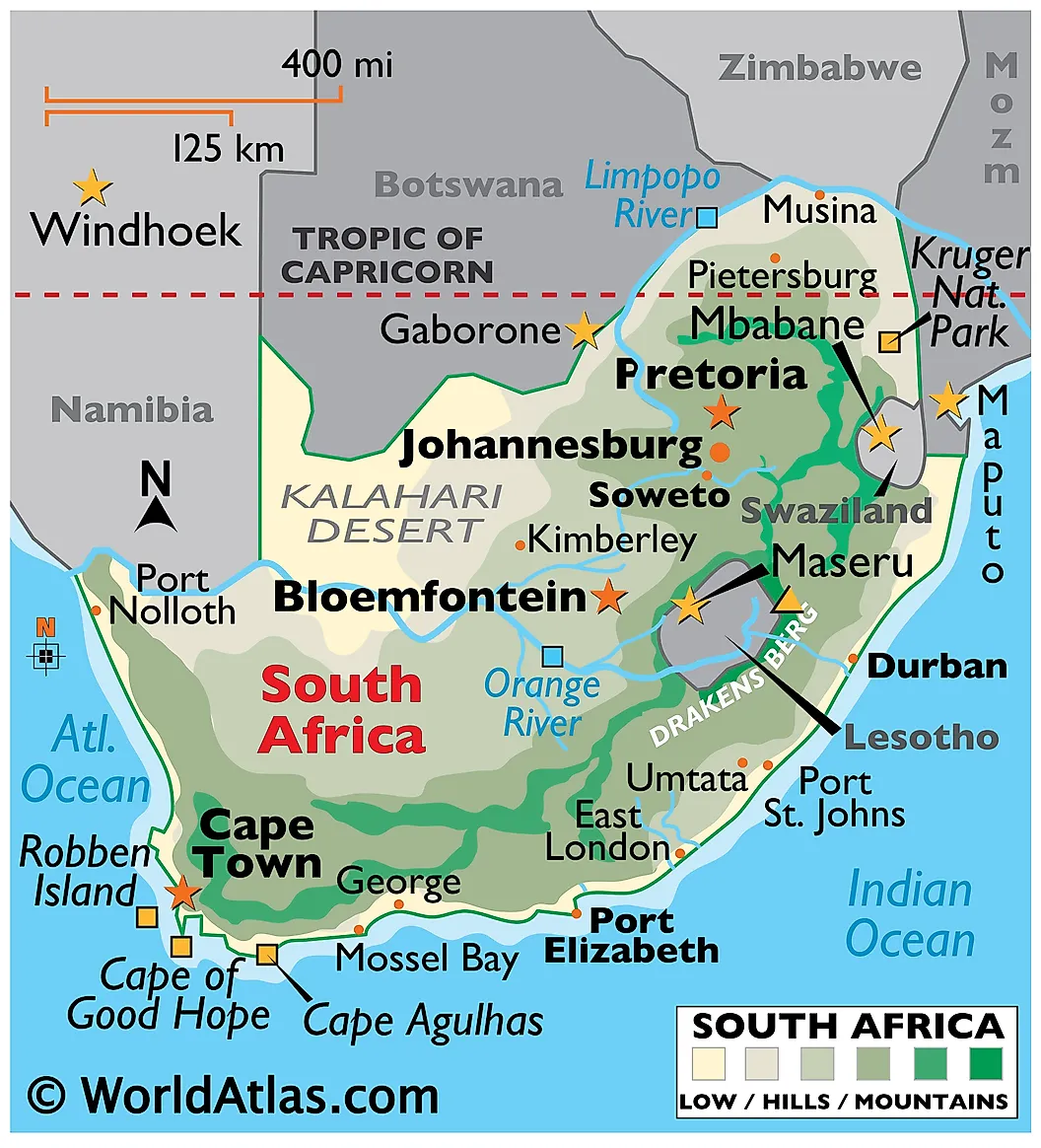
Although no state has been suspended in the strict sense, the General Assembly rejected the credentials of South Africa's apartheid government from 1974 to 1994. This effectively excluded South Africa from General Assembly participation while preserving its formal membership; the seat was restored to a representative democracy after the 1994 elections that brought Nelson Mandela to power.
The Practical Effect
For most diplomatic and economic purposes, full UN membership is a near-universal marker of statehood, but the gaps in the system have meaningful consequences. States outside the UN cannot vote on General Assembly resolutions, are not party to most multilateral treaty negotiations conducted at UN headquarters, and have difficulty accessing UN-administered development assistance. The credentials mechanism has become the de facto way the UN expresses disapproval of post-coup governments without formally expelling member states, and the use of the Security Council veto remains the main barrier to admission for the few states (Palestine, Kosovo, and any potential Taiwanese application) that might otherwise qualify by General Assembly vote.