The Largest Wetland In The United States
The Largest Wetland In The United States

Ask most people to name the largest wetland in the United States and they will confidently say the Everglades. And they would be right, as long as you agree to pretend Alaska does not exist. Once you count the entire country, the real champion is not a steamy Florida marsh at all, but a vast, treeless, waterlogged expanse in remote western Alaska that is bigger than most states. It is a genuinely surprising answer. Here is the true largest wetland in America, and why the Everglades still gets to keep a crown of its own.
The Answer: The Yukon-Kuskokwim Delta

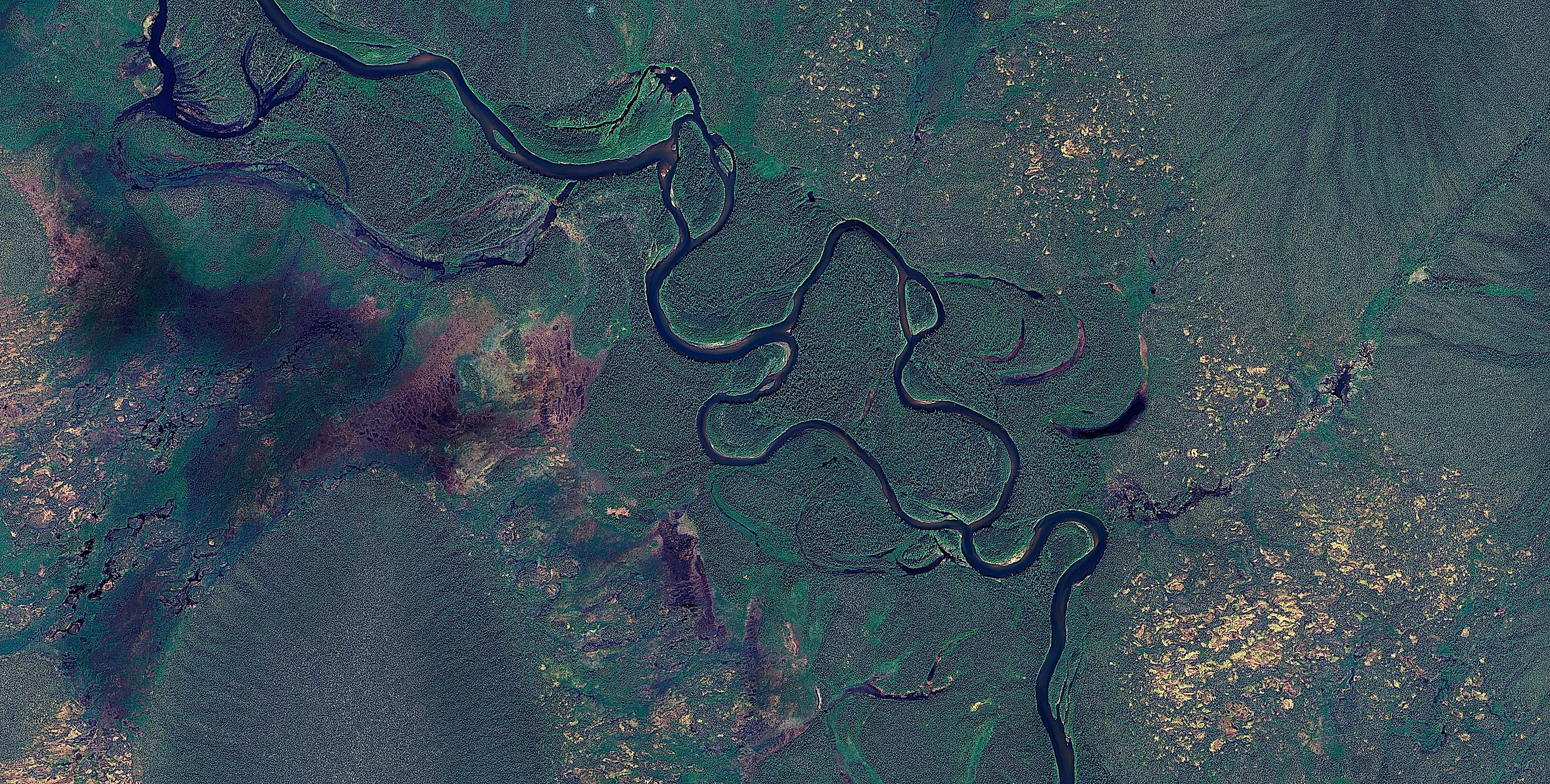
The largest wetland in the United States is the Yukon-Kuskokwim Delta, the immense, low-lying plain where the Yukon and Kuskokwim rivers empty into the Bering Sea on Alaska's western coast. At roughly 50,000 square miles, it is one of the largest river deltas on the entire planet, comparable in size to the whole state of Louisiana. Most of it is protected within the Yukon Delta National Wildlife Refuge, which at about 19 million acres is the second-largest refuge in the country. This is not a forest of dripping cypress but a flat, treeless carpet of tundra, threaded with countless ponds, sloughs, and river channels. It is also one of the most important bird nurseries on Earth, hosting the vast majority of the world's Pacific black brant and around half of all emperor geese.
Why Alaska Dominates the Map

The Yukon-Kuskokwim Delta is not a fluke, it is just the biggest piece of an astonishing whole. Alaska contains roughly 174 million acres of wetlands, which works out to about 43 percent of the entire state and something like 63 percent of all the wetlands in the United States. To put that in perspective, the entire Lower 48 holds only around 110 million acres of wetland combined. Alaska simply operates on a different scale. Beyond the Yukon-Kuskokwim Delta, the state is dotted with other giants, from the roughly 11-million-acre Yukon Flats in the interior to the Copper River Delta, whose 700,000 acres draw an estimated 12 million migrating shorebirds every spring. In the far north, wetland is less a feature than a default setting.
The Everglades: The Lower 48 Champion

None of this takes anything away from the Everglades, which remains the largest wetland in the contiguous United States and the largest subtropical wetland in the country, spanning around 1.5 million acres. A UNESCO World Heritage Site, it is famously described as a "River of Grass," a shallow, almost imperceptibly slow sheet of water creeping across a vast prairie of sawgrass, punctuated by mangrove forests and tree islands. It is the only place on Earth where alligators and crocodiles coexist, and it shelters iconic residents like the Florida panther, the West Indian manatee, and enormous flocks of wading birds. For everyone living outside Alaska, this is the wetland that defines the word.
What Counts as a Wetland Anyway

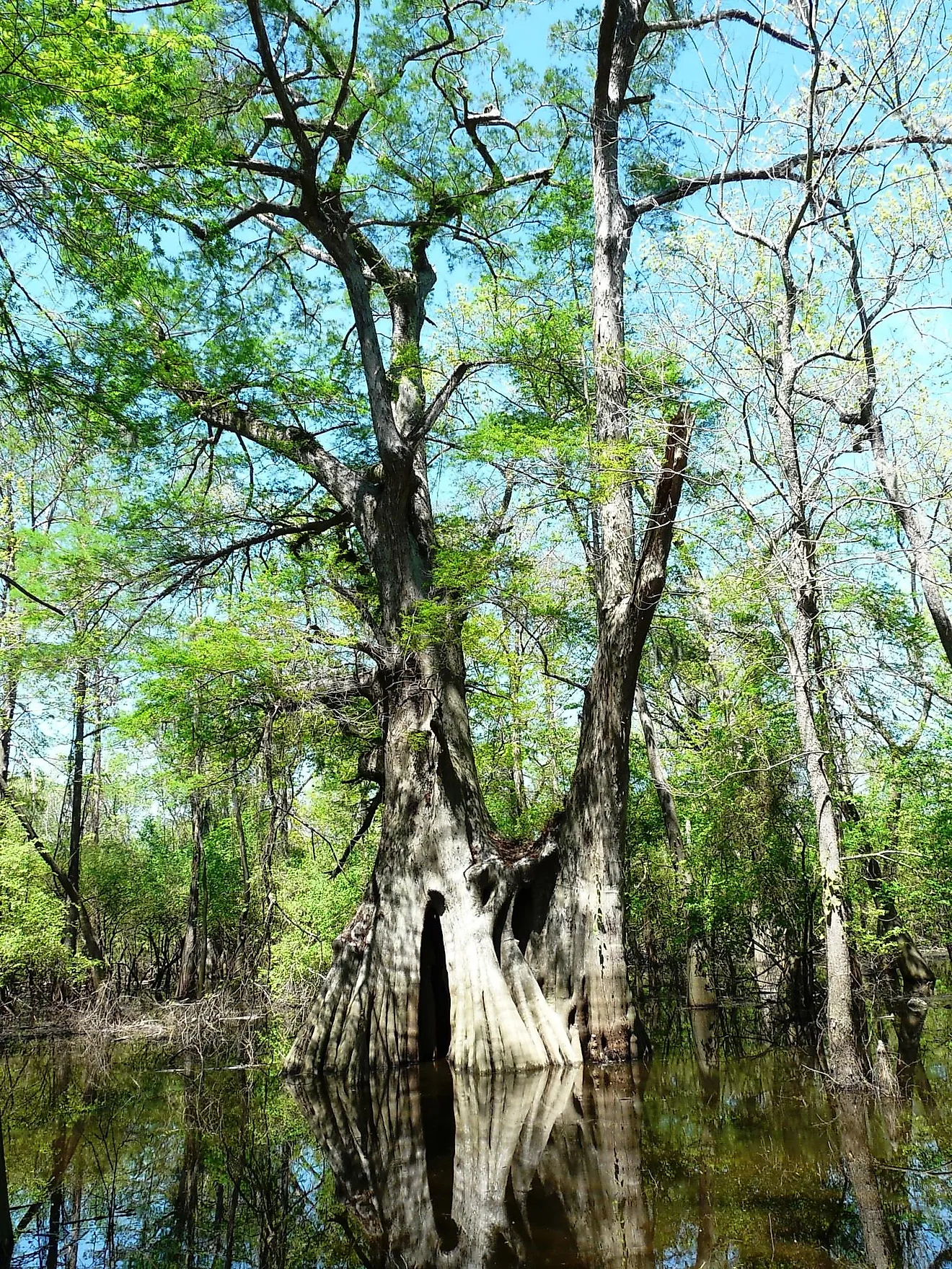
Part of what makes this question tricky is that "wetland" is a huge umbrella term. It covers any land that is soaked or covered by water often enough to shape its soil and plant life, which includes several very different landscapes. Marshes are wetlands dominated by grasses and reeds, which is what makes the Everglades a marsh rather than a swamp. Swamps are dominated by trees, and America's largest is Louisiana's Atchafalaya Basin. Bogs are spongy, peat-filled wetlands, and the Yukon-Kuskokwim Delta is largely a soggy tundra wetland. So while the Atchafalaya wins the swamp title and the Everglades wins the subtropical marsh title, the overall crown for sheer wetland acreage goes to the tundra of Alaska.
America's Other Great Wetlands

The United States is quietly one of the most wetland-rich nations on the planet, and a few other regions deserve a mention. Sprawling across the Dakotas, Montana, Minnesota, and Iowa, the Prairie Pothole Region is a landscape pockmarked by millions of small, glacier-carved depressions that fill with water. Though no single one is large, together they form North America's "duck factory," producing an enormous share of the continent's waterfowl. Add in the coastal wetlands of the Great Lakes, the marshes of Chesapeake Bay, and the drowned forests of the Deep South, and a clear picture emerges. From Florida sawgrass to Alaskan tundra, wetlands are woven right through the American map. But when it comes to raw size, nothing beats the great watery delta of western Alaska.