7 Most Rattlesnake Infested Areas in Mississippi
The Magnolia state of Mississippi is a majestic place for travelers and residents of the Deep South of the United States. The Mississippi River runs through the state emptying into the Gulf of Mexico. Between that is many national parks in diverse habitats such as Tishomingo State Park in the Appalachian Mountains or the Islands on the Gulf. Alongside these natural wonders are many varieties of wildlife, some of which can be quite dangerous. This includes a few species of rattlesnakes.
There are three that call Mississippi home: Eastern Diamondback, Timber, and Pygmy. Diamondback are the largest of the group, averaging about 5 and a half feet long. They have dark diamond shapes spread throughout its scaly body. Timber Rattlesnakes measure between 2 and a half to 5 feet and are known for having triangular head, ridged scales and a grey or brown color. The pygmy is the smallest of the rattlesnakes, only measuring 18 to 20 inches with a gray body with dark blotches.
All three of these species of snakes have rattles, although the pygmy's rattle is small and prone to breaking off. Although these are not the only venomous snakes in Mississippi, they are some of the most recognizable. Their range varies from river bluffs to lakes and national forests. When exploring the state, it's important to be aware of these reptiles to avoid a dangerous situation. Discover seven of the most rattlesnake infested areas in Mississippi.
Gulf Islands National Seashore

Located in the beautiful seashore of the Gulf of Mexico along the coast of Mississippi and Florida, the Gulf Islands National Seashore is a favorite destination. It's easy to see why with its white beaches, marshes, bayous, three historic forks, an island hideaway and more.
Despite its natural beauty, the seashore in Mississippi is home to more than 55 native snake species, including pygmy and eastern diamondback rattlesnakes. There have been sightings of diamondback rattlesnakes directly on roads within the national seashore. In this environment, they typically eat small birds and other mammals. They hide beside logs or in undergrowth and wait to strike. As a result, the rattle's primary purpose is to warn predators to stay away. The National Park Service states that visitors should not kill these snakes, as they are vital parts of the ecosystem and eat rodents.
Natchez Trace Parkway

At water's edge of the Duck River along the Natchez Trace parkway in Tennessee.
The Natchez Trace Parkway is a 444-mile trail that runs from Tennessee to Mississippi. It follows old trails used by Native American tribes for thousands of years. There are multiple ways to explore this trail, including driving, hiking, biking, and even horseback riding. Some of the Old Trace that were used by prehistoric Native Americans are still available to explore as well.
There are more than 40 species of reptiles that can be seen in the Parkway, which includes 25 species of snake. Currently, the only three venomous snakes living in the trace are the Southern Copperhead, Western Cottonmouth, and Timber Rattlesnake.
Like all rattlesnakes, the Timber Rattlesnakes spends most of its time hiding and awaiting prey to pass by it. These snakes are protected by the park.
Mississippi River

The Mississippi River is the longest river in the United States and North America, running south for 2,340 miles from Lake Itasca in Minnesota all the way to the Gulf of Mexico. In fact, its name comes from word in the Native American language Ojibwe which means Great River.
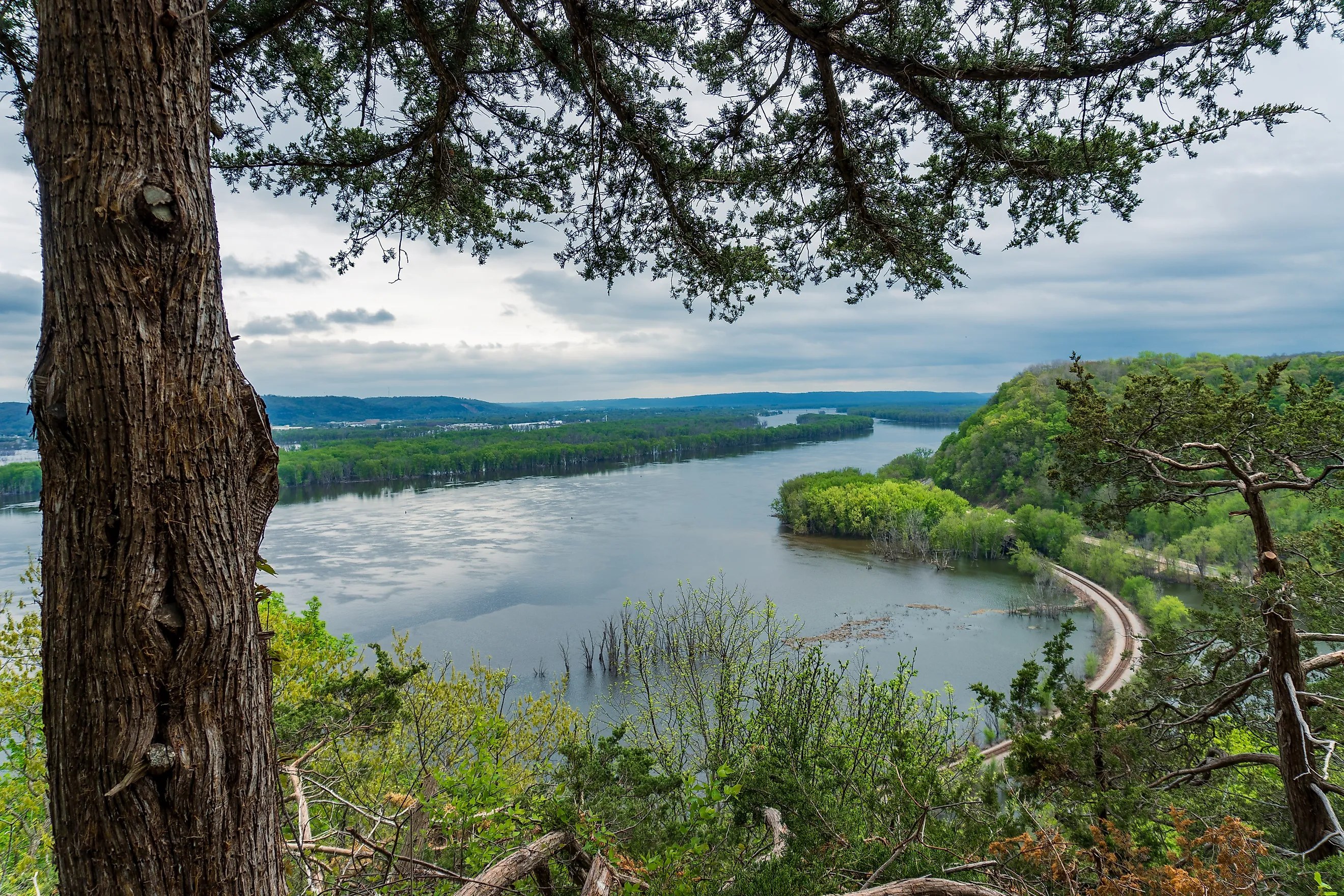
This habitat supports a rich diversity of animal life, including 375 species of fish ranging from the northern pike to the common shiner to the largemouth bass. There are also snakes hiding along the river, including the copperhead and the Timber Rattlesnake, which are common. Timber Rattlesnakes make their home in every state the River goes through, including Mississippi. They tend to hide in bluffs above the river or under rocks, leaves, or tree limbs.
Timber Rattlesnakes are more active during cooler days, as it will hide when temperatures become too high during the summer. It will commonly bite prey then wait for it die before eating it. This snake will shake its rattle if threatened and is more likely to run away from humans if approached.
Sardis Lake

Beautiful Sardis Lake and dam.
This pleasant lake is located on the Little Tallahatchie River and is named after the nearby town of Sardis. Sardis Lake is not far from the charming town of Oxford, the home of Ole Miss. The lake draws millions of visitors each year who come to fish for bass and crappie, as well as to hunt or camp. There is also a golf course by the lake for those seeking a more grounded adventure.
Rattlesnakes, including pygmy rattlesnakes, are known to inhabit the area around the lake. Pygmy rattlesnakes typically live in wet environments like floodplains, forests, lakes, and marshes. Due to their small size, they tend to stay near their burrows and are unlikely to bite humans.
Timber Rattlesnakes can also be found in this area. If bitten by a rattlesnake, symptoms can be quite severe, including numbness, weakness, nausea, sweating, blurred vision, and difficulty breathing. Seek medical attention as quickly as possible to avoid potentially fatal consequences.
Pearl River

Pearl River basin Madison County Mississippi.
The Pearl River flows through the southern part of Mississippi in Neshoba County and extends to Louisiana. Jackson, the state capital, is situated along its banks. The region features several swampy areas that provide habitat for black bears, sturgeons, and ivory-billed woodpeckers. The river also hosts all three species of rattlesnakes, including the largest, the Eastern Diamondback. These rattlesnakes are active day and night, allowing them to hunt at any time. Notably, this species is regarded as the most venomous snake in North America.
In fact, some studies have shown that if left untreated, a bite from the eastern diamondback has a 10 to 30 percent mortality rate. As a result, these snakes are not to be messed with and are best left alone if found along the river.
Simpson County

Log across pearl river in Mississippi.
This county in Southwestern Mississippi is bordered by the Pear River and has a small population of around 26,000 people. It was initially settled by a variety of immigrants from Scotland and colonists moving South from New England and the Carolinas.
Due to its location along the Pearl River and its streams and creeks, it is in the heart of rattlesnake country. Residents have reported finding rattlesnakes in residential areas, including large eastern diamondback snakes. Many of these encounters end with the death of the snake. Unfortunately, because people's first reaction to rattlesnakes is to kill them, this has caused certain rattlesnakes to become threatened or endangered species in certain areas. This status is further threatened by habitat destruction, such as road construction or agriculture.
Lawrence County

Lawrence County is also located in Southwestern Mississippi and takes its name from James Lawrence, who served in the War of 1812 and was killed during a naval encounter between the USS Chesapeake and the HMS Shannon. Its county seat is Monticello on the Pearl River, named after Thomas Jefferson's home.
Lawrence County has become infamous in Mississippi's history due to a few high-profile rattlesnake bites. For example, in 2000, 80-year-old farmer Tommy Tanksley was bitten on the left arm by a snake and later died from the bite. The coroner at the time believed a rattlesnake was responsible. In more recent years, a golfer reported being bitten by a 7-foot rattlesnake while reaching for a ball in a grassy field and accidentally grabbing a rattlesnake. Due to these incidents, residents and visitors should be especially wary of rattlesnakes in grassy fields.
Conclusion
Snakes, including rattlesnakes, play a vital role in their ecosystems, and Mississippi is no exception. The Timber, Eastern Diamondback, and Pygmy rattlesnakes are all intriguing animals that help control populations of common pests like mice and rats.
That being said, these creatures can be very dangerous to humans, especially if a human unknowingly steps on them or gets too close, While these snakes may rattle first, others may strike without rattling at all. As a result, everyone should be aware of rattlesnakes when spending time outside in Mississippi and give them space if they run into them.