7 Most Rattlesnake Infested Areas in Kentucky
Kentucky's diverse landscapes offer plenty of outdoor activities, from hiking and camping to exploring its beautiful waterways. While the state's natural beauty attracts many adventurers, it's important to be aware of rattlesnakes when venturing into the wild. There are a few areas in Kentucky known for rattlesnake activity. Though these venomous snakes play a crucial role in the ecosystem and sightings are rare, knowing where they live can help reduce the risk of bites.
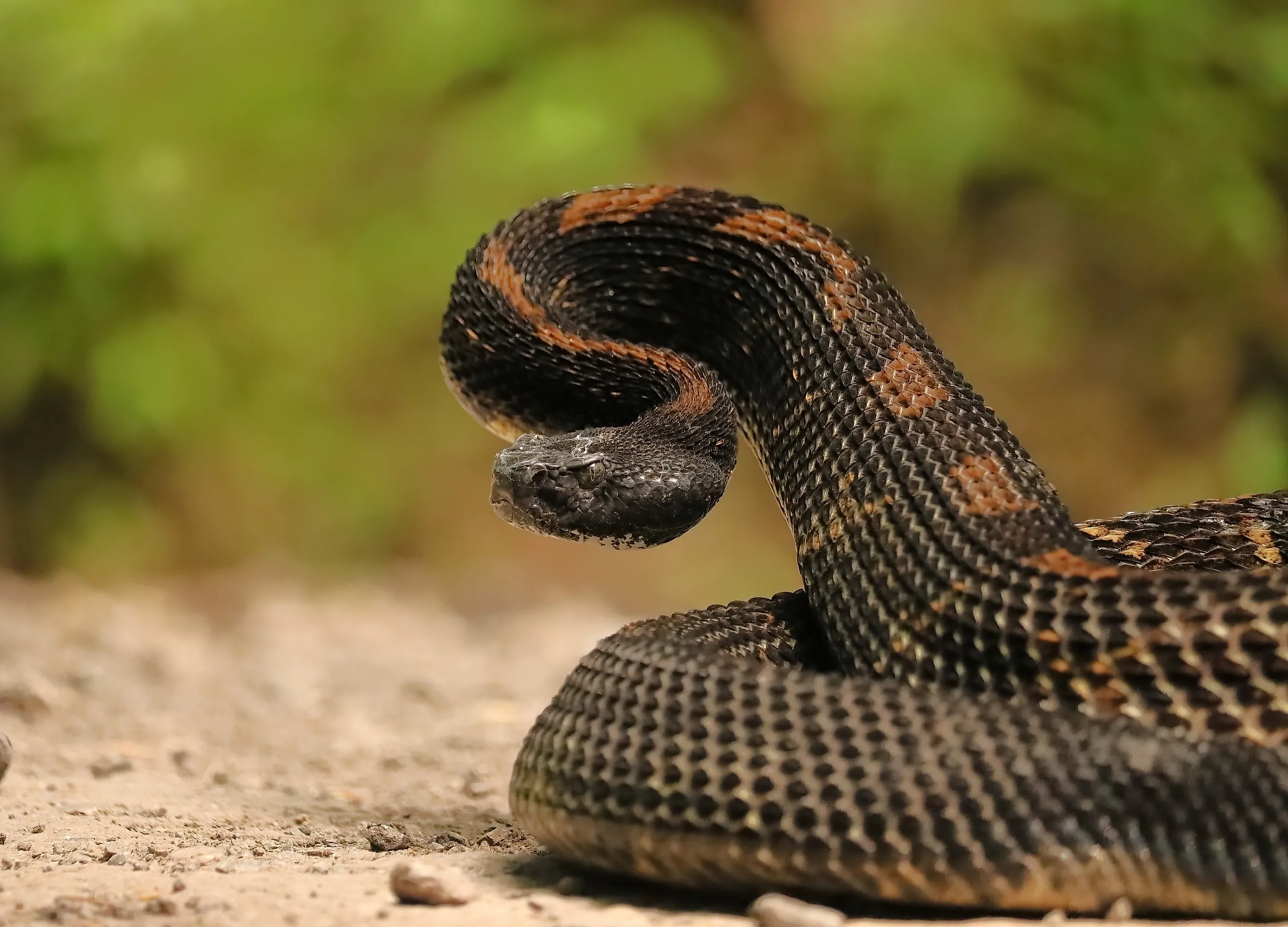
Kentucky is home to 33 snake species, including two rattlesnakes: the timber rattlesnake and the pygmy rattlesnake. Both species are venomous and play vital roles in controlling rodent populations. Timber rattlesnakes live in dense forests, rocky slopes, and near water, while pygmy rattlesnakes, rarer than the others, are mainly in southern Kentucky, often found in forest edges, wetlands, and brushy areas. Here are some of the rattlesnake-infested areas in Kentucky.
Lake Barkley

Lake Barkley, located in western Kentucky, spans over 58,000 acres and is surrounded by thick forests and rocky areas, providing a suitable habitat for various snake species. The lake’s popular activities include hiking, fishing, and boating. The area has several marked trails, such as the Lake Barkley Blue Spring Trail and the Lake Barkley Wilderness Trail, where snake sightings are more common during warmer months.
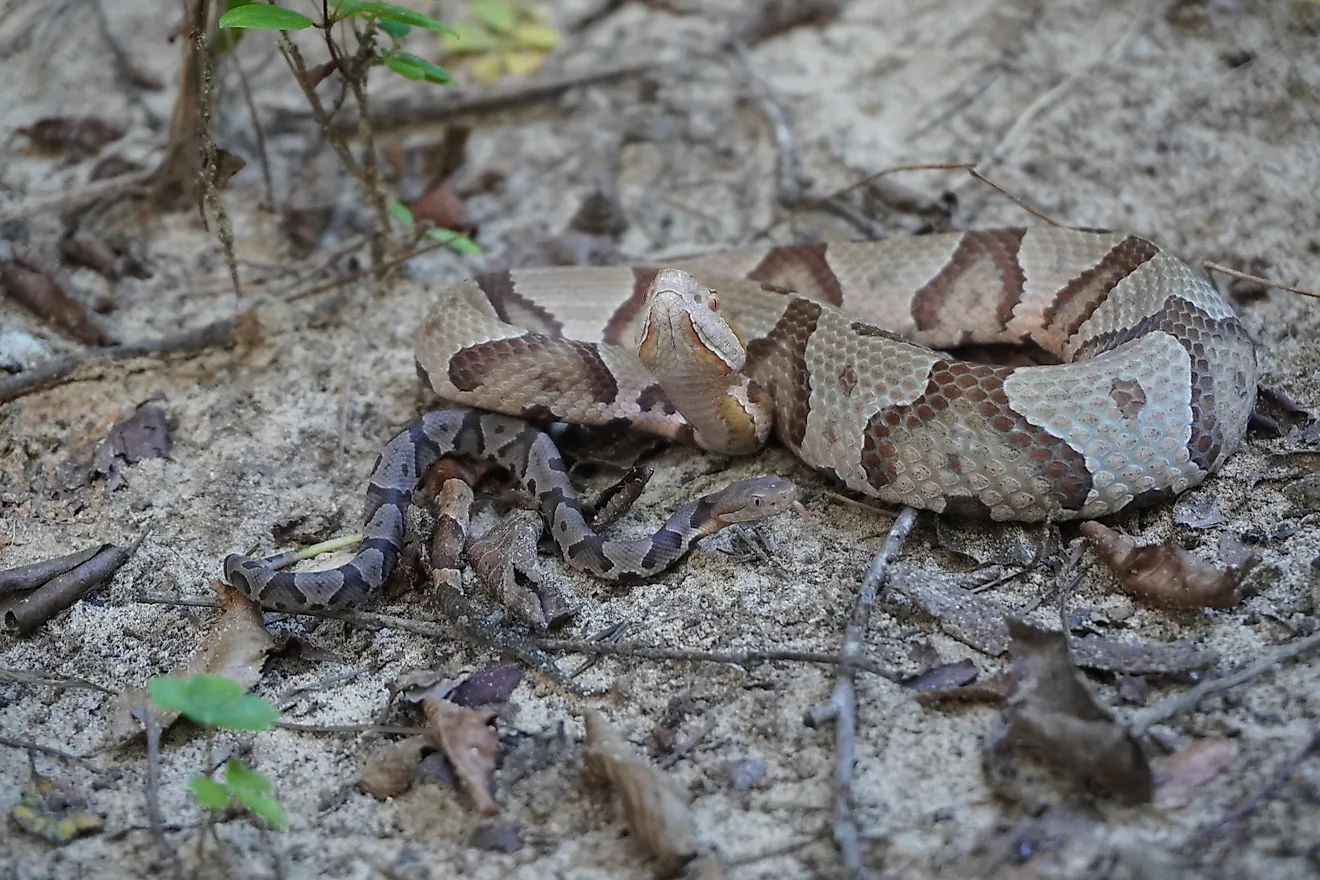
Lake Barkley is also home to several types of snakes, including Kentucky’s most venomous snakes, such as timber rattlesnakes. They’re often spotted around trails and wooded spots, and they thrive in this region due to the mix of forested and open spaces near water. Timber rattlesnakes can grow up to 60 inches in length. They have a distinctive rattle at the end of their tail, dark crossbands on a yellowish, gray, or brown body, and a triangular-shaped head. Their venom contains hemotoxins that can damage tissues and disrupt blood clotting. Bites, though rare, require immediate medical attention. Other common snake species in the area include northern watersnakes, eastern garter snakes, northern copperheads, cottonmouths, black rat snakes, and western Kentucky rat snakes.
Land Between the Lakes National Recreation Area

The Land Between the Lakes National Recreation Area covers 170,000 acres of forests, wetlands, and open fields located between Lake Barkley and Kentucky Lake. Visitors can enjoy hiking, wildlife viewing, and camping. The Pisgah Point Camping Area & Boat Ramp is a popular area where snake sightings are possible. This region is known for housing both timber rattlesnakes and pygmy rattlesnakes.
The pygmy rattlesnake is the rarest venomous snake in Kentucky. Growing up to 24 inches, it has a slender body with dark blotches on a gray or reddish background. In addition to snakes, the area is home to deer, elk, and a variety of bird species. The diverse ecosystem makes it a hotspot for both reptiles and mammals.
Daniel Boone National Forest

Daniel Boone National Forest in Kentucky spans over 700,000 acres filled with rivers, cliffs, and abundant greenery. Visitors can partake in activities like hiking, camping, fishing, rock climbing, and horseback riding. The forest features more than 600 miles of trails, offering scenic views, waterfalls, and natural arches. Notable trails include Double Arch, Courthouse Rock, Auxier Ridge Loop, the Rock Bridge Trail, and the Sheltowee Trace Trail, which extends over 300 miles.
With so many outdoor areas full of people, knowing which rattlesnakes live in the region is essential. Timber rattlesnakes are drawn to the forest’s abundant prey, including small mammals and birds. Though they are generally docile and prefer to avoid confrontation, their venom contains both hemotoxins and neurotoxins, making their bite potentially life-threatening. Copperheads, while also present, are less dangerous and more commonly encountered near woodpiles and stone walls.
Kentucky Lake

Kentucky Lake, the largest man-made lake in the state, spans over 160,000 acres and extends into Tennessee. It is on the western end of the Land Between the Lakes National Recreation Area and a prime location for outdoor enthusiasts, surrounded by thick forests and recreational spots. Boating and fishing are top attractions, with expansive waters perfect for both leisurely cruises and serious anglers.
Hikers exploring trails like the Central Hardwoods Scenic Trail should watch for timber rattlesnakes basking on sunny outcrops or coiled under shaded rocks. While these snakes are generally non-aggressive, their venom is highly potent and requires prompt medical attention if bitten. Non-venomous snakes, such as the slender queen snake, are also common near the lake’s waterways, but the timber rattlesnake remains the primary concern for visitors.
Lake Cumberland

Lake Cumberland, a popular destination in southern Kentucky, covers over 50,000 acres with rugged cliffs, wooded shores, and hidden coves. Its vast shoreline and crystal-clear waters make it a top destination for boating, fishing, and water sports. The lake is also a great spot for swimming, especially at designated beaches and marinas. For those who prefer staying on land, Lake Cumberland State Resort Park offers plenty of hiking and biking trails that showcase stunning views of the lake and surrounding forest. The Wolf Creek Dam trail is a common place where visitors might find snakes.
Timber rattlesnakes are frequently seen basking on rocky ledges or coiled beneath logs close to trails. Their distinctive rattle functions as a warning to potential threats, though they usually won't strike unless they feel threatened. Visitors should stay alert, particularly during the warmer months when snake activity increases. Besides timber rattlesnakes, non-venomous species such as black rat snakes and eastern garter snakes are commonly found near the lake’s edges. While these snakes pose no danger, their presence emphasizes the ecological richness of the Lake Cumberland area.
Big South Fork National River and Recreation Area

The Big South Fork National River and Recreation Area spans 125,000 acres along the Kentucky-Tennessee border, offering an ideal destination for outdoor enthusiasts. It features deep gorges, towering sandstone cliffs, and dense forests, with over 100 miles of hiking trails suitable for all skill levels—ranging from easy walks to more strenuous hikes. Camping is popular here, with multiple campgrounds and backcountry sites available for visitors to enjoy the natural beauty and tranquility.
The Big South Fork is home to timber rattlesnakes and copperheads, both shy but venomous. Hikers have spotted the most snakes on the Angel Falls Trail, a three-mile hike that takes close to one hour to complete. Timber rattlesnakes in this region are particularly active during late spring and summer when they hunt for prey and bask on sunlit rocks. Their camouflage allows them to blend seamlessly into their surroundings, making them difficult to spot. Copperheads are also present in the area, but they are less common in the rocky terrains favored by timber rattlesnakes.
Bernheim Arboretum and Research Forest

Bernheim Arboretum and Research Forest, covering over 16,000 acres in central Kentucky, is a popular spot for hiking, wildlife watching, and enjoying nature. The forest has a variety of landscapes, including open meadows, wooded paths, and rocky areas, making it a perfect home for timber rattlesnakes and copperheads.
Unlike other areas, Bernheim’s rattlesnakes are commonly spotted along sunny trails such as the Forest Giants Trail, where they bask in exposed areas. While timber rattlesnake venom is dangerous, it has played a role in medical research, aiding in the development of antivenoms and pain relief treatments. Visitors should stay cautious during warmer months when snake activity rises, especially near rocky outcrops and sunny clearings.
Discovering Kentucky’s lakes and forests offers a wonderful way to connect with nature. However, it’s essential to remain vigilant of your surroundings, especially in areas where rattlesnakes might be present. Although snake encounters are infrequent, understanding their hiding spots helps ensure your outdoor activities remain safe and enjoyable. Timber rattlesnakes and the more elusive pygmy rattlesnakes play a vital role in maintaining ecological balance by controlling rodent populations. To minimize the risk of a snake encounter, follow straightforward safety advice such as sticking to marked trails, wearing protective gear, and staying attentive.