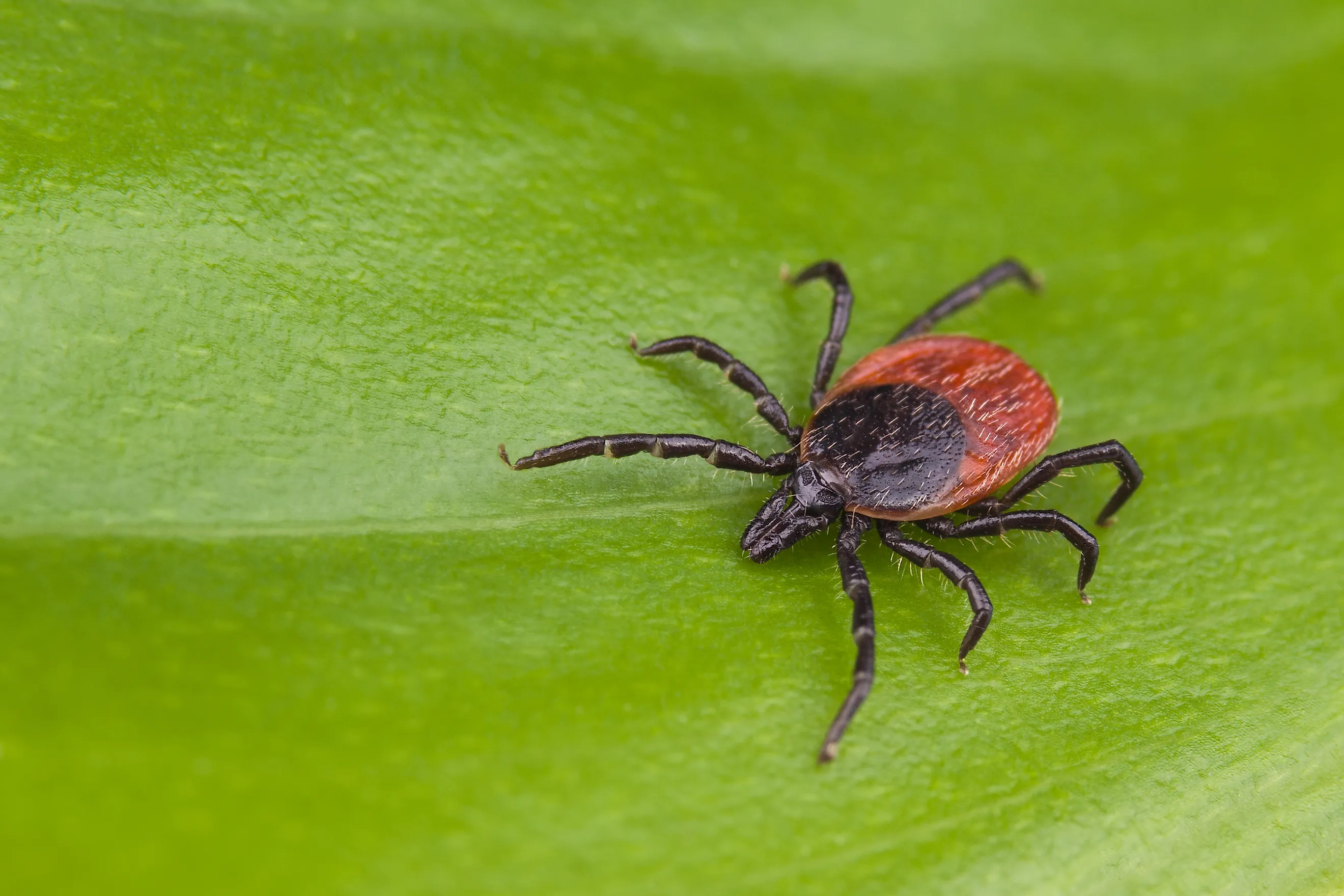
6 Tick Infested Areas In The Finger Lakes
Shaded forests, damp leaf litter, and brushy field edges make tick encounters a concern across much of the Finger Lakes. The blacklegged tick (Ixodes scapularis), commonly called the deer tick, is established throughout the region, while the American dog tick (Dermacentor variabilis) has been reported in some counties.
Lyme disease presents the most widespread risk, but local ticks have also tested positive for pathogens linked to anaplasmosis, babesiosis, and hard tick relapsing fever. The Powassan virus has been detected in several Finger Lakes counties, although the documented risk is more geographically limited. The most tick-infested areas of the Finger Lakes combine confirmed populations with the conditions and animal hosts that help the arachnids survive.
Connecticut Hill Wildlife Management Area
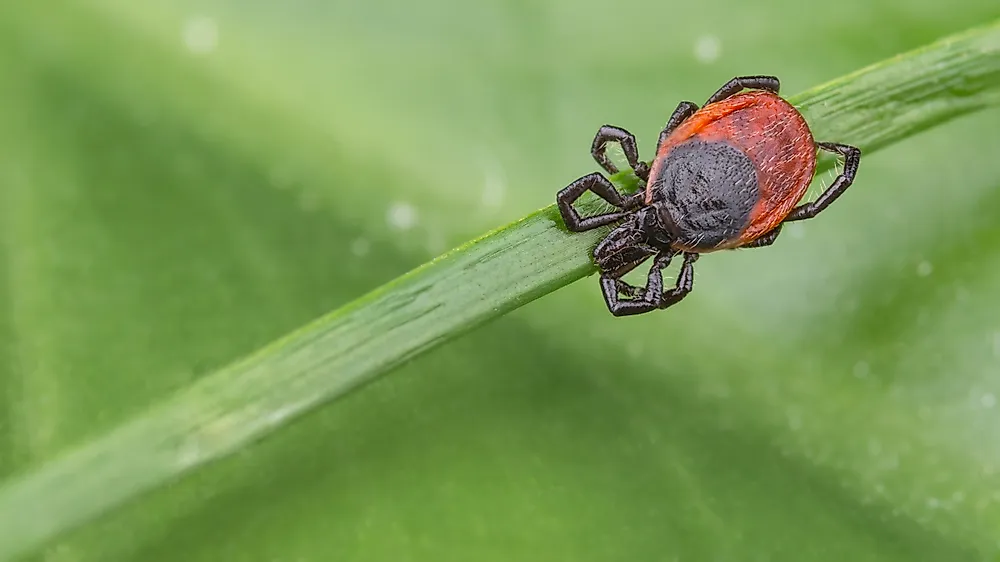
New York's largest wildlife management area covers 11,237 acres across Tompkins and Schuyler counties, about 16 miles southwest of Ithaca. Connecticut Hill contains mature beech, maple, and hemlock forests, along with streams, ponds, and open meadows. Deer, squirrels, and other animals move among these environments, giving ticks access to hosts throughout their life cycles. Damp material on the forest floor also helps blacklegged ticks avoid drying out.
The species is established in both counties, and the Department of Environmental Conservation specifically warns Connecticut Hill users about deer ticks. Testing across Tompkins and Schuyler has confirmed the organisms responsible for Lyme disease, anaplasmosis, babesiosis, and hard tick relapsing fever. Powassan virus has been found in Schuyler County ticks, though not necessarily within the wildlife management area. Particular care is warranted on overgrown stretches of the Finger Lakes Trail.
Finger Lakes National Forest

Woodland meets former pasture throughout Finger Lakes National Forest, which occupies more than 16,000 acres near Hector between Seneca Lake and Cayuga Lake. Grasslands, shrubs, hardwood stands, and the boundaries between them attract different host animals. They also place trail users close to low plants where ticks can wait for a passing person or animal.
Both Schuyler and Seneca counties have established blacklegged tick populations. The documented disease picture includes Lyme disease, anaplasmosis, and babesiosis. Powassan virus has also been identified in host-seeking ticks from Schuyler County, although public records do not connect the finding to a specific part of the national forest. Along the Interloken Trail and connecting routes, residents should avoid brushing against tall grass and vegetation bordering the path.
Sugar Hill State Forest

The Finger Lakes Trail and Six Nations Trail System bring hikers, campers, horseback riders, and other users into Sugar Hill State Forest west of Seneca Lake. Around these routes, 9,085 acres of woodland provide shade, fallen leaves, and varied wildlife cover. Brush beside trails and campsites can increase the likelihood of contact with vegetation holding ticks.
Lyme disease is the most familiar concern, but Schuyler County testing has also detected pathogens that cause anaplasmosis, babesiosis, hard tick relapsing fever, and Powassan virus. The blacklegged tick responsible for transmitting these infections is established in the county. American dog ticks have been reported there as well, though current records don't show that they are numerous at Sugar Hill itself. Wooded ground around the Sugar Hill Recreation Area is one place where residents should take routine precautions.
High Tor Wildlife Management Area

High Tor isn't one continuous type of landscape. Its approximately 6,800 acres include steep wooded hills near Naples, lowland marsh and grassland in the West River Valley, and overgrown fields on South Hill. Gullies, forest floors, and boundaries between woods and open vegetation give blacklegged ticks both humid cover and access to white-tailed deer, rabbits, and other hosts.
Ontario and Yates counties each have established populations of this species. Tick testing from the two counties has documented Lyme disease bacteria as well as the organisms causing anaplasmosis, babesiosis, and hard tick relapsing fever. Powassan virus hasn't been recorded in county tick testing. Encounters remain possible along narrow woodland paths, old fields, and grassy trail margins.
Hemlock-Canadice State Forest

Few homes interrupt the forest surrounding Hemlock and Canadice lakes. Much of the protected watershed was allowed to return naturally to woodland after its purchase for water-quality protection, leaving shaded slopes and accumulated leaves across large areas. Wetland margins and low growth add further cover for ticks and the animals on which they feed.
The 6,849-acre state forest lies in Livingston and Ontario counties, where blacklegged ticks are well established. Beyond Lyme disease, county records confirm pathogens connected to anaplasmosis, babesiosis, and hard tick relapsing fever. Approximately 14 miles of marked hiking routes cross the property, including trails near both lakes. Residents using Rob's Trail, the Bur Oak Trail, or less-open paths should take added care where fallen leaves and plants extend into the walking surface.
Montezuma Wetlands Complex

The open marshes of the Montezuma Wetlands Complex aren't its primary blacklegged tick habitat. The greater concern lies along shrublands, meadows, and walking trails surrounding the wetlands. These terrestrial environments extend through Cayuga, Seneca, and Wayne counties and support deer and small mammals in addition to the birds for which Montezuma is best known.
Blacklegged ticks have established populations in all three counties. Lyme disease bacteria have been detected throughout this county footprint, while records for anaplasmosis, babesiosis, hard tick relapsing fever, and Powassan virus differ by county. Risk therefore isn't identical across the entire complex. Residents walking the Esker Brook, South Spring Pool, or other public trails should examine their clothing and skin after contacting grass, shrubs, or plants at the edge of the woods.
Reducing Tick Exposure in the Finger Lakes
Blacklegged ticks are most active from spring through fall in the Finger Lakes, particularly around forests and brushy boundaries. Residents can lower their exposure by remaining near the center of cleared paths, using an EPA-registered repellent, and treating clothing or gear with permethrin. After returning indoors, examine skin and clothing, and consult New York's tick-risk map or identification resources when necessary. Adult ticks can resume activity whenever winter temperatures rise above freezing, so a midwinter thaw doesn't remove the possibility of a bite.