6 Tick Infested Areas In Pennsylvania
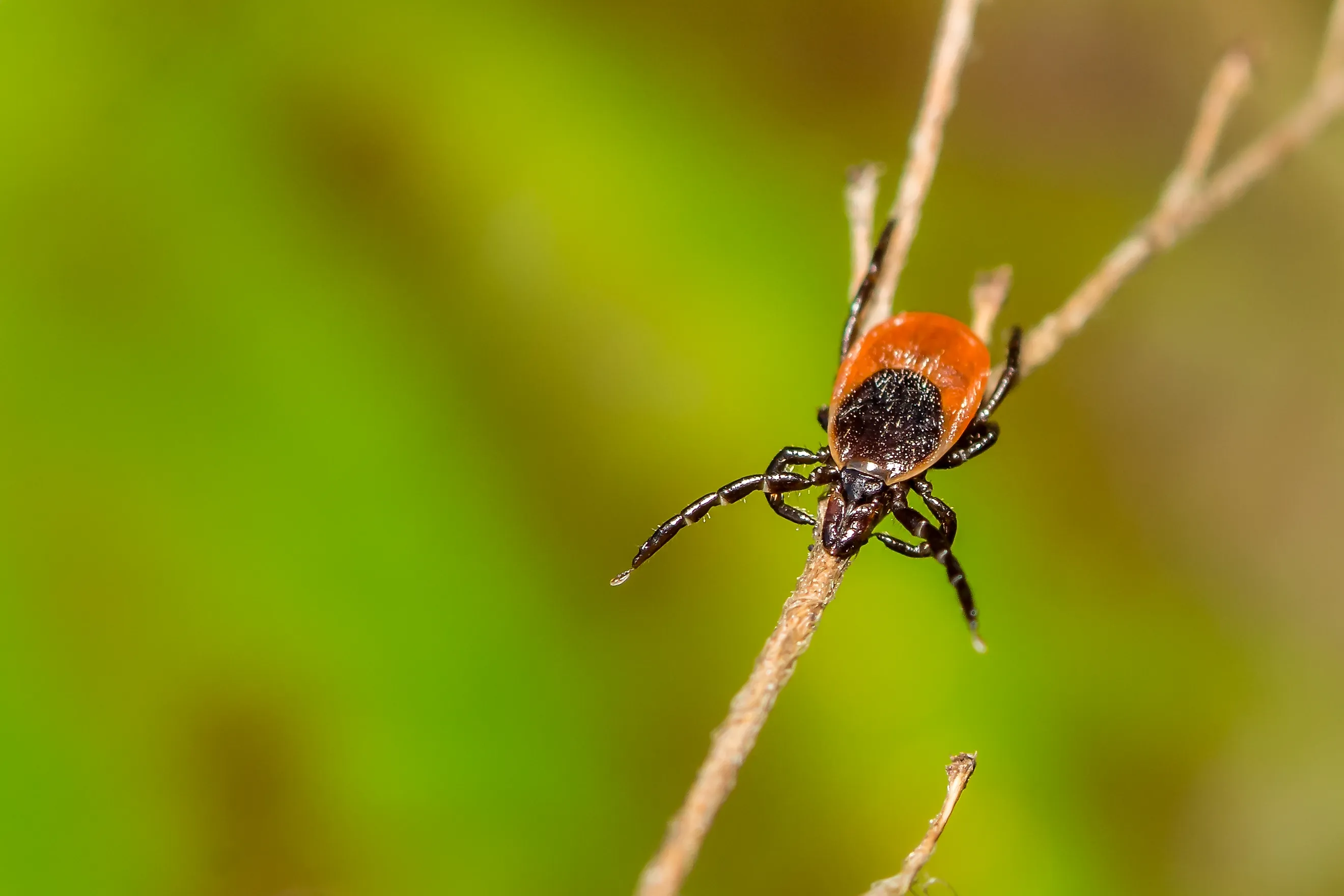
Pennsylvania's varied landscapes host some of the highest tick activity in the United States. The state reported 16,671 Lyme disease cases in 2023, according to the Pennsylvania Department of Health. Three tick species live in its forests and suburbs, with the blacklegged tick the main carrier of Lyme disease. Recent state collections have documented infected blacklegged ticks in all 67 counties.
American dog ticks favor open terrain like Gettysburg National Military Park and can carry Rocky Mountain spotted fever. Shoreline habitats at Presque Isle State Park and river valleys in the Delaware Water Gap National Recreation Area expand exposure further, with surges in late spring and summer. Read on to learn what makes each locale so favorable for these bloodthirsty arachnids.
Presque Isle State Park

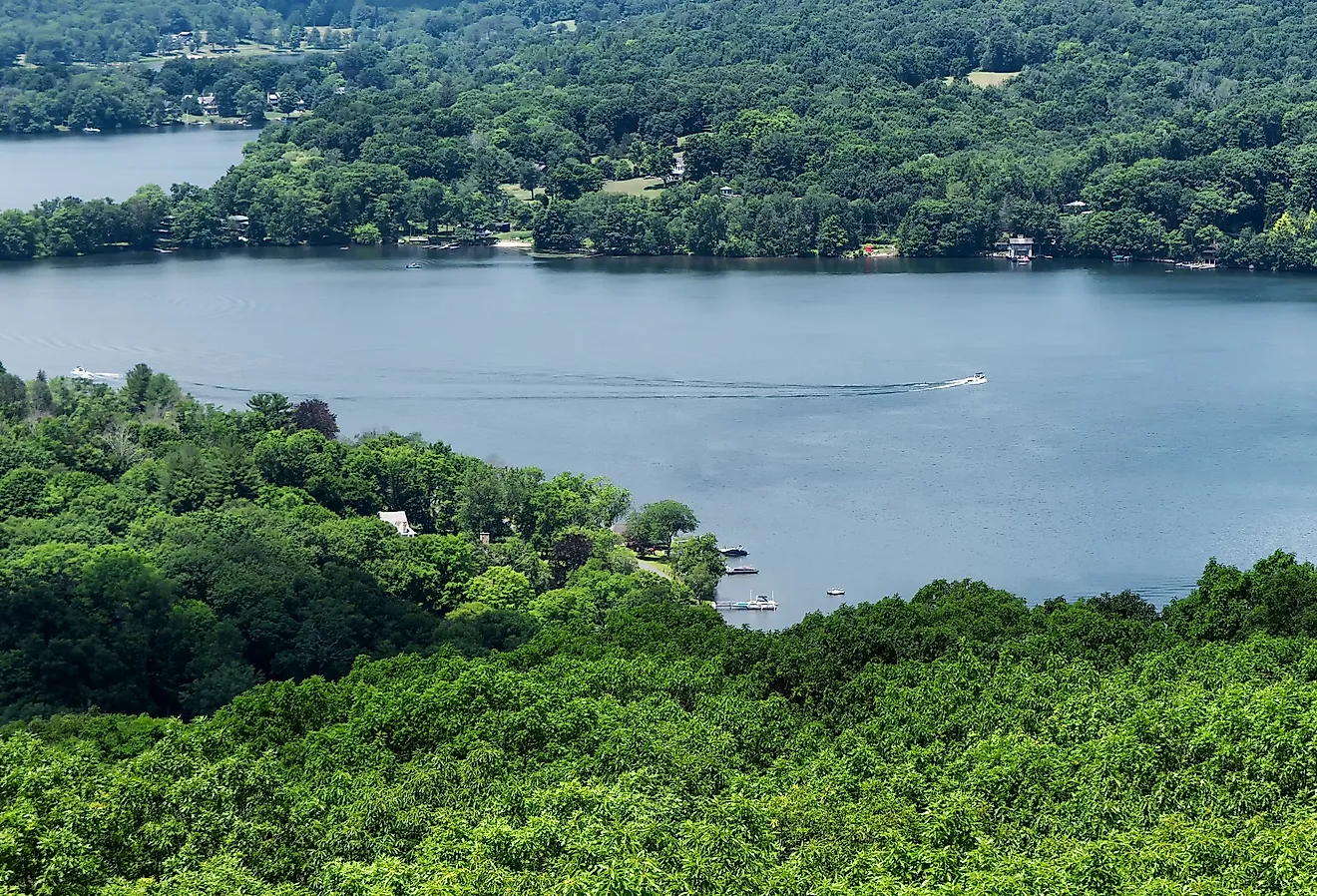
Presque Isle State Park, a sandy peninsula extending into Lake Erie near the city of Erie, is well-suited for ticks. The park's diverse mix of shoreline forests, shrub thickets, wetlands, and grassy trails creates ideal habitat for blacklegged ticks (Ixodes scapularis), the species primarily responsible in the area for transmitting Lyme disease. In fact, researchers have repeatedly documented blacklegged ticks throughout much of northwestern Pennsylvania, with the Erie County of Public Health reporting substantial numbers of encounters each year.
The park's extensive trail network and popularity with hikers, birders, anglers, and beachgoers increase opportunities for human-tick contact, particularly from spring through late fall. Furthermore, other resident fauna, like white-tailed deer, small mammals, and migratory birds, help sustain local populations, transporting ticks all across the peninsula with ease. Those walking through tall vegetation, woodland edges, or leaf litter are most likely to encounter questing ticks searching for a host. With that in mind, it's best to wear long clothing if you plan on exploring areas like these this summer.
Rothrock State Forest

Rothrock State Forest covers around 97,000 acres across central Pennsylvania and has become a well-known area for tick activity. The forest's rolling ridges, hardwood woodlands, dense understory, and extensive network of hiking and mountain biking trails provide excellent habitat for both blacklegged ticks and American dog ticks (Dermacentor variabilis). Ample deer, mice, chipmunks, and other wildlife also support the tick life cycle, allowing populations to persist across large sections of the forest.
Centre County appears on Pennsylvania's tickborne disease surveillance dashboard, and the forest's habitat matches the wooded, leaf-litter environments where blacklegged ticks persist. Bites are particularly common along trail margins where vegetation brushes against passing hikers and cyclists. Also, keep in mind that spring and early summer bring heightened activity from immature ticks, while adult blacklegged ticks can remain active well into autumn, creating a lengthy period of potential exposure for outdoor visitors.
Delaware Water Gap National Recreation Area

Stretching for roughly 40 miles along the Pennsylvania-New Jersey border, the Delaware Water Gap National Recreation Area is not only a hugely popular draw for sightseers, but also contains the type of fragmented forest habitat where ticks thrive. The area supports populations of blacklegged ticks, while American dog ticks are also regularly encountered in open fields and grassy clearings. The lone star tick (Amblyomma americanum) has also made its way into the region in recent years, a species whose bites have been linked to alpha-gal syndrome, an affliction that can make you allergic to red meat.
Pristine woodlands, abundant deer, and healthy populations of small mammals create ideal conditions for each of these tick species, with Monroe County and neighboring counties having long reported significant numbers of Lyme disease cases. With that, anyone coming to hike sections of the Appalachian Trail, exploring backcountry paths, or spending time in brushy areas should be aware that they are moving through some of Pennsylvania's most prime tick habitat.
Cook Forest State Park

Cook Forest State Park, in the northwestern corner of the state, is best known for its towering old-growth trees, but it provides favorable conditions for several tick species, too. Blacklegged ticks are widespread throughout the park, while American dog ticks are often found in meadows, trail corridors, and other open areas.
The park's combination of mature woodland, thick leaf litter, and abundant wildlife offers both shelter and feeding opportunities for ticks during every stage of their life cycle. Those exploring the park's various hiking trails, riverbanks, and campgrounds frequently pass through habitat where ticks wait on low vegetation for a host to brush past. So, maintain extra caution in these types of areas during the warmer months, but be aware that blacklegged ticks can remain active during mild periods of fall and winter as well.
Gettysburg National Military Park
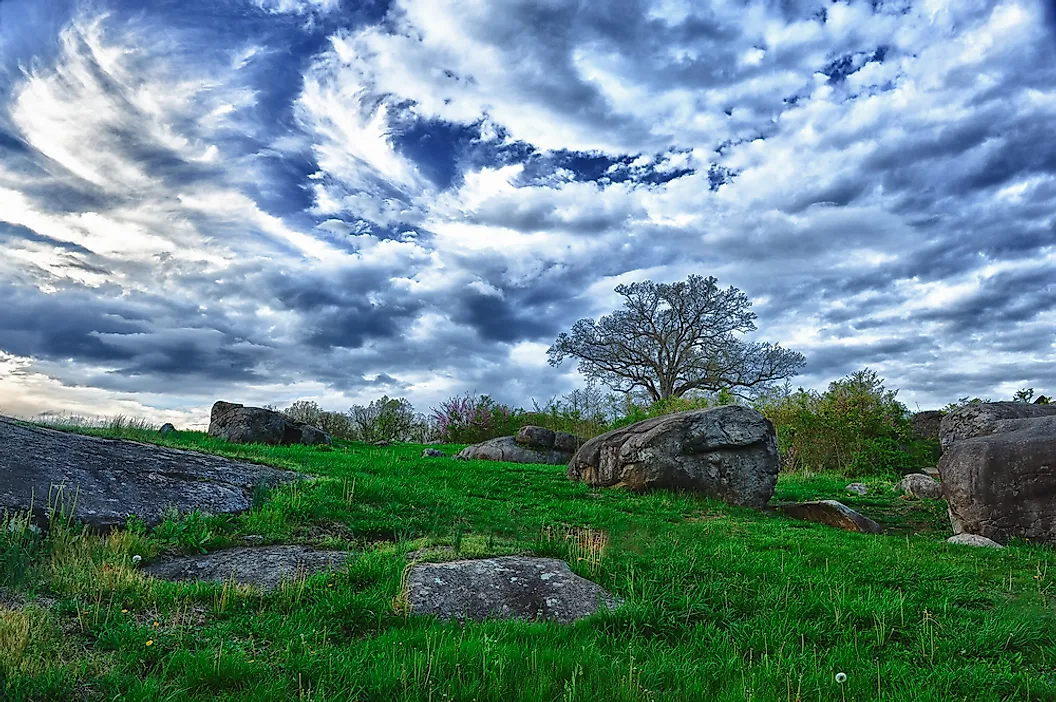
Gettysburg National Military Park's historic Civil War era battlefields now make up a vast array of grasslands, woodlots, and brushy edges that support substantial tick populations. Unlike the heavily forested hotspots in the state, this landscape is particularly favorable for American dog ticks, which are more commonly found in open fields and along mowed pathways. Blacklegged ticks are also present in wooded sections of the park, creating exposure to multiple species within the same area.
Adams County appears in Pennsylvania's tickborne disease surveillance data, and the battlefield's mix of grassland, woodlot, and edge habitat creates exposure points for both American dog ticks and blacklegged ticks. Visitors walking through tall grass, exploring less-maintained trails, or spending extended periods outdoors during spring and summer are especially likely to encounter ticks.
Pocono Mountains

The Pocono Mountains combine cottage properties and second-growth woodland, creating a broad and persistent tick zone across Monroe and Pike counties. In line with many of the other locales mentioned on this list, blacklegged ticks dominate shaded areas with thick leaf fall, especially in transitional zones where residential properties meet unmanaged forest.
Furthermore, American dog ticks and lone star ticks are frequently encountered along hiking corridors, roadside verges, and open recreational fields. Deer movement between protected forest blocks and developed land also helps maintain tick populations across discontinuous patches within this grouping of ancient, eroded mountains. New suburban expansion into wooded terrain has increased contact points between people and tick habitat, particularly around vacation homes, golf courses, and trail networks, while seasonal activity peaks tend to align with late spring and midsummer, when nymph-stage blacklegged ticks are most active and difficult to detect due to their small size.
Be Tick-Aware In These Pennsylvania Hotspots
Across Pennsylvania's collection of state parks, forests, and historic sites, seasonal peaks of tick activity consistently increase human contact year over year, particularly during the humid summer months in popular recreation areas. Although possibly uncomfortable in hot weather, wearing long clothing is one of the best ways to prevent bites, and checking for latched-on ticks before entering your vehicle or home should be a regular habit if you do frequent the above-mentioned spots or anywhere similar to them. Beyond Lyme disease, ticks can transmit anaplasmosis, babesiosis, Powassan virus, tularemia, and STARI, among others. Each by itself is enough reason to take precaution.